Tacoma, WA
Siding Replacement in Tacoma, WA
Close to half of Tacoma’s single-family houses were already standing in 1950. Pierce County assessor records put the median build year for those homes at 1950 and the share built before then at 49%, so the wall behind a typical Tacoma siding job has been through many decades of Puget Sound weather. That age decides most of what follows: what is likely under the paint, what should be tested before it comes off, and which replacement makes sense. This page covers the local housing stock, the siding types we usually recommend and the warning signs worth acting on.
What’s on Tacoma homes now
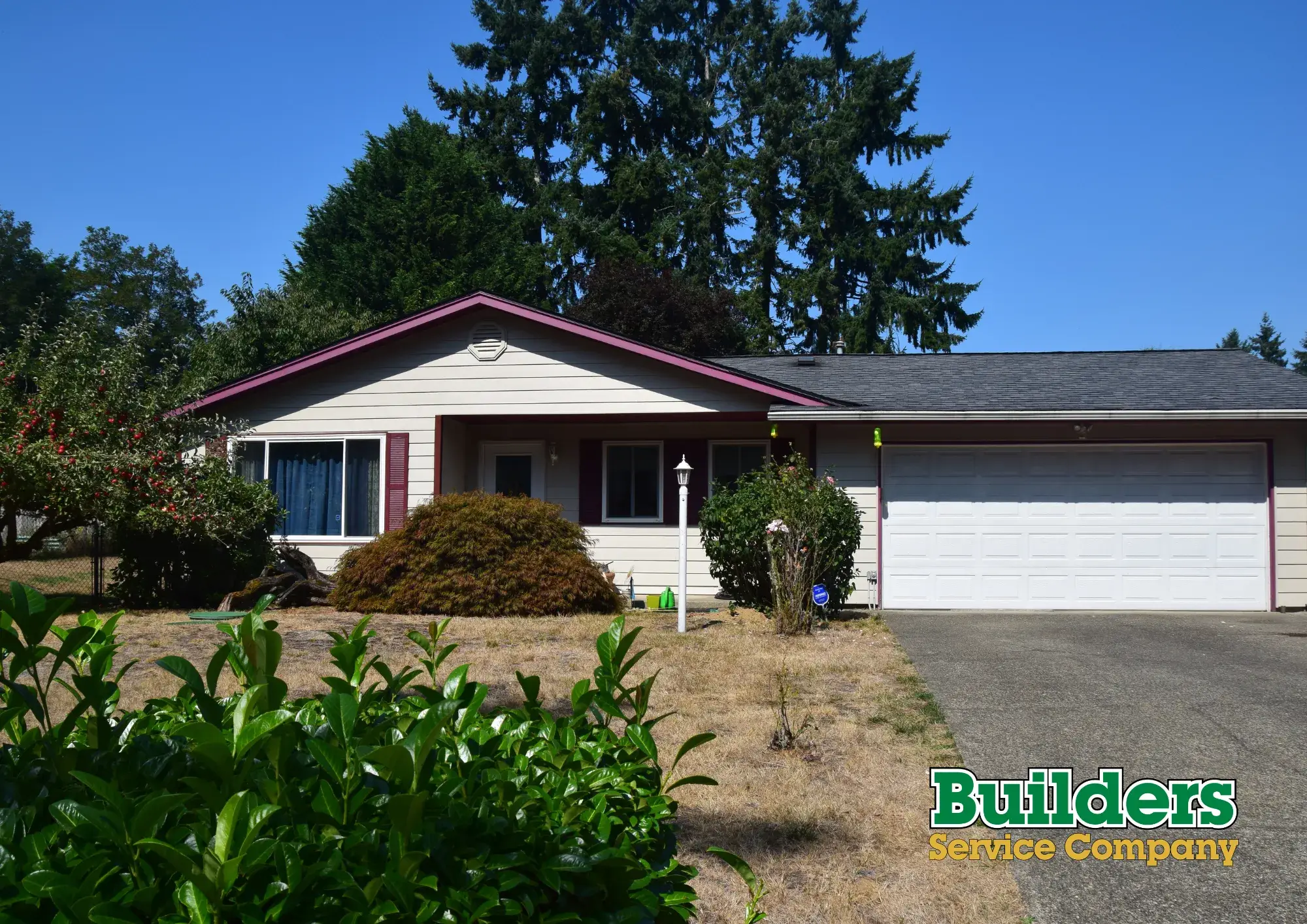
Census figures for the city’s 97,298 housing units show a median build year of 1967. The mix leans old: 35% went up before 1950, 30% between 1950 and 1979, and 18% in each of the two later periods. Here is what each era usually means for the outside wall:
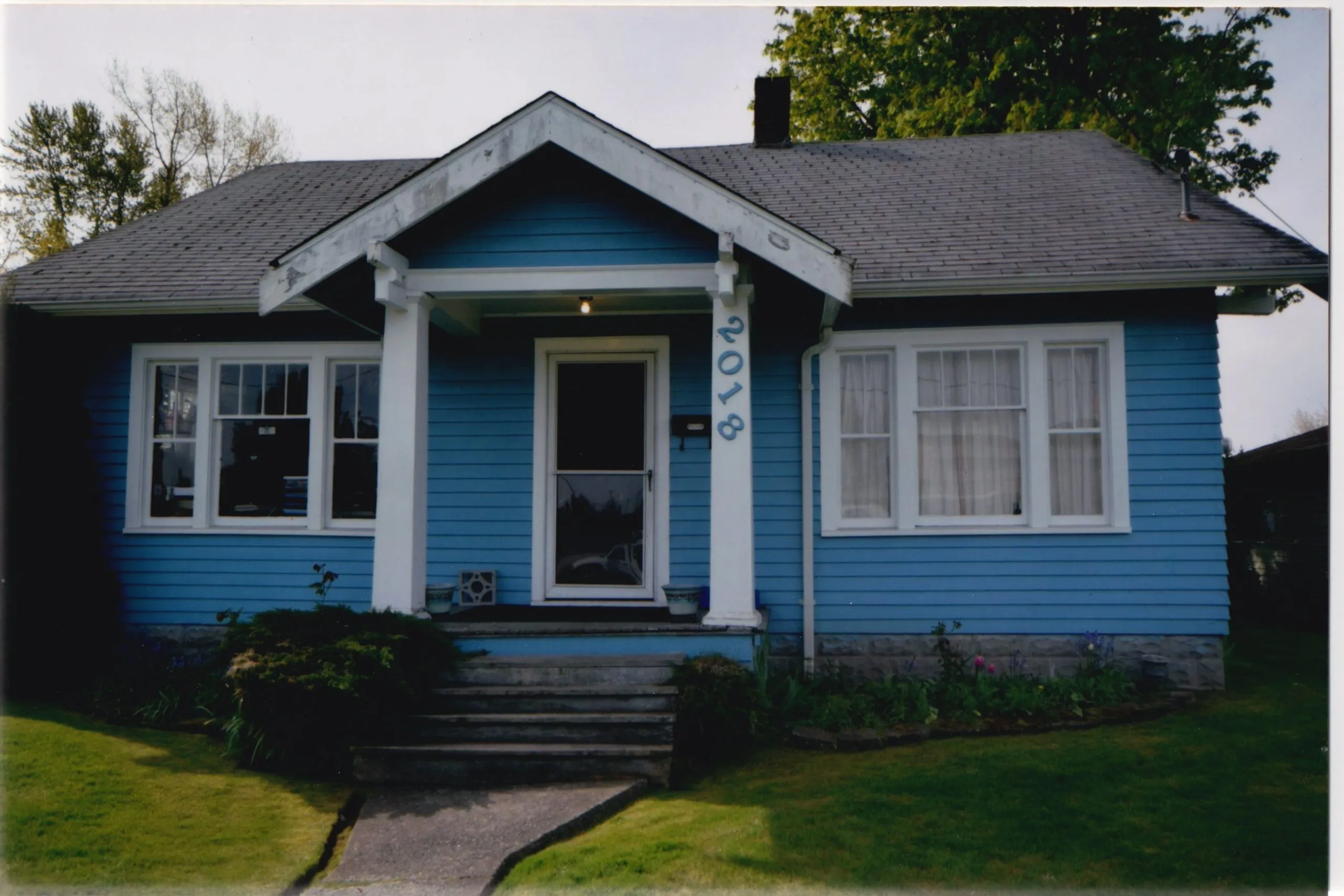
- Before 1950: original wood lap siding is the most likely cladding. Tacoma’s older housing stock also includes historic districts.
- 1950 to 1979: cedar, T1-11 plywood panels or asbestos-cement shingles. Asbestos-cement shingles may contain asbestos and should be tested before removal.
- 1980 to 1999: composite and hardboard siding, including LP siding, which has a known history of moisture failure. Assessor records date 8% of single-family homes to 1985 through 1996, the main LP siding years.
- 2000 and later: fiber cement or builder-grade vinyl now reaching its first repaint or replacement. Newer subdivisions fall here, among them Sequoia Park (median build year 2009), Applewood Addition (2012), Rehe Plat (2011) and Timothy’s Meadow (2007).
Only 13% of the 54,715 single-family homes in the assessor file are listed with vinyl, and 4% with brick or masonry. Most re-siding work here therefore begins with a tear-off of some other material. Detached houses make up 61% of all housing units, with another 10% attached, and the median single-family home covers 1,360 square feet.
Choosing siding for Tacoma’s conditions
Climate notes for the Puget Sound urban region describe moderate rain, with moss and rot turning up on north faces. That is the strongest argument against putting wood back on. The three types we usually recommend, vinyl, the Evergreen Shield Siding System and metal, all stand up to that wet weather, and none of them is wood. The right pick for your house comes down to budget, heating and how much wall there is to cover.
Vinyl
Vinyl is the most versatile and least expensive of the three. Tacoma’s median home value is about $480,000, roughly 10% under the Pierce County median, and in that range many owners put durability and cost first, which is where vinyl fits. It also makes sense for large wall areas: 27% of single-family homes here have two or more stories, and every added story means more siding and more staging.
Evergreen Shield Siding System
Electricity is the heating fuel in 63% of Tacoma homes, against 33% on natural gas, with Tacoma Power as the electric utility. When most of your heat comes off the electric meter, insulated siding deserves a hard look. These composite panels carry an insulating graphite membrane rated R-2.0, where standard vinyl siding rates R-0.61.
Metal
Metal siding is the third option, often chosen by owners of higher-value homes who want a premium, long-wearing exterior. It suits clean, modern lines as well as a traditional house.
Stone accents
Stacked stone and stone veneer are accents, not whole-house siding. We set them at entries, columns, chimneys or a wainscot along the base of the wall, over a moisture barrier and lath, and pair them with any of the three sidings above.
The best option for your home is settled at the free in-home consultation.
Evergreen Shield Siding System in Tacoma
The Evergreen Shield Siding System is our own insulated composite siding, designed for the Pacific Northwest climate. Two of its features fit Tacoma best:
- Water resistance. The composite panels are built to resist water through long wet seasons, humidity, mold and mildew.
- Color that lasts. Panels come in 20 built-in colors that resist chipping, peeling and fading. Unlike cedar, they never need repainting.
We put this system on a Tacoma home in 2026. Years of wear had taken a toll on the house’s original wood siding, which had begun to rot in several areas and left the exterior open to moisture damage. After inspecting the property, our team recommended the Evergreen Shield Siding System as its replacement. Read about that Tacoma siding replacement.
Signs your siding needs replacing
- Soft or discolored boards on the north side. Moss and rot show up first on north-facing walls in this climate. Check the lowest courses and the boards under windows, where water sits longest.
- Peeling paint that keeps coming back on old lap siding. On a house built before 1950, that paint may contain lead, so have it tested before anyone sands or scrapes.
- Swollen or crumbling panel edges on a 1980s or 1990s house. Hardboard and LP siding soak up water at the bottom edges and seams, then swell and soften. Those homes account for 8% of the city’s single-family houses built from 1985 through 1996.
- Faded builder-grade siding on a newer house. Homes from 2000 on are reaching their first repaint or replacement.
- Interior paint peeling near an exterior wall, which can mean water is getting past the siding.
Get a free siding consultation in Tacoma
Schedule a free in-home consultation and we will check your existing siding, the moisture exposure on each wall and what sits underneath before recommending a material. Call our Tacoma office at 253-777-0866 or contact us online. Financing is available. For roofing, windows and decks too, see our Tacoma home exterior services.
Tacoma siding FAQ
What should I expect when replacing siding on a pre-1950 Tacoma house?
Expect original wood lap siding, and plan on testing before it comes off. Homes built before 1950 may have lead paint, and Pierce County assessor records place 49% of Tacoma's single-family houses in that era. Once the old boards are off, we check the wall underneath before the new siding goes on. Your options are the same three types we usually recommend: vinyl, the Evergreen Shield Siding System or metal.
Is insulated siding worth it if my Tacoma home has electric heat?
It is worth weighing, because 63% of Tacoma homes heat with electricity. The Evergreen Shield Siding System adds an insulating graphite membrane rated R-2.0, compared with R-0.61 for standard vinyl siding. Where heating costs more, that added insulation pays back more over the years. On your house, we can compare it side by side with plain vinyl.
Does Tacoma's wildfire risk change which siding I should choose?
For most Tacoma homes it does not. The city's wildfire risk is rated Low, at the 39th percentile statewide, so rain and heating usually drive the choice here. If fire resistance still matters to you, the Evergreen Shield Siding System carries a [Class A fire rating](/fire-resistant-siding), the highest fire-resistance rating for construction materials, and metal siding is another option we install.
Can I add stone veneer to only part of my Tacoma house?
Yes, and that is how we use it. Stacked stone and stone veneer go on as accents, such as an entry, a set of columns, a chimney or a wainscot along the base, with vinyl, metal or the Evergreen Shield Siding System covering the rest of the wall.