Edmonds, WA
Siding Replacement in Edmonds, WA
Census data puts the median year built for Edmonds homes at 1974, and Snohomish County assessor records show the typical recorded plat in town dates to 1955. In practice, that means most siding replacement in Edmonds starts by taking original mid-century cladding off the walls. What comes off tells us what to check underneath and which replacement will suit the house. This page covers what is on local homes now, how the siding types we usually recommend fit Edmonds conditions, and the signs that it is time to replace siding.
What’s on Edmonds homes now
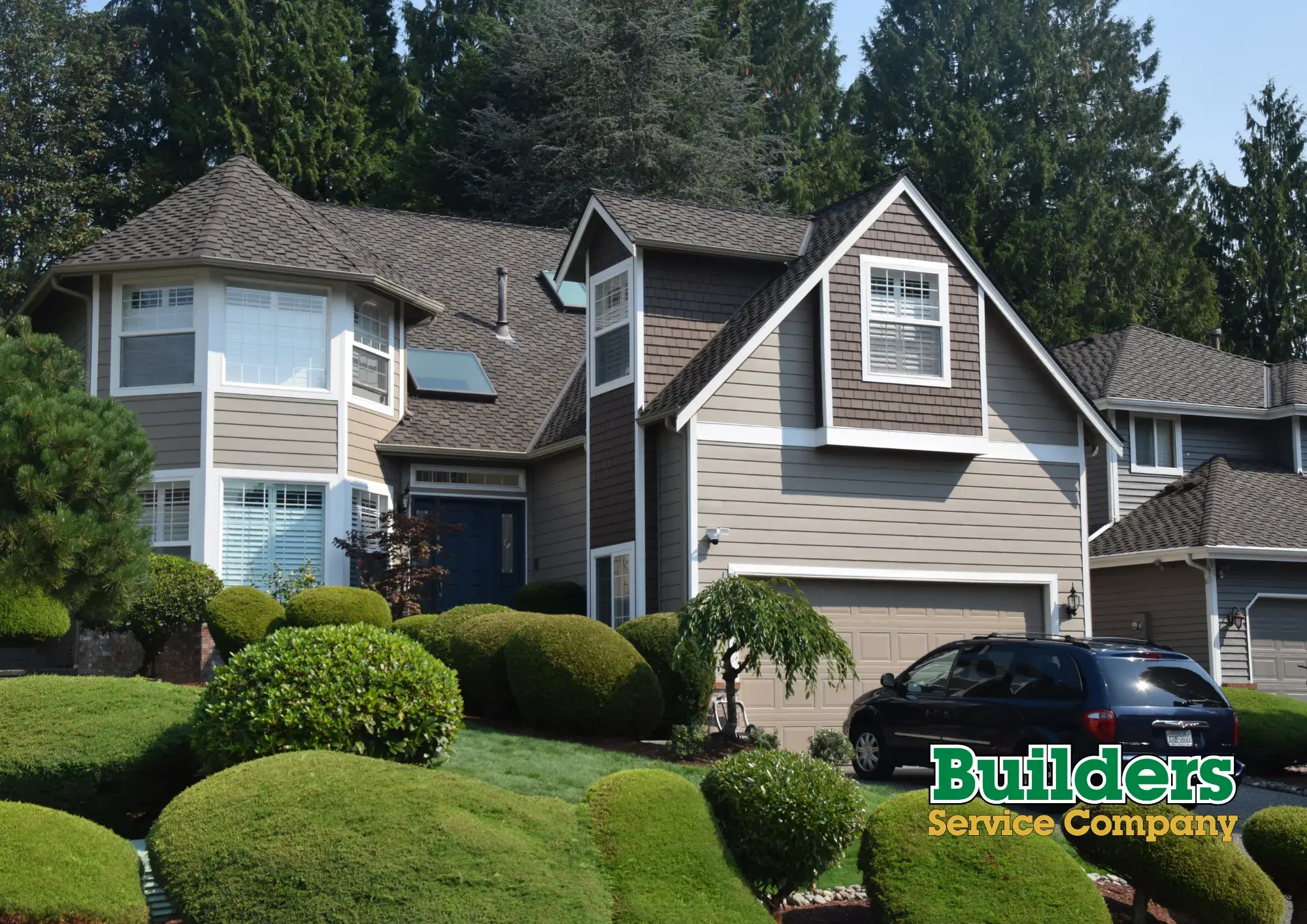
Census figures sort Edmonds housing into building eras, and each era tends to come with its own kind of siding:
- 1950–79 (55%): cedar, T1-11 plywood panels or asbestos-cement shingles. Asbestos-cement shingles may contain asbestos and should be tested before removal.
- 1980–99 (26%): composite and hardboard siding, including LP siding, which has a known history of moisture failure.
- 2000 and later (14%): fiber cement or builder-grade vinyl coming due for a first repaint or replacement.
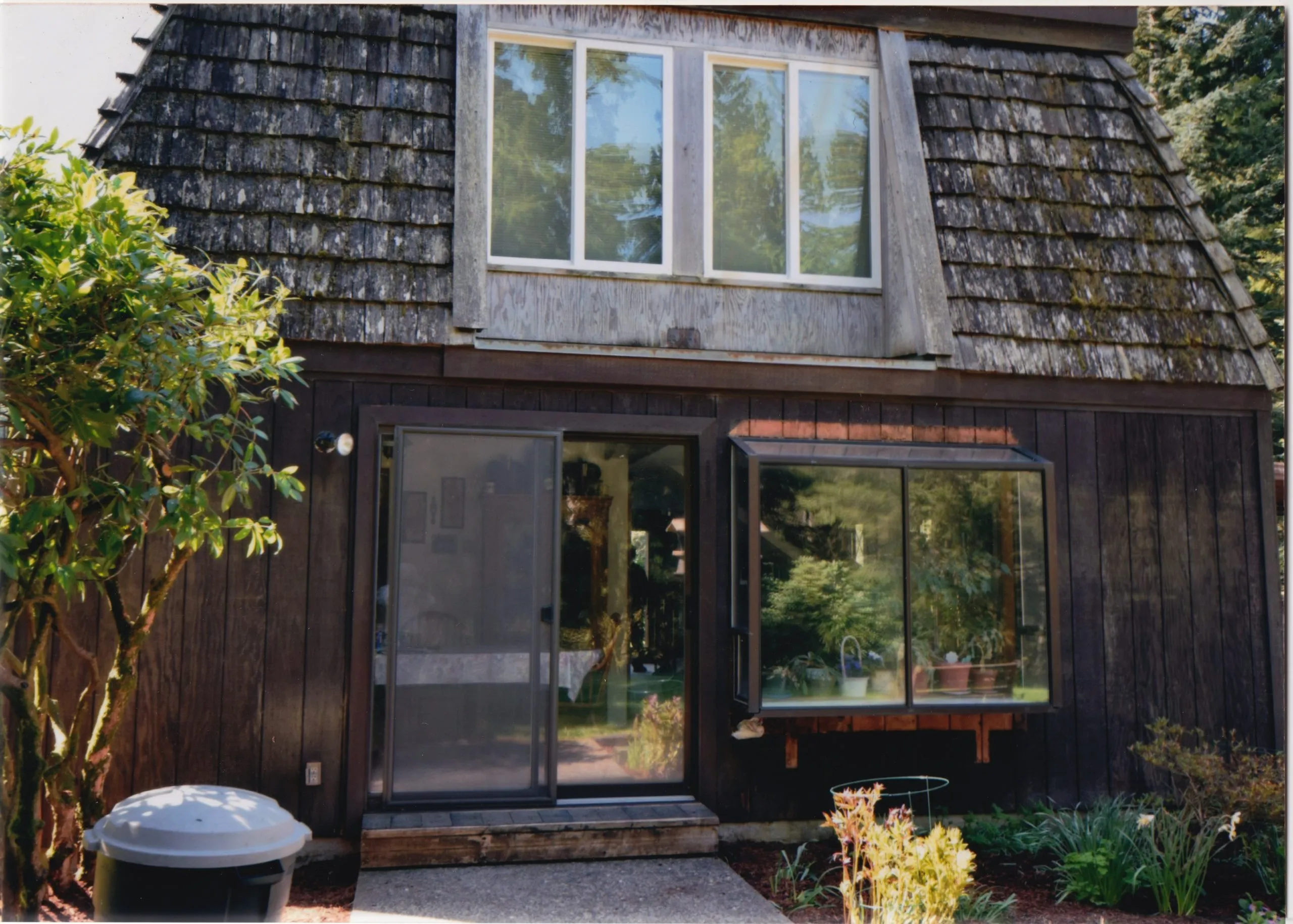
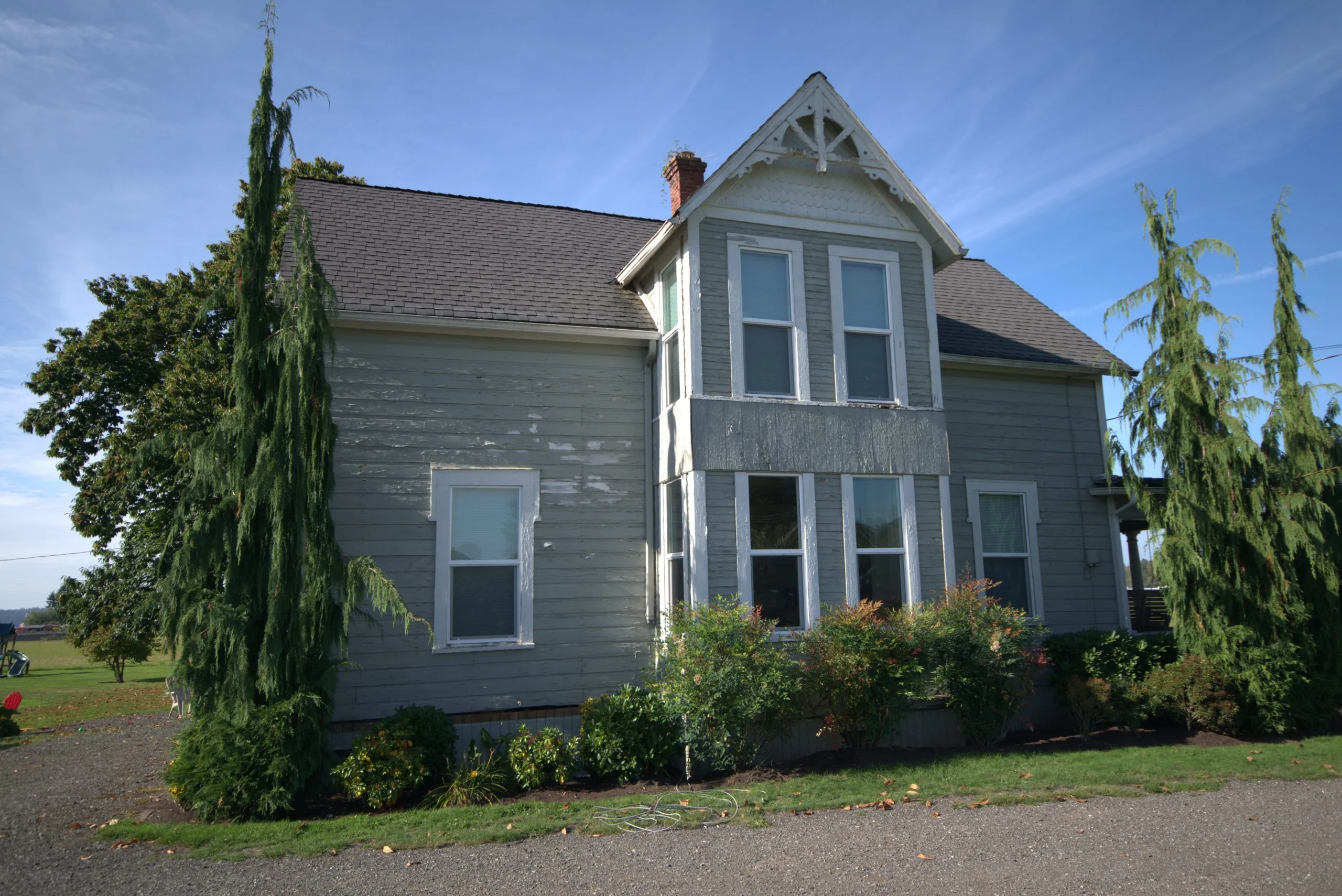
- Before 1950 (6%): likely original wood lap siding, sometimes under paint that may contain lead.
Assessor records add detail on the 11,501 detached single-family homes in the city. About two-thirds (66%) can be matched to a recorded plat, and 34% of those sit in plats recorded before 1950. The original City of Edmonds plat holds 527 homes with a median build year of 1890, and Meadowdale Beach has 270 homes at 1904. Talbot Park (1948) and Homeview Add (1953) sit right at the edge of the 1950–79 era.
Census data shows 60% of housing units here are detached houses, 10% are attached and 29% are apartments, with no mobile homes. Condos make up 22% of residential parcels. So most residing projects in Edmonds are on freestanding houses, on a median lot of 0.23 acres.
Choosing siding for Edmonds’s conditions
We usually recommend three siding types here: vinyl, the Evergreen Shield Siding System and metal, with stone accents where they suit the house. The best option for your home is settled at the free in-home consultation. These local facts steer the choice.
Salt air points to vinyl or the Evergreen Shield Siding System. Waterfront homes and view homes facing the Sound take salt exposure that inland houses don’t. Both types suit that setting. Whichever you pick, we use corrosion-resistant fasteners and flashing, with finishes rated for marine exposure.
Shaded north walls need siding that isn’t wood. Moss and rot on north faces are a regular finding across Puget Sound neighborhoods. None of the three types is wood, and in our experience, unlike cedar, they don’t soften along the bottom course after years of wet winters. Where the wall allows, we add rainscreen detailing so water that gets behind the siding can drain and dry.
Electric heat makes insulation count. Census data shows 47% of Edmonds homes heat with electricity, and another 1% each with propane and oil. Where that much heating runs on costlier fuel, the insulated Evergreen Shield Siding System deserves a close look next to plain vinyl.
Home values lean toward premium materials. Assessor records put the median total value of a detached home at about $940,000, and census data puts the citywide median 37% above the Snohomish County median. Owners in that range more often choose the Evergreen Shield Siding System or metal siding. With 71% of homes owner-occupied, many households are investing for the long haul. Metal gives a clean, contemporary finish.
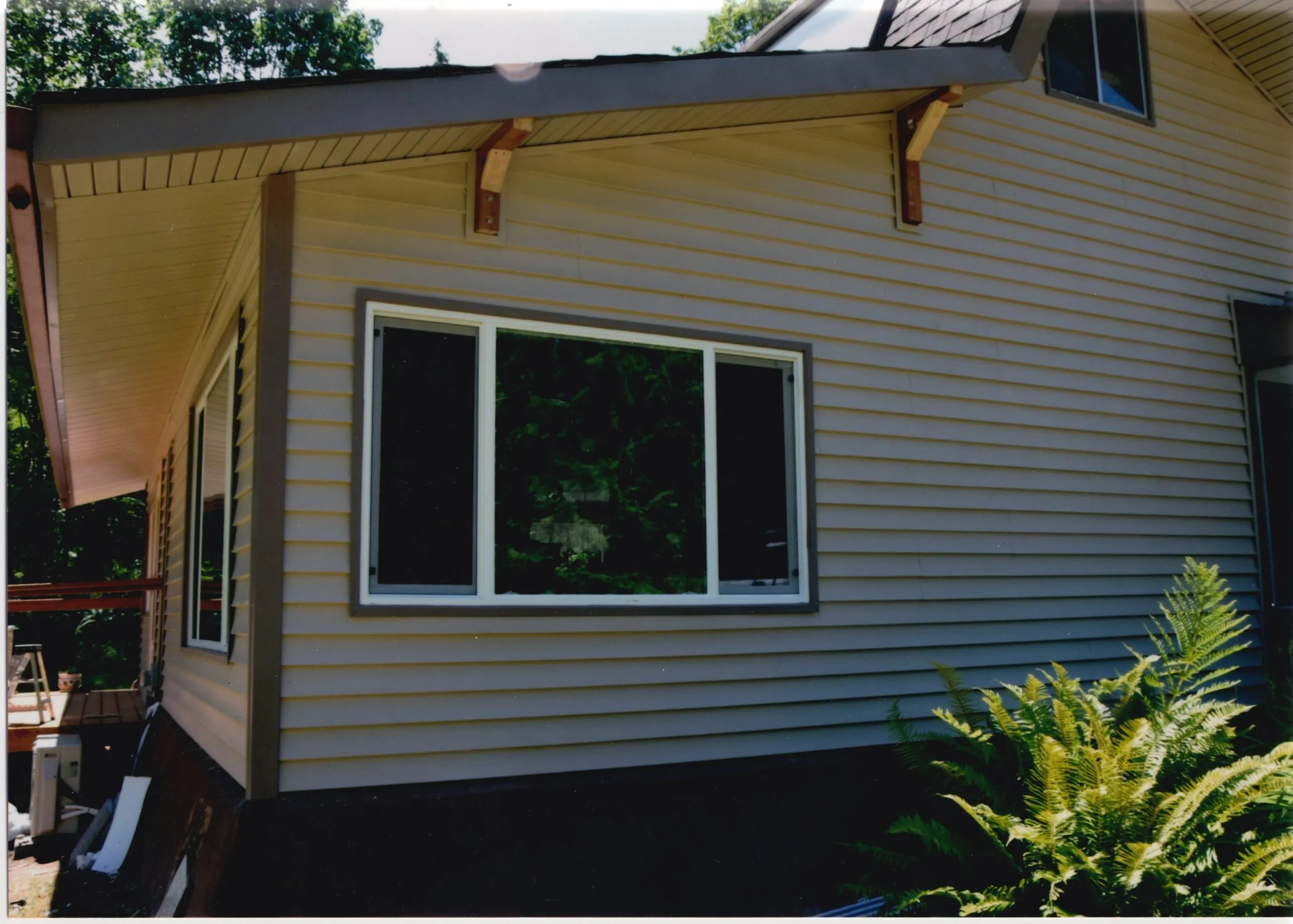
Vinyl keeps a big project in budget. If cost leads, vinyl is the most versatile and least expensive option.
Stone finishes the base. Stacked stone or stone veneer makes a durable course along the foundation, or dresses up a porch column or chimney, alongside any of the siding above.
Evergreen Shield Siding System in Edmonds
Two of the system’s facts line up with Edmonds conditions. The first is moisture. Its composite panels are made for water resistance through long wet seasons, humidity, mold and mildew, which is what Edmonds walls face from fall to spring.
The second is insulation. An insulating graphite membrane gives R-2.0 thermal resistance, compared with R-0.61 for standard vinyl siding. In a city where so many homes run on electric heat, that layer wrapped around the whole house is worth more. It is the main reason owners comparing the Evergreen Shield Siding System against vinyl here end up weighing more than the upfront cost.
Signs your siding needs replacing
Since 1950–79 is the most common building era in Edmonds, start with the cedar and T1-11. Look for cedar boards that have split, cupped or pulled loose, and T1-11 panels that are delaminating or soft along the bottom edge. Siding that has gone broken or crooked after years in the weather is past repair.
On north and shaded walls, check for moss, green staining and soft wood near the ground, and probe where siding meets window and door trim.
On houses from 1980–99, check hardboard siding for swelling, flaking or soft spots at the drip edge. Paint will not fix water that has reached the core.
Get a free siding consultation in Edmonds
Schedule a free in-home consultation or call our Seattle office at 206-430-1927. Our siding work comes with a lifetime warranty, financing is available, and we offer discounts for seniors, active military, veterans and first responders. For roofing, windows and decks as well, see our Edmonds home exterior services.
Edmonds siding FAQ
Which siding holds up best near the Edmonds waterfront?
Vinyl siding and the Evergreen Shield Siding System are the two types we usually recommend for homes exposed to salt air off the Sound. The siding is only part of the answer, though. On waterfront and view homes we also use corrosion-resistant fasteners and flashing, with finishes rated for marine exposure, because those small parts are often what fails first near the water. We look at your exposure and pick the right fit during the free in-home consultation.
What should I expect when removing siding from a 1950s to 1970s Edmonds home?
Expect testing before the tear-off begins. Census data shows 55% of Edmonds homes were built between 1950 and 1979, when cedar, T1-11 and asbestos-cement shingles were common. Asbestos-cement shingles may contain asbestos and should be tested before removal. Once the old siding is off, we inspect the sheathing and trim behind it and address any problems we find, so the new siding goes onto a sound wall.
Do I need a permit to replace siding in Edmonds?
The City of Edmonds is the permit authority for exterior work in town, so any permit for a residing job comes from the city. Whether one is required depends on the scope of your project, such as how much of the wall and trim is being replaced. We review the work with you during the free in-home consultation and plan around the city's process, though approval is always the city's decision.
Does wildfire risk change which siding I should choose in Edmonds?
Usually not. The U.S. Forest Service rates wildfire risk in Edmonds as low, at the 24th percentile statewide, which is below the level where we steer homes toward fire-rated siding. If you want that protection anyway, the Evergreen Shield Siding System carries a Class A fire rating, the highest fire-resistance rating for construction materials, and stacked stone or stone veneer is noncombustible as a base course near the ground.
Will I have to repaint new siding on an older Edmonds house?
No. None of the three siding types we usually recommend depends on paint the way original cedar or lap siding does. The Evergreen Shield Siding System comes in 20 built-in, fade-resistant colors that resist chipping, peeling and fading, so there is no repainting cycle. Vinyl siding also comes in a wide range of colors and profiles, including ones that copy the look of wood clapboard. We bring options to compare against your house at the consultation.