Selah, WA
Siding Replacement in Selah, WA
Selah sits in the East Cascades valley, where hot, dry summers and high UV wear on exterior walls year after year. Washington wildfire data ranks the city at the 88th percentile statewide, an elevated rating. Those two conditions drive how we approach vinyl siding in Selah and every other cladding we install here: walls have to hold their color through long sunny seasons and stand up to embers when fire season fills the valley with smoke. Below is what’s on local houses now, how each siding type fits, and the signs that mean it’s time to replace.
What’s on Selah homes now
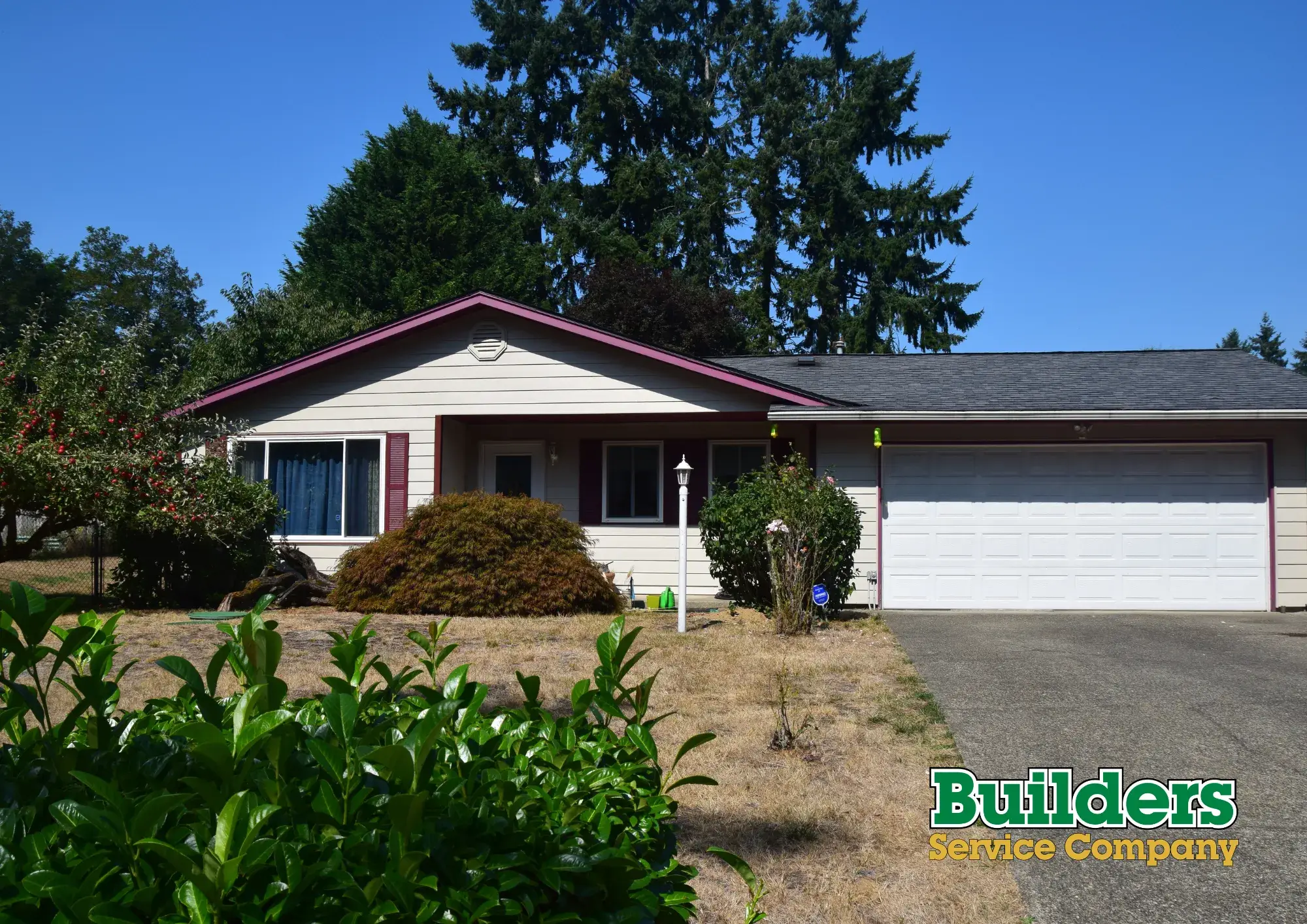
Census data shows a housing stock that leans toward the late 20th century. The median year built is 1990, and the 1980–99 period is the largest single era at 34% of homes. Another 28% went up in 2000 or later, 23% between 1950 and 1979, and 16% before 1950.
Each era tends to have its own siding:
- Before 1950: often original wood lap siding, possibly with lead paint under later coats.
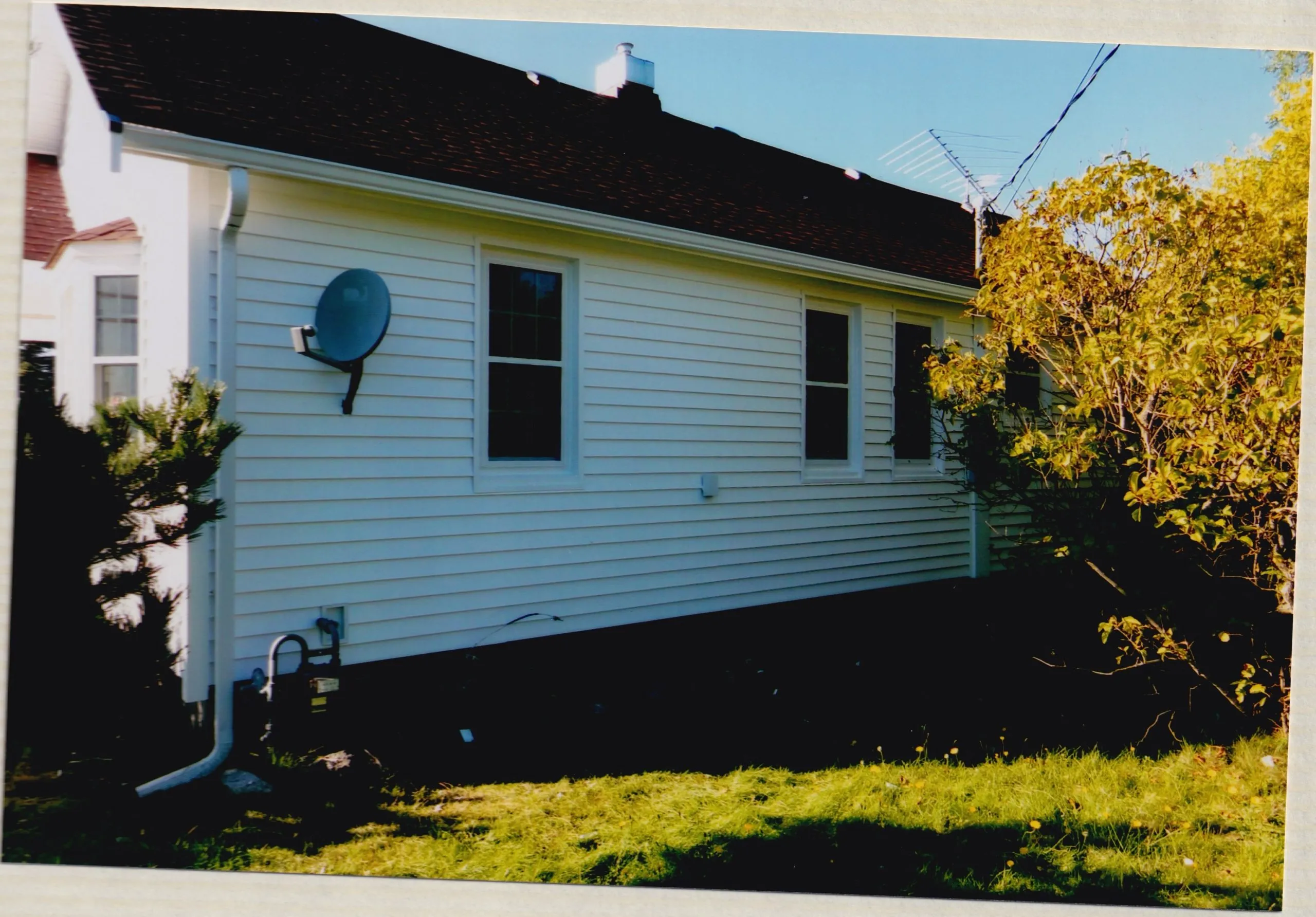
- 1950–79: cedar, T1-11 plywood or asbestos-cement shingles. Asbestos-cement siding may contain asbestos and should be tested before removal.
- 1980–99: composite and hardboard siding, including LP siding, which has a known history of moisture failure.
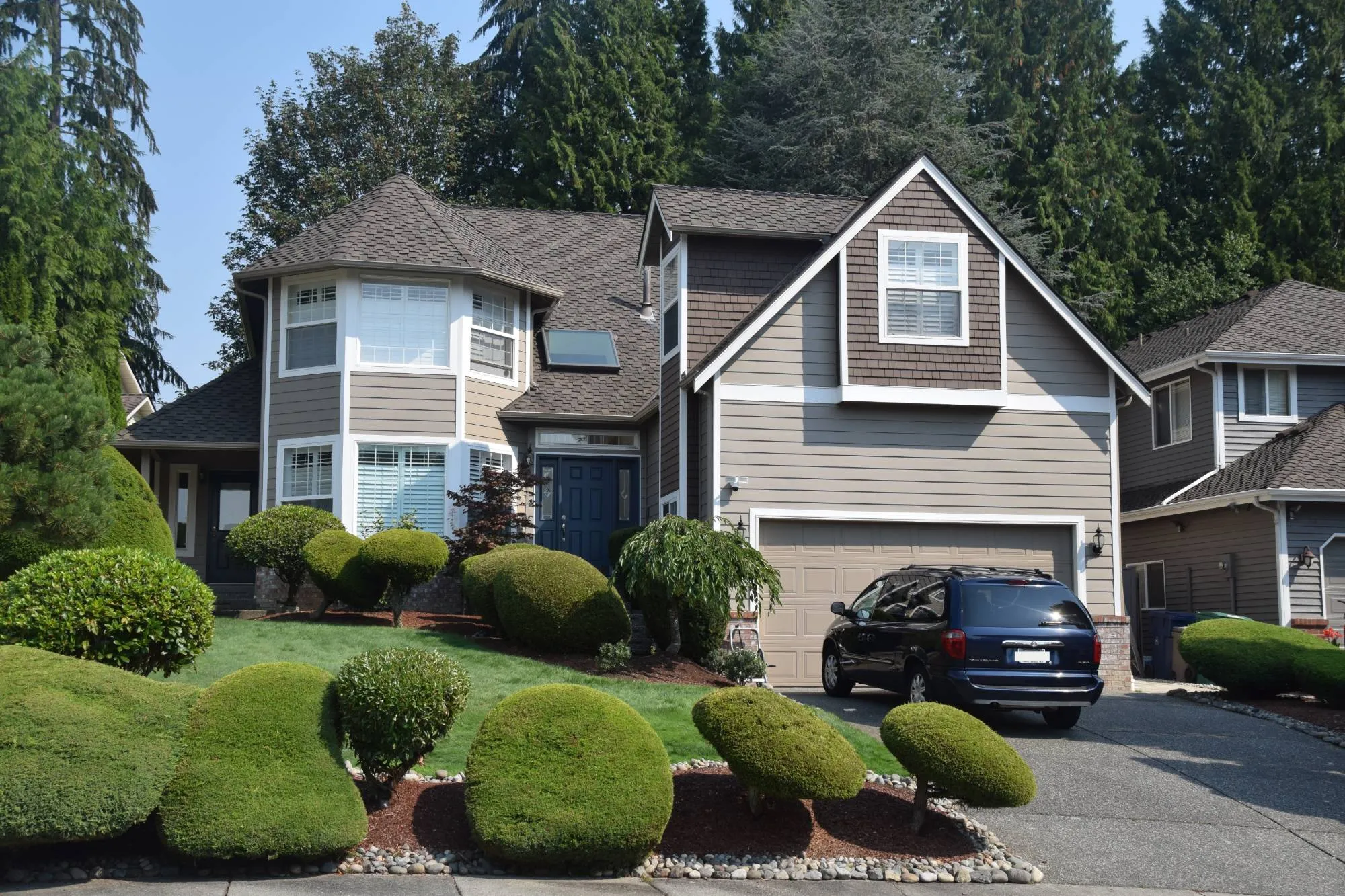
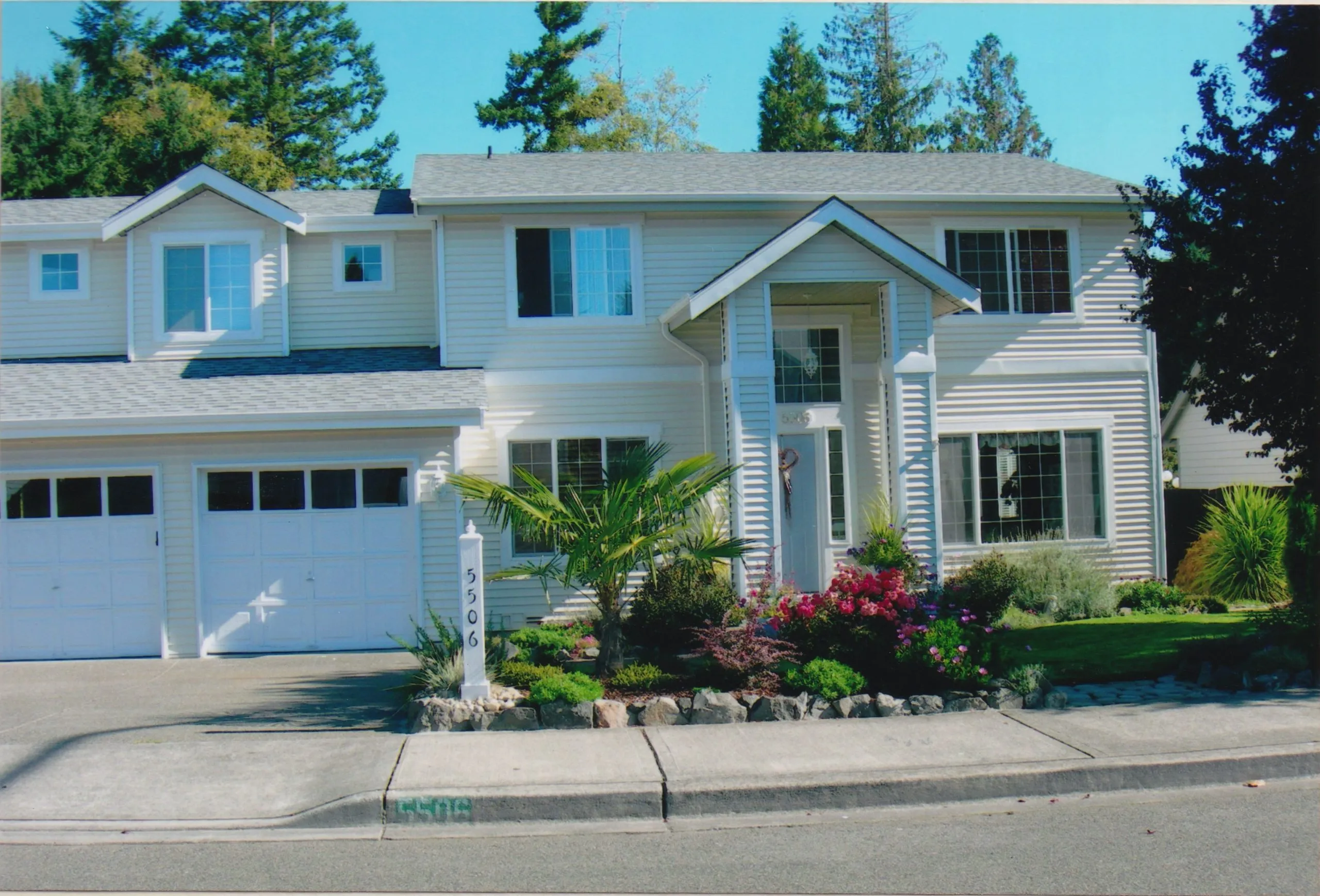
- 2000 and later: fiber cement or builder-grade vinyl now reaching its first repaint or replacement.
Of Selah’s 3,489 housing units, 68% are detached houses, 10% are attached homes and 22% are apartments; the Census counts no mobile homes. Most residing work here is on single-family houses. About 59% of homes are owner-occupied, so a good share of owners plan to stay and are weighing long-term exterior investments.
Choosing siding for Selah’s conditions
We usually recommend vinyl, the Evergreen Shield Siding System and metal, with stacked stone or stone veneer as an accent. They aren’t the only siding products out there, and the right fit for your house gets settled during the free in-home consultation. Here is how each lines up with Selah’s data.
Fire exposure favors the Evergreen Shield Siding System or metal
At the 88th percentile for wildfire risk, Selah falls in the range where we steer homeowners toward fire-resistant cladding. The Evergreen Shield Siding System is an insulated composite siding with a Class A fire rating, the top fire-resistance class for construction materials. Metal siding is the other cladding we suggest when embers are a concern.
Home values favor premium materials
Selah’s median home value is about $415,000, which Census figures place 39% above the Yakima County median. In our experience, owners of homes in that range more often choose the Evergreen Shield Siding System or metal for a full residing.
Vinyl for budget-driven projects and big walls
Vinyl is the least expensive siding we install and the most versatile. When the budget sets the scope, or the house has a lot of wall area to cover, vinyl lets you replace every wall rather than patching the worst ones. It is a practical choice for a first full residing on many Selah houses.
Stone veneer at entries and the base course
Stacked stone and stone veneer are accents, not whole-house siding. We pair them with one of the three sidings on wainscots, entry walls, columns and chimneys. Because stone doesn’t burn, a stone wainscot along the bottom of the wall is a sensible detail where wildfire risk runs as high as it does here.
Evergreen Shield Siding System in Selah
Two of the system’s features line up with Selah homes.
The first is heating. Six in ten Selah homes (60%, per Census data) heat with electricity, and Pacific Power is the local electric utility. Evergreen Shield Siding System panels carry an insulating graphite membrane rated R-2.0, against R-0.61 for standard vinyl siding. That gap counts for more when most of the houses on your street run on electric heat.
The second is sun. Selah’s high UV is hard on colored exterior surfaces. The system comes in 20 built-in fade-resistant colors that resist chipping, peeling and fading, and the panels never need repainting.
See the full details on the Evergreen Shield Siding System page.
Signs your siding needs replacing
Selah’s mix of 1980s and 1990s houses and its hot-summer, cold-winter climate produce a few recognizable failures:
- Swollen or soft hardboard. Hardboard and LP siding from that period has a known history of moisture failure. Look for swelling, flaking or soft spots along the bottom edges of the boards.
- Faded or chalky faces. Years of high UV bake the color out of older siding, most visibly on the sunniest walls.
- Cracks and open gaps. Freeze-thaw cycles through cold winters open cracks and joints, and wind works loose laps and failed fasteners until panels rattle or lift.
- Openings that let pests in. Pest problems often trace back to broken or rotten siding. Removing the pests without fixing the siding only leaves the way in open.
Get a free siding consultation in Selah
Schedule a free in-home consultation or call toll free at 888-980-8580. We’ll look at your walls, talk through vinyl, the Evergreen Shield Siding System, metal and stone accents, and recommend what fits. Ask about our lifetime warranty, financing, and discounts for seniors, active military, veterans and first responders. For roofing, windows and decks, see our Selah home exterior services.
Selah siding FAQ
Is vinyl siding a good fit for a Selah home?
Yes, especially when budget leads the decision or the house has a lot of wall to cover. Vinyl is the least expensive siding we install and the most versatile. Selah's median home value of about $415,000 sits 39% above the Yakima County median, so many owners here also weigh the Evergreen Shield Siding System or metal. We compare all three on your house during the free in-home consultation.
My Selah house heats with electricity. Is insulated siding worth it?
It deserves a close look. About 60% of Selah homes heat with electricity, and where heating is costly, insulated siding pays back more. The Evergreen Shield Siding System includes an insulating graphite membrane rated R-2.0, compared with R-0.61 for standard vinyl siding. We don't quote savings figures; instead we look at your walls and heating setup during the free in-home consultation and explain the options.
Does older siding in Selah need testing before it comes off?
Some of it does. Census data shows 23% of Selah homes were built between 1950 and 1979, when asbestos-cement shingles were in use; that siding may contain asbestos and should be tested before removal. Another 16% were built before 1950, and original wood lap siding on those houses may carry lead paint. Tell us your home's age when you schedule so removal can be planned around it.