Everett, WA
Deck Building in Everett, WA
Snohomish County assessor records put the median plat recording year for Everett homes at 1934, and Census data shows 20% of the city’s homes were built before 1950. Many decks here are added to houses that were never designed with one, on yards laid out generations ago. A deck builder Everett WA homeowners can rely on has to plan the structure, the boards and the connection to the house as one job. That is how we approach deck building in Everett, whether the house dates from the 1920s or the 2000s.
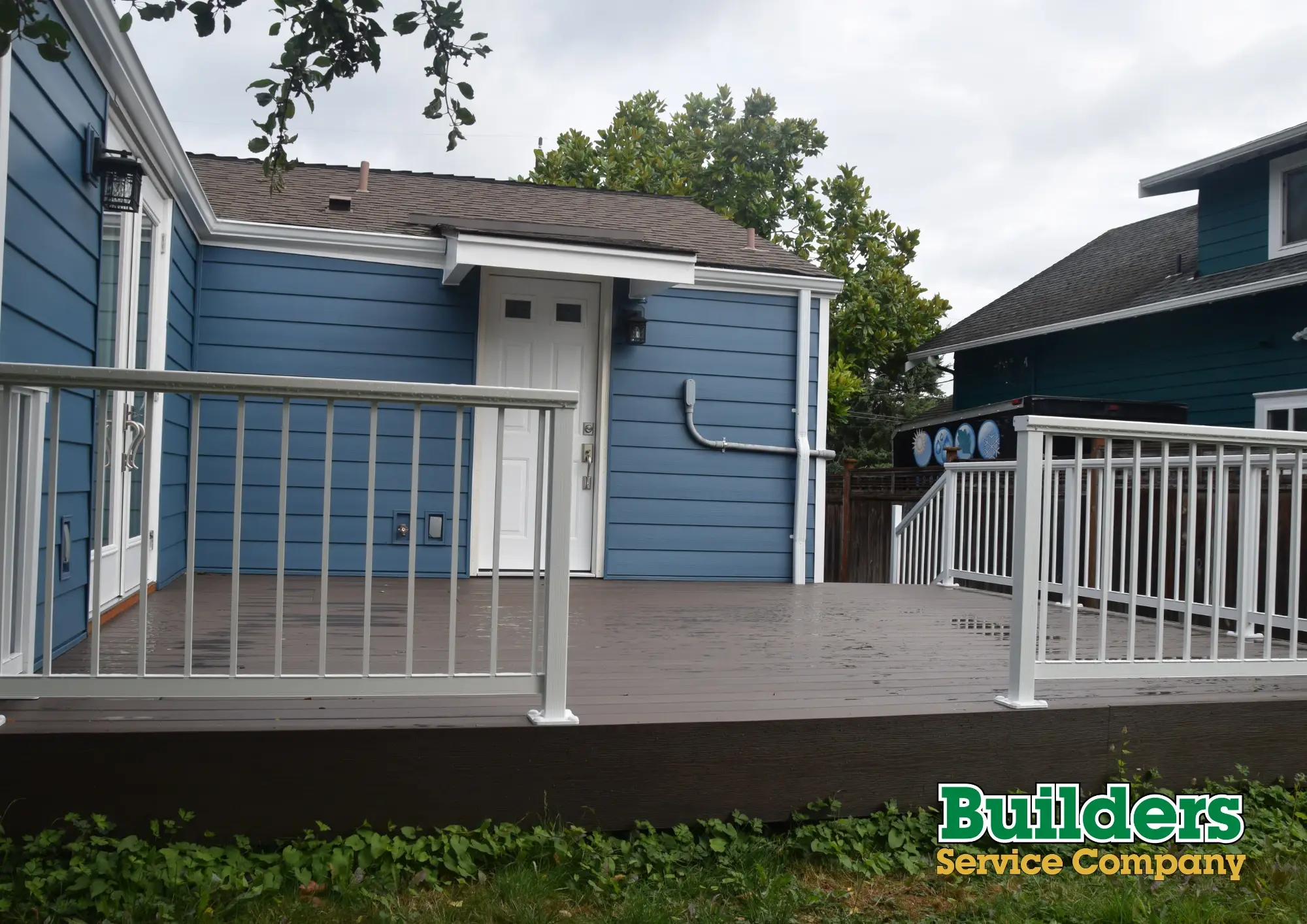
Decks on Everett homes
Everett’s housing covers more than a century of building. Census data puts the median year built at 1981, with 31% of homes built from 1980 to 1999 and 21% since 2000. The oldest neighborhoods run far earlier. Assessor records give Pinehurst a median build year of 1909, Maple Heights 1921 and Laurel Heights 1923, while Valley View centers on 1968.
Detached houses make up 44% of Everett’s homes, and attached homes another 17%. With a median lot of 0.17 acres, a new deck usually shares the backyard with lawn, beds and walkways, so its size and shape are worked out during design rather than built to fill the space.
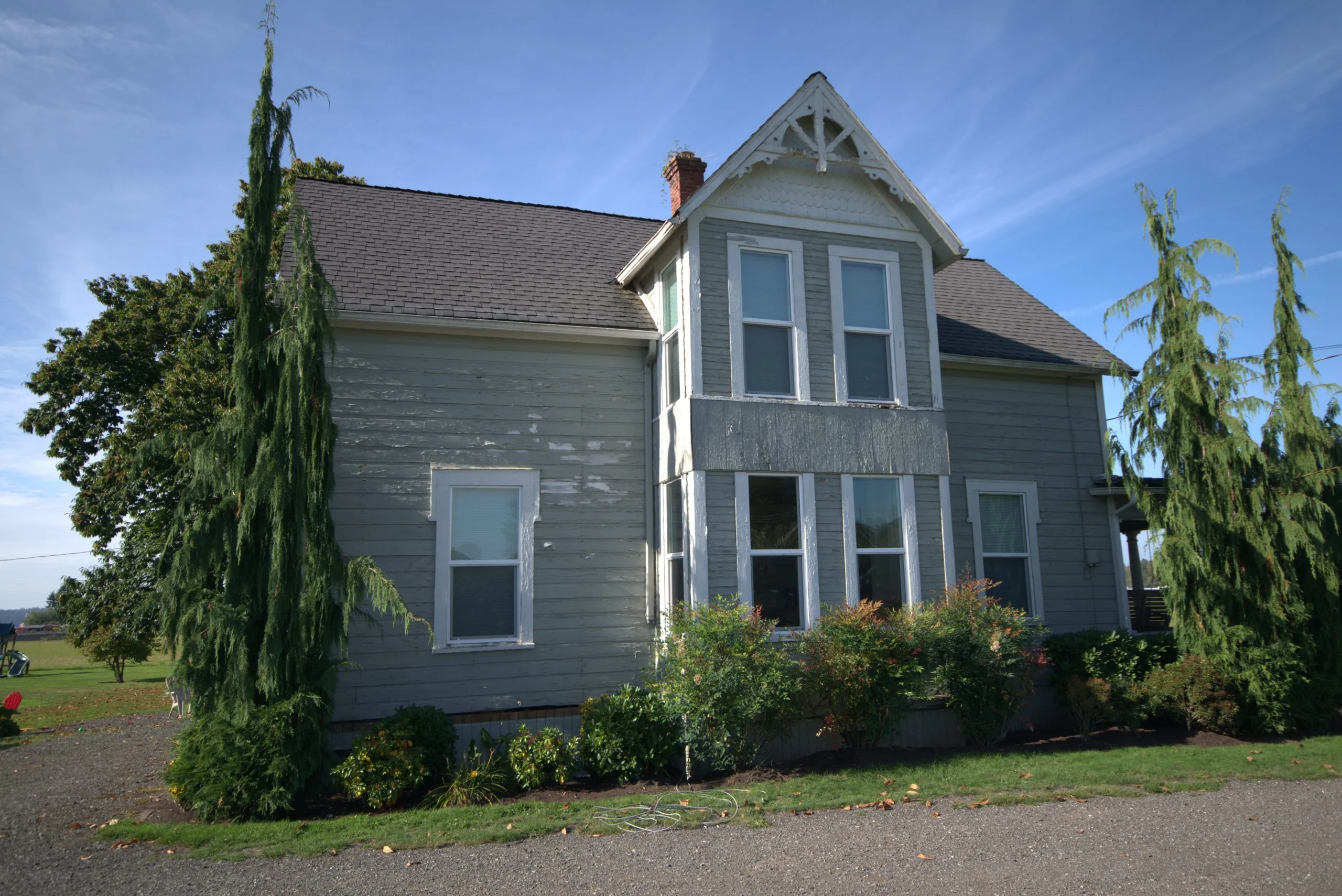
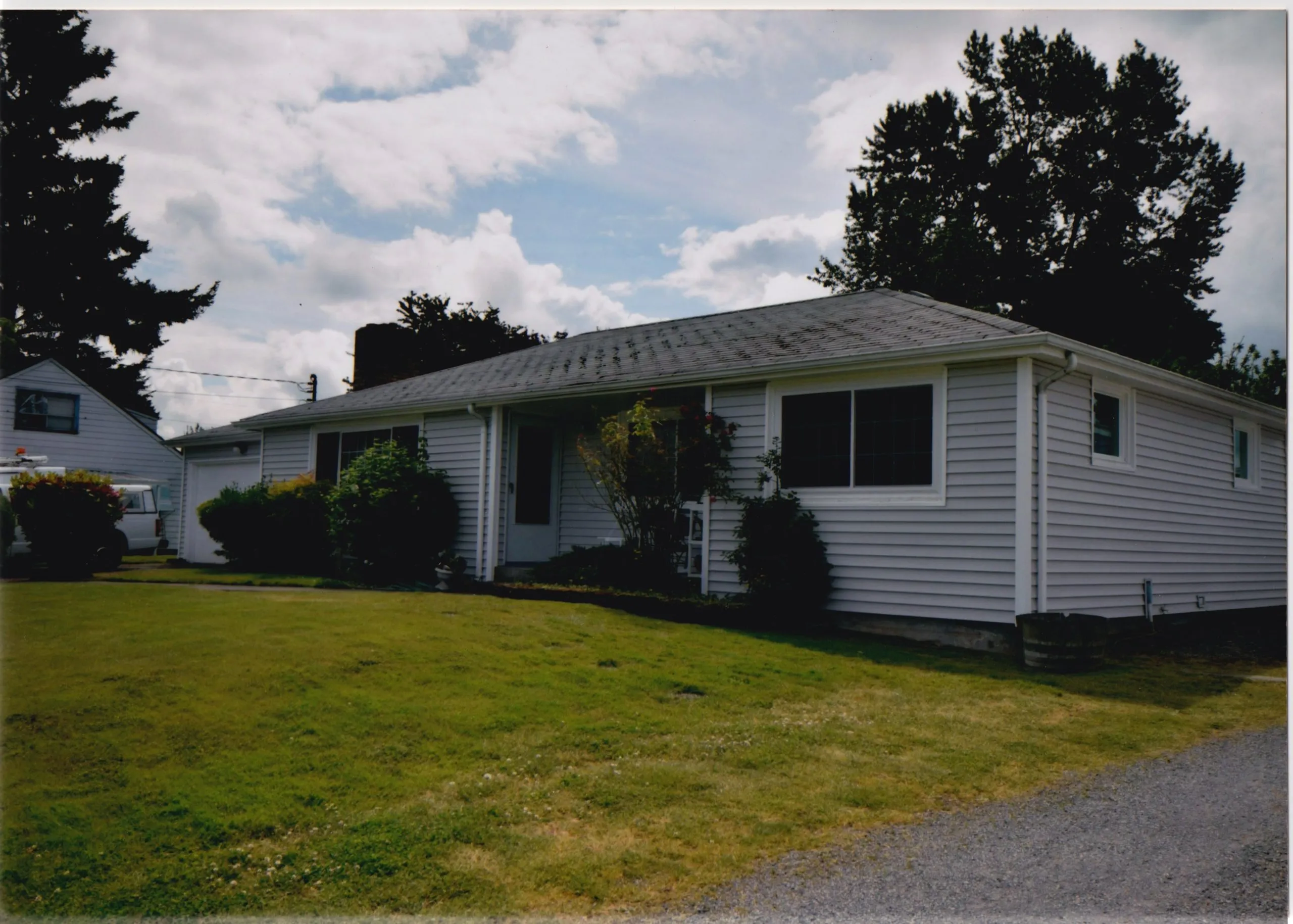
The age of the house matters as much as the yard. On homes built before 1950, the siding is likely original wood lap, and the wall where a deck attaches deserves a close look. Homes from the 1980s and 1990s often have hardboard or LP siding, which has a known history of moisture failure, so we check that wall as well before attaching a deck to it.
Building a deck for Everett’s weather
Everett sits in the Puget Sound urban climate: moderate rain, with moss and rot showing up on north faces. Our recommendations follow from that.
- Use composite or vinyl where boards stay damp. A deck on the north side of the house, or under trees, dries slowly between rains. Composite and vinyl decking do not rot and need no staining, so shade and moss are less of a threat to the surface.
- Plan drainage and footing from the start. Water should run off and away, not sit on the boards or pool against the house. We choose board surfaces with slip resistance in mind, because a wet, mossy deck is a fall risk for most of the year.
- Choose wood with a maintenance plan. Wood decking suits homeowners who want a natural look or a lower starting cost. In this climate it needs regular sealing, and we explain that schedule before you choose it.
- Build for marine wind. Homes on north- and west-facing slopes catch marine wind. On those lots we pay extra attention to how railing posts are anchored and select hardware suited to the exposure, so the railing stays tight season after season.
We go over material samples and the layout with you during the consultation, then handle construction and a final inspection of the finished deck.
Signs your deck needs replacing
Moss and rot start where a deck stays wet the longest. Check the boards on the north side and under any overhanging trees: if they feel soft underfoot, or a screwdriver sinks into the wood, the decay may have reached the framing below. Moss that grows back within weeks of cleaning tells you the surface never dries out.
Look at the railings next. Posts that wobble or have pulled away from the rim joist are a safety issue, not a cosmetic one.
Finally, check where the deck meets the house. Dark stains, soft siding or peeling paint along that line can mean water has been getting behind the siding for years. On a wood deck, needing to reseal more and more often is another sign the boards are near the end of their life.
Get a free deck consultation in Everett
Schedule a free in-home consultation through our contact page or call 206-430-1927. We will look at your yard, the house wall and the exposure, then walk you through wood, composite and vinyl options. Financing is available, along with discounts for seniors, active military, veterans and first responders. You can also explore our Everett home exterior services.
Everett deck building FAQ
Can you add a deck to an older Everett home, like one in Laurel Heights or Pinehurst?
Yes. Many of the homes we see in Everett's older neighborhoods were built long before backyard decks were common: assessor records give Pinehurst a median build year of 1909 and Laurel Heights 1923. On houses that age, the siding is likely original wood lap, so we look closely at the wall where the deck will attach and plan the connection and flashing before anything is built.
Which decking material makes sense for a shaded Everett backyard?
Composite or vinyl decking is usually the better fit for shade. Neither material rots or needs staining, and boards that sit in shade stay damp longer after each rain. On a lot around the city's 0.17-acre median, trees, fences and neighboring houses often keep part of the deck out of the sun, so we look at where shade falls before recommending a material.
Is wood decking still a reasonable choice in Everett?
Wood is a reasonable choice if you want a natural look or a lower starting cost, as long as you plan for upkeep. A wood deck needs regular sealing to keep water out of the boards. We build with wood, composite and vinyl decking, and we compare all three for your yard during the free in-home consultation.
Does wildfire risk affect decking choices in Everett?
Wildfire is a smaller factor here than in much of Washington. The U.S. Forest Service rates Everett's wildfire risk as Low, at the 44th percentile among Washington communities. For most Everett decks, moisture and wind exposure shape the material and hardware choices more than fire does, so that is where we focus during design.