Port Townsend, WA
Siding Replacement in Port Townsend, WA
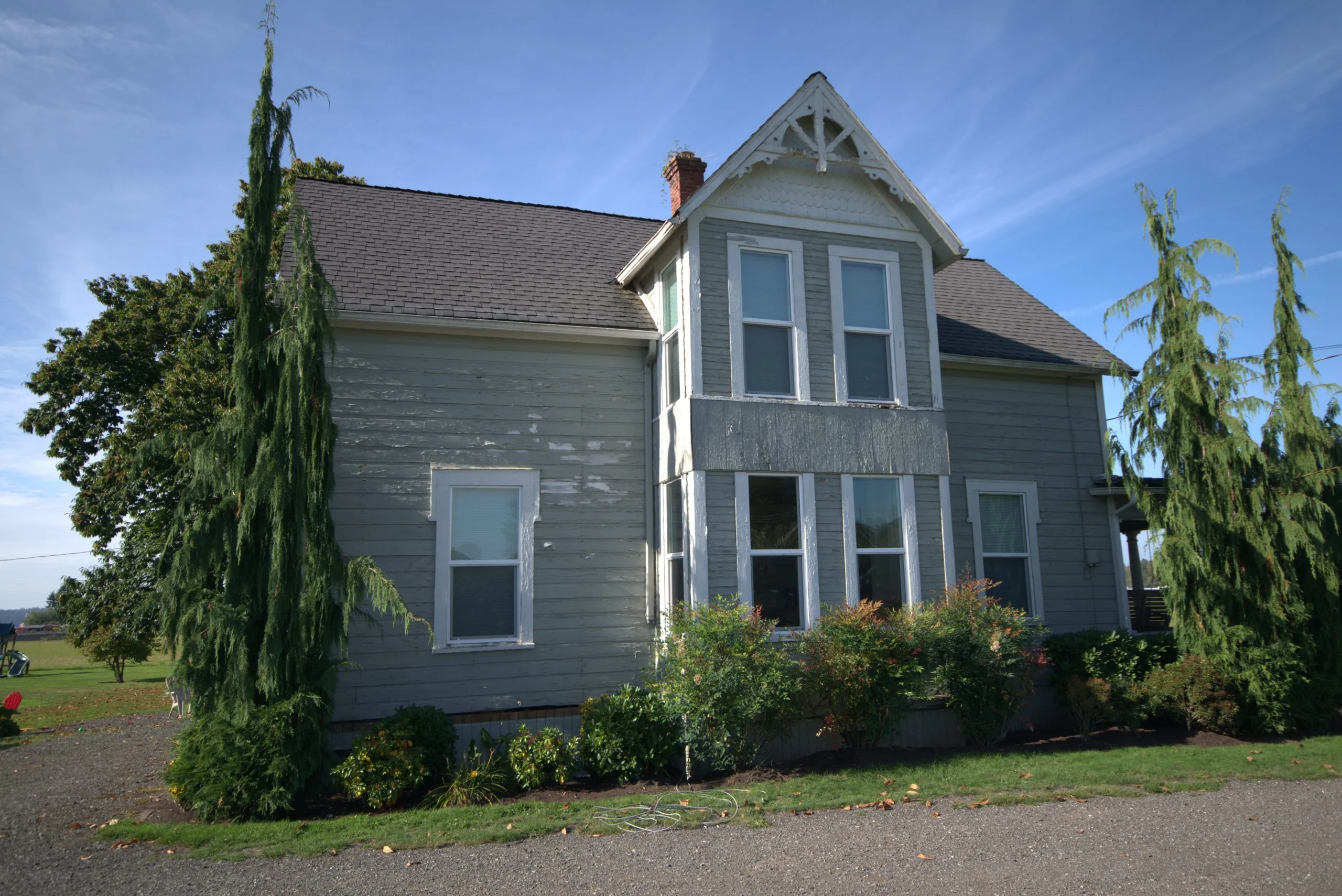
Port Townsend’s dominant building era is before 1950. Census data places 27% of the city’s homes in that period, and houses that old most likely still wear their original wood lap siding. That changes how a Port Townsend siding project is planned. Old boards have to come off a house that has been painted and patched for decades, and the new cladding has to suit a home with real age. The sections below cover what is on local houses now, which replacement siding fits, and when it is time to replace.
What’s on Port Townsend homes now
Port Townsend’s housing is spread almost evenly across four building eras, so one street can show three or four kinds of siding. Census data for the city’s 6,225 housing units breaks down this way:
- Before 1950 (27%): most likely original wood lap siding, with single-pane or early windows.
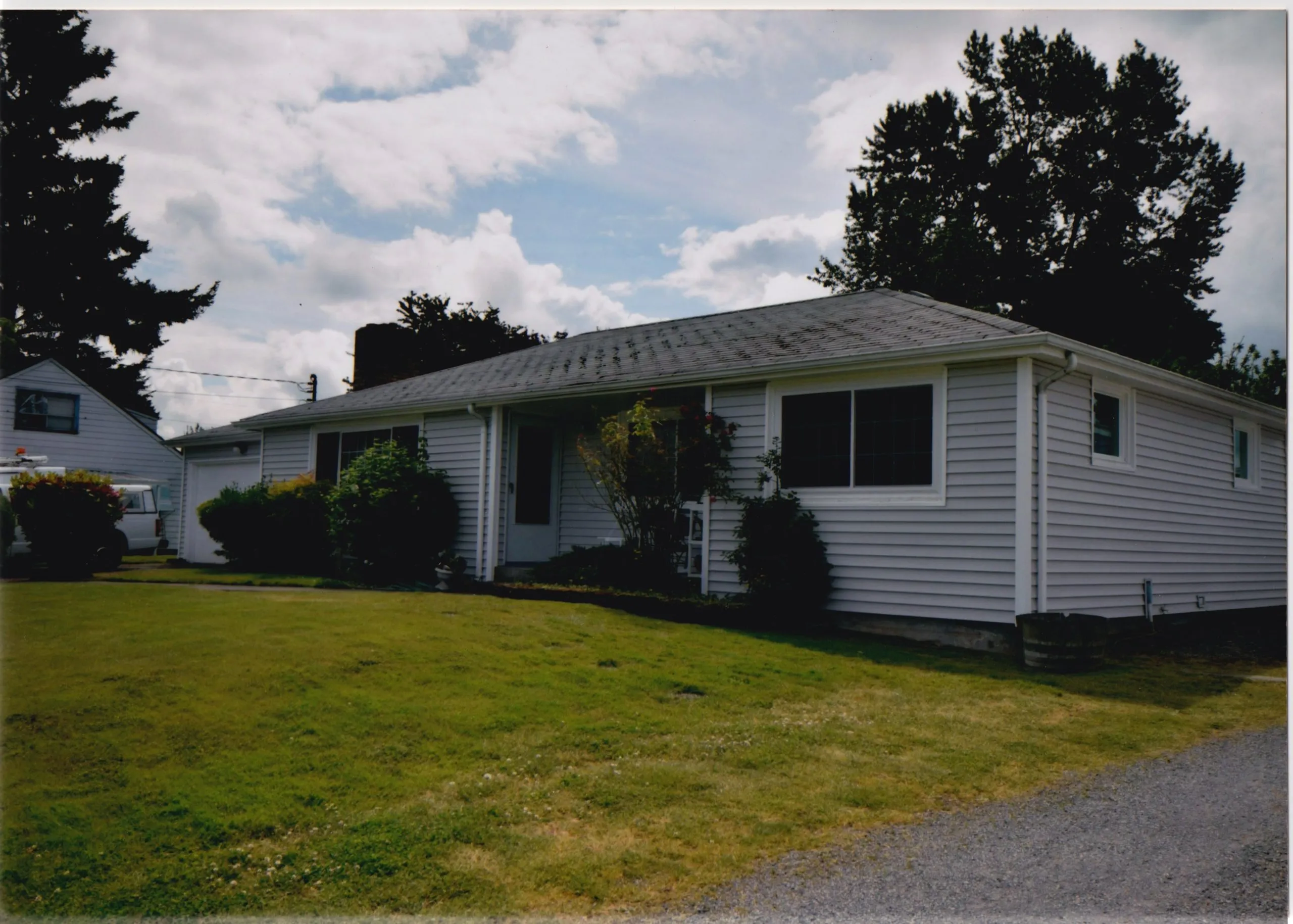
- 1950 to 1979 (22%): cedar, T1-11 plywood panels or asbestos-cement shingles. Shingles from this era may contain asbestos and should be tested before removal.
- 1980 to 1999 (24%): composite and hardboard siding, including LP siding, a product with a known history of moisture failure.
- 2000 and later (27%): fiber cement or builder-grade vinyl now reaching its first repaint or replacement.
The median year built is 1981, right at the line between the two newer groups.
Detached houses make up 75% of the city’s homes, so the typical job here is a full reside on a single-family house. Attached homes account for 8% and mobile homes for 5%. Owner-occupancy runs at 68%, and a share that high means many long-term owners who invest in their exteriors instead of patching them year after year.
Choosing siding for Port Townsend’s conditions
Port Townsend sits in the rain-shadow region, and it gets less rain than much of western Washington. For siding, the bigger exposure is marine wind and salt air coming off the water. Our recommendations start there and draw on a few other local facts:
- Near salt air, choose vinyl or the Evergreen Shield Siding System. Both suit coastal exposure. The Evergreen Shield Siding System uses composite panels built for water resistance against humidity, mold and mildew. Whatever goes on the wall, we fasten it with corrosion-resistant fasteners and flashing and use finishes rated for marine exposure.
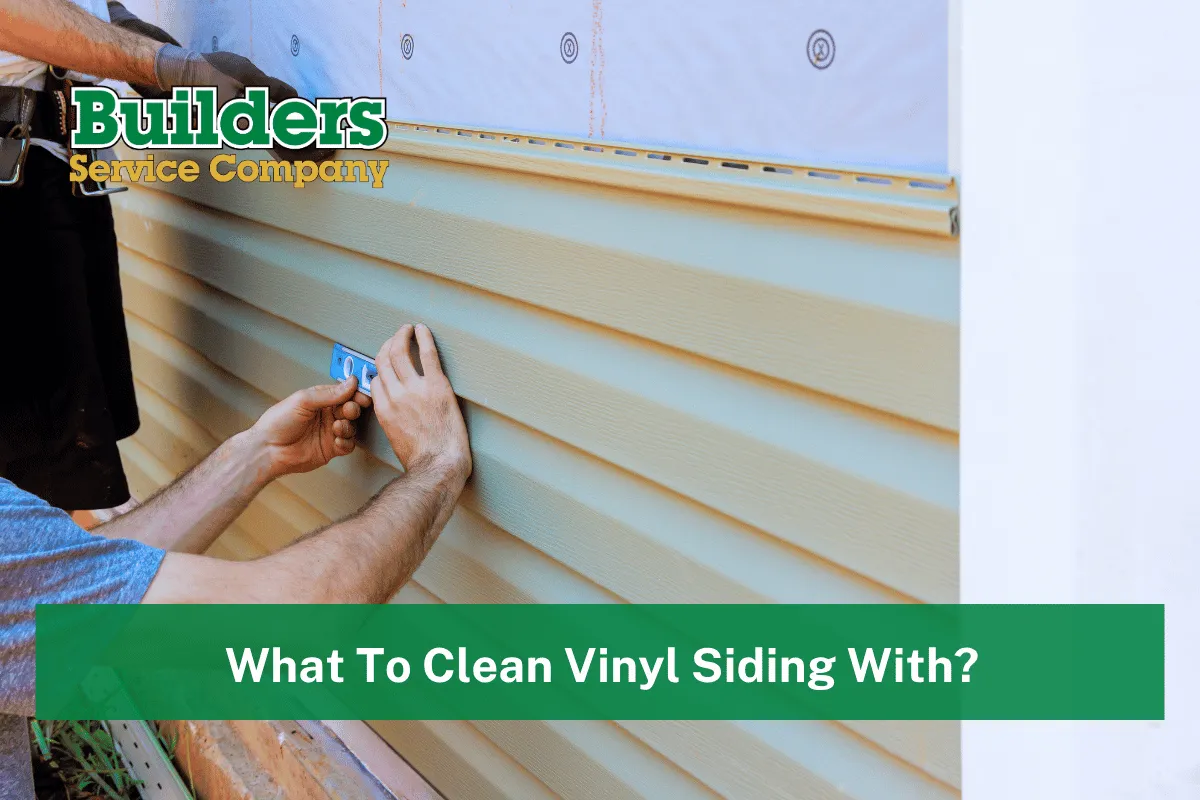
- For a big wall area or a tighter budget, choose vinyl. With three out of four homes detached, most projects wrap all four sides of a house. Vinyl is the most versatile and least expensive of the types we usually recommend.
- Match the material to your home’s value. Port Townsend’s median home value of about $545,000 equals the Jefferson County median. Owners of higher-value homes often pick the Evergreen Shield Siding System or metal; vinyl is the durable, cost-effective route for many others.
- Fire rating is not the deciding factor here. Wildfire risk for Port Townsend is rated Low, at the 48th percentile statewide. Metal siding is still a durable premium option, though on homes with direct salt-air exposure we usually point to vinyl or the Evergreen Shield Siding System first.
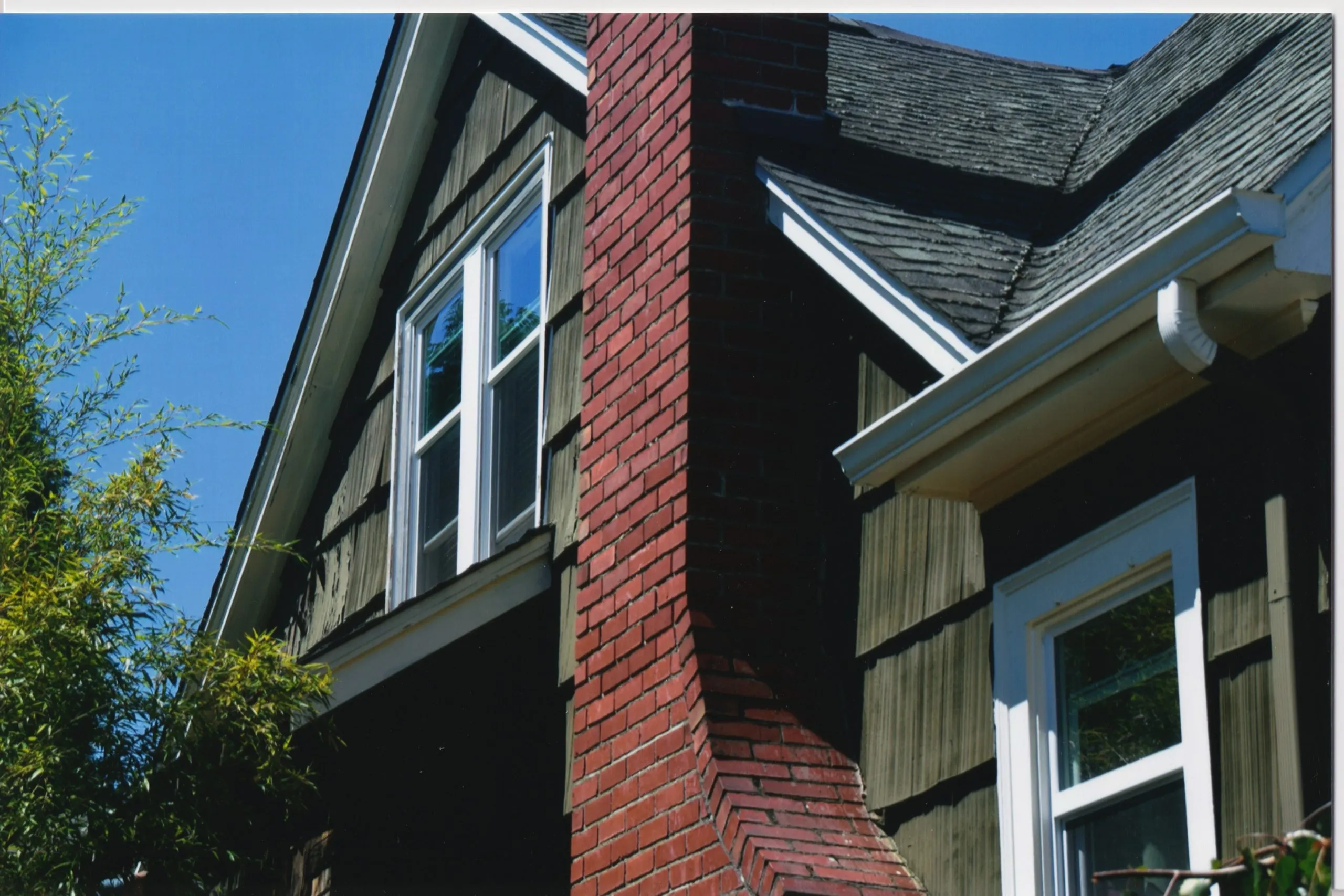
Stacked stone or stone veneer can dress an entry, wrap columns or a chimney, or form a wainscot base course under the siding. It is an accent, not whole-house cladding.
Unlike the wood lap and cedar on older houses here, none of these three siding types is wood, so there are no boards left to rot. They are the types we usually recommend, and the right one for your house is decided during the free in-home consultation.
Evergreen Shield Siding System in Port Townsend
Census data shows 77% of Port Townsend homes heat with electricity, 11% with propane and 2% with oil. Those are the costly ways to heat a house, and that is where insulated siding pays back the most. The Evergreen Shield Siding System is our exclusive insulated composite siding, designed for the Pacific Northwest climate. An insulating graphite membrane gives the panels R-2.0 thermal resistance; standard vinyl siding rates R-0.61.
The second fit is upkeep. The system comes in 20 built-in, fade-resistant colors that resist chipping, peeling and fading, so the walls never need repainting. If you are moving off painted wood lap siding, that ends the cycle of scraping and repainting.
Signs your siding needs replacing
What to look for depends on when your house was built.
- Wood lap siding from before 1950: paint that no longer holds, split or cupped boards, and soft wood along the bottom courses and around windows. Old paint may contain lead, so have it tested before any sanding or removal.
- Hardboard or LP siding from the 1980s and 1990s: swelling, flaking or soft edges, especially along the bottom of panels and at the drip edge, where this material’s moisture problems tend to show first.
- Siding from 2000 on: fiber cement coming due for its first repaint, or builder-grade vinyl that has cracked, warped or worked loose.
- On any house: loose or missing pieces after marine wind, mold or moisture buildup on the walls, and heating costs that keep rising.
Get a free siding consultation in Port Townsend
Schedule a free in-home consultation by calling 206-430-1927 or through our contact page. We’ll look at your walls, go over the siding options and answer questions about financing. Our siding work carries a lifetime warranty, and we offer discounts for seniors, active military, veterans and first responders. See all of our Port Townsend home exterior services.
Port Townsend siding FAQ
Which siding holds up to salt air in Port Townsend?
Vinyl siding and the Evergreen Shield Siding System are the two we usually recommend for homes exposed to salt air. Port Townsend gets less rain than much of western Washington, but marine wind and salt air still reach exterior walls. Whichever you choose, we install it with corrosion-resistant fasteners and flashing and finishes rated for marine exposure. Metal siding is also offered, and we help you decide during the free in-home consultation.
Do historic district rules affect a siding project in Port Townsend?
They can. Historic district rules are one of the local factors that set Port Townsend apart, so if your home is in the historic district, check with the City of Port Townsend about what applies before you settle on a new exterior. We can talk through how vinyl, the Evergreen Shield Siding System or metal siding would suit your house during the free in-home consultation.
What should I expect when removing siding from an older Port Townsend home?
On a house built before 1950, expect original wood lap siding under old paint that may contain lead. Homes from 1950 to 1979 may have asbestos-cement shingles instead, which may contain asbestos and should be tested before removal. Once the old cladding is off, vinyl, the Evergreen Shield Siding System or metal siding goes on in its place. We go over your home's era and condition during the free in-home consultation.
Is insulated siding worth it if my Port Townsend home heats with electricity?
It can be, because electric heat is one of the costly kinds, and insulated siding pays back more where heating costs more. Census data shows 77% of homes here heat with electricity, which comes from Jefferson County PUD. The Evergreen Shield Siding System has R-2.0 thermal resistance, compared with R-0.61 for standard vinyl siding. We don't put a dollar figure on savings, but we can explain the difference at your consultation.