Kirkland, WA
Siding Replacement in Kirkland, WA
Half of Kirkland’s single-family homes were built between 1950 and 1979, and King County assessor records put the median build year at 1978. Houses from that era likely still carry cedar, T1-11 plywood or asbestos-cement shingle siding, and each of those needs a different plan when it comes off. If you are pricing vinyl siding in Kirkland, start with the age of your house. It tells you what is on the walls now, what to test before removal, and which of the siding types we install will suit it.
What’s on Kirkland homes now
Assessor records cover 21,608 single-family homes in Kirkland, and each building era tends to come with its own siding:
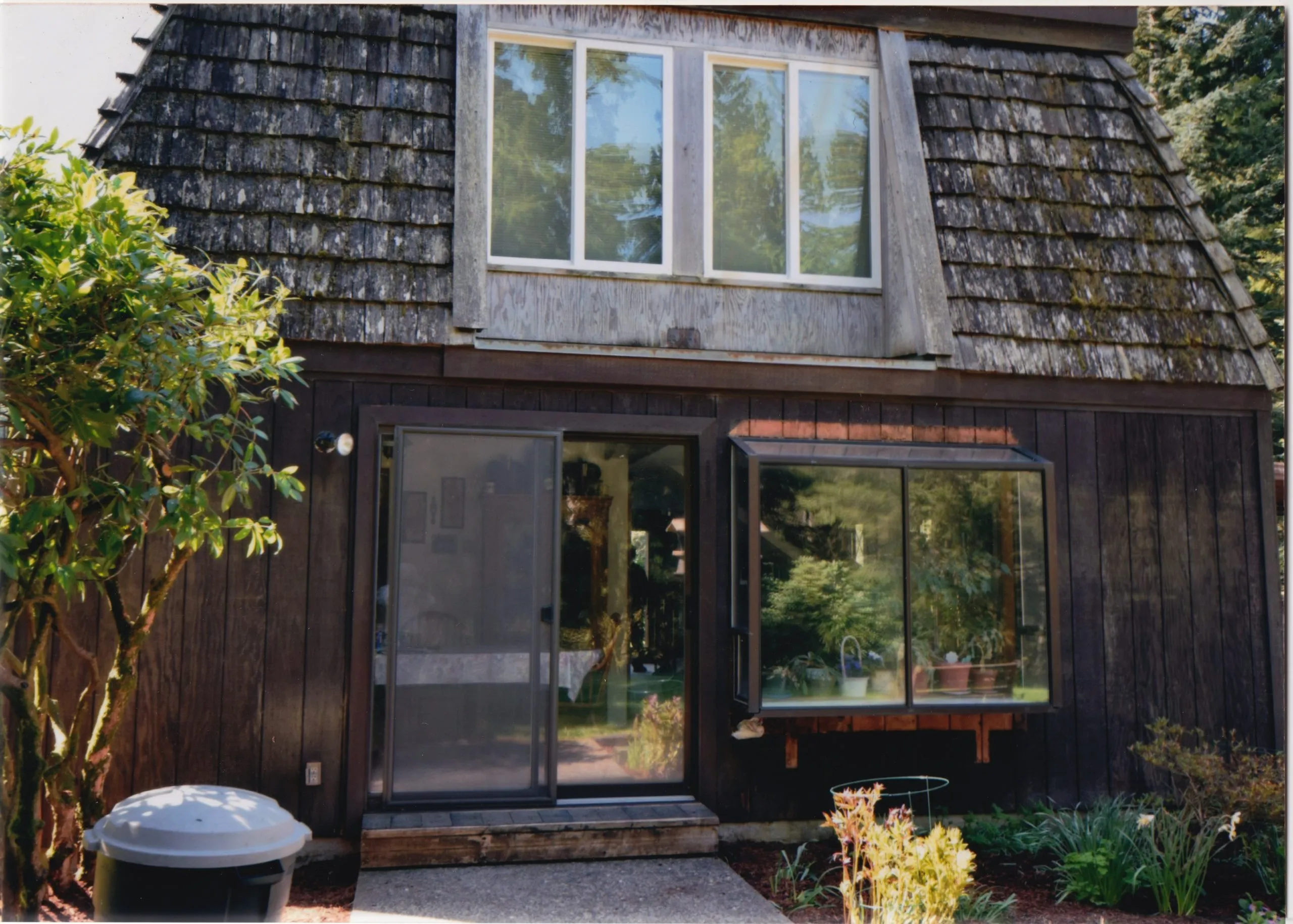
- 1950–79: likely cedar, T1-11 plywood panels or asbestos-cement shingles. Asbestos-cement shingles may contain asbestos and should be tested before removal. Kingsgate Highlands, with 230 homes and a median build year of 1972, and the Lake Park To City Of Seattle Add plat, with 332 homes at 1978, are typical of this group.
- 1980–99 (23%): the era of composite and hardboard siding, including LP siding with its known history of moisture failure. Burke-Farrars Kirkland (1,167 homes, median 1989) and Kirkland Add (676 homes, median 1996) date from these years.
- 2000 and later (23%): fiber cement or builder-grade vinyl coming due for a first repaint or replacement.
- Before 1950 (4%): likely original wood lap siding, possibly under paint that contains lead.
Census data shows 54% of Kirkland’s housing units are detached houses and 10% are attached homes such as townhouses. Assessor records rate 36% of single-family homes in good or very good condition, and only 5% have a renovation on record.
Choosing siding for Kirkland’s conditions
Kirkland gets moderate Eastside rain, so the choice here turns less on weather and more on wall size, heating and the standard of the houses around you. We usually recommend three siding types, and we settle on the right one for your home together at the free in-home consultation. Unlike the aging cedar on many mid-century Kirkland houses, none of them will rot in a wet winter.
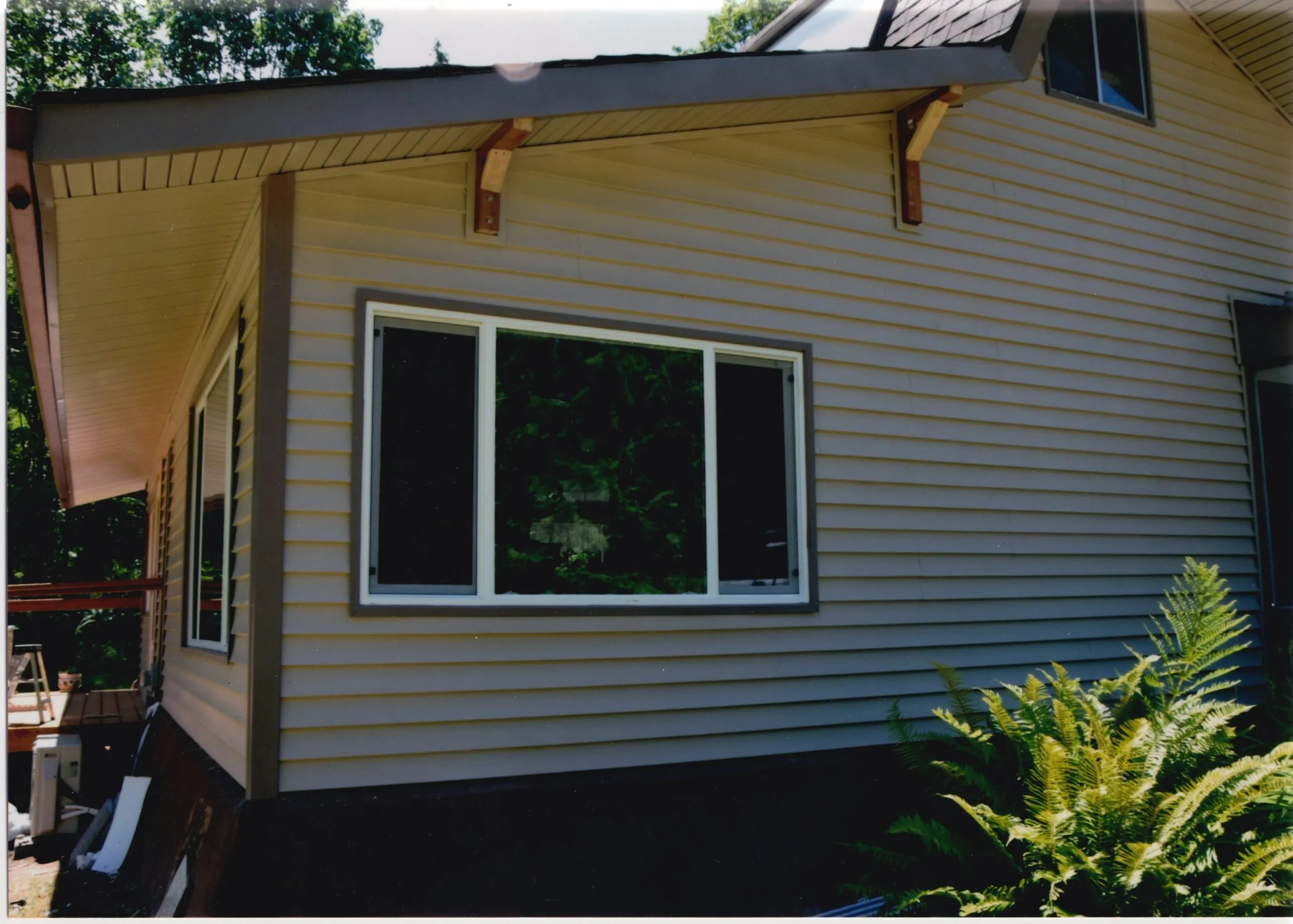
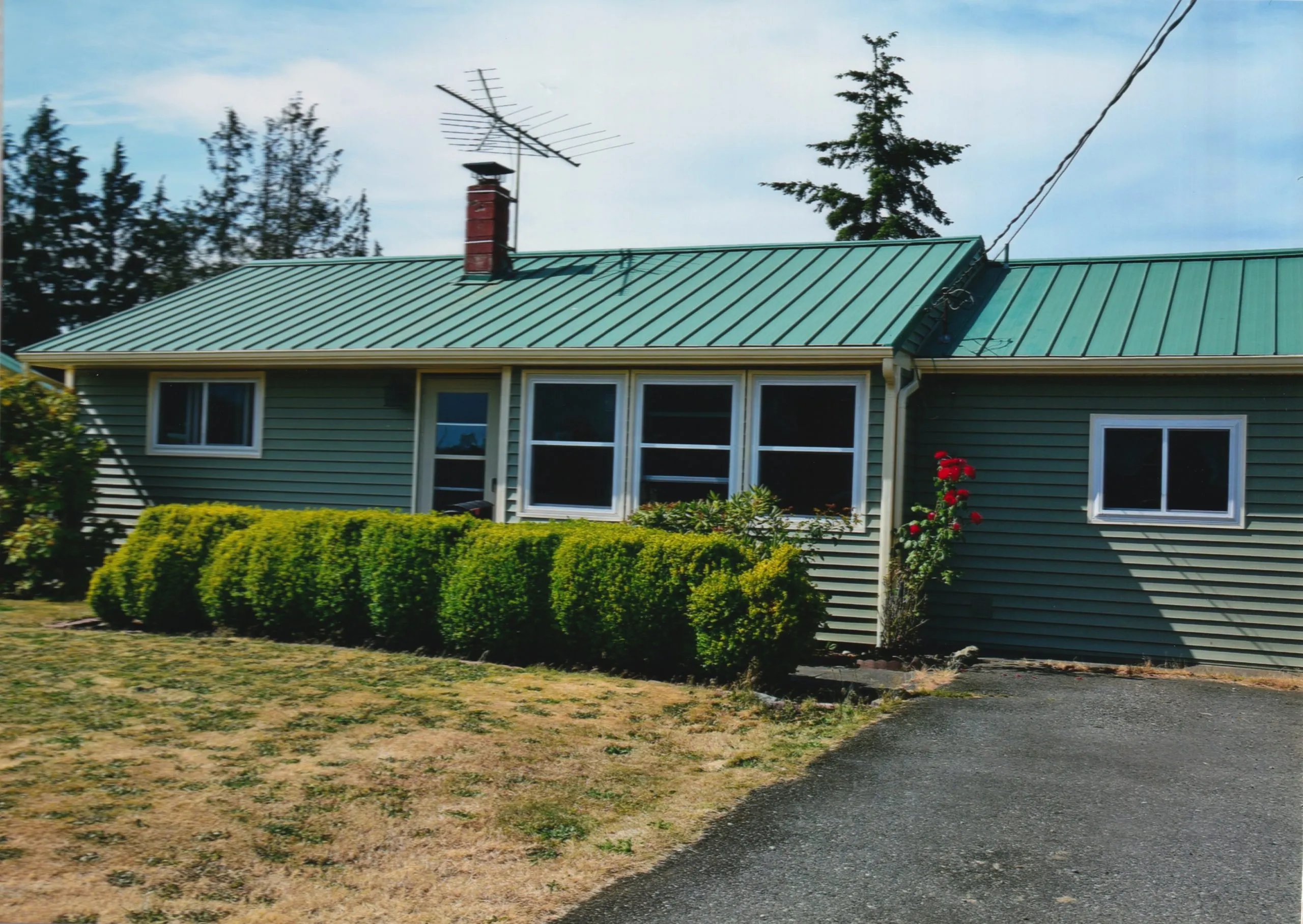
Vinyl siding for big walls and tighter budgets. Vinyl is the most versatile and least expensive of the three. The median Kirkland single-family home has 2,130 square feet of living space, and on a house that size the wall area adds up quickly. Vinyl is the lower-cost way to cover all of it.
The Evergreen Shield Siding System or metal for higher-value homes. Census data puts the median home value at about $1,115,000, and assessor records rate 28% of single-family homes at building grade 9 or above, the higher-end tier. Owners of homes in that range more often choose a premium material. The Evergreen Shield Siding System is our insulated composite option, and metal siding is the other premium choice.
Fire rating is not the deciding factor here. Kirkland’s wildfire risk is rated low, at the 40th percentile statewide, so you can weigh composite against metal on appearance and insulation rather than fire resistance.
Stone accents for entries and base courses. Stacked stone and stone veneer are not whole-house siding. They go on with any of the three, as a durable base course near the ground or around an entry, columns or a chimney.
HOA approval first. If your neighborhood has an HOA, its design review may need to approve the siding type and color. Bring the guidelines to your consultation so the options we show you already fit them.
Evergreen Shield Siding System in Kirkland
Kirkland homes split evenly on heating fuel: Census data shows 49% heat with electricity and 49% with gas. Where heat is costly, the wall itself matters. The Evergreen Shield Siding System adds an insulating graphite membrane with R-2.0 thermal resistance, compared with R-0.61 for standard vinyl siding.
The second point is color. The panels come in 20 built-in, fade-resistant colors that resist chipping, peeling and fading, so no repainting is needed. On a two-story house, that means no more ladders and scaffolding each time the paint gives out. If you are weighing it against vinyl, we can price both for your walls during the consultation.
Signs your siding needs replacing
Mid-century siding is the most common kind here, so start with the boards on a 1950s to 1970s house. Cedar that has split, cupped or gone soft along the bottom courses has been taking on water. T1-11 panels that delaminate or swell at the lower edge are past patching. Cracked asbestos-cement shingles should be tested before anyone cuts or pulls them.
On a house from the 1980s or 1990s, press the lower edge of each hardboard lap. Swelling, flaking paint or a soft core near the drip edge means moisture has reached the inside of the board.
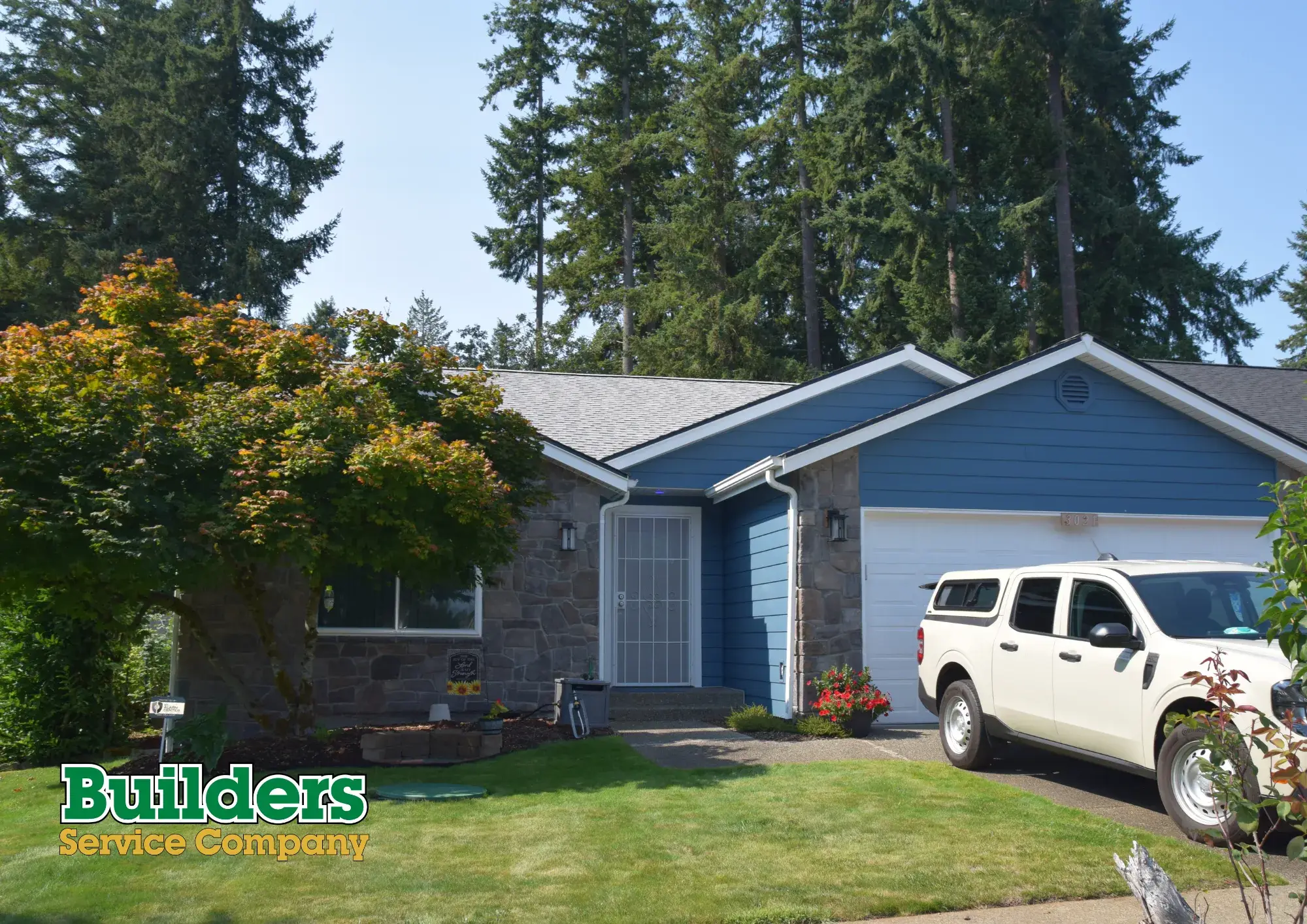
Rain here is moderate, but shaded north walls stay damp. Moss, green staining or paint that keeps peeling there points to siding that holds water. Our 2026 Kirkland siding replacement began with wood siding on an older home that had rot and weather damage in sections.
Get a free siding consultation in Kirkland
Schedule a free in-home consultation or call our Seattle office at 206-430-1927. We inspect your current siding, measure the walls and bring color samples. Ask about our lifetime warranty, financing and discounts for seniors, active military, veterans and first responders. For roofing, windows and decks as well, see our Kirkland home exterior services.
Kirkland siding FAQ
Which of the three siding types suits Kirkland's climate?
All three handle Kirkland's moderate Eastside rain, because none of them is wood. Vinyl is the most versatile and least expensive choice and suits large walls or a tighter budget. The Evergreen Shield Siding System adds R-2.0 thermal resistance, which counts for more in the 49% of local homes that Census data shows heat with electricity. Metal siding is the other premium option. We match the type to your house at the free in-home consultation.
My house was built before 1980. What should I expect when the old siding comes off?
Expect a test first if your walls have shingle siding. Homes from 1950 to 1979, such as those in Kingsgate Highlands with its median build year of 1972, often have cedar, T1-11 or asbestos-cement shingles. Asbestos-cement may contain asbestos and should be tested before removal. Once the results are in, we plan the tear-off, check what is underneath and install the siding you chose.
Does my Kirkland HOA need to approve new siding?
If your neighborhood has an HOA, check its design review rules before you order anything. HOA design review is common on the Eastside, and it can cover siding type and color. The Evergreen Shield Siding System comes in 20 built-in, fade-resistant colors, which makes it easy to submit one exact color for approval. Bring your guidelines to the free in-home consultation and we will show you options that fit them.
Is vinyl siding a good choice for a high-value Kirkland home?
It can be, especially on a large house where wall area drives the cost. Vinyl is the most versatile and least expensive of the siding types we usually recommend. Kirkland home values run 21% above the King County median, though, and owners of higher-value homes more often choose the Evergreen Shield Siding System or metal. Stacked stone or stone veneer at the entry or base can add a finished look to a vinyl exterior.
My house is from the late 1980s. Could it have LP siding?
It could. Houses from 1980 to 1999 were built in the era of composite and hardboard siding, including LP siding, which has a known history of moisture failure. Assessor records show 12% of Kirkland's single-family homes were built from 1985 to 1996, and Burke-Farrars Kirkland, with a median build year of 1989, sits in that range. Swelling or soft spots along the bottom edge of the boards are the usual sign.