Algona, WA
Siding Replacement in Algona, WA
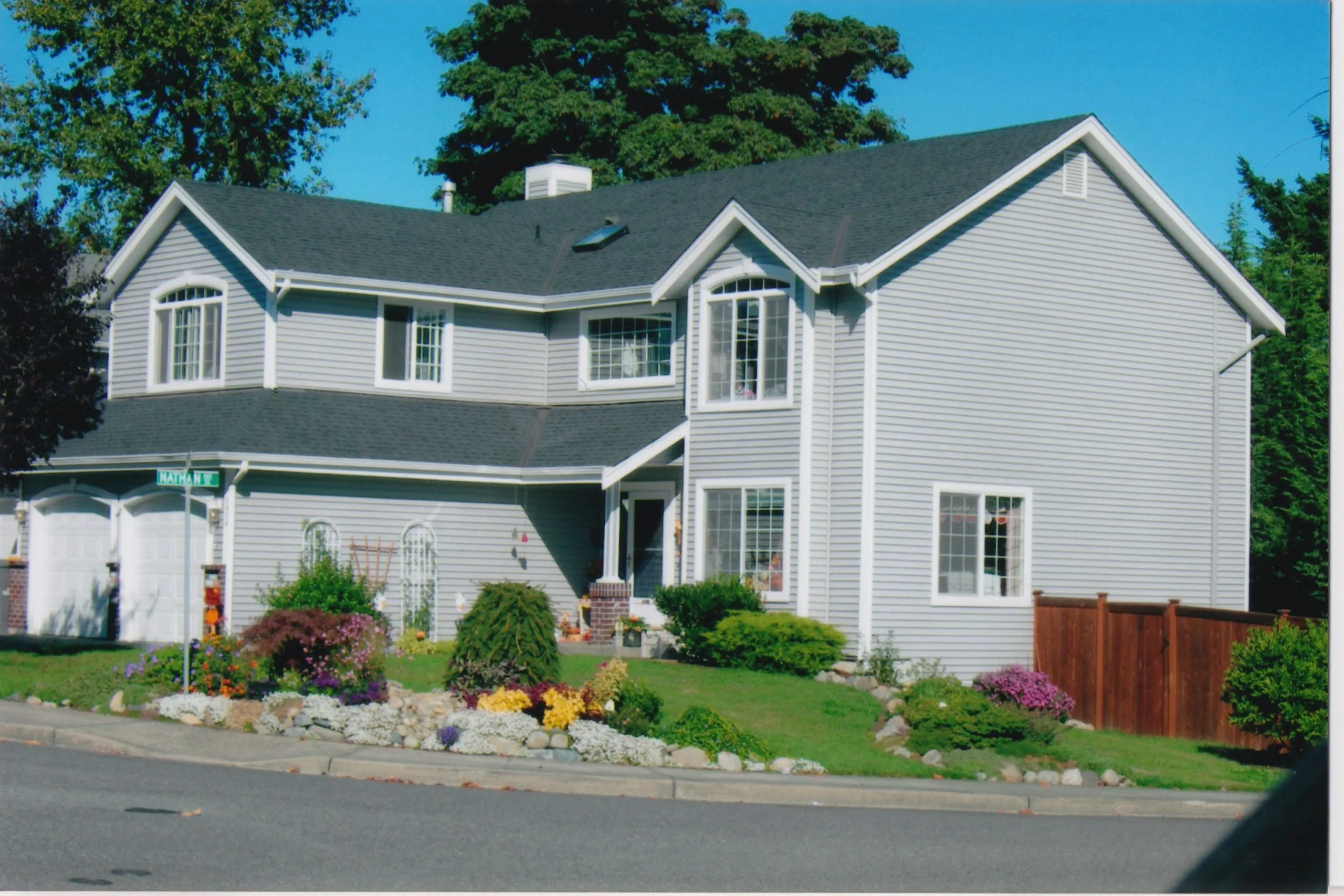
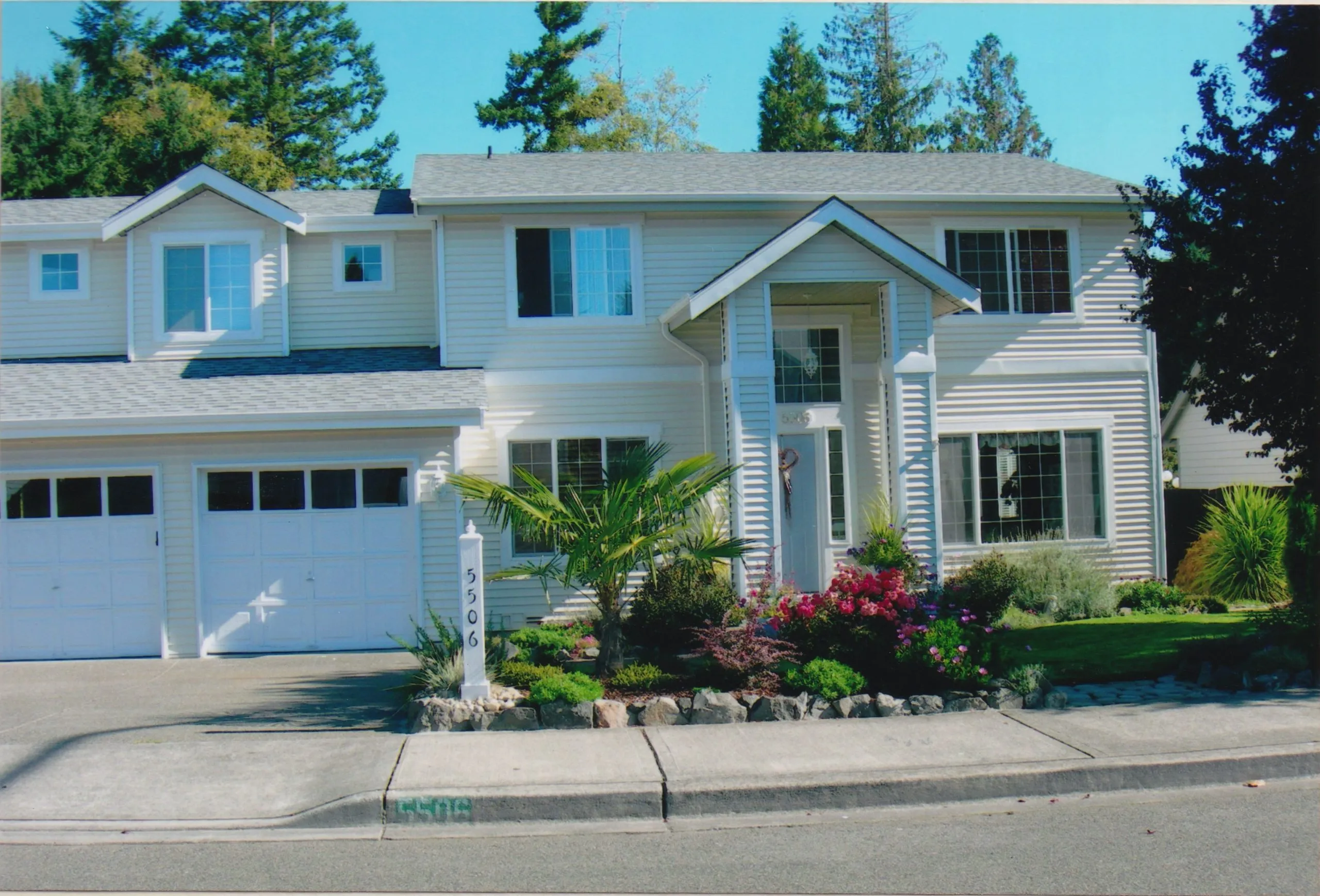
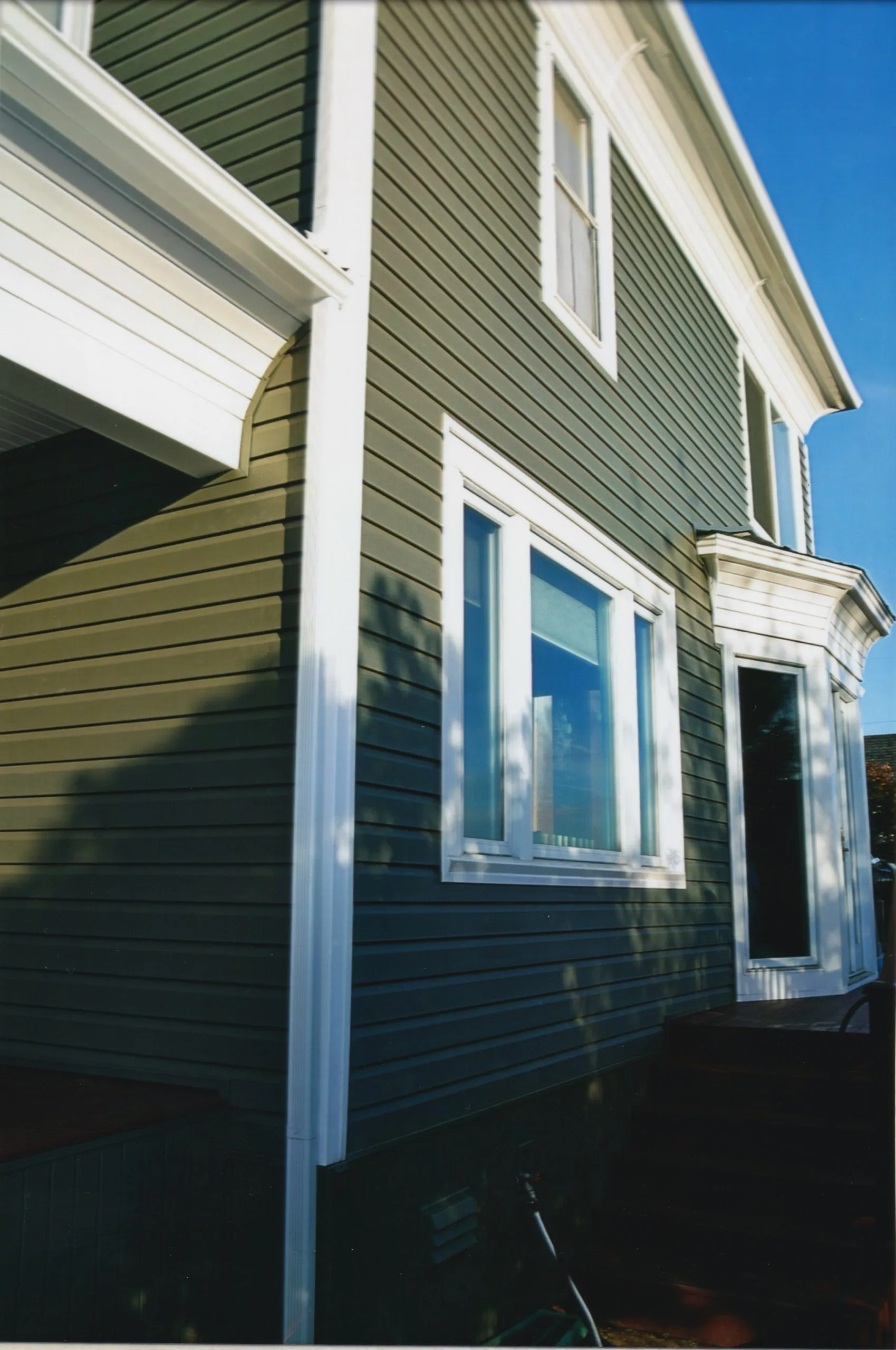
Most Algona houses still wear the siding they were built with. King County assessor records put the median build year of the city’s 824 single-family homes at 1990, and only 8% show a recorded renovation. That leaves a lot of original 1980s, 1990s and early 2000s siding that has never been replaced. If you are pricing vinyl siding in Algona, or comparing it with insulated composite or metal, this page walks through what is on local homes now, how we match a replacement to them and the signs that yours is due.
What’s on Algona homes now
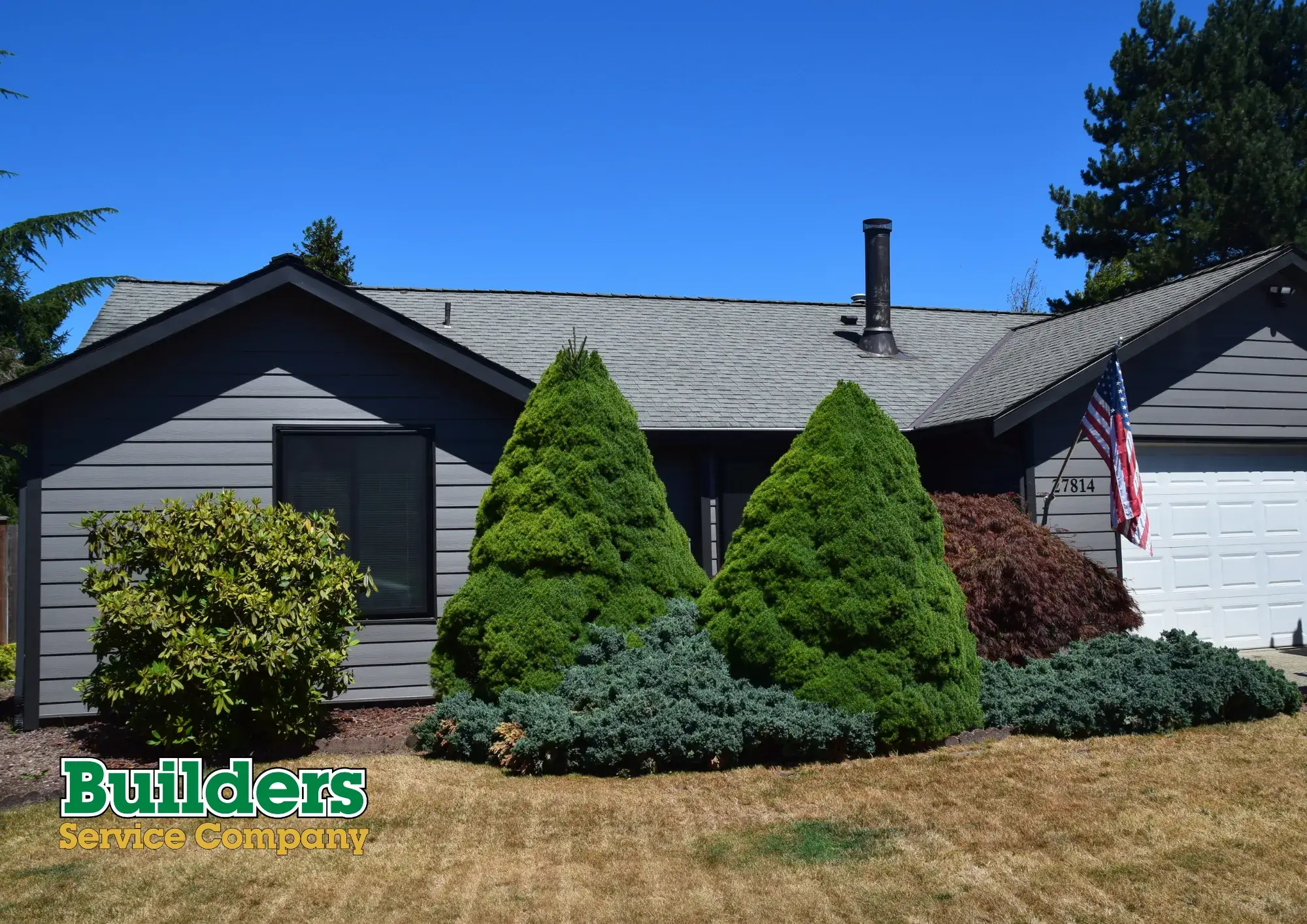
Assessor records spread Algona’s single-family homes almost evenly across four eras: 22% built before 1950, 21% from 1950 to 1979, 28% from 1980 to 1999 and 28% since 2000. Each era tends to carry its own siding.
- Before 1950: likely original wood lap siding, often under old paint that may contain lead.
- 1950 to 1979: cedar, T1-11 or asbestos-cement shingles. Asbestos-cement may contain asbestos and should be tested before removal.
- 1980 to 1999: composite and hardboard siding, including LP siding. Of the city’s single-family homes, 20% were built from 1985 to 1996, the peak years for that product, and it has a known history of moisture failure.
- 2000 and later: fiber cement or builder-grade vinyl now reaching its first repaint or replacement.
The larger subdivisions follow the same pattern. Hillmans Cd Pacific City, with 473 homes, has a median build year of 1990. Valley City Land Cos Add (185 homes) sits at 1979, Woods Algona Add (82 homes) at 1982 and The Algona Junction (50 homes) at 2003.
Census data counts 75% of housing units as detached houses and 18% as mobile homes, so residing here covers manufactured homes as well as stick-built ones. The assessor rates only 26% of single-family homes in good or very good condition.
Choosing siding for Algona’s conditions
Algona sits on the valley floor, where humidity lingers through the wet months. The siding types we usually recommend are vinyl, the Evergreen Shield Siding System and metal. None of them is wood, so none will soften and rot the way old boards and hardboard do in that damp air. Unlike cedar, none of them needs repainting every few years either. The right one for your house is settled at the free in-home consultation, but the local numbers already point in a few directions.
Vinyl for value and wall area. Census data puts Algona’s median home value near $440,000, 52% below the King County median. At that level, vinyl siding is usually the sensible pick: it is the most versatile and least expensive of the three. It also suits bigger walls. The assessor counts 28% of homes at two stories or more, and the median house has 1,530 square feet of living space, so siding area adds up fast. Vinyl covers it without pushing the budget toward premium material.
Insulated siding for electric heat. Census data shows 66% of Algona homes heat with electricity. Where heating is costly, insulated siding pays back more, and the Evergreen Shield Siding System is the insulated option we install. The next section covers it.
Metal for long-term owners. With 83% of homes owner-occupied, many Algona households plan to stay and keep investing in their exteriors. Metal siding is the third type we put in front of them, and we compare it side by side with the other two on your walls.
Stone accents at the base. Only 1% of Algona homes have any brick or stone exterior. A stacked stone or stone veneer wainscot along the foundation, an entry surround or a pair of porch columns adds a durable base course and makes a house stand apart on its street.
Evergreen Shield Siding System in Algona
The Evergreen Shield Siding System is our exclusive insulated composite siding, designed for the Pacific Northwest climate. Two of its features line up with Algona’s homes.
The first is insulation. Behind each panel is a graphite membrane with a thermal resistance of R-2.0, against R-0.61 for standard vinyl siding. In a city where most homes run on electric heat, that added layer is the main reason owners choose it over plain vinyl.
The second is moisture. The composite panels are built for water resistance against long wet seasons, humidity, mold and mildew. They are a different product from older hardboard and LP siding, so past failures of that siding do not carry over. We bring samples to the consultation so you can see the panels next to your current siding.
Signs your siding needs replacing
The warning signs depend on what is on your house.
- Hardboard or LP siding from 1985 to 1996: swelling at the bottom edges and around nail heads, flaking surface layers, and soft spots near the ground or under rooflines. Once water gets past the face, patches rarely last.
- Cedar or T1-11 on older houses: split or cupped boards, delaminating plywood sheets and rot at the bottom courses.
- Builder-grade vinyl from the 2000s: cracked, loose or faded panels.
On any of them, look for green growth, mold or mildew on shaded walls, where valley-floor humidity is slow to dry. Rotted or broken siding lets water reach the wall behind it and opens the way for mold, mildew and pests, so replacing it protects the structure, not just the look of the house.
Get a free siding consultation in Algona
Schedule a free in-home consultation through our contact page or call 206-430-1927. We inspect your walls, show samples and recommend a siding for your home. Ask about our lifetime warranty, financing and discounts for seniors, active military, veterans and first responders. For roofing, windows and decks, see our Algona home exterior services.
Algona siding FAQ
Can you replace the siding on a manufactured home in Algona?
Yes, residing a manufactured home is part of the work we look at in Algona, where Census data shows 18% of housing units are mobile homes. Vinyl siding is usually the practical fit for these homes because it is the most versatile and least expensive of the types we usually recommend. We check the walls, trim and openings during the free in-home consultation and talk through vinyl, metal and the Evergreen Shield Siding System for your specific home.
My Algona house was built in the 1960s or 1970s. What should I know before removing the old siding?
Find out what the old siding is made of first. Some houses from 1950 to 1979 have asbestos-cement shingle siding, which may contain asbestos and should be tested before removal. That era covers 21% of Algona's single-family homes in assessor records. Once the material is known, we can plan the tear-off and look at the sheathing underneath before the new siding goes on.
Does wildfire risk change which siding I should pick in Algona?
Usually not. Algona's wildfire risk is rated Low, at the 34th percentile statewide, so moisture and budget tend to decide the siding here. If fire resistance still matters to you, the Evergreen Shield Siding System carries a Class A fire rating, the highest fire-resistance rating for construction materials, and metal siding is also available. Stacked stone or stone veneer near the ground is noncombustible as well.
Is stone veneer worth adding to an Algona home?
Stone veneer is worth a look if you want a house that stands out, because only 1% of Algona homes have any brick or stone on the exterior. We use stacked stone and stone veneer as accents, not as whole-house siding: a wainscot along the foundation, an entry surround or porch columns. It pairs with vinyl, metal or the Evergreen Shield Siding System and gives the lower wall a durable base course.