Seattle, WA
Roofing in Seattle, WA
Roofing for Seattle homes, from Builders Service Company.
Moss and rot are the conditions roofs in the city face most, especially on north-facing slopes that stay damp through the rainy months. Wildfire risk is rated Low, at the 54th percentile statewide, so roof choices here turn on moisture more than fire.
We install two roof types and treat them as equal options:
- Asphalt shingle roofing, in traditional three-tab or dimensional architectural profiles and a wide range of colors.
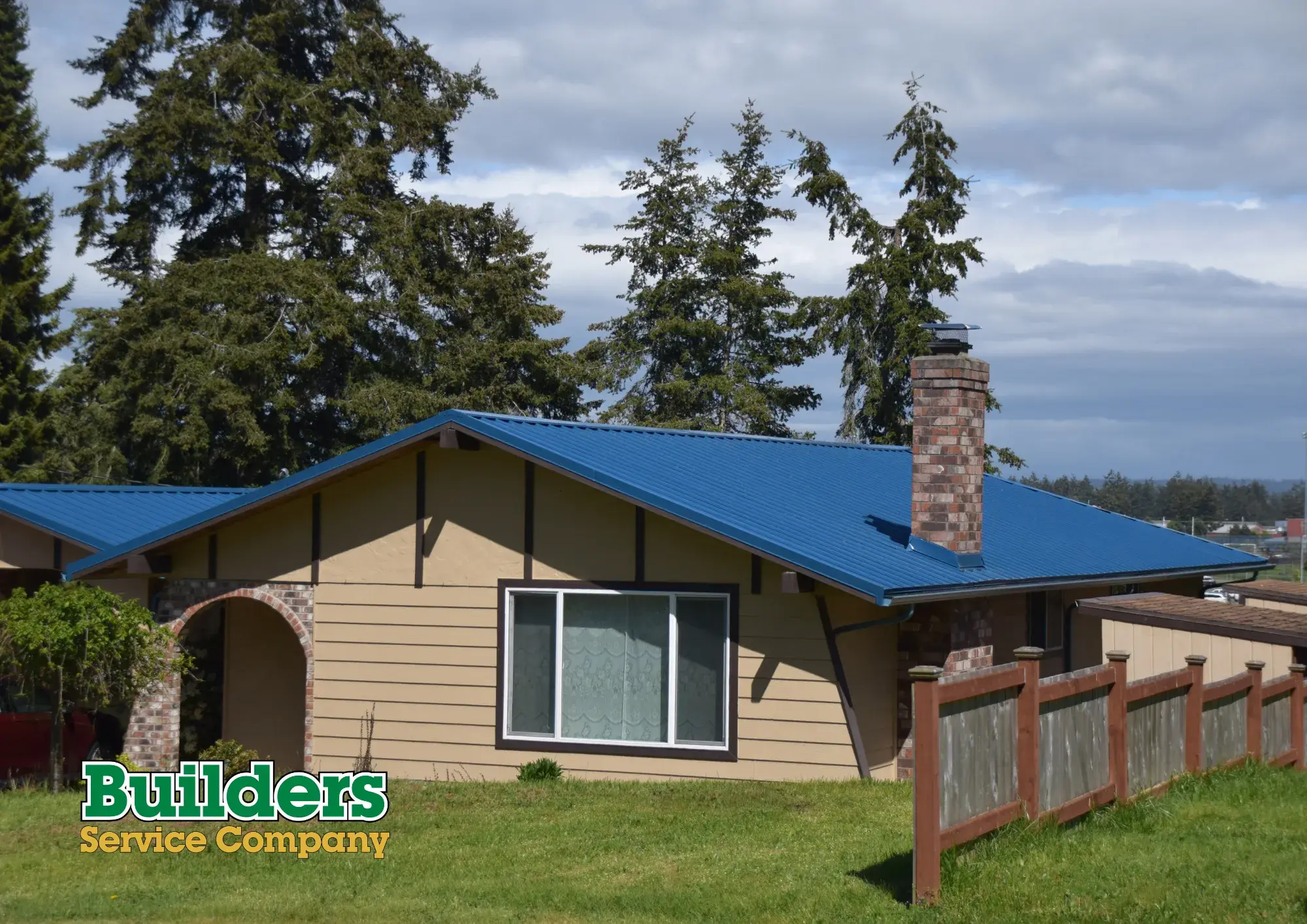
- EDCO metal roofing, for homeowners who prefer the look of a metal roof.
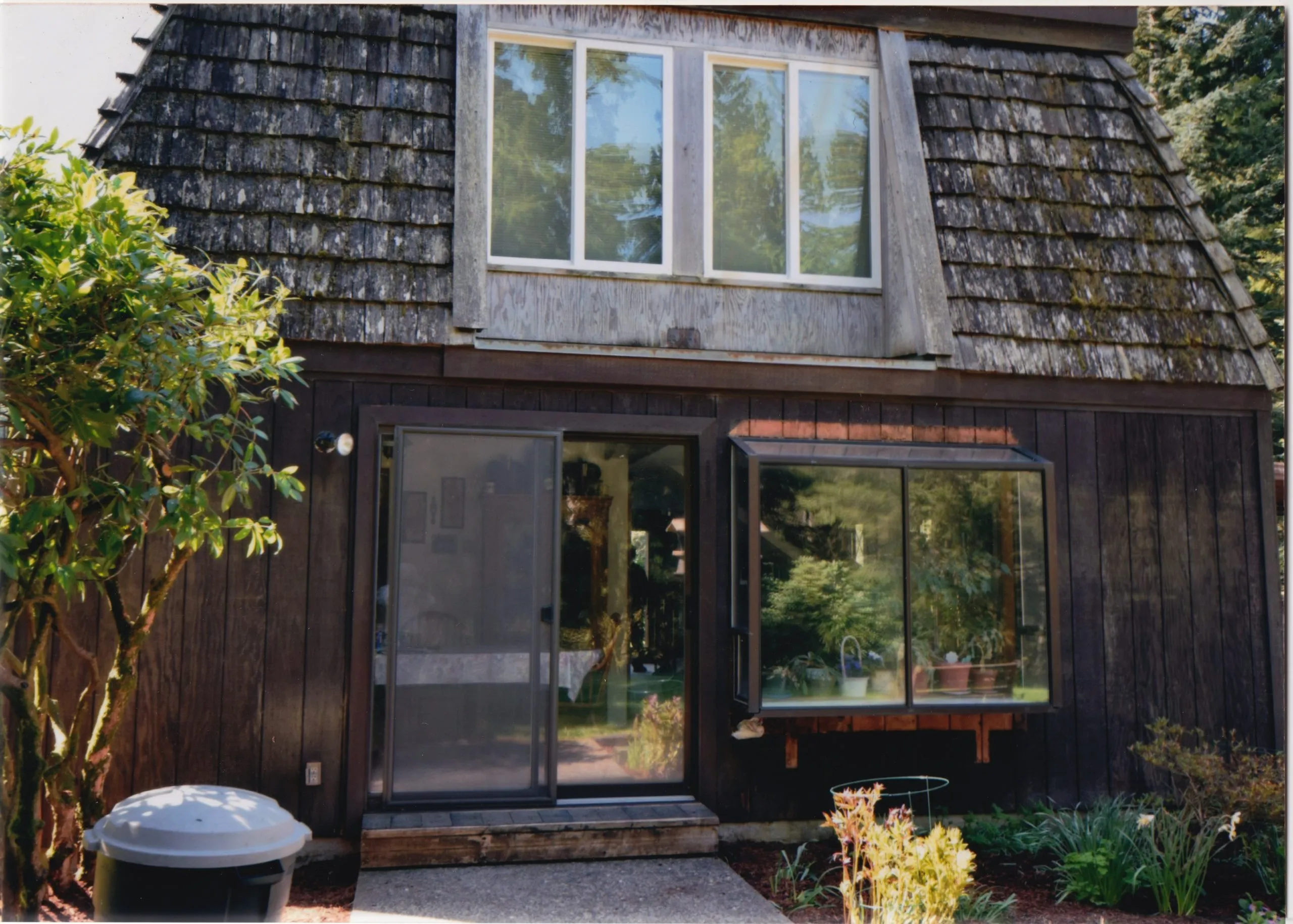
If your house still has old cedar shakes, moss and rot are usually what end their life, and either replacement gives you a surface that is easier to keep clear.
On a wet-climate roof, the details matter as much as the material:
- Underlayment, plus flashing around chimneys, walls and roof penetrations
- Ventilation and attic airflow that limit moisture buildup under the roof
- Gutters and roof edges kept clear so water leaves the roof quickly
Every roof we install as a Seattle roofing company starts with an inspection of the shingles, flashing, ventilation, decking and attic airflow. The typical single-family house here dates from 1948, so older layers or worn decking may sit under the current roof. We remove the old roofing, inspect the decking and repair compromised sections before new underlayment goes down. Tight lots are common, so we keep materials contained, then finish with a final inspection and a cleanup of debris and stray nails.
Learn more about Seattle home exterior services.
Get a free roofing consultation in Seattle
Schedule a free in-home consultation or call 206-430-1927.
Seattle roofing FAQ
Should I choose asphalt shingles or metal for a roof that keeps growing moss?
Either can work, because on a damp, shaded roof the detail work matters most. We install asphalt shingle roofing and EDCO metal roofing, and on both we focus on underlayment, flashing around chimneys and penetrations, and ventilation and attic airflow that limit moisture under the roof. Keeping gutters and roof edges clear also helps water leave the roof quickly. We walk through both options during a free in-home consultation.
What happens during a roof replacement on an older house?
We start with an inspection of the shingles, flashing, ventilation, decking and attic airflow. On houses from the 1940s, older layers or worn decking may sit under the current roof, so we remove the old roofing, inspect the decking and repair compromised sections. Then new underlayment, flashing and asphalt shingles or EDCO metal roofing go on, followed by a final inspection and cleanup of debris and stray nails.