Port Orchard, WA
Siding Replacement in Port Orchard, WA
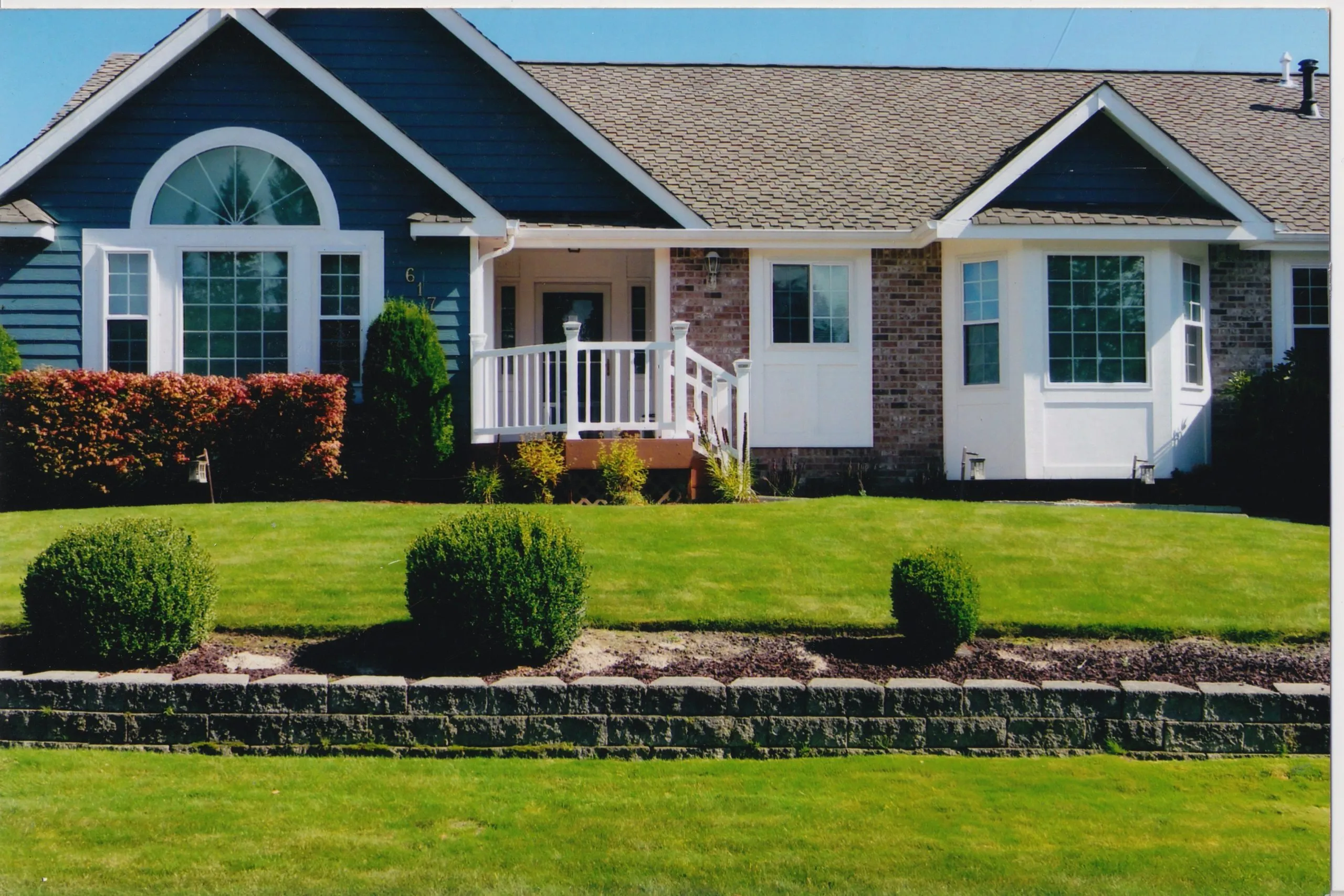
Census data puts the median year built for Port Orchard homes at 1999. A typical house here sits right at the turn from the hardboard siding of the 1990s to the builder-grade materials of the newer subdivisions that followed, and waterfront homes sit alongside both. That mix shapes what replacement looks like: some walls need rot repair before anything new goes on, while others are reaching the end of their first finish. This page covers what is on local houses now, how each siding type we install fits Port Orchard, and the signs that it is time to replace.
What’s on Port Orchard homes now
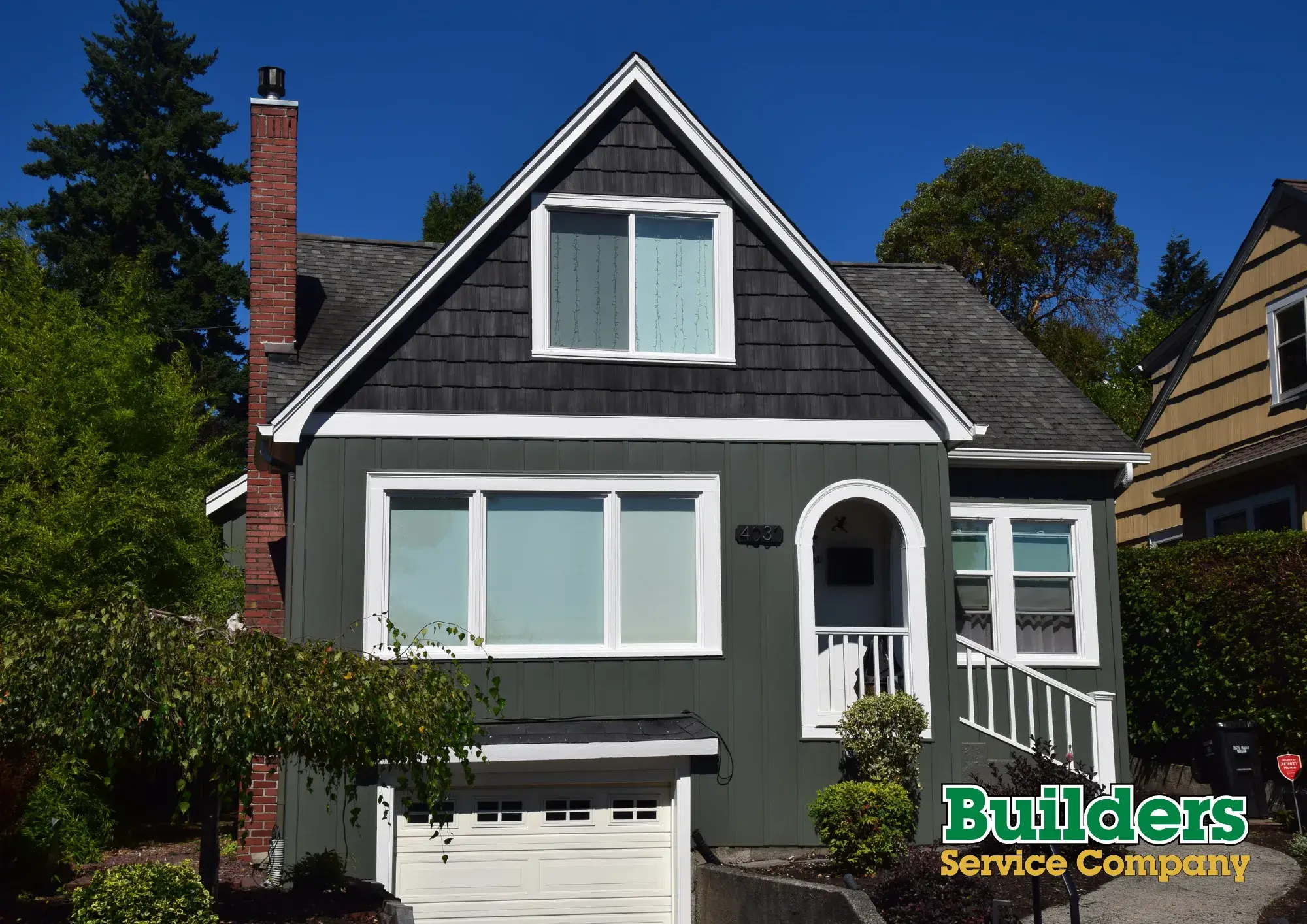
Census figures for Port Orchard’s 7,559 housing units show a young housing stock with older layers underneath:
- 2000 or later (49%): builder-grade vinyl or fiber cement, much of it now due for a first repaint or replacement.
- 1980 to 1999 (24%): the era of composite and hardboard siding, including LP siding, which has a known history of moisture failure.
- 1950 to 1979 (16%): often cedar, T1-11 or asbestos-cement shingles. Asbestos-cement siding may contain asbestos and should be tested before removal.
- Before 1950 (11%): likely original wood lap siding, with possible lead paint under later coats.
Detached houses make up 67% of local housing, so most siding projects here cover a full single-family exterior. Attached homes account for 9% and mobile homes 2%.
About 62% of Port Orchard homes are owner-occupied. That points to a large group of long-term owners who are planning to stay and want an exterior that will last, rather than a quick cosmetic fix before a sale.
Choosing siding for Port Orchard’s conditions
Each of the siding types we usually recommend handles a wet Puget Sound climate, and none of them is wood, so rot is off the table. The differences come down to budget, exposure and heating costs.
Vinyl siding for value and large walls. Vinyl is the most versatile and least expensive option we install. Port Orchard’s median home value is about $540,000, roughly 8% below the Kitsap County median, and owners in that range tend to favor durable, cost-effective materials. With 67% of homes detached, wall areas are often large, which is where vinyl’s lower cost adds up. It also stands up to salt air, and it comes in a wide range of colors. How long vinyl lasts depends a great deal on how well it is installed, so we pay close attention to laps, trim and flashing.
Evergreen Shield Siding System for heating costs. Electricity heats 48% of Port Orchard homes. Where heating is costly, insulated siding pays back more, which makes the Evergreen Shield Siding System the premium choice we point to most often here. Its composite panels also suit homes facing salt air near the water.
Metal siding as a long-term upgrade. Metal is the option for owners planning a premium, long-term exterior, especially on higher-value homes.
Stone veneer accents. Stacked stone or stone veneer works at entries, columns, chimneys or as a wainscot along the base of the wall, paired with any of the siding above. A stone base course gives the bottom of the wall a durable face where wet ground meets the house.
On waterfront homes, we use corrosion-resistant fasteners and flashing whichever siding you choose. Wildfire risk here is rated low, at the 46th percentile statewide, so moisture, salt and heating costs carry more weight than fire rating. Which option fits your home is something we work out together at the free in-home consultation, after looking at the walls, the exposure and your budget.
Evergreen Shield Siding System in Port Orchard
The Evergreen Shield Siding System is our exclusive insulated composite siding, designed for the Pacific Northwest climate. Two of its features line up with conditions in Port Orchard.
The first is moisture. The composite material is built for water resistance through long wet seasons, humidity, mold and mildew. That matters on homes under heavy tree cover, where shaded walls stay damp and moss takes hold.
The second is heat. An insulating graphite membrane gives the panels a thermal resistance of R-2.0, compared with R-0.61 for standard vinyl siding. In a city where nearly half of homes run on electric heat, that added layer of wall insulation is worth weighing when you compare options. You can read more about the system on the Evergreen Shield Siding System page.
Signs your siding needs replacing
What to look for depends on when your house was built and where it sits:
- Builder-grade siding at its first big decision. On homes built in 2000 or later, original vinyl may be faded, brittle or warped, and fiber cement may be due for its first full repaint.
- Hardboard trouble on 1980s and 1990s homes. Composite and hardboard boards from that era can take on water. Swollen bottom edges, soft spots and paint that will not stay put are the warning signs.
- Moss on shaded walls. Heavy tree cover keeps north-facing and shaded walls wet. Moss that keeps coming back, or soft wood underneath it, points to rot.
- Wear on the windward side. Marine wind pushes rain into laps and joints. Loose panels, open seams or rust streaks from fasteners on exposed walls deserve a closer look.
Get a free siding consultation in Port Orchard
Contact us or call 253-777-0866 to schedule a free in-home consultation. We also serve Poulsbo and Kingston. Our siding work carries a lifetime warranty, financing is available, and we offer discounts for seniors, active military, veterans and first responders. For roofing, windows and decks, see our Port Orchard home exterior services.
Port Orchard siding FAQ
Which siding holds up best on a waterfront home in Port Orchard?
Vinyl siding and the Evergreen Shield Siding System are the two we usually recommend for homes exposed to salt air off the water. Both resist the moisture that comes with a marine setting, and neither is wood. On waterfront jobs we also use corrosion-resistant fasteners and flashing, since salt attacks metal parts first. Which of the two fits better depends on your budget and how hard the house is exposed.
Do I need Class A fire-rated siding in Port Orchard?
Not as a rule. Port Orchard's wildfire risk is rated low, at the 46th percentile in Washington, so moisture and heating costs usually drive the siding choice here. If fire resistance still matters to you, the Evergreen Shield Siding System carries a Class A fire rating, the highest fire-resistance rating for construction materials, and metal siding is another option we install.
Is vinyl siding a good choice for a Port Orchard home?
Yes, for many homes it is. Vinyl is the most versatile and least expensive siding we install, and because none of it is wood, it will not rot. With the median home value about 8% below the Kitsap County median, many local owners want durable, cost-effective coverage, and vinyl delivers that across a wide range of colors. We go over vinyl next to the other options at the free in-home consultation.
Should older siding in Port Orchard be tested for asbestos before removal?
If your home was built between 1950 and 1979, yes, check first. Census data shows 16% of Port Orchard homes date from that period, when asbestos-cement shingle siding was in use. That siding may contain asbestos and should be tested before removal. Homes built in other eras are less likely to have it, and we can talk through what you have during the free in-home consultation.
What colors does the Evergreen Shield Siding System come in?
The Evergreen Shield Siding System comes in 20 built-in colors. The color runs through the panel rather than sitting on top as paint, and it resists chipping, peeling and fading, so the siding does not need repainting. For a Port Orchard home with long wet seasons, that means one less exterior job to schedule. We bring samples to the free in-home consultation so you can see them against your house.