Seattle, WA
Siding Replacement in Seattle, WA
King County assessor records count 153,082 single-family homes in Seattle, and their median year built is 1948. More than half of them, 52%, went up before 1950, so many still wear their original wood lap siding after decades of wet winters. That shapes most Seattle siding work: taking off old boards, finding out what the weather has done to the wall behind them, and choosing a replacement that is not wood.
What’s on Seattle homes now
The assessor’s breakdown by era tells you what is probably on your walls today:
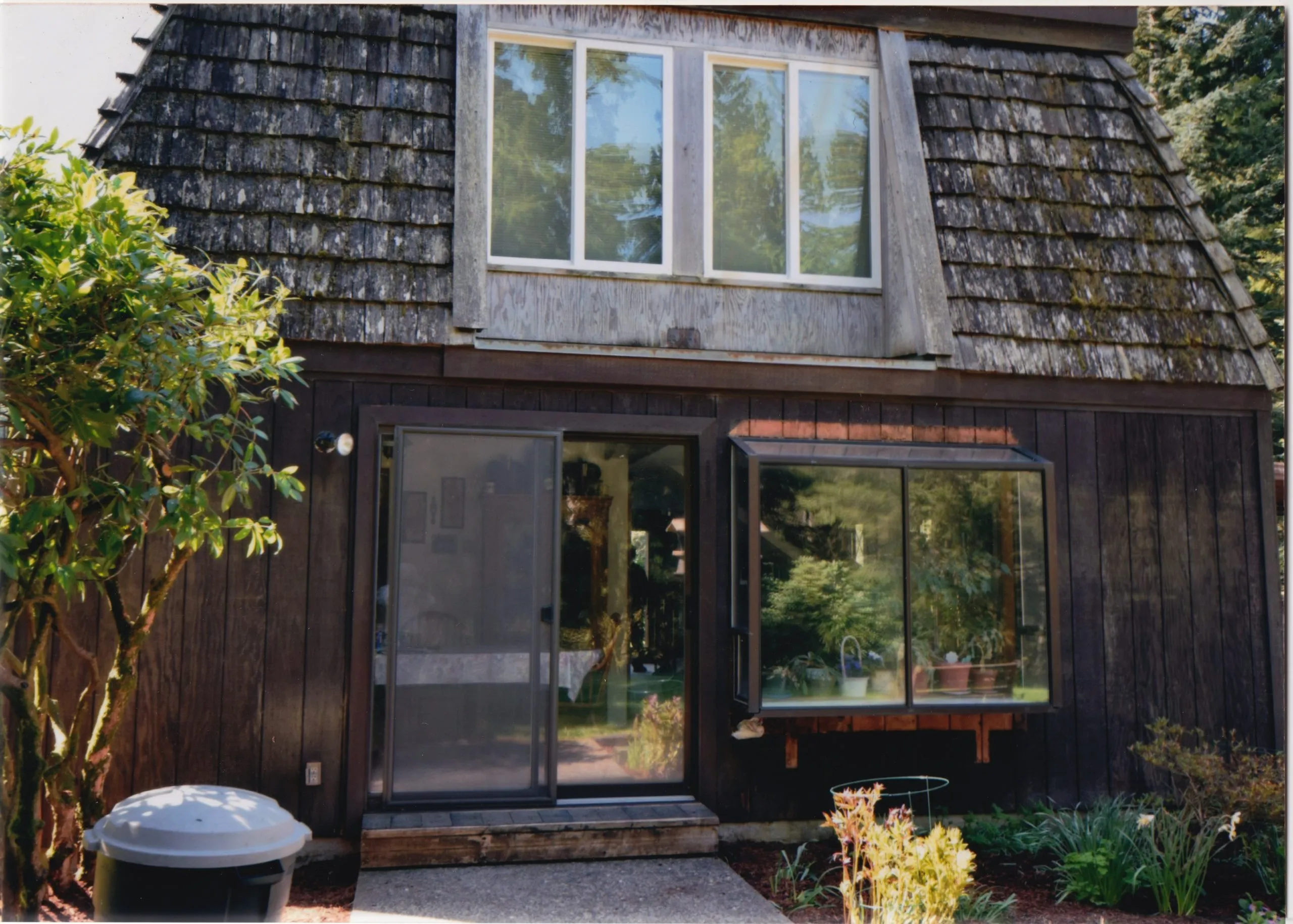
- Before 1950 (52%): original wood lap siding is likely, often under layers of paint that may include lead paint.
- 1950 to 1979 (20%): cedar, T1-11 panels or asbestos-cement shingles. Asbestos-cement shingles may contain asbestos and should be tested before removal.
- 1980 to 1999 (6%): the era of composite and hardboard siding. About 4% of homes were built from 1985 to 1996, the years of LP siding, which has a known history of moisture failure.
- 2000 or later (22%): fiber cement or builder-grade vinyl reaching its first repaint or replacement.
Census figures look different because they count every housing unit, and apartments make up 51% of the city’s 393,918 units. By that count the median year built is 1976 and the largest era is 2000 or later. Detached houses are 37% of units and attached homes another 11%.
Individual plats show the spread. Assessor records put the median year built at 1925 in Salmon Bay Park, 1943 in Sea View Park and 1946 across the 2,020 homes from Maple Leaf to Green Lake. Homecroft’s median is 1978, and Gilman Park’s is 2015.
Only 30% of single-family homes are rated in good or very good condition, and 8% are recorded as renovated.
Choosing siding for Seattle’s conditions
Seattle gets moderate rain, but walls that stay damp grow moss and rot, especially on north faces. Each of the three siding types we usually recommend handles that, because none of them is wood. Unlike cedar, none of them needs repainting after a wet winter.
Vinyl siding is the most versatile option and the least expensive. The median single-family home here has 1,720 square feet, and with two or more stories on 39% of them, a full re-side covers a lot of wall. Vinyl keeps that within reach when the budget has to stretch around the whole house.
The Evergreen Shield Siding System is our insulated composite siding and the premium long-term upgrade. In Seattle, its insulation is the main reason owners choose it, for reasons covered in the next section.
Metal siding is the other premium choice. Census data puts the city’s median home value near $940,000, 2% above the King County figure, and assessor records rate 14% of single-family homes at building grade 9 or higher. Owners of higher-value homes more often pick Evergreen Shield Siding System panels or metal over vinyl.
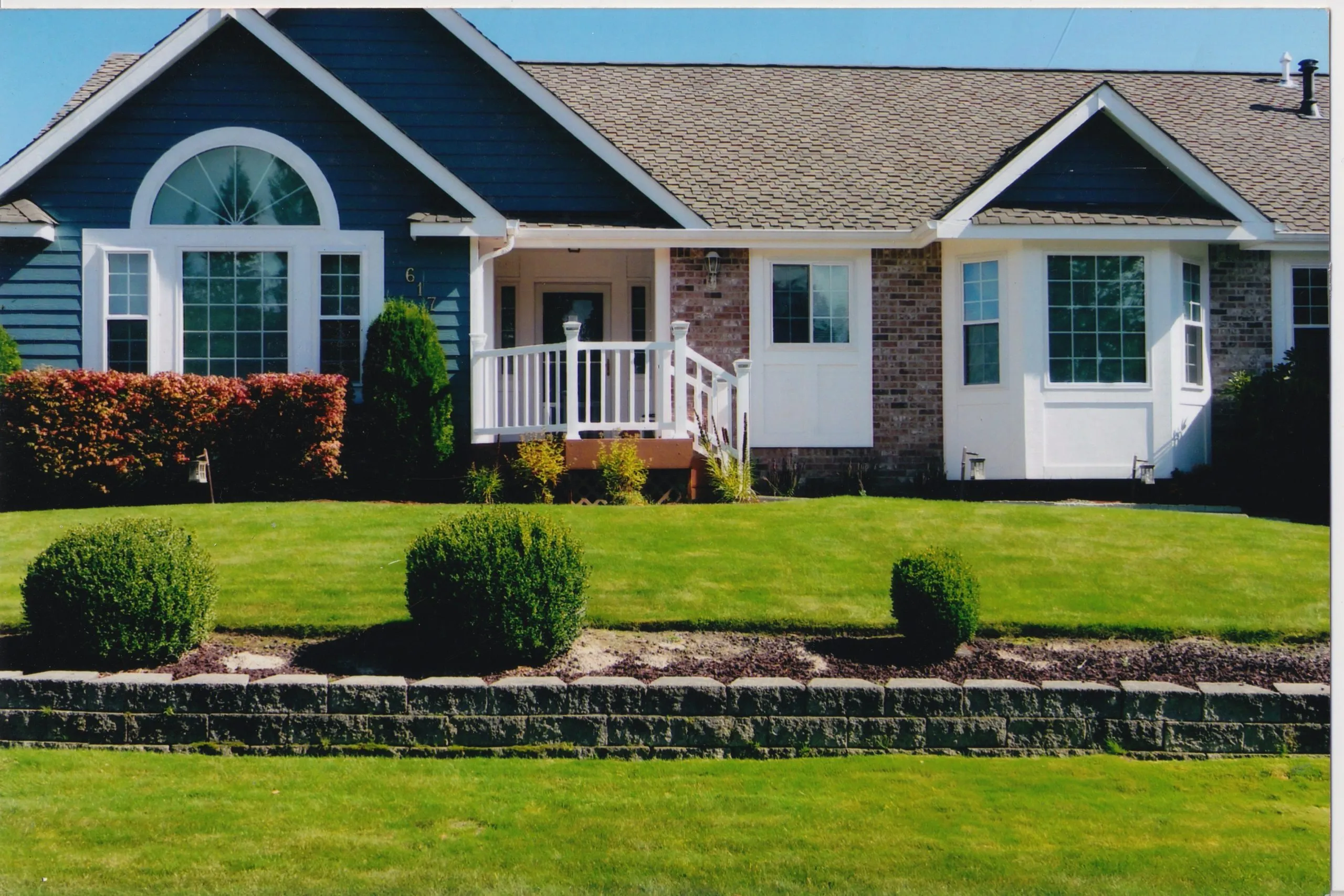
Stacked stone and stone veneer are accents, not whole-house siding. They fit a wainscot along the base of a wall, an entry, porch columns or a chimney. One in eight single-family homes (12%) already has brick or stone somewhere outside, and new veneer can tie a re-sided house back to that masonry.
Seattle’s tight lots and two-story walls are part of what we measure and plan for. These are the types we usually recommend, and we work out the best option for your house during the free in-home consultation.
Evergreen Shield Siding System in Seattle
The Evergreen Shield Siding System was designed for the Pacific Northwest climate, and two of its features line up with Seattle houses. Its composite panels are built for water resistance through long wet seasons, humidity, mold and mildew, which is what the damp north side of an older home needs. Its insulating graphite membrane gives thermal resistance of R-2.0, against R-0.61 for standard vinyl siding.
That insulation matters here because 61% of Seattle homes heat with electricity, according to the Census, with Seattle City Light as the electric utility. Where electric heat is this common, insulated siding has more to offer.
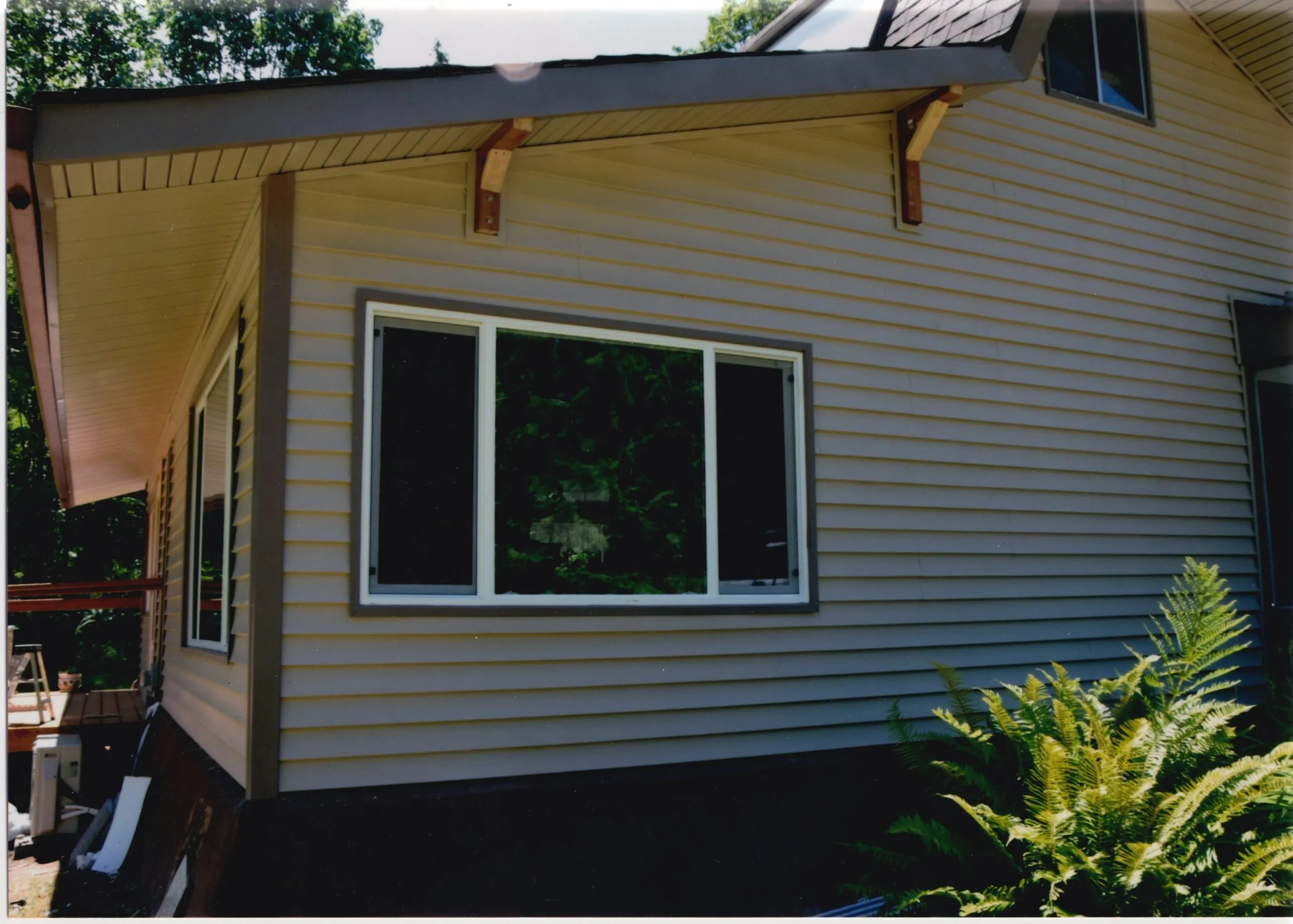
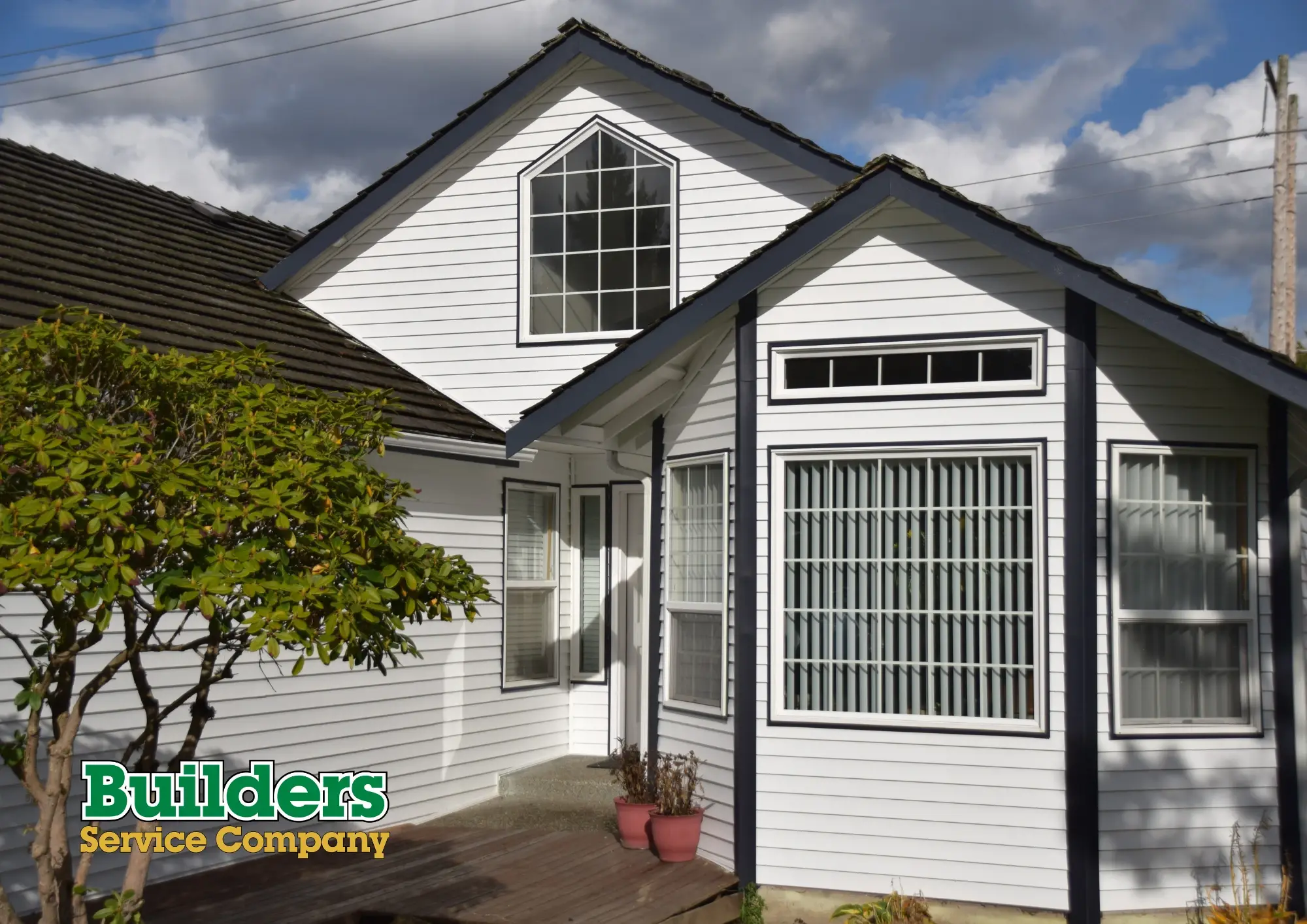
Our 2026 siding replacement in Seattle is one example: the homeowner’s wood siding had worn out, and after evaluating the exterior we recommended this system.
Signs your siding needs replacing
What to look for depends on when your house was built:
- Pre-1950 wood lap siding: paint that keeps peeling, soft or split boards near the ground, and moss or rot on north walls where the siding rarely dries out.
- 1950s to 1970s T1-11: panels delaminating or swelling along their bottom edges.
- 1985 to 1996 hardboard or LP siding: swelling at the drip edge and along the bottom of each course.
- 2000 or later: builder-grade vinyl that is cracked or warped, or fiber cement coming due for its first repaint.
On a house of any age, missing or cracked caulking around windows and trim lets water reach the sheathing. When we remove old siding, we check the sheathing, repair dry rot and leak damage, and flash the critical areas before the new siding goes on.
Get a free siding consultation in Seattle
Schedule a free in-home consultation or call our Seattle line at 206-430-1927. We bring samples so you can see colors against your own walls, and we measure the house before recommending a siding type. Financing is available, along with discounts for seniors, active military, veterans and first responders. For roofing, windows and decks, see our Seattle home exterior services.
Seattle siding FAQ
Which siding holds up best on Seattle's damp north walls?
Any of the three types we usually recommend, vinyl, the Evergreen Shield Siding System and metal, because none of them is wood. Moss and rot on north faces are the typical Seattle problem. Vinyl is the least expensive. The Evergreen Shield Siding System adds water resistance against mold and mildew, plus insulation. Metal is the other premium choice. We match the type to your house during the free in-home consultation.
My Seattle house was built before 1950. What happens when the old siding comes off?
We remove the old siding down to the sheathing, repair any dry rot or leak damage we find, then flash the critical areas and install the new siding. Original wood lap siding is common on houses from that era, and its paint may include lead, so we plan the removal with that in mind. In Salmon Bay Park, for example, the median home was built in 1925.
Should asbestos-cement shingles be tested before re-siding?
Yes. Asbestos-cement shingle siding may contain asbestos and should be tested before removal. It turns up mostly on homes built from 1950 to 1979, which assessor records put at 20% of Seattle's single-family houses. Cedar and T1-11 panels are the other common sidings from that era. If testing is needed, we talk it through during the free in-home consultation, before any removal is scheduled.
Does insulated siding make sense with electric heat in Seattle?
It often does. The Evergreen Shield Siding System has an insulating graphite membrane with thermal resistance of R-2.0, compared with R-0.61 for standard vinyl siding. Census data shows 61% of Seattle homes heat with electricity, and where electric heat is that common, insulated siding has more to offer than in mostly gas-heated places. We don't quote a savings figure; we explain the options for your house at the consultation.
Is wildfire a reason to choose fire-rated siding in Seattle?
Usually not the main one. Seattle's wildfire risk is rated low, at the 54th percentile statewide, so moisture drives most siding choices here. If fire resistance still matters to you, the Evergreen Shield Siding System carries a Class A fire rating, the highest fire-resistance rating for construction materials, and metal siding is another option. For most Seattle houses, the decision turns on rain, moss and rot.