Bellevue, WA
Deck Building in Bellevue, WA
Many Bellevue deck projects start with a deck that is already there. King County assessor records show 55% of the city’s single-family homes have one, on houses with a median build year of 1972. That means a lot of homeowners are deciding whether to repair, resurface or rebuild an older deck rather than add a first one. As a deck builder in Bellevue, we handle both: new backyard and front-entry decks, and full replacements of decks that have worn out after years of Eastside weather.
Decks on Bellevue homes
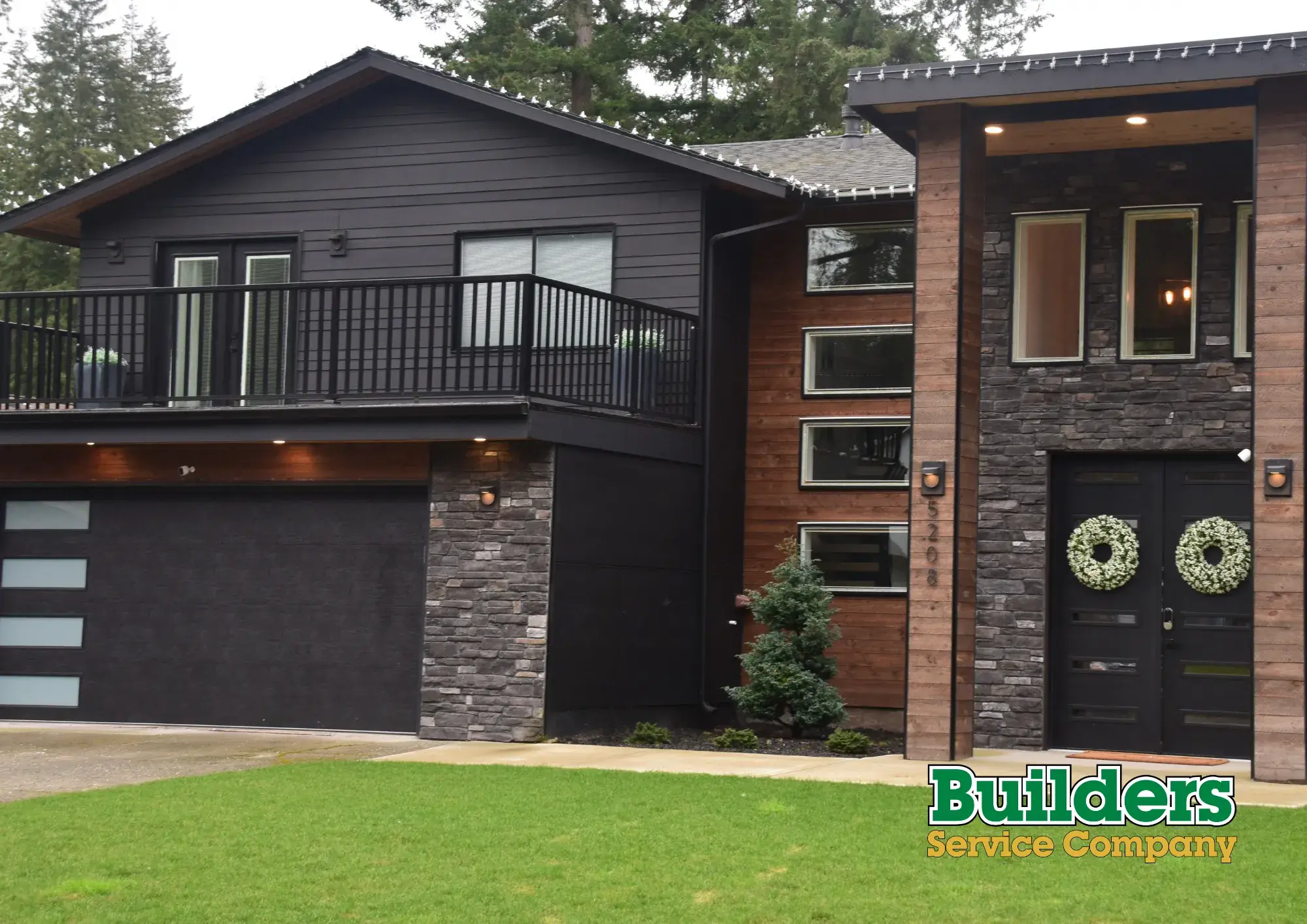
The typical Bellevue deck is a good-sized outdoor room. The median deck here covers 300 square feet, attached to a median home of 2,530 square feet. With 40% of single-family homes at two or more stories, many decks sit off a main or upper floor and need stairs, taller posts and careful railing work.
Views shape a lot of these projects. Assessor records list 17% of homes with a view and 2% on the waterfront, and on those lots the railing is often the part you look through most. Ask about railing styles with thinner profiles that leave more of the view open.
Bellevue homes sit 46% above the King County median home value, and owners here more often choose premium materials. We build backyard decks, covered decks, front-entry decks and decks with built-in bench seating, and add features like custom railings and outdoor lighting. In HOA neighborhoods, settle the color and railing style with the HOA’s design review before work starts.
Building a deck for Bellevue’s weather
Bellevue’s rain is moderate by Washington standards, but a deck here still spends much of the year damp. These are the choices we focus on here:
- Pick a material for the wet months. Composite and vinyl decking don’t rot and never need staining, which suits the Eastside’s long damp season. Wood gives you a natural look and is often the lower-cost option; it stays sound if you reseal it on a regular schedule.
- Keep water moving. We gap boards so they can dry, slope surfaces away from the house and flash the connection where the deck meets your wall. Rot starts where water sits against framing.
- Choose surfaces with grip. A deck that stays wet after a shower gets slick. Textured composite or vinyl boards help, especially on stairs down from a second-story deck.
- Build for the long run. With 52% of Bellevue homes owner-occupied, many owners plan to stay put. Spending a little more on framing and low-maintenance boards now means fewer repairs later.
Wildfire risk here is rated low, at the 45th percentile statewide, so rain and drainage drive our design decisions more than ember resistance does. Every project starts with a consultation and planning visit, then material selection, framing design, installation and a final inspection of the finished deck.
Signs your deck needs replacing
Bellevue’s wet winters are hard on older decks. Watch for:
- Boards that feel soft or spongy underfoot, especially near the house or under planters where water collects.
- Dark staining or crumbling wood at posts, joists and the ledger board, where rot usually starts.
- Railings that move when you lean on them. On a raised deck off a two-story home, a loose railing is a safety issue, not a cosmetic one.
- Stairs that bounce or stringers that have pulled away from the deck.
- Wood boards that stay dark and slick for days after rain because the sealer has worn off.
If the framing checks out, resurfacing with new boards and railings may be enough. If the posts or ledger are rotting, a rebuild is the safer choice.
Get a free deck consultation in Bellevue
Schedule a free in-home consultation and we will look at your yard, your current deck and the materials that fit. Call 206-430-1927 or contact us online. We offer discounts for seniors, active military, veterans and first responders, and financing is available. See all our Bellevue home exterior services.
Bellevue deck building FAQ
Which decking holds up best in Bellevue's rain?
Composite or vinyl decking is usually the better fit for Bellevue's moderate Eastside rain, because neither rots and neither needs staining. Wood is still a good choice if you want a natural look or need to keep the budget down, as long as you plan to seal it regularly. During the free in-home consultation we look at your yard, sun and shade, and talk through all three options.
Does my HOA need to approve a new deck?
If your home is in one of Bellevue's HOA neighborhoods, yes, check with the HOA before you choose materials. HOA design review is part of exterior work on many Eastside homes, and it typically covers what neighbors see, such as decking color and railing style. We can help you gather the material and color details your HOA asks for, but the approval decision is theirs, so it is worth starting that conversation early.
Do I need a permit to build a deck in Bellevue?
Deck permits in Bellevue are handled by the City of Bellevue, and whether your project needs one depends on its design, so we check that for your specific deck during planning. If a permit applies, we build the deck to the approved plans and arrange for the required inspections. We cannot promise a permit outcome, but we plan the size, height and framing with the city's requirements in mind.
Can you build a deck off the second floor of my house?
Yes. Assessor records show 40% of Bellevue's single-family homes have two or more stories, so upper-level decks and replacements are common requests here. An elevated deck needs taller posts, solid connections to the house and stairs down to the yard, and the railings matter more at that height. We design the framing for the height first, then choose decking and railings that suit your home.
Is wildfire a concern for decks in Bellevue?
Wildfire risk in Bellevue is rated low, at the 45th percentile statewide, so it is not usually what drives deck design here. Rain and drainage matter more for how long a Bellevue deck lasts. Ember-resistant decking and clearance under the deck are bigger priorities in areas with much higher wildfire ratings. If your lot borders heavy brush, mention it during your consultation and we will factor it in.