Seattle, WA
Deck Building in Seattle, WA
Just over half of Seattle’s single-family homes already have a deck, and most of the houses behind those decks are old. King County assessor records put the median build year for single-family homes in the city at 1948, with 52% built before 1950. On homes that age, a deck connects to wall framing that has been through decades of wet seasons, and it often sits on a tight, shaded lot. Whether you are replacing a worn deck or adding your first one, the job starts with how the deck meets the house and how it sheds water.
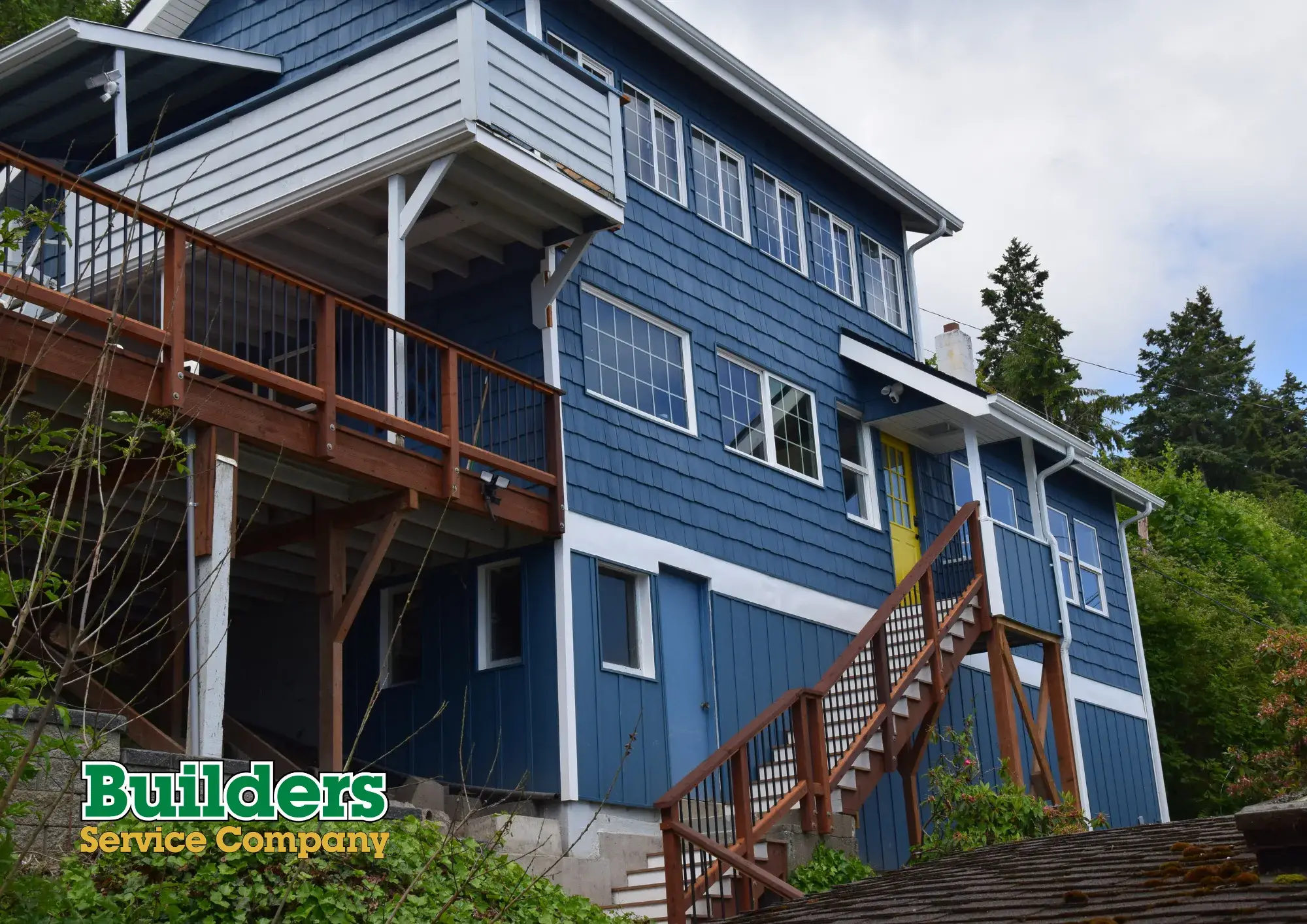
Decks on Seattle homes
The assessor tracks 153,082 single-family homes in Seattle. The typical deck among them covers 210 square feet, enough for a dining table and a grill. On the city’s tight lots, that space usually has to share the yard with a garden, a walkway or a garage, so we fit the layout to what your yard can give up.
Height is the next question. Assessor records show 39% of single-family homes here have two or more stories. On those houses, a deck off the kitchen or an upper floor can sit well above grade and needs taller posts, solid stairs and railings built for the height.
Views shape many projects too. About 17% of Seattle single-family homes have a view, and a raised deck is often where it is best. Only 1% are on the waterfront; for those, we use corrosion-resistant fasteners and hardware. Seattle also has landmark districts, so if your house is in one, we check what applies before the design is final.
Building a deck for Seattle’s weather
Seattle’s weather is moderate rain for much of the year, with moss and rot showing up first on north faces. That pattern drives most of our choices.
- Match the material to the sun. A deck on the north side of the house, or under trees, stays damp for days after a storm. Composite or vinyl decking is the better fit there because neither rots or needs staining. If your deck gets real sun and you want the look of natural grain or a lower starting cost, wood is a fair choice, as long as you plan to seal it on a regular schedule.
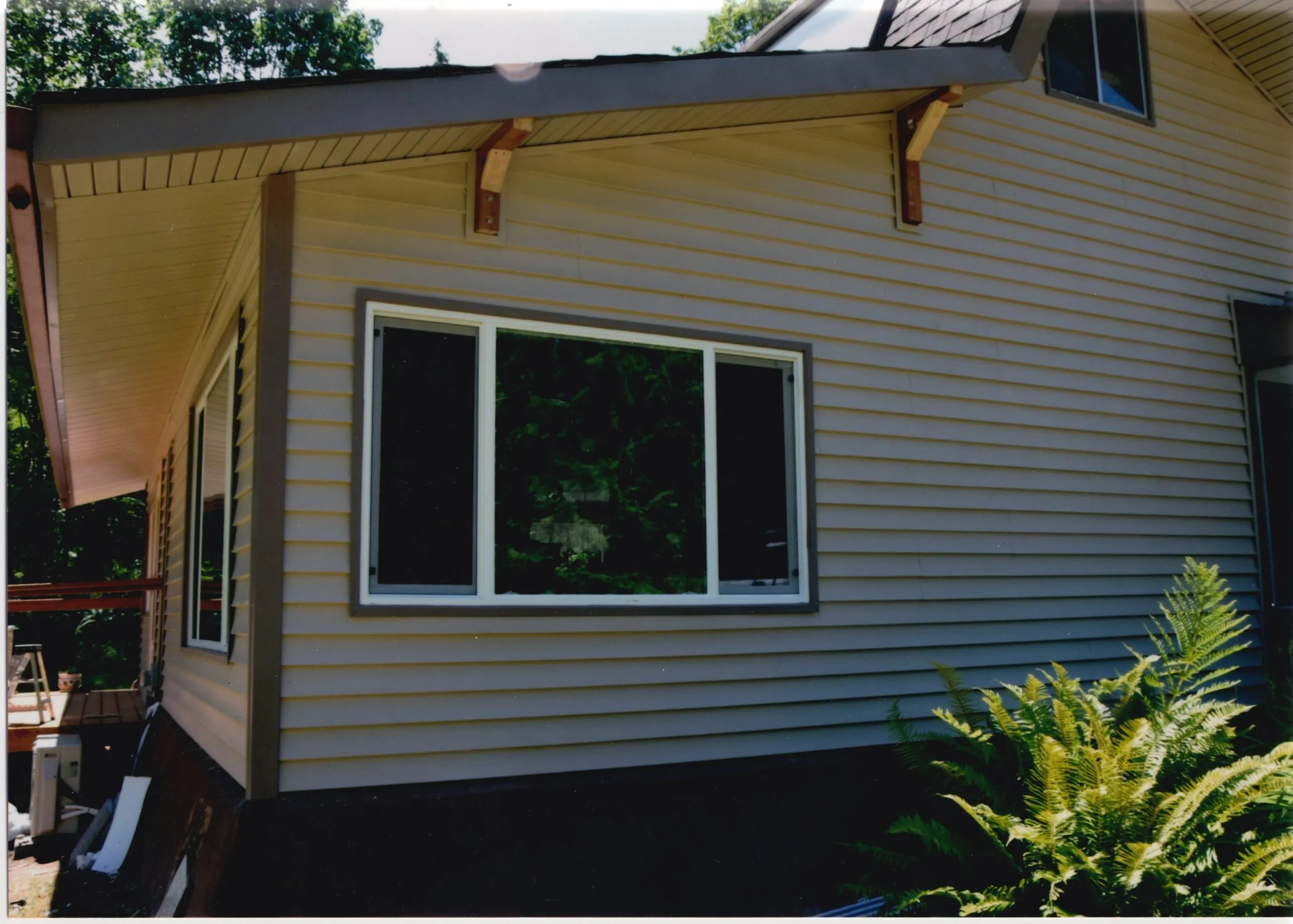
- Respect the house wall. With 52% of single-family homes built before 1950, many Seattle decks attach to houses with original wood lap siding. We flash the connection between the deck and the house so water runs out and away, not into the wall cavity or the framing that holds the deck up.
- Keep the surface safe. A thin film of moss turns smooth boards slick by midwinter. We favor textured decking, leave room for water to fall through between boards, and look at what is overhead.
- Check the roof edge. Overflowing gutters or a downspout that empties onto the deck will keep one spot wet all winter. We look at where roof water lands before we set boards or footings beneath it.
Before any of this, we ask how you plan to use the deck, what style fits your home and how much upkeep you want.
Signs your deck needs replacing
Seattle’s long, damp winters find the weak spots in a deck. Watch for:
- Soft boards near the house wall or on the north side. Rot usually starts where water lingers and sunlight never reaches.
- Moss that comes back within weeks of cleaning. It points to boards that stay wet and are breaking down underneath.
- A railing post that moves when you lean on it. On an elevated deck off a two-story house, treat that as urgent.
- Rusted fasteners or a gap opening between the deck and the house. Both suggest trouble at the connection.
If the framing is still sound, new decking and railings may be enough to restore the deck. If the posts, beams or house connection are rotten, a full rebuild is the safer path, and we will tell you which one your deck needs.
Get a free deck consultation in Seattle
Schedule a free in-home consultation through our contact page or call 206-430-1927. We will walk the yard, note where sun and shade fall, and go over wood, vinyl and composite options. Discounts are available for seniors, active military, veterans and first responders, and financing is available. For siding, roofing and windows, see our Seattle home exterior services.
Seattle deck building FAQ
Which decking holds up best to Seattle's rain?
For most Seattle decks, composite or vinyl decking holds up best because neither one rots or needs staining. That matters most on decks that stay shaded and damp between storms. Wood still works in a sunny spot if you prefer a natural look and are willing to seal it on a regular schedule. We can also mix materials, using composite where the deck stays damp and saving wood for a sunny landing.
Do I need a permit to build a deck in Seattle?
Plan on checking before you build, because Seattle is a permit-heavy city and deck permits are handled by the City of Seattle (SDCI). We review your design against the city's requirements during the consultation and tell you what applies to your project before work starts. If your home sits in one of Seattle's landmark districts, we check those requirements as well. We cannot promise a permit outcome, but we prepare the project so nothing is overlooked.
Do I need ember-resistant decking in Seattle?
Not usually. The state wildfire rating for Seattle is Low, at the 54th percentile, which is below the level where we steer homeowners toward ember-resistant decking and extra clearance under the deck. Here, rain and shade drive the material choice far more than fire risk. That is why most of our Seattle recommendations focus on rot resistance, drainage and slip resistance rather than fire performance.
Can you build a deck off the second floor of my house?
Yes, and it is a common request in Seattle, where 39% of single-family homes have two or more stories, according to King County assessor records. An upper-level deck needs taller posts, sturdy stairs and railings built for the height. On the 17% of homes with a view, that raised deck is often the best place to enjoy it, so we help you pick a railing that keeps the view open.