Auburn, WA
Deck Building in Auburn, WA
King County assessor records count a deck on 35% of Auburn’s 14,393 single-family homes. If yours is one of them, this page covers how to tell when it needs rebuilding. If not, it covers what to plan for a new one. Where your house sits matters too. Auburn spans a humid valley floor and plateau subdivisions, and shade, slope and deck height all change what a sound build needs. As an Auburn deck contractor, we build with wood, vinyl and composite decking and plan each deck around your lot and the way you use it.
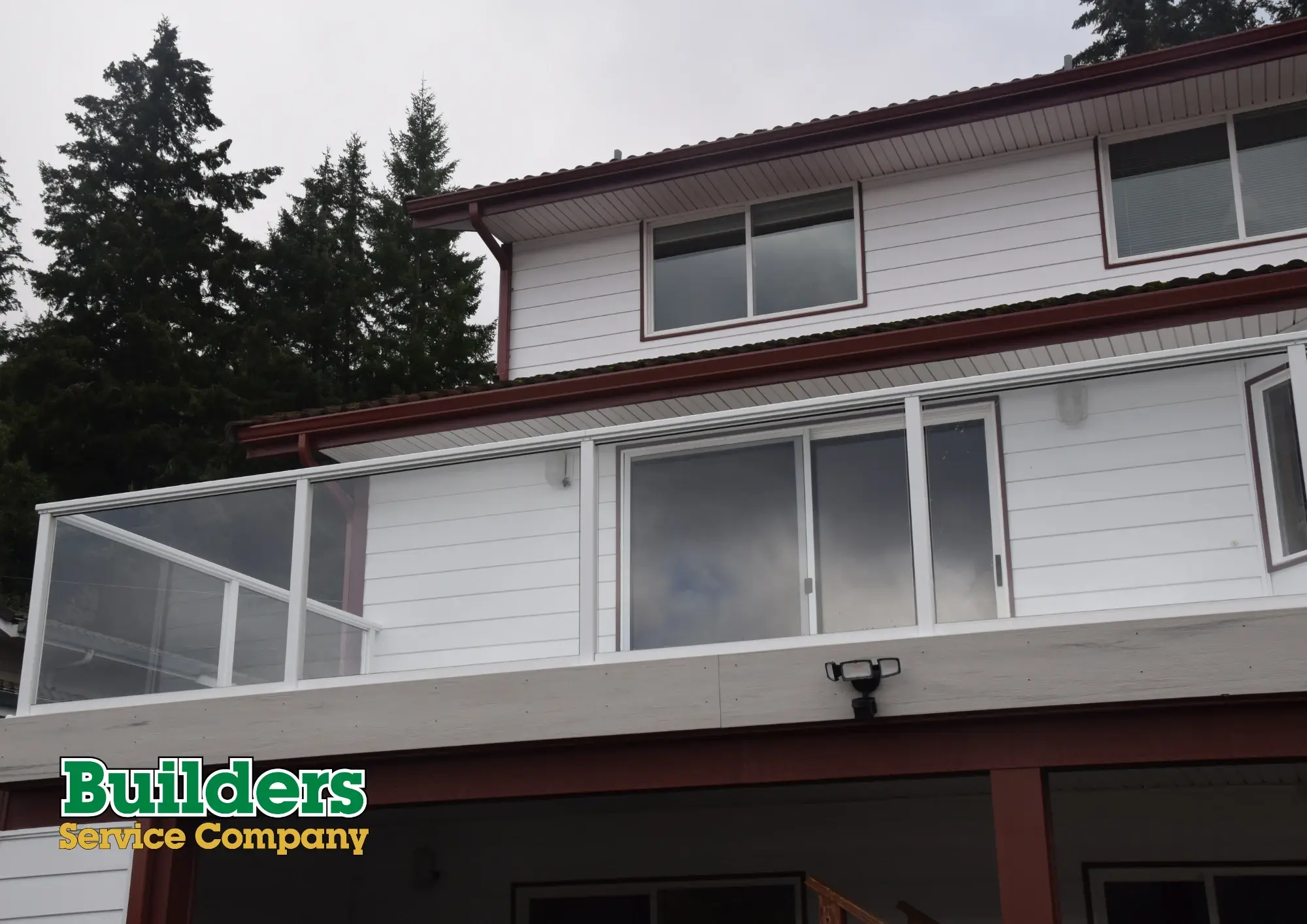
Decks on Auburn homes
The assessor’s median deck in Auburn covers 240 square feet. That is enough room for a table and chairs or a grill with some seating, and it gives you a realistic starting point whether you are replacing an old deck at the same footprint or sizing a new one.
Height is the bigger variable. Assessor records show 46% of Auburn single-family homes have two or more stories. On those houses, a deck off the main living level often sits well above the yard, which means taller posts, more bracing, a full stair run and a guardrail along every open edge. Those parts shape the design as much as the boards on top.
Few lots here face water or a view. The assessor lists 1% of homes as waterfront and 5% with a view. If yours is one of them, the railing becomes part of what you look at, so we pick a style that keeps the line of sight clear from a seated position.
Census data shows 61% of Auburn homes are owner-occupied,, and a deck is something long-term owners live with for years.
Building a deck for Auburn’s weather
Valley-floor humidity is the condition that wears decks down in Auburn. Four choices make the biggest difference.
- Choose boards that handle damp. Composite and vinyl decking won’t rot and never need staining, so they suit low, humid lots and decks shaded by the house. Wood is the pick for natural grain or a smaller budget. Plan on sealing it on a regular schedule so water doesn’t soak in.
- Give water a way out. We gap boards for drainage, slope the surface away from the house and flash the joint where the deck meets the wall, so rain runs off instead of sitting against framing.
- Plan for slick surfaces. Damp air and shade let moss and algae build up on any material. A textured board, a spot that gets some sun and a rinse each spring keep footing safer.
- Build tall decks for their height. With so many two-story homes in Auburn, plenty of decks sit a full floor above the yard. We size posts, beams and bracing for that height and keep the space underneath open so it can dry out between storms.
Wildfire risk for Auburn is rated Low, at the 60th percentile statewide. That puts moisture, not embers, at the center of your material choice. Even so, keeping leaves and stored firewood out from under the deck is a sensible habit on any lot.
Signs your deck needs replacing
Most deck failures here start with water. Walk your deck after the wet season and look for:
- Boards that feel soft or spongy underfoot, or that a screwdriver sinks into, especially near the house and at the stairs.
- Moss or dark staining that comes back quickly on shaded boards, a sign the wood is staying wet.
- Railings or posts that move when you lean on them. On a second-story deck, have this checked right away.
- Rust streaks at fasteners and hangers, or a gap opening where the deck meets the house.
Auburn’s homes range from 1960s tracts such as Forest Villa Add, with a median build year of 1962, to plateau neighborhoods like Bridges PUD at 2015. A deck on an older lot may have been through many wet seasons, so it deserves a close look.
Get a free deck consultation in Auburn
Schedule a free in-home consultation. We’ll measure the space, check any existing framing and compare wood, vinyl and composite decking with you. Call 206-430-1927 or contact us online. Ask about our lifetime warranty, financing and discounts for seniors, active military, veterans and first responders. We also serve Pacific. See all our Auburn home exterior services.
Auburn deck building FAQ
Do I need a permit to build a deck in Auburn?
Deck permits in Auburn are issued by the City of Auburn, and whether your project needs one depends on the deck's design. We check with the city while we plan your deck and handle the permit paperwork when one is required. That review is part of every deck we build, from a low platform off the patio door to a deck a full story up, which is common here since 46% of Auburn homes have two or more stories.
Which decking holds up best to Auburn's damp valley climate?
Composite and vinyl decking hold up best to Auburn's damp conditions because they won't rot and don't need staining. Valley-floor humidity keeps boards wet longer, especially on the shaded side of a house, so a low-maintenance surface makes sense here. Wood still works if you want natural grain or a lower budget, as long as you seal it regularly. We'll compare all three at your free in-home consultation.
How big is a typical deck in Auburn?
The median deck on an Auburn single-family home covers 240 square feet, according to King County assessor records. That is a practical baseline, but the right size depends on your yard, the door you are building off and how many people you host. On two-story homes, a deck at the main floor also needs stairs and taller supports, which we work into the design from the start.
Should wildfire risk affect my decking choice in Auburn?
Wildfire risk in Auburn is rated Low, at the 60th percentile statewide, so moisture is the bigger concern for most decks here. Focus your board choice on rot resistance, drainage and slip resistance. It is still smart to keep leaves, debris and stored firewood out from under the deck. We'll match wood, vinyl or composite decking to your lot and how much upkeep you want.