Moses Lake, WA
Siding Replacement in Moses Lake, WA
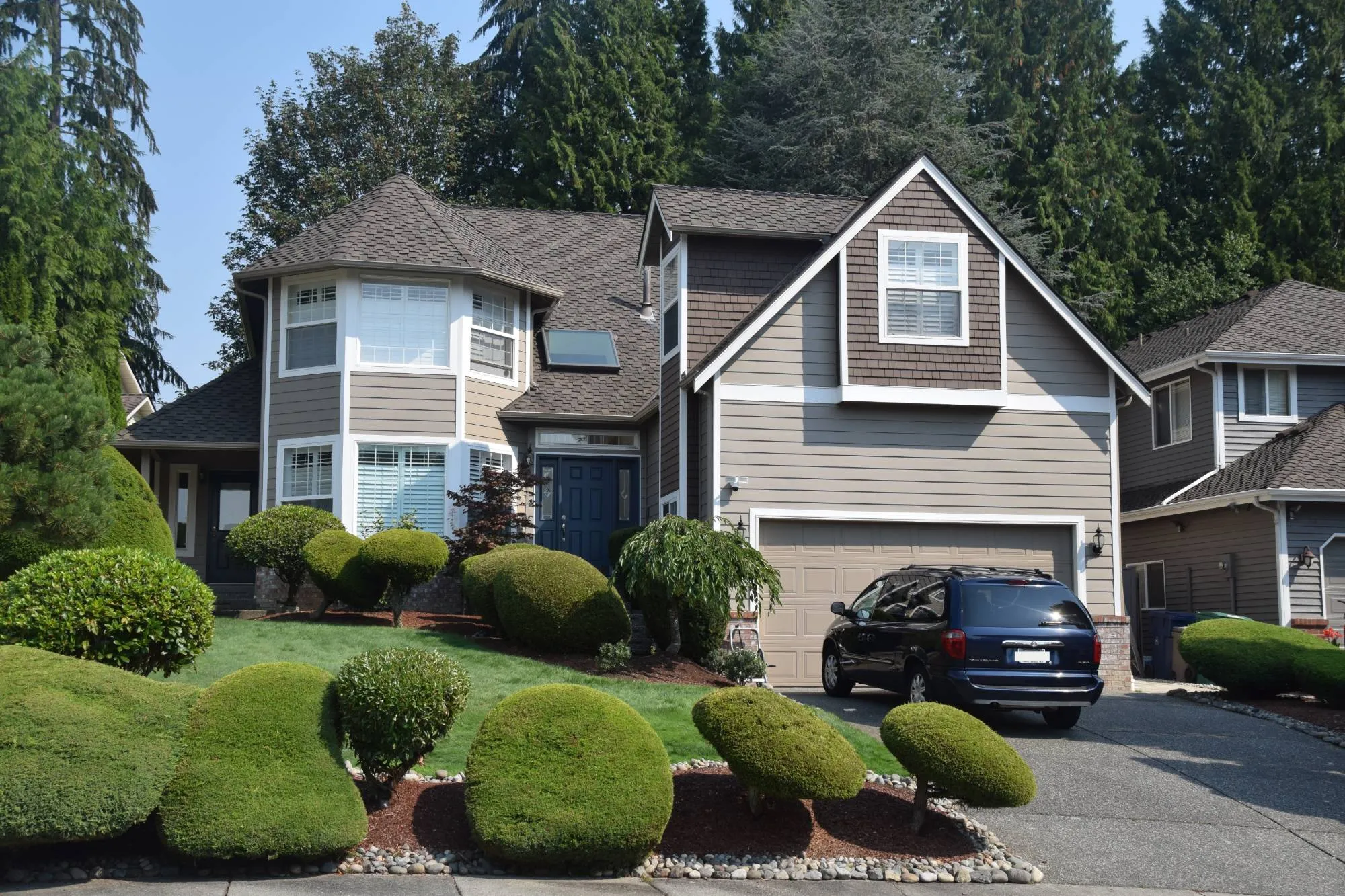
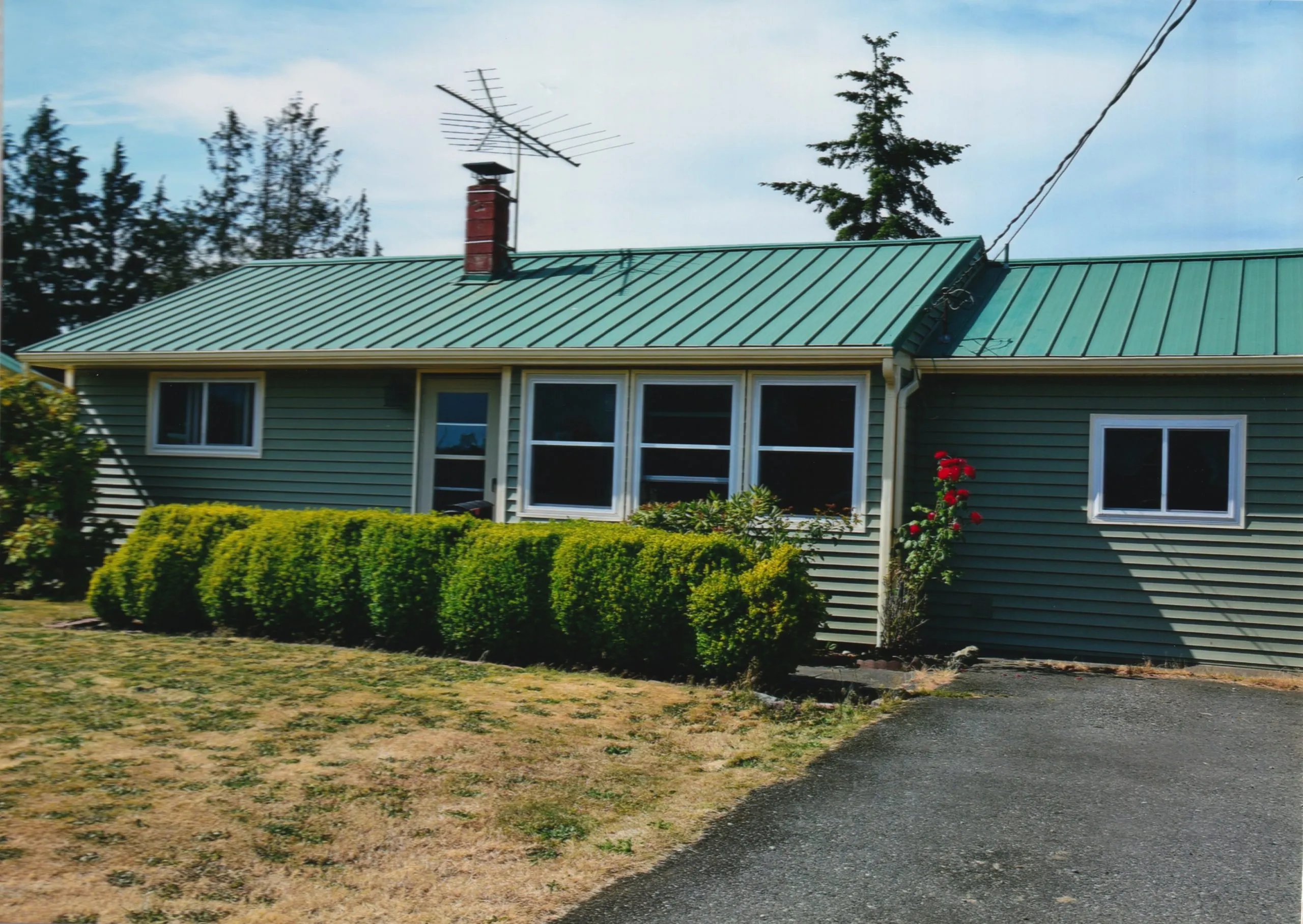
Census data shows 41% of Moses Lake’s 10,607 housing units were built in 2000 or later, and the median home dates to 1992. Much of that newer housing went up with builder-grade vinyl or fiber cement, and a lot of it is now reaching its first repaint or replacement. If you are planning vinyl siding replacement in Moses Lake, the real decision is what goes on in place of that original cladding, and which of the siding types we install fits your house, your budget and the way you heat it.
What’s on Moses Lake homes now
The rest of the city’s housing comes from older eras. Census figures put 36% of homes in the 1950 to 1979 range, 20% between 1980 and 1999, and just 3% before 1950. Each era tends to carry a different kind of siding:
- Built 2000 or later (41%): builder-grade vinyl or fiber cement, now old enough to need a first repaint or full replacement.
- Built 1980 to 1999 (20%): composite and hardboard siding, including LP siding, which has a known history of moisture failure.
- Built 1950 to 1979 (36%): cedar, T1-11 or asbestos-cement shingles. Asbestos-cement siding may contain asbestos and should be tested before removal.
- Built before 1950 (3%): likely original wood lap siding, with possible lead paint.
By structure type, Census data shows 59% of housing units are detached houses, 11% are attached homes and 8% are mobile homes. Detached houses carry the most wall area per home, which is where siding choice affects cost most. The city’s 61% owner-occupancy rate also means a large group of long-term owners who are putting money into their exteriors rather than patching them year to year.
Choosing siding for Moses Lake’s conditions
We usually recommend three siding types, plus stone accents. Here is how each one lines up with what the data says about Moses Lake.
Fire exposure. The state’s wildfire assessment labels Moses Lake as Elevated, ranking it in the 88th percentile among Washington communities. That favors siding that will not add fuel to a fire: the Evergreen Shield Siding System, our exclusive insulated composite siding with a Class A fire rating, or metal siding.
Electric heat. Census data shows 89% of Moses Lake homes heat with electricity from Grant County PUD, and only 7% use gas. Where most heat comes from electricity, insulated siding pays back more. The Evergreen Shield Siding System has an insulating graphite membrane with a thermal resistance of R-2.0, against R-0.61 for standard vinyl siding.
Budget and wall area. Vinyl siding is the most versatile and least expensive of the three. It is the practical pick when you have a lot of wall to cover or want to hold the project cost down, and we lay out vinyl options to fit your budget.
Home value. The median Moses Lake home is worth about $310,000, which Census data puts 10% above the Grant County median. Owners in that range more often move to the Evergreen Shield Siding System or metal as a long-term upgrade.
Stone accents. Stacked stone and stone veneer work on entries, wainscots, columns and chimneys alongside the main siding. Stone is noncombustible, so a stone base course near grade also makes sense in a city with this wildfire ranking.
Which of these fits your house is something we settle together at the free in-home consultation, after looking at your walls, their exposure and your budget.
Evergreen Shield Siding System in Moses Lake
Sun is hard on siding in the Columbia Basin. The region sees high UV along with temperature extremes, wind and dust, and faded color is a common result on exposed walls. The Evergreen Shield Siding System is our exclusive insulated composite siding, designed for the Pacific Northwest climate. It comes in 20 built-in, fade-resistant colors that resist chipping, peeling and fading, so the sunny side of your house does not need repainting to keep up with the shaded side.
It is also the siding we point to above for fire exposure and for electric-heated homes. For many Moses Lake houses, that means one product answers sun, fire and insulation at once, instead of trading one concern against another.
Signs your siding needs replacing
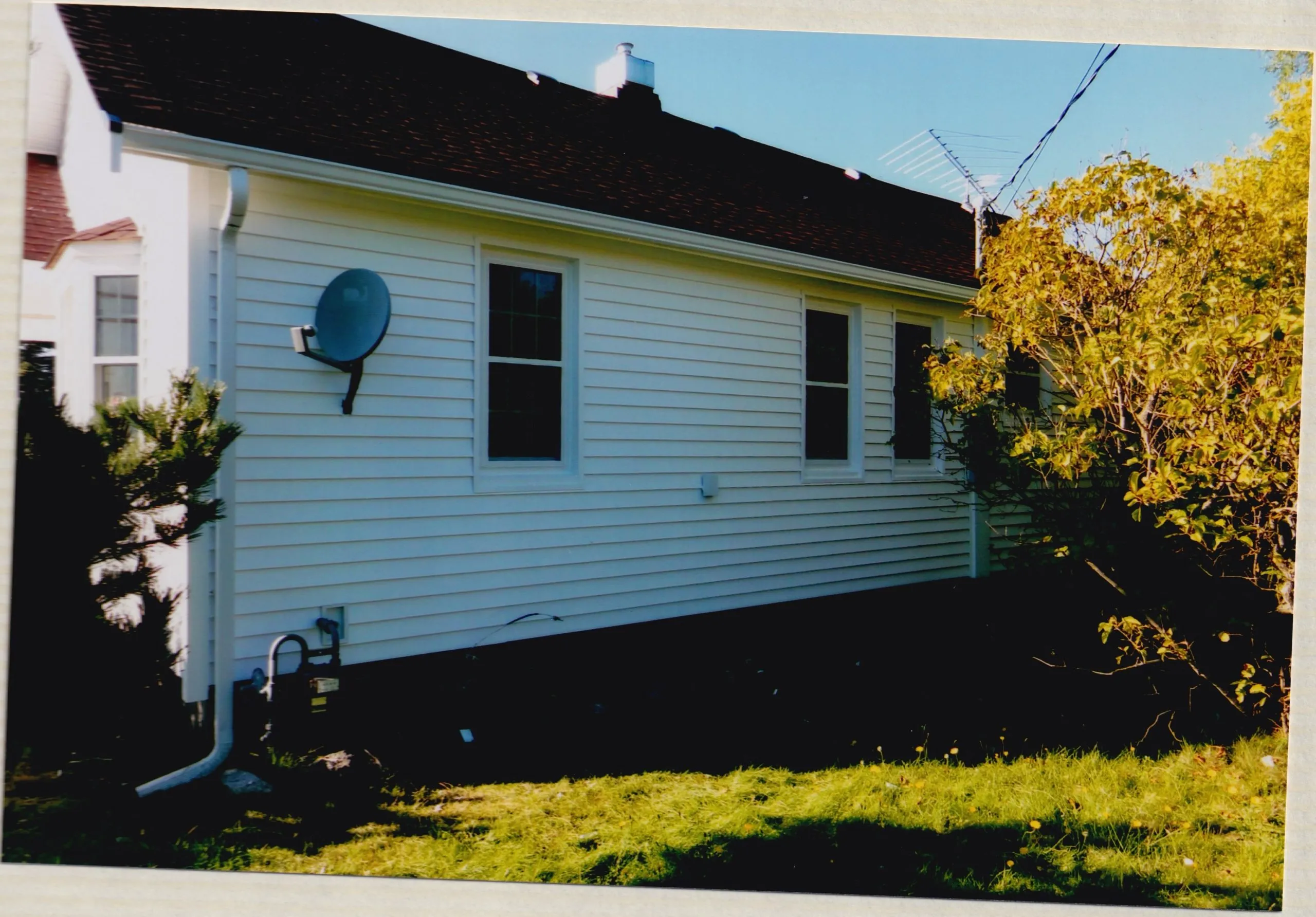
On newer Moses Lake homes still wearing their original builder-grade vinyl, look for:
- Uneven fading, with south and west walls noticeably lighter than shaded ones after years of high UV.
- Cracked, split or brittle panels where freeze-thaw cycles and temperature extremes have worked on them.
- Panels that rattle, have pulled loose at the laps or have blown off in the wind.
On houses from 1980 to 1999 with hardboard or LP siding, the warning signs are moisture related: swelling, soft spots and flaking along the bottom edges of the boards and at the drip edge. Swollen hardboard is a sign the boards have taken on water, and on these houses we plan for full removal rather than spot repairs.
Get a free siding consultation in Moses Lake
Schedule a free in-home consultation or call us toll free at 888-980-8580. Our work comes with a lifetime warranty, financing is available, and we offer discounts for seniors, active military, veterans and first responders. Washington contractor license BUILDSC027JN. For roofing, windows and decks, see our Moses Lake home exterior services.
Moses Lake siding FAQ
Is vinyl siding a good choice for a Moses Lake home?
Yes, for many homes it is. Vinyl is the most versatile and least expensive of the siding types we usually recommend, which helps on detached houses, which make up 59% of Moses Lake housing units and have the most wall area to cover. If wildfire is your main concern, the city's 88th percentile wildfire ranking points toward the Evergreen Shield Siding System or metal instead.
Is insulated siding worth it when most homes here heat with electricity?
It is worth weighing. Census data shows 89% of Moses Lake homes heat with electricity, and where heat is mostly electric, insulated siding pays back more. The Evergreen Shield Siding System has an insulating graphite membrane rated R-2.0, compared with R-0.61 for standard vinyl siding. We can compare it with vinyl and metal for your house during the free in-home consultation.
What should I know before removing siding from a 1950s to 1970s house?
Test first if the siding could be asbestos-cement. About 36% of Moses Lake homes were built between 1950 and 1979, an era of cedar, T1-11 and asbestos-cement shingle siding. Asbestos-cement may contain asbestos and should be tested before removal. Cedar and T1-11 can come off and be replaced with vinyl, metal or the Evergreen Shield Siding System, often with stone accents at the base.