Seattle, WA
Window Replacement in Seattle, WA
The median single-family house in Seattle was built in 1948, according to King County assessor records, and 52% of the city’s 153,082 single-family homes went up before 1950. That age drives most window work here: original wood sashes, a patchwork of replacements from past decades, and frames that have sat through many wet winters. Our replacements are Preservation 9000 vinyl windows, a line Builders Service Company provides exclusively in Washington, measured and fitted opening by opening.
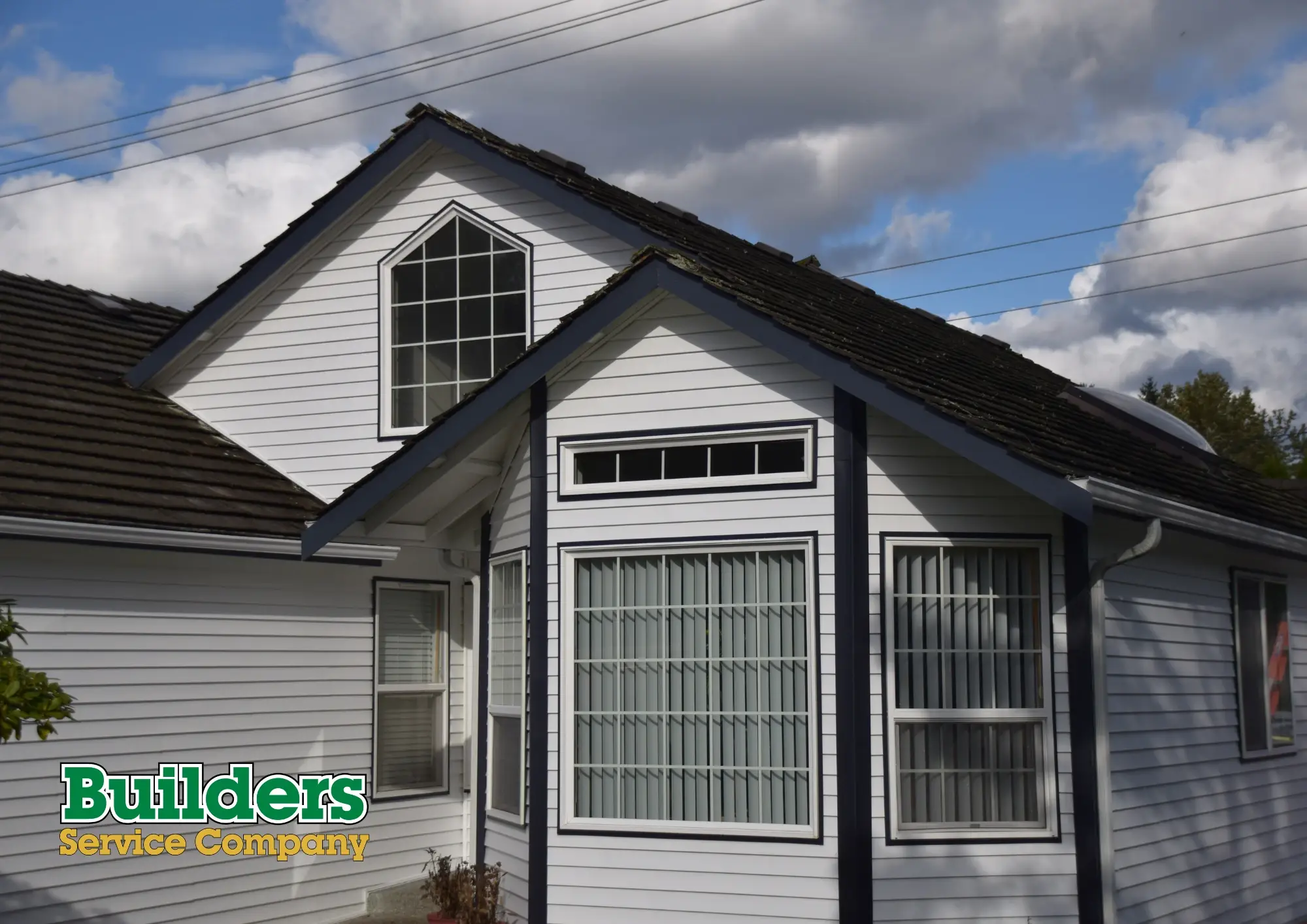
Windows in Seattle homes today
Seattle houses fall into a few clear window generations. Homes from before 1950 usually still have single-pane glass or early windows, often in wood sashes painted over many times. The 20% of single-family homes built from 1950 to 1979 tend to have aluminum frames or early vinyl. Only 6% date from 1980 to 1999, the years of first-generation vinyl windows, and many of those units are now losing their seals. Another 22% were built in 2000 or later and came with builder-grade windows.
Assessor data by plat shows how mixed the city is. Homes in Salmon Bay Park have a median build year of 1925 and those in Sea View Park 1943, so original or early windows are common there. In Gilman Park the median is 2015, which points to builder-grade units in nearly new walls.
Height is part of the picture. Assessor records show 39% of single-family homes have two or more stories, so many jobs include upper-floor openings that need careful measuring and access planning.
Census figures cover all 393,918 housing units in the city, 51% of them in apartment buildings, and put the median year built at 1976. For a detached house, the assessor’s 1948 figure is the better guide to what is in your walls.
Heating costs, comfort and efficiency in Seattle
Census data shows 61% of Seattle homes heat with electricity, 33% with gas, 3% with oil and 1% with propane. That mix matters for windows. Where the heat comes from electricity, oil or propane, every draft through a loose single-pane sash costs more, so the payback from efficient replacement windows is larger than in a house heated mainly with gas.
Seattle City Light supplies the city’s electricity. If you heat with electricity, call the utility or check its website for any window programs running now; we do not quote utility incentives ourselves, because the utility sets and changes them.
Comfort is the other half. Old single-pane glass in wood or aluminum frames runs cold to the touch in winter, and moisture from cooking and showers condenses on it and drips onto the sills. Vinyl frames resist warping, cracking and rot, and they do not need painting or staining, which suits a climate where wood sills spend months damp. A tighter window also keeps rooms near the glass closer to the temperature of the rest of the house.
Choosing replacement windows for Seattle
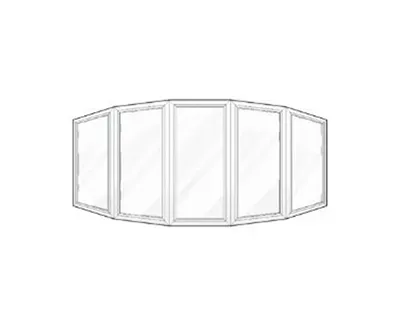
Every recommendation is settled at the free in-home consultation, but a few patterns hold across Seattle houses. Preservation 9000 windows come as double-hung, slider, casement, awning, hopper, picture, garden, bay and bow, and custom shapes.
- Second-floor rooms: With 39% of single-family homes on two or more levels, upstairs openings are routine. A slider or casement opens without a sash rising into the eave line, so it fits low overhangs and dormers.
- View lots: The assessor marks 17% of single-family homes as having a view. A large picture window, or a bay or bow unit that pushes the glass outward, keeps that view open without heavy frames in the way.
- Rooms facing busy streets: Traffic noise is noted at 19% of single-family homes, while only 1% are in an airport noise zone. Replacing single-pane glass in bedrooms on the street side can make them quieter, although we do not promise a set reduction.
- Landmark districts: Seattle has landmark districts where the look of the front of a house matters. In those areas we suggest double-hung windows with profiles that follow the originals and confirm what approvals the district requires before anything is ordered.
Signs your windows need replacing
In a pre-1950 house, start at the sills. Wet winters keep the bottom rail and sill damp, and soft or crumbling wood there, especially on north faces where moss and rot settle in, means water is getting into the frame. Sashes that swell and stick, or have been painted shut, point to the same problem. In 1950s to 1970s aluminum frames, watch for condensation running down the glass and frame on cold mornings. On first-generation vinyl and builder-grade units, the usual sign is fogging between the panes, which means the seal has failed. Drafts you can feel with the window locked round out the list. Houses built before 1950 may also have lead paint on original sashes, which is worth knowing before removal starts.
Get a free window consultation in Seattle
Schedule a free in-home consultation online or call 206-430-1927. We measure each opening and talk through styles in person. Our work carries a lifetime warranty, financing is available, and we offer discounts for seniors, active military, veterans and first responders. For siding, roofing and decks, see our Seattle home exterior services.
Seattle window replacement FAQ
Does Seattle City Light offer rebates on replacement windows?
Check with Seattle City Light directly, because the utility sets and changes its own programs and we do not quote them. The call is worth making: Census data shows 61% of Seattle homes heat with electricity, and in an electrically heated house the payback from efficient windows is larger. Ask before you order so you know whether any current program applies to your new windows.
Will new windows cut traffic noise in my Seattle home?
New windows can reduce outside noise compared with old single-pane glass, though we never promise a specific decibel drop. King County assessor records flag traffic noise at 19% of Seattle's single-family homes, while only 1% sit in an airport noise zone, so street noise is the more common complaint here. At the consultation we look at which rooms face the street and which openings to start with.
Can you replace windows in a brick or stone house in Seattle?
Yes. We replace old wood and aluminum windows set in masonry walls, measuring each opening so the new Preservation 9000 unit is sized to fit it. King County assessor records show 12% of the city's single-family homes have some brick or stone on the exterior. Many of those are older houses that still have single-pane or aluminum windows, which are typical candidates for replacement.
What should I replace first in a Seattle home built in 2000 or later?
Start with any window that has fogged between the panes, since that means the seal has failed. Assessor records show 22% of Seattle's single-family homes were built in 2000 or later, and most came with builder-grade windows. After the fogged units, look at windows that stick, leak air or run cold. You do not have to do the whole house at once; we can quote the worst openings first.
Do you replace the whole frame or set the new window into the old one?
We use both methods, and the condition of the existing frame decides which. Pocket installation sets the new window into the old frame when that frame is sound; full-frame replacement takes everything out down to the rough opening. In Seattle, where wet winters leave moss and rot on north faces, soft sills or frames usually call for full-frame work. We check every opening during the free in-home consultation.