King County, WA
Siding, Roofing, Windows & Decks in Seattle, WA
More than half of Seattle’s single-family houses were built before 1950. King County assessor records put 52% of the city’s 153,082 single-family homes in that group, and that age shows up in nearly every exterior project we plan here. Builders Service Company replaces siding, roofing, windows and decks for homeowners throughout the city and across King County. The sections below cover what is on local houses today, which materials hold up in the damp Puget Sound climate, and what each service involves on a home like yours.
Homes in Seattle: what’s on them now
Census data and county records describe two different housing stocks. Census figures cover all 393,918 housing units: 51% are apartments, 37% are detached houses and 11% are attached homes. Across those units the median year built is 1976, and the largest group, 33%, dates from 2000 or later.
Single-family houses are much older. King County assessor records put their median build year at 1948, with 20% built from 1950 to 1979, 6% from 1980 to 1999 and 22% in 2000 or later. Only 8% are recorded as renovated.
Here is what each era usually means for the exterior:
- Before 1950: original wood lap siding, possible lead paint, and single-pane or early windows.
- 1950 to 1979: cedar, T1-11 or asbestos-cement shingle siding, with aluminum or early vinyl windows. Asbestos-cement shingles may contain asbestos and should be tested before removal.
- 1980 to 1999: composite and hardboard siding and first-generation vinyl windows. About 4% of single-family homes were built from 1985 to 1996, the main era of LP siding, which has a known history of moisture failure.
- 2000 or later: fiber cement or builder-grade vinyl reaching its first repaint or replacement, plus builder-grade windows.
Build eras shift from plat to plat. Assessor data gives a median build year of 1925 for Salmon Bay Park Add, 1943 for Sea View Park, 1978 for Homecroft Add and 2015 for Gilman Park Add.
Permits for exterior work inside city limits go through the City of Seattle (SDCI).
Siding in Seattle
Most siding jobs in the city replace aging wood siding. Moss and rot tend to show up first on north faces, where walls stay damp the longest.
We usually recommend three siding types, and none of them is wood:
- Vinyl siding is the most versatile and least expensive option. It suits large wall areas, and King County assessor records show 39% of single-family homes here have two or more stories.
- The Evergreen Shield Siding System is our insulated composite siding, built for water resistance through long wet seasons, humidity, mold and mildew. Its insulating graphite membrane gives thermal resistance of R-2.0, compared with R-0.61 for standard vinyl siding. Census data shows 61% of homes heat with electricity, and costly heating is where that insulation counts most.
- Metal siding is the other premium choice. The median home value is about $940,000, roughly 2% above the King County median, so many owners weigh Evergreen Shield Siding System panels or metal against vinyl.
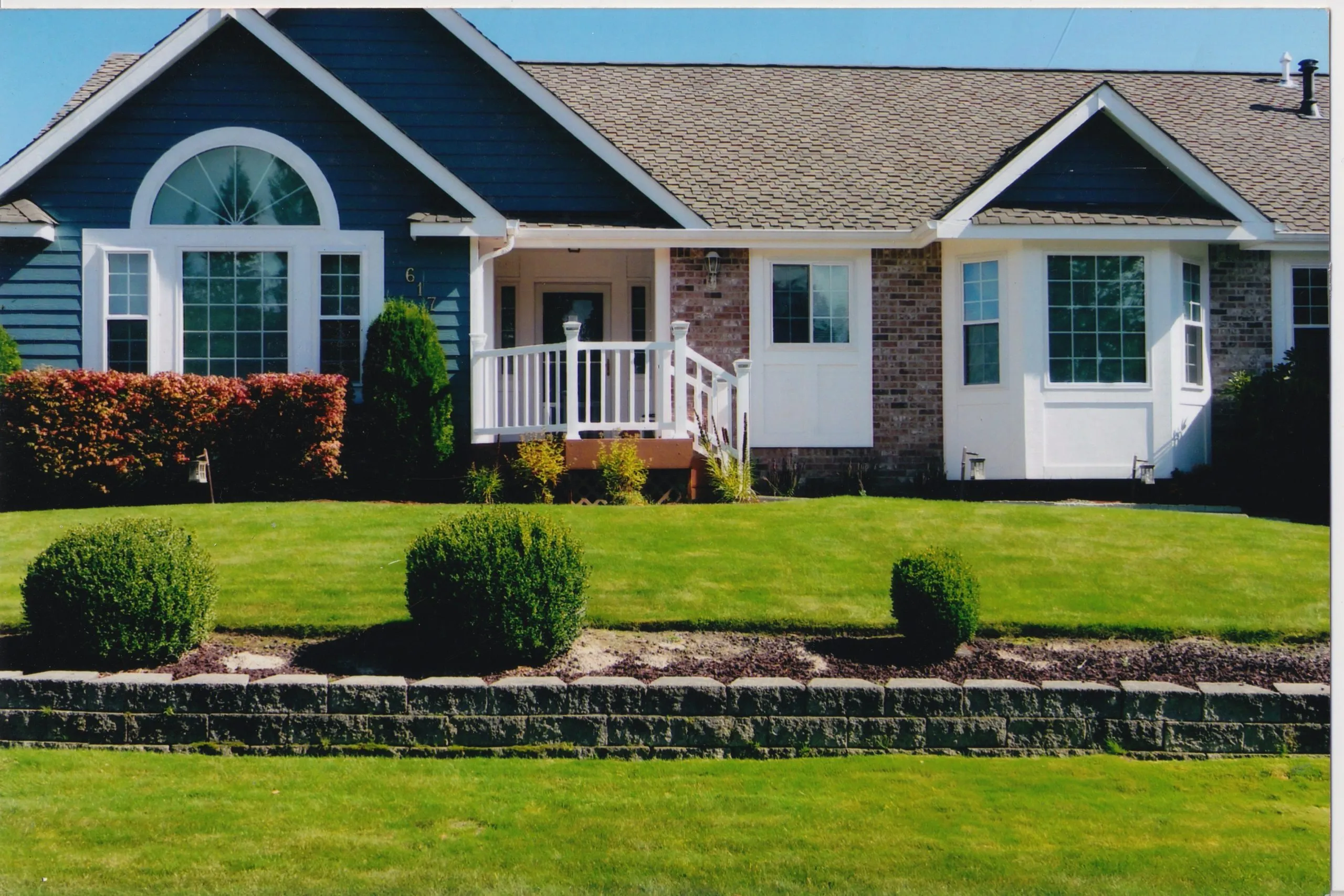
Stacked stone and stone veneer add accents at wainscots, entries, columns and chimneys alongside new siding. Assessor records show 12% of single-family homes already have some brick or stone on the exterior.
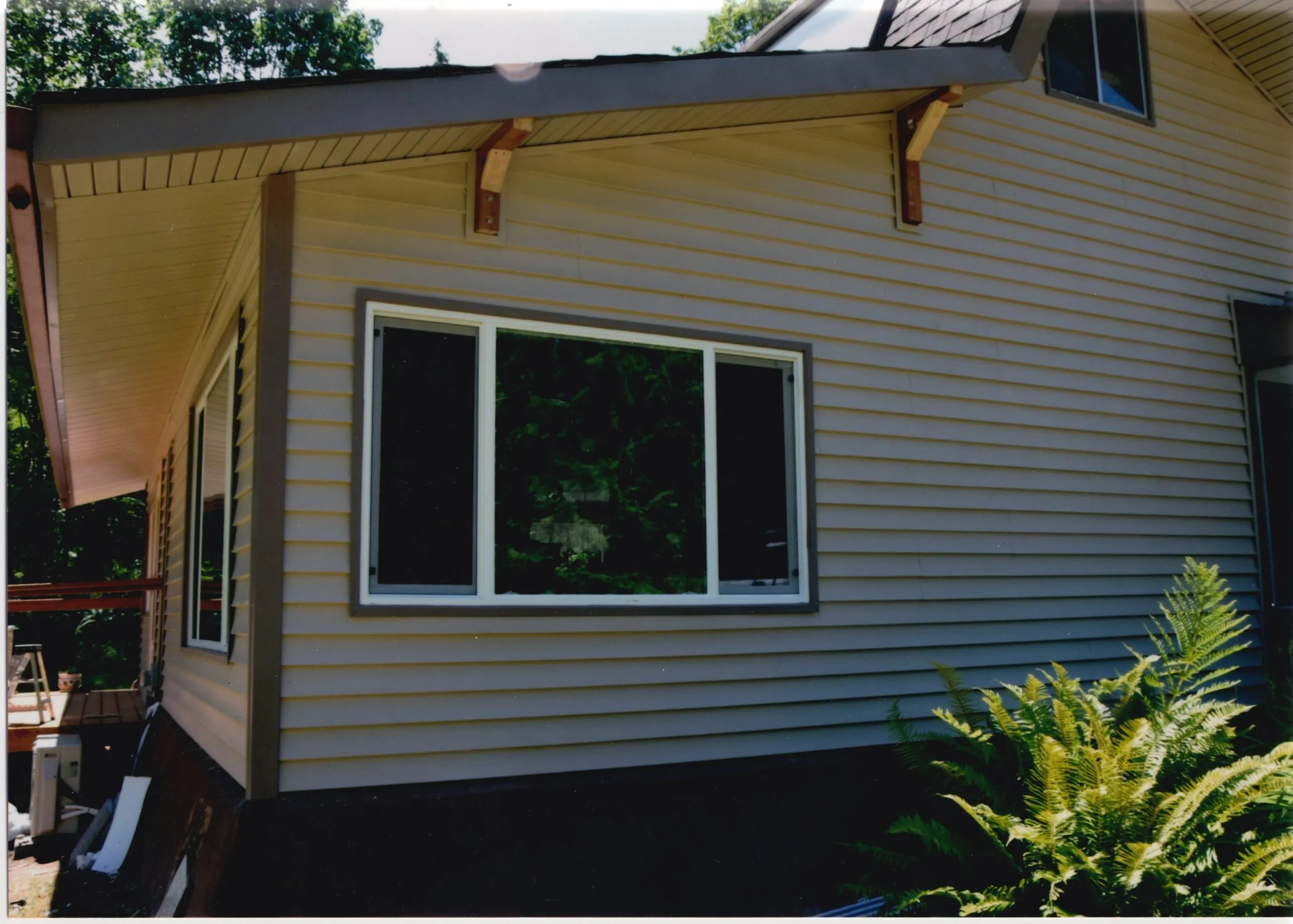
In 2026 we replaced aging wood siding on a Seattle home with the Evergreen Shield Siding System. The old siding had become worn and outdated, and it gave the house less protection from the wet Pacific Northwest climate.
These are the types we usually recommend, and we discuss the best option for your house during the free in-home consultation. Read more about siding replacement in Seattle.
Roofing in Seattle
Moss and rot are the conditions roofs in the city face most, especially on north-facing slopes that stay damp through the rainy months. Wildfire risk is rated Low, at the 54th percentile statewide, so roof choices here turn on moisture more than fire.
We install two roof types and treat them as equal options:
- Asphalt shingle roofing, in traditional three-tab or dimensional architectural profiles and a wide range of colors.
- EDCO metal roofing, for homeowners who prefer the look of a metal roof.
If your house still has old cedar shakes, moss and rot are usually what end their life, and either replacement gives you a surface that is easier to keep clear.
On a wet-climate roof, the details matter as much as the material:
- Underlayment, plus flashing around chimneys, walls and roof penetrations
- Ventilation and attic airflow that limit moisture buildup under the roof
- Gutters and roof edges kept clear so water leaves the roof quickly
Every roof we install as a Seattle roofing company starts with an inspection of the shingles, flashing, ventilation, decking and attic airflow. The typical single-family house here dates from 1948, so older layers or worn decking may sit under the current roof. We remove the old roofing, inspect the decking and repair compromised sections before new underlayment goes down. Tight lots are common, so we keep materials contained, then finish with a final inspection and a cleanup of debris and stray nails.
Learn more about roof replacement in Seattle.
Windows in Seattle
Many older houses in the city still have their original single-pane windows, often in wood or aluminum frames. Houses built before 1950 typically have single-pane or early windows, and those built from 1950 to 1979, 20% of the single-family stock, often have aluminum or early vinyl units.
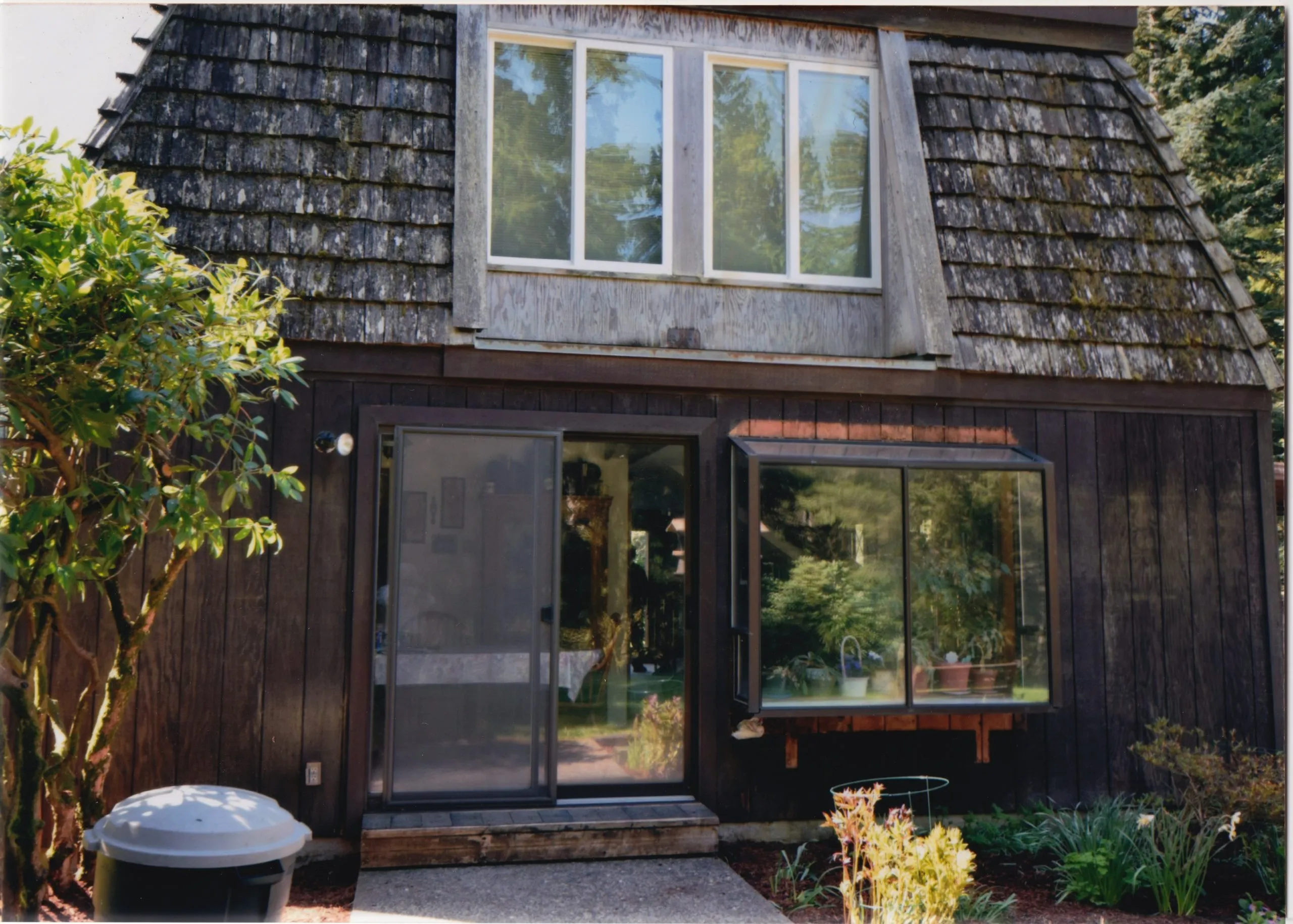
We install Preservation 9000 vinyl replacement windows and are the exclusive provider of Preservation 9000 windows in Washington. Styles include double-hung, slider, casement, awning, hopper, picture, garden, bay and bow, and custom shapes. On local homes we usually match them like this:
- Tight lots and upper floors: sliders or casements, which work well under tight eaves.
- View homes: picture windows and bay or bow units. King County assessor records show 17% of single-family homes have a view.
- Kitchens and baths: casement, awning or hopper windows for ventilation.
- Landmark districts: double-hung profiles that match the originals, with approvals checked before ordering.
Brick and stone walls do not rule out new windows. Assessor records show 12% of single-family homes have some brick or stone exterior, and we replace old wood and aluminum windows in those walls too.
Census data shows 61% of homes heat with electricity, which makes the payback from efficient windows larger. Seattle City Light is the electric utility, so check with the utility for current programs before you order.
Read more about window replacement in Seattle.
Decks in Seattle
Decks are common on local houses. King County assessor records show 52% of single-family homes in the city have one, and the median deck covers 210 square feet.
We build with wood, vinyl and composite decking:
- Composite or vinyl suits most yards here. Neither rots or needs staining, which matters through long wet seasons and on decks shaded by the house.
- Wood works if you want a natural look or a lower starting cost, with regular sealing to keep water out.
Damp weather shapes the details as much as the material. We plan for slip-resistant surfaces, drainage that keeps water moving off the boards, and gaps and flashing at the house wall so water does not sit against the framing.
Views matter too. Assessor records show 17% of single-family homes have a view, and on those decks we choose railings that keep sightlines open. Before we build, we look at how you will use the space, where it gets sun and shade, and how the deck connects to the doors you use most.
Learn more about deck building in Seattle.
Get a free in-home consultation
Schedule a free in-home consultation or call our Seattle office at 206-430-1927. We’ll look at your siding, roof, windows and deck and explain the options that fit your house. Our work carries a lifetime warranty, financing is available, and we offer discounts for seniors, active military, veterans and first responders.
Seattle siding, roofing, window and deck FAQ
My house was built in the 1940s. What siding is probably on it now?
Most likely the original wood lap siding, which is typical of houses built before 1950, and the paint on it may contain lead. We usually replace it with vinyl siding, the Evergreen Shield Siding System or metal siding, none of which is wood, and we handle old painted siding with care during removal. Stone veneer accents can be added at the base or entry. The best option is settled during your free in-home consultation.
Does insulated siding make sense for a house with electric heat?
It can, because insulation pays back more where heating is costly. The Evergreen Shield Siding System uses an insulating graphite membrane with thermal resistance of R-2.0, compared with R-0.61 for standard vinyl siding. Our founder, Mason Ruppel, discussed the system's development with host Gaard Swanson on KOMO 4's Seattle Refined. At your consultation we compare it with vinyl and metal siding for your walls and budget.
Should I choose asphalt shingles or metal for a roof that keeps growing moss?
Either can work, because on a damp, shaded roof the detail work matters most. We install asphalt shingle roofing and EDCO metal roofing, and on both we focus on underlayment, flashing around chimneys and penetrations, and ventilation and attic airflow that limit moisture under the roof. Keeping gutters and roof edges clear also helps water leave the roof quickly. We walk through both options during a free in-home consultation.
Can you replace the windows in a brick or stone house?
Yes. Brick and stone walls do not rule out replacement windows. We remove old wood or aluminum frames and install Preservation 9000 vinyl replacement windows, and we are the exclusive provider of Preservation 9000 windows in Washington. Double-hung profiles can match the look of original windows on older houses, while sliders and casements suit upper floors. We measure every opening during your free in-home consultation.
Are there rebates for new windows in Seattle?
Check with Seattle City Light, the city's electric utility, for current programs before you order. We install Preservation 9000 vinyl replacement windows, which replace single-pane or aluminum-frame units on older houses. Our consultant can help you settle on styles and sizes first, so you have the details ready when you contact the utility. Financing is also available for your project.
How large are most decks on houses here?
King County assessor records put the median deck at 210 square feet, and 52% of single-family homes in the city have a deck. We build in wood, vinyl and composite decking. Composite and vinyl suit the damp climate because neither rots or needs staining, while wood offers a natural look with regular sealing. We size and lay out each deck around how you plan to use it.