

When Did Vinyl Siding Become Popular? The Story Behind America’s Changing Home Exteriors
When did vinyl siding become popular, and why did it become such a familiar sight on American homes? Vinyl first entered the residential exterior market in the late 1950s, but it did not achieve widespread popularity overnight. Its major growth came during the 1970s and 1980s, when manufacturing improvements made the material stronger, more consistent, and available in a wider range of colors.
Today, the history of vinyl siding offers an important lesson for homeowners. A material can become widely used because it solves common problems, yet newer siding systems may provide stronger protection, better insulation, and improved performance for demanding climates such as Western Washington.
When Vinyl Siding Became Popular
- Vinyl siding was introduced to the exterior siding market in the late 1950s.
- Early vinyl products had problems with cracking, fading, and inconsistent quality.
- Manufacturing improvements during the 1970s made the material more durable and dependable.
- Vinyl siding surged in popularity during the 1980s and continued growing through the 1990s.
- Homeowners liked its lower maintenance needs compared with traditional wood.
- Aluminum siding gradually lost market share as modern vinyl became more practical.
- Today, homeowners should compare siding based on climate performance, insulation, water resistance, and installation quality, not popularity alone.
When Did Vinyl Siding Become Popular Across America?
Vinyl siding became broadly popular during the 1980s, although its development began decades earlier. Improvements made throughout the 1960s and 1970s helped transform it from an inconsistent new product into a mainstream home improvement material.
The first versions were introduced in the late 1950s as manufacturers searched for an alternative to aluminum and traditional wood. At that time, wood siding remained common, but it required painting, staining, caulking, and ongoing protection from moisture and insects.
Aluminum provided lower maintenance, but it could dent, scratch, fade, and develop a chalky surface. Vinyl promised another option, but the earliest products were not yet refined enough to dominate the market.
The Late 1950s: Vinyl Was Introduced
Early vinyl siding was produced using a process called mono-extrusion. The siding panel was formed from one continuous layer of material, and colors were often blended with less precision than they are today.
This made product consistency difficult. One batch could differ from another in appearance, flexibility, or strength. Some early panels became brittle, especially when exposed to cold weather. Others faded or cracked after years of sun exposure.
Because of these limitations, the material was introduced in the 1950s but did not immediately become the most popular choice.
The 1960s: Homeowners Began Looking Beyond Wood and Aluminum
During the 1960s, suburban building expanded, and homeowners increasingly wanted exterior siding that did not require frequent repainting. The growing interest in lower-maintenance products helped create an opportunity for vinyl.
Traditional wood still offered a familiar appearance, but maintaining it could become demanding. Moisture intrusion, peeling paint, rot, and insect damage were common concerns when maintenance was delayed.
Aluminum was already well established, but its tendency to dent made it less appealing for some properties. Vinyl was lighter, resistant to rust, and capable of being manufactured in different profiles.
Its siding popularity was growing, but its strongest period was still ahead.
Why Vinyl Siding Surged During the 1970s and 1980s
Vinyl siding surged because manufacturers improved its durability, color consistency, impact resistance, and installation efficiency. At the same time, homeowners were placing greater value on exterior materials that required less routine maintenance.
Manufacturing Became More Advanced
One of the most important changes was the evolution from basic mono-extrusion toward more advanced production methods.
Modern co-extrusion allows manufacturers to create siding with separate layers. The outer layer can be formulated for weather resistance and color protection, while the inner layer provides much of the panel’s strength and structure.
These manufacturing upgrades helped address several weaknesses associated with early siding vinyl products. Panels became more consistent, colors improved, and the material could better handle everyday exposure.
Industry standards also became more established during the late 1970s. More consistent testing and manufacturing expectations helped improve confidence among builders, installers, and homeowners.
Homeowners Wanted Less Maintenance
Maintenance was one of the strongest reasons vinyl became a popular choice.
Wood can create a warm, traditional home exterior, but it normally requires continued care. Depending on exposure and condition, homeowners may need to repaint, restain, recaulk, or repair affected areas periodically.
Vinyl does not need to be painted in the same way. Its color is manufactured into the material, allowing homeowners to avoid one of the most repetitive parts of maintaining a wood exterior.
That was a meaningful improvement for families who wanted to spend less time managing exterior upkeep.
Installation Was Relatively Efficient
Vinyl siding installation also appealed to builders because the panels were lightweight and could cover substantial exterior areas efficiently.
However, efficient installation does not mean careless installation is acceptable. Vinyl expands and contracts as temperatures change. Panels must be fastened correctly so they can move without buckling.
Nailing too tightly can restrict movement. Poor spacing around windows, doors, corners, roofing intersections, and trim can also create visible problems later.
The growing use of vinyl therefore depended not only on the material, but also on contractors learning the proper installation methods.
A Simple Timeline of Vinyl Siding Popularity
| Period | What Changed |
|---|---|
| Late 1950s | Vinyl siding was introduced as an alternative to aluminum and wood. |
| 1960s | Builders and homeowners began experimenting with the new material. |
| 1970s | Product formulations, manufacturing consistency, color options, and impact resistance improved. |
| 1980s | Vinyl became a mainstream siding replacement and new-construction material. |
| 1990s | The material became one of the most recognizable exterior siding options in North America. |
| 2000s to today | Insulated vinyl and other advanced siding systems expanded the market beyond basic panels. |
This timeline explains why different sources sometimes give different answers. Some focus on when vinyl was introduced. Others focus on when it became widely accepted.
The most accurate summary is that vinyl arrived in the late 1950s and became broadly popular during the 1980s.
How Vinyl Changed Residential Building
The rise of vinyl affected more than the appearance of American neighborhoods. It also changed what homeowners expected from exterior materials.
Lower Maintenance Became a Major Selling Point
Before products such as vinyl became common, repainting an exterior was often treated as a normal part of property ownership.
Vinyl helped make lower maintenance a standard expectation. Homeowners began asking whether an exterior product would peel, rot, swell, attract insects, or require regular coatings.
That shift continues to influence modern siding options.
Color Became Part of the Material
With painted wood, the finish sits on the surface. When the coating breaks down, the underlying material becomes exposed.
Vinyl is different because its color is integrated into the product. Scratches may therefore be less visually obvious than damage to a painted surface, although fading and weathering can still occur over time.
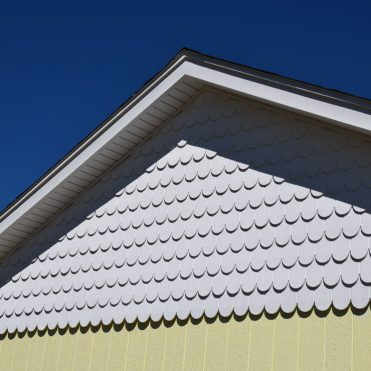
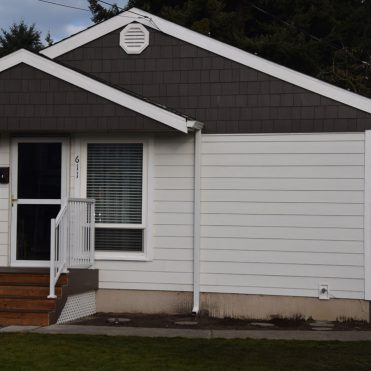
As manufacturing improved, homeowners also gained access to more colors, profiles, textures, shake vinyl styles, and lap siding designs.
Exterior Remodeling Became Faster
For many existing properties, siding replacement offered a practical way to refresh the entire exterior without rebuilding the wall structure.
A coordinated project could update siding, trim, soffits, fascia, windows, gutters, and roofing details. The transformation was often dramatic, especially on homes with peeling wood or heavily dented aluminum.
This made siding one of the most visible home improvement upgrades available.
What Modern Homeowners Should Learn From Vinyl’s History
The popularity of a material does not automatically make it the best option for every house or climate. Homeowners should evaluate how a complete siding system handles moisture, temperature changes, fire exposure, insulation, maintenance, and installation details.
Climate Matters More Than National Popularity
A product that performs acceptably in a dry or mild region may face different challenges in Western Washington.
Local properties must manage:
- Extended periods of rain
- Damp and shaded exterior walls
- Moss, mildew, and organic growth
- Seasonal temperature changes
- Wind-driven moisture
- Dry summer conditions and increasing fire concerns
These conditions place pressure on the entire wall assembly, not only the visible siding panel.
A reliable installation must consider flashing, drainage, breathable weather barriers, insulation, trim, penetrations, and water management around openings.
Basic Vinyl Has Performance Limits
Vinyl remains widely used because it is familiar and relatively low maintenance. However, standard vinyl may provide limited insulation by itself. It can also crack from impact or become brittle under certain conditions.
Insulated vinyl was developed to improve rigidity and thermal performance by placing foam behind the panels. This represented another stage in the evolution of the material, but homeowners should still compare complete systems rather than focusing only on the surface product.
Newer Materials Address Different Priorities
Modern siding development has moved beyond the original question of how to avoid painting wood.
Today, homeowners may prioritize:
- Strong water resistance
- Better thermal performance
- Resistance to swelling and cracking
- Fire resistance
- Built-in, fade-resistant color
- Lower long-term maintenance
- A system designed for local weather
Builders Service Company’s Evergreen Shield Siding System was developed around these priorities for Pacific Northwest properties. It combines a durable composite exterior, insulating graphite membrane technology, water-resistant protection, Class A fire resistance, and professional installation.
Evergreen Shield provides an R-value of 2.0, according to Builders Service Company’s published product information. This helps create a more efficient exterior system while supporting year-round comfort.
How Can You Tell What Type of Siding Is on an Older Home?
You can often identify siding by checking its seams, texture, thickness, sound, exposed edges, and the way it responds to gentle pressure. A professional inspection provides the most reliable answer.
Vinyl siding usually consists of interlocking horizontal or vertical panels. It often has visible seams where panel lengths meet and may flex slightly when pressed carefully.
Aluminum siding may look similar from a distance, but it produces a more metallic sound when tapped and frequently shows dents, scratches, or chalking.
Wood has visible grain and individual boards or shakes. Painted surfaces may show peeling, splitting, or exposed fibers.
Fiber cement products are generally heavier and more rigid. They may resemble painted wood but do not flex like vinyl.
Some homes have multiple layers. Newer siding may have been installed over an older exterior, making it difficult to evaluate the condition of the original wall without checking edges, penetrations, or concealed areas.
About Builders Service Company
Builders Service Company has served Western Washington homeowners since 1974, providing professional siding, roofing, window, and decking improvements. With more than 50 years of exterior remodeling experience, the company understands how local rain, moisture, seasonal temperatures, and changing fire concerns affect Washington homes. Its team focuses on durable materials, careful installation, and personalized recommendations based on the property itself.
Contact us to schedule a free in-home consultation.
Frequently Asked Questions
Was vinyl siding popular in the 1960s?
Vinyl was available during the 1960s, but it had not yet reached the widespread popularity it would achieve during the 1980s.
Early products still had issues with consistency, fading, brittleness, and impact resistance. Continued manufacturing improvement helped the material gain greater acceptance.
What siding was popular before vinyl?
Wood and aluminum were among the most common siding materials before vinyl gained broad acceptance.
Wood offered a traditional appearance but required considerable maintenance. Aluminum reduced some maintenance demands but could dent, fade, scratch, and develop a chalky finish.
Why did vinyl siding become so popular?
Vinyl became popular because it reduced painting requirements, resisted rot, offered many styles, and could be installed efficiently.
Its growth also reflected changing homeowner expectations. People wanted exterior products that looked clean without demanding constant maintenance.
When did aluminum siding lose popularity?
Aluminum siding began losing market share as improved vinyl products became more widely available during the 1970s and 1980s.
Vinyl offered many of the same low-maintenance benefits while avoiding rust and being less prone to obvious denting.
Is old vinyl siding still good?
Old vinyl may remain functional, but its condition depends on product quality, installation, weather exposure, impact damage, and the condition of the wall underneath.
Cracking, warping, loose panels, fading, moisture stains, mold, drafts, or repeated repairs may indicate that a professional siding evaluation is appropriate.
What is better than basic vinyl siding for Washington homes?
A complete siding system designed for moisture control, insulation, durability, and fire resistance may provide stronger regional performance than basic vinyl.
Evergreen Shield was created specifically for Pacific Northwest conditions, with features focused on water resistance, insulation, low maintenance, long-lasting color, and Class A fire resistance.
Choose Siding for the Future, Not Only for Its Past
Vinyl earned its place in home improvement history by answering the needs of its time. It gave homeowners a practical alternative to repainting wood and repairing dented aluminum.
Today, siding can do more.
The right system can help protect the structure, improve comfort, reduce maintenance, strengthen weather resistance, and refresh the appearance of the entire property. Contact Builders Service Company at 888-980-8580 to schedule your free in-home consultation and explore an exterior siding system built for life in Western Washington.