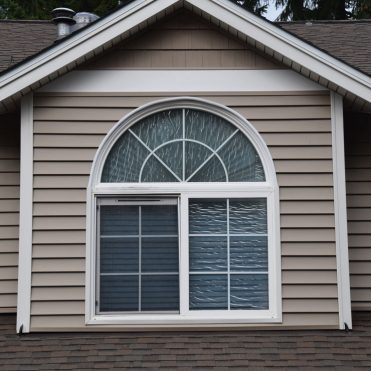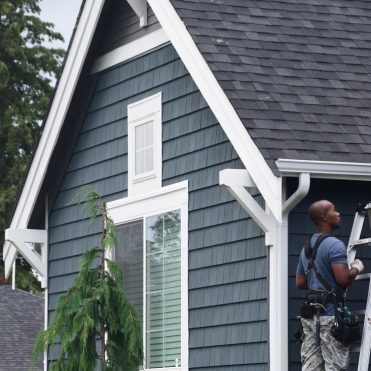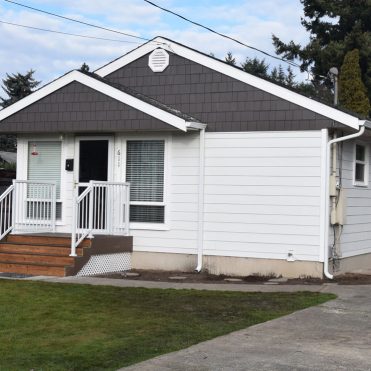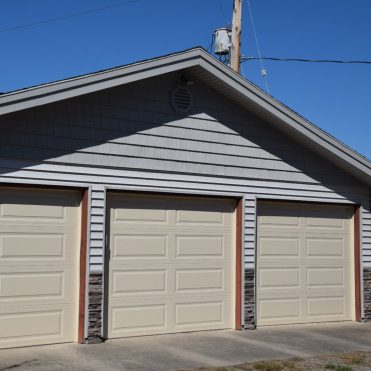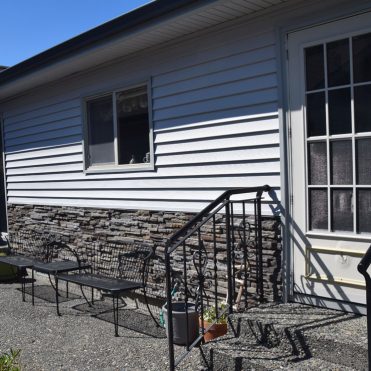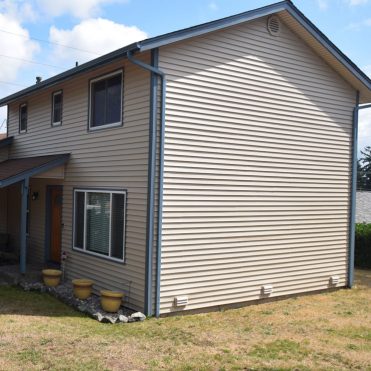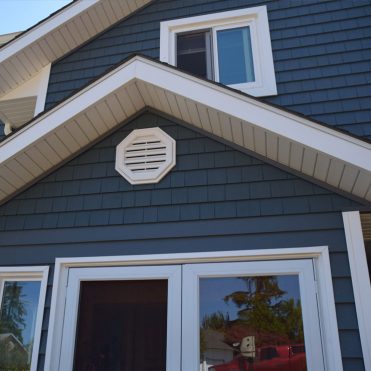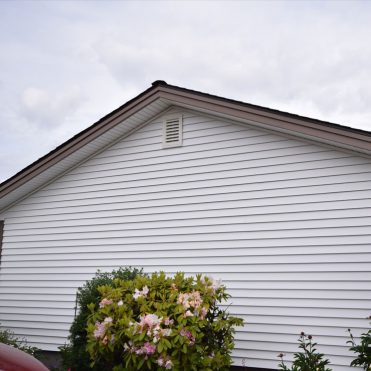


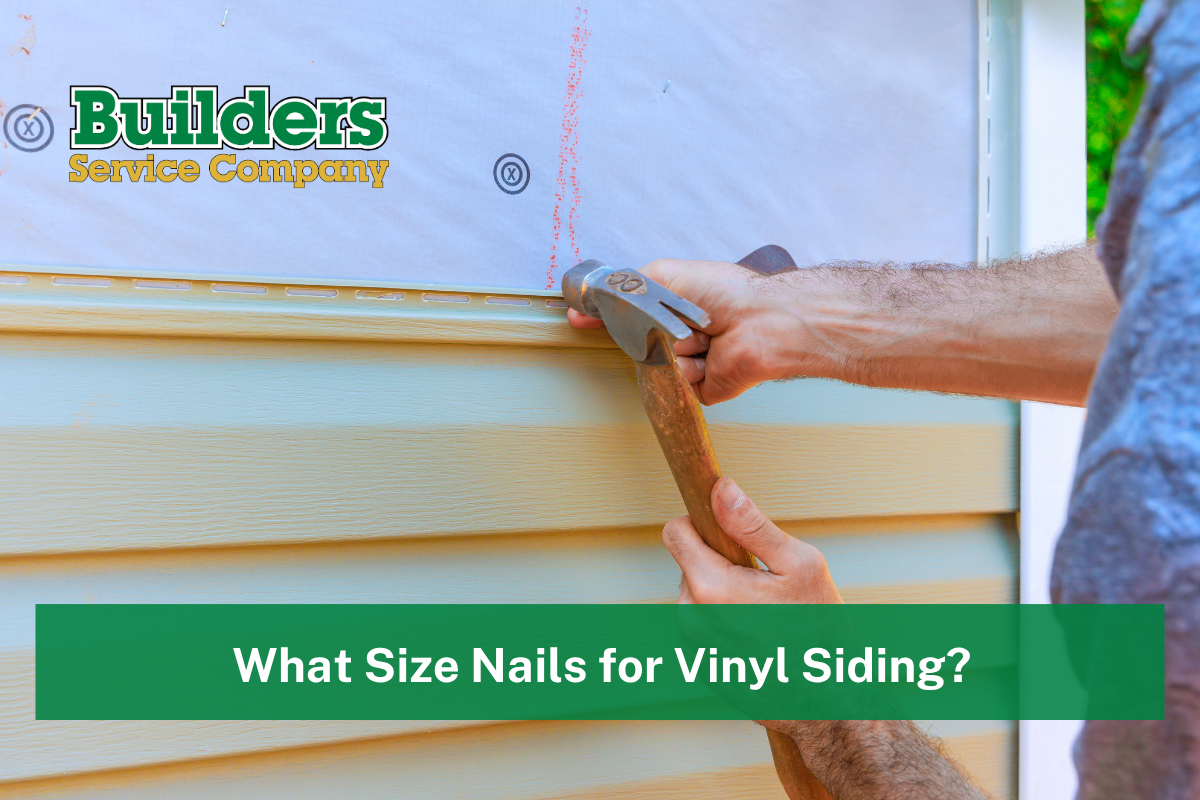
If you are wondering what size nails for vinyl siding, a 1½-inch corrosion-resistant nail is a common starting point for a standard installation. But nail length should never be chosen by length alone. The fastener must reach far enough through the siding and wall layers to achieve proper penetration into solid nailable material.
That distinction matters because vinyl siding is designed to move. Temperature changes cause the panels to expand and contract, so the nails need to hold the siding securely without locking it tightly against the wall. The wrong nail size or fastening method can lead to loose panels, buckling, waves, or premature siding problems.
The Fastening Details Worth Remembering
• A 1½-inch nail is commonly used for a basic siding installation, but thicker wall assemblies may require longer nails.
• Fasteners generally need at least 1¼ inches of total penetration into suitable nailable material.
• Use corrosion-resistant aluminum, galvanized steel, or stainless steel nails.
• Look for a nail head at least 5/16 inch in diameter and a shank around 1/8 inch in diameter.
• Never drive the nail head tightly against the vinyl. Leave approximately 1/32 inch of clearance.
• Center nails in the fastening slots so the siding panels can move as temperatures change.
What Nail Size Should You Use for Vinyl Siding?
For most standard applications, start with 1½-inch siding nails and then verify that the selected length provides the required penetration through the complete wall assembly.
The 2024 International Residential Code requirements for vinyl siding call for a shank diameter of approximately 0.120 inch and a head diameter of about 0.313 inch unless the manufacturer specifies otherwise. Fasteners also generally need at least 1¼ inches of penetration into sheathing, furring, framing, or another approved nailable substrate.
| Installation Situation | Typical Nail Length to Consider |
|---|---|
| Standard wall assembly | About 1½ inches |
| Residing over additional material | Around 2 inches |
| Thick backerboard or insulation | 2½ inches or longer may be needed |
| Trim installation | Often 1 to 1½ inches |
These are practical starting points, not substitutes for the siding manufacturer’s specifications. Measure every layer the fastener must pass through before deciding on the final nail size.
Why Nail Length Depends on What Is Behind the Siding
One of the biggest mistakes when choosing what size nails for vinyl siding is counting foam or another non-nailable layer as part of the required holding depth.
Suppose a wall has vinyl siding installed over foam sheathing. The nail may pass through the foam, but that foam does not provide the same holding strength as wood framing or an approved nailable substrate. The nail therefore needs enough additional length to pass through the foam and still reach the required anchoring depth.
The Polymeric Exterior Products Association vinyl siding installation guidance advises choosing fasteners long enough to penetrate at least 1¼ inches into nailable material.
This is why simply buying a box labeled siding nails without checking the wall construction can cause problems.
Diameter and Nail Head Size Matter Too
Length gets most of the attention, but the diameter of the nail and its head also affect performance.
A typical siding nail should have approximately:
• 1/8-inch shank diameter
• 5/16-inch minimum head diameter
• Corrosion-resistant construction
The wider head helps keep the siding attached without pulling through the fastening slot. At the same time, the head should not clamp the panel firmly against the wall.
In wet or coastal environments, stainless steel nails can provide additional corrosion resistance. CertainTeed’s vinyl siding fastener guidance also emphasizes corrosion-resistant fasteners and choosing nail length according to the underlying wall assembly.
How Tight Should Vinyl Siding Nails Be?
Do not drive nails flush against the siding. Leave approximately 1/32 inch, roughly the thickness of a dime, between the nail head and the nailing hem.
This small space is one of the most important details in siding installation.
Vinyl expands when temperatures rise and contracts when they fall. If every nail pins the material firmly against the wall, the siding cannot move normally. Instead, the panel may bow outward, ripple, or buckle.
After fastening a panel, you should generally be able to move it slightly from side to side. The industry installation guidance from PEPA also recommends centering fasteners within the nail slots so the vinyl can move naturally.
Where Should the Nails Go?
Place each fastener in the center of the elongated nail slot rather than at one end.
For horizontal siding, fasteners are commonly placed no more than 16 inches apart. Vertical siding may require fastening approximately every 12 inches, while accessories such as a corner post can require closer spacing.
Drive every nail straight rather than upward or downward at an angle.
If the existing slot does not line up with suitable nailable material, do not simply nail through a random section of vinyl. A nail hole slot punch can create an appropriate fastening opening while still allowing room for movement.
Can You Use Screw Fasteners Instead of Nails?
Yes. Screw fasteners can be appropriate when permitted by the siding manufacturer, but they must still allow the vinyl to move.
A corrosion-resistant #8 truss-head or pan-head screw is commonly used in suitable applications. Like nails, screws should sit near the center of the fastening slot and should not be tightened until the head clamps the siding firmly against the wall.
The important issue is not whether the installation uses a hammer or screw gun. The fasteners must provide adequate holding strength while allowing normal expansion and contraction.
Common Nail Problems That Can Damage Siding
Using nails that are too short can reduce holding strength and allow sections of siding to loosen, especially during strong winds.
Driving nails too tightly creates the opposite problem. The panel becomes too restricted to move when temperatures change.
Other common problems include:
• Nailing through the face of a panel instead of the designated slot
• Using fasteners that can rust
• Driving nails at an angle
• Missing the intended nailable material
• Ignoring added foam, old siding, or backerboard when calculating nail length
• Stretching a siding panel upward before fastening it
A successful siding installation depends on the entire wall system, not simply the visible panels.
What Washington Homeowners Should Consider Before a Siding Project
Washington homes regularly face rain, moisture, wind, and seasonal temperature changes. That makes proper siding installation especially important.
A complete project can involve flashing, water management, trim, wall preparation, and inspection of the material underneath the existing exterior. If old siding is removed, contractors may discover damaged sheathing, moisture problems, or uneven wall areas that affect the installation method.
For a small repair, knowing what size nails for vinyl siding may help you understand what the job requires. For complete siding replacement, however, assessing the wall underneath the siding becomes much more important.
Proper Siding Installation Goes Beyond Choosing the Right Nail
Builders Service Company has worked on Washington home exteriors since 1974. With more than 50 years of exterior remodeling experience, the team understands that long-lasting siding depends on more than choosing a panel and fastening it to the wall.
For homeowners considering full siding replacement, the company can inspect the existing exterior, identify installation concerns, discuss appropriate materials, and determine how the wall should be prepared before new siding is installed.
Builders Service Company also offers its Evergreen Shield Siding System, developed around the demands Pacific Northwest homes face from changing weather and moisture.
A professional assessment can be particularly valuable when existing siding is failing, underlying sheathing may have damage, added insulation changes the wall thickness, flashing needs attention, or a home has complicated windows, corners, gables, and exterior penetrations.
Why Homeowners Choose Builders Service Company
• Serving Washington homeowners since 1974
• More than 50 years of exterior remodeling experience
• Better Business Bureau A+ accredited business
• Licensed and insured Washington contractor
• Two-time Golden Hammer Contractor Award recipient
• Extensive experience with siding and other exterior remodeling projects
Plan Your Washington Siding Project
If your existing siding is loose, damaged, outdated, or ready for replacement, Builders Service Company serves homeowners throughout Western Washington and the Puget Sound region, including Seattle, Tacoma, Bellevue, Everett, Olympia, Puyallup, Federal Way, Kirkland, and surrounding communities.
You can schedule a free in-home consultation to discuss your exterior, siding options, wall conditions, and the installation approach that makes sense for your home.
Frequently Asked Questions
Can Vinyl Siding Nails Be Too Long?
Yes. Nails that are unnecessarily long may enter areas where additional penetration is not needed. Choose the nail size according to the complete wall assembly and manufacturer requirements.
Should I Use Stainless Steel or Galvanized Nails for Vinyl Siding?
Both can work when approved for the installation. Stainless steel provides excellent corrosion resistance, while properly galvanized siding nails are widely used for exterior siding projects.
Can You Use a Nail Gun for Vinyl Siding?
Yes. A nail gun can be used if its depth is adjusted carefully so the fasteners do not clamp the siding tightly against the wall.
Do You Nail Vinyl Siding Into Studs?
It depends on the wall assembly and manufacturer instructions. The key requirement is achieving proper penetration into approved nailable material capable of securely holding the siding.
Are Roofing Nails the Same as Siding Nails?
Not necessarily. Some roofing-style nails may meet siding requirements, but you should confirm the head diameter, shank diameter, length, material, and manufacturer specifications before using them.
How Do I Know If Vinyl Siding Was Nailed Too Tightly?
Buckling, rippling, or siding panels that cannot move slightly from side to side can indicate that the fasteners were installed too tightly.