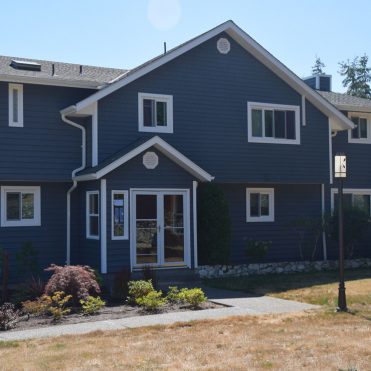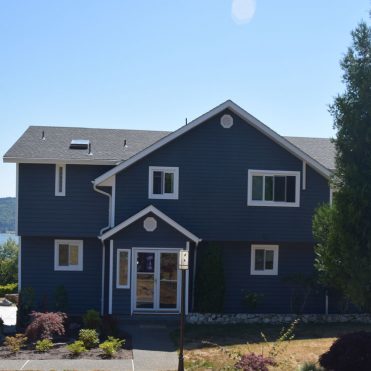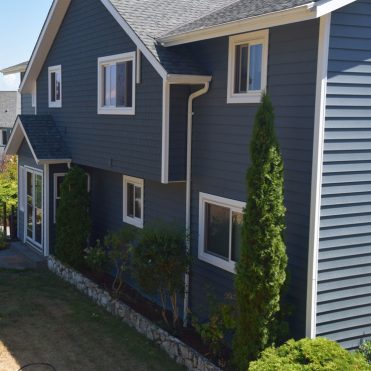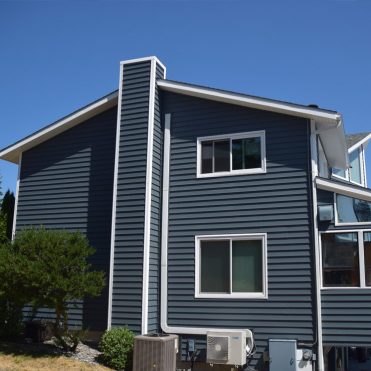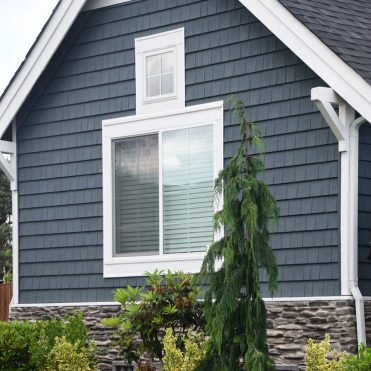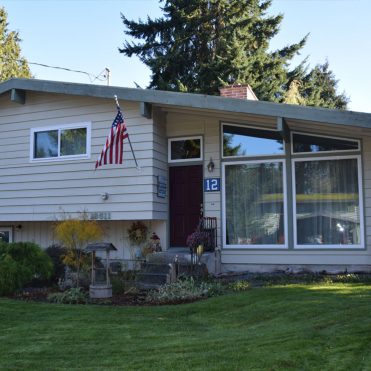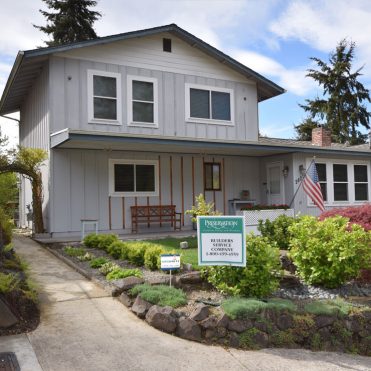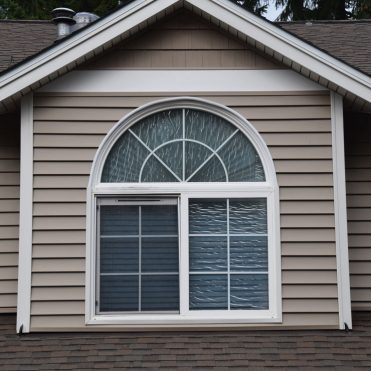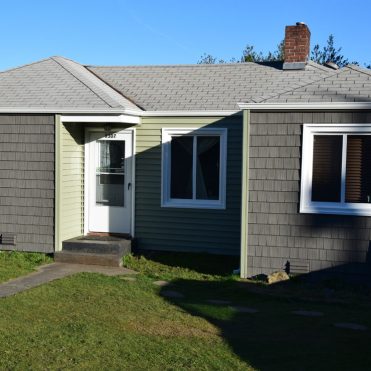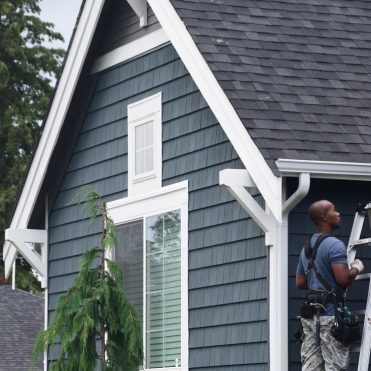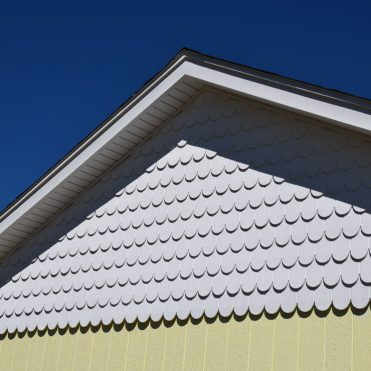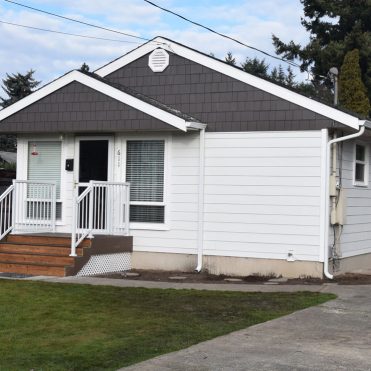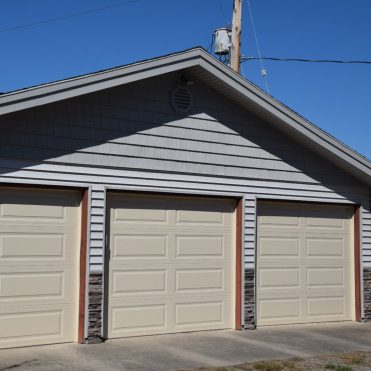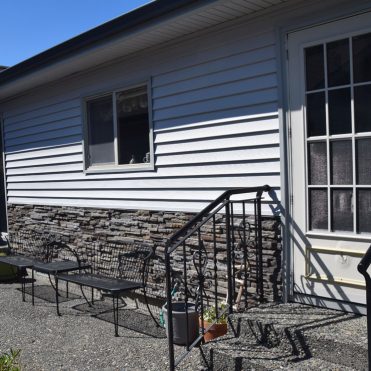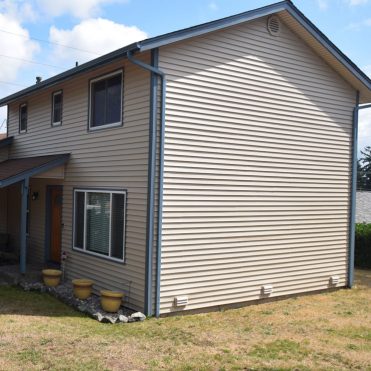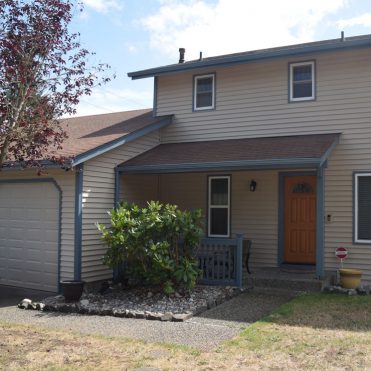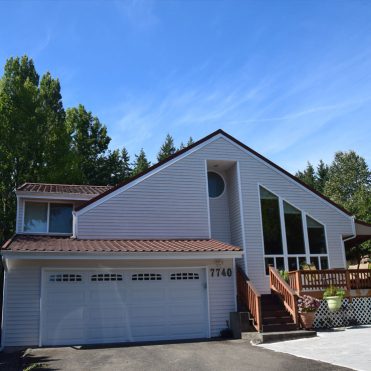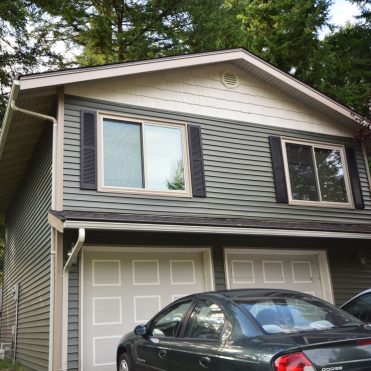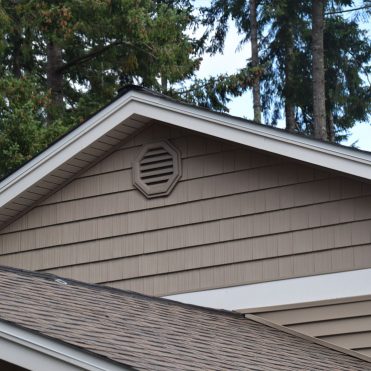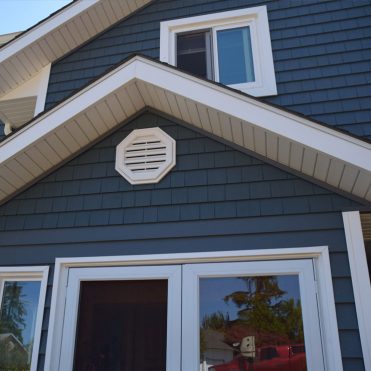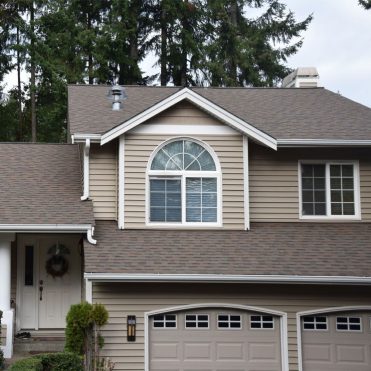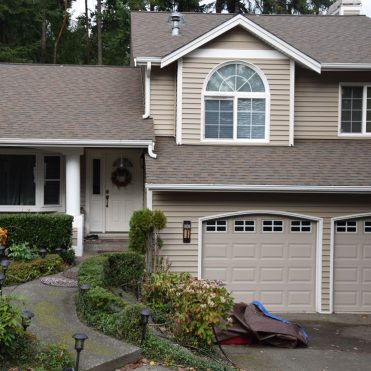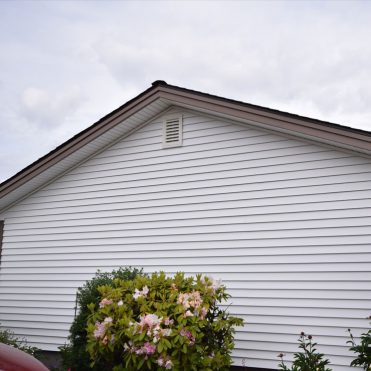


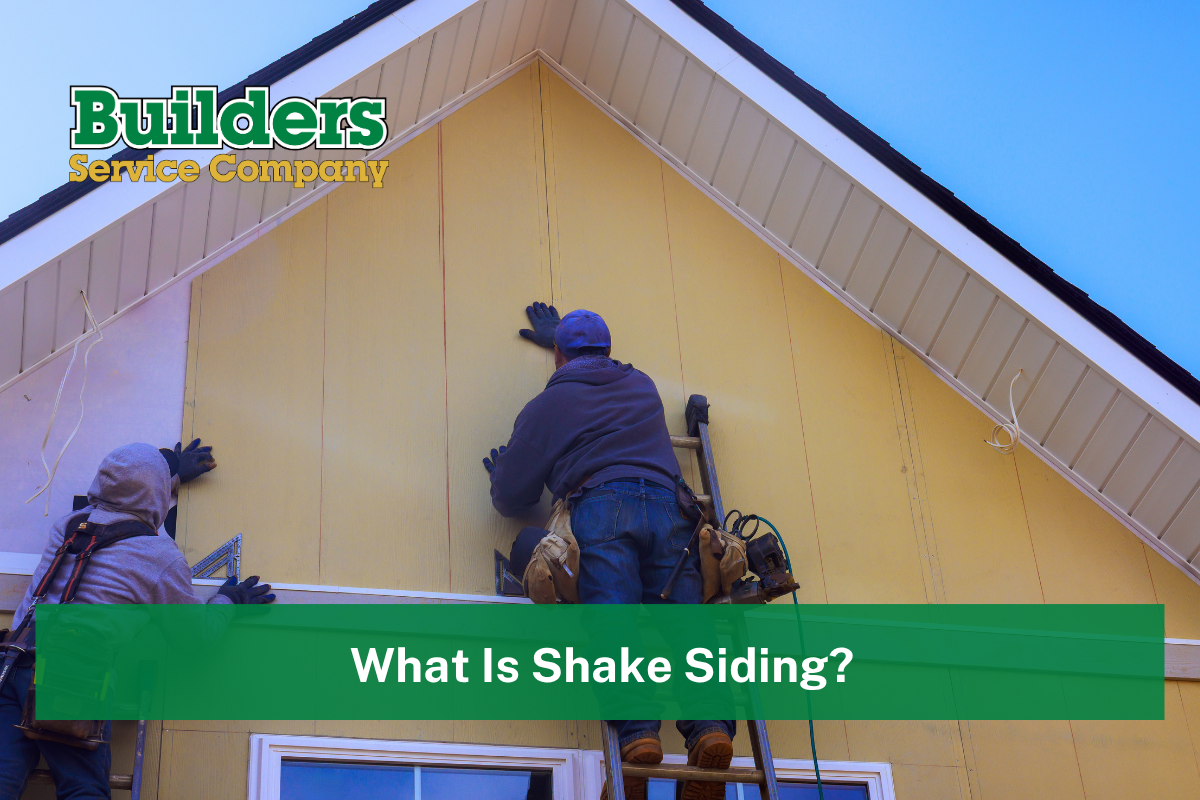
If you have noticed a home with a textured, layered exterior that looks almost hand-cut, you may have wondered: what is shake siding? Shake siding is an exterior cladding style that resembles individual wood shakes installed in overlapping courses. Traditional shakes are commonly made from cedar, while modern siding can create a similar dimensional design using vinyl, polymer, or other manufactured materials.
Shake siding adds depth that flat lap siding cannot create. It can cover an entire home or highlight gables, dormers, upper stories, and entry areas without overwhelming the exterior design.
What to Know Before Choosing Shake Siding
- Traditional cedar shakes have a rougher, more irregular appearance than smooth shingles.
- Shake-style siding is available in natural wood and manufactured materials.
- Real cedar provides authentic grain but needs more maintenance in wet climates.
- Vinyl shake siding provides a similar profile with less routine upkeep.
- Proper flashing and moisture management matter as much as the visible siding.
- Shake works well as an accent when you want added texture without covering every wall.
What Makes Shake Siding Different From Other Siding?
The main difference is dimension. Standard horizontal siding creates long, continuous lines. Shake siding uses shorter pieces or molded panels that imitate individual shakes, producing stronger shadow lines and more visible texture.
The Cedar Shake & Shingle Bureau explains that a shake is “typically split on one or both sides,” while a shingle is generally sawn. This is why shake usually looks more rustic and irregular, while shingle siding tends to appear smoother and more uniform.
The difference matters during exterior design. A homeowner asking for shakes may expect deeper texture and natural variation. Someone asking for shingles may be picturing a cleaner, more tailored pattern.
Shake vs. Shingle Siding: What Is the Difference?
Shakes and shingles can look similar from the street, but their construction creates noticeably different finished surfaces.
| Feature | Shake Siding | Shingle Siding |
|---|---|---|
| Manufacturing | Traditionally split or split and resawn | Generally sawn on both faces |
| Appearance | Rustic and textured | Smoother and more uniform |
| Shadow lines | Usually deeper | Usually cleaner and lighter |
| Common use | Full walls, gables, accents | Full walls and decorative areas |
| Maintenance | Depends on material | Depends on material |
Natural cedar shingles are also generally thinner at the butt than many traditional shakes. That difference influences both the profile and the shadows visible across the finished wall.
Cedar Shakes, Cedar Shingles, and Modern Alternatives
Natural cedar siding remains popular because real wood has variation manufactured materials try to reproduce. Individual pieces can differ slightly in grain, thickness, and tone. Cedar also changes appearance naturally as it ages.
That character comes with maintenance. Wood responds to moisture, and poor installation or neglected finishes can contribute to checking, cupping, decay, and other problems. USDA Forest Service guidance on wood shake and shingle siding emphasizes proper installation, finishing, and maintenance for long-term performance.
Manufactured alternatives approach the problem differently. Vinyl and polymer products can reproduce wood grain, staggered edges, and shingle profiles without using natural cedar. They generally require less painting and staining, although correct installation and trim details remain important.
When researching what is shake siding made from, look beyond appearance. Material, drainage, maintenance, climate, fire performance, and the construction of the wall itself all matter.
Where Shake Siding Adds the Most Curb Appeal
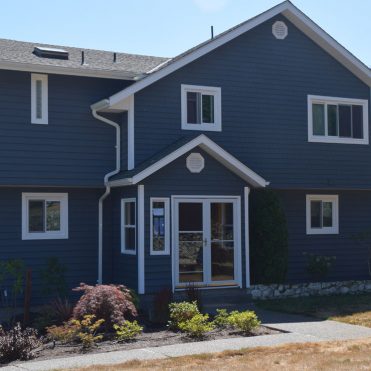
Shake instantly improves visual depth when it is used with purpose. For many homes, the strongest design is not full-house shake but a controlled combination of siding profiles.
Popular locations include:
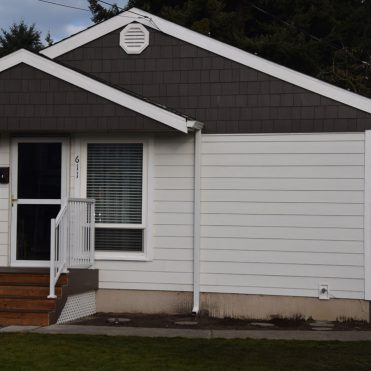
- Front-facing gables above horizontal siding
- Dormers that need stronger visual definition
- Upper stories where a texture change adds separation
- Entry areas around doors and windows
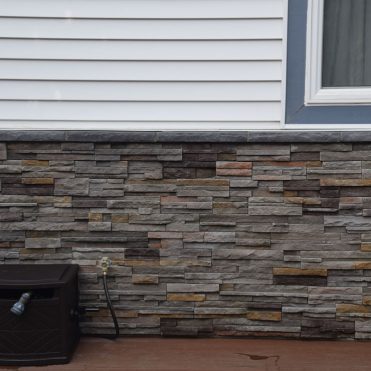
- Small accent sections beside stone or brick
- Garage peaks that otherwise look visually flat
Restraint matters. Too many colors, materials, and profiles can make a home look busy. A balanced exterior usually gives one siding material the lead role and uses shake as a supporting texture.
What Goes Behind Shake Siding?
The material you see is only the outer layer. A durable siding installation also needs a wall system that controls water behind the cladding.
U.S. Department of Energy Building Science guidance recommends a continuous drainage plane or water-resistant barrier behind exterior cladding. This gives water that gets past the siding a controlled path away from the wall cavity. Flashing around windows, doors, roof intersections, and penetrations is equally important.
That matters in Washington, where repeated rain exposure can test even attractive siding. The wall needs to manage moisture over time, not simply look good after installation.
That is why what is shake siding is only the first question. Homeowners should also ask how the complete siding and drainage system will protect the structure underneath.
Choosing Shake-Style Siding for a Pacific Northwest Home
Start with the appearance you want, then consider how much maintenance you are comfortable taking on.
Natural cedar makes sense when authentic grain and traditional character are priorities. Vinyl shake siding can provide a similar textured look with lower maintenance. Manufactured and composite siding systems offer additional possibilities, but specifications for moisture resistance, insulation, color performance, and fire resistance vary.
The rest of the home matters too. Roof color, window style, trim width, doors, stone, brick, and siding color should work together. Shake should look like part of the original design rather than an accent added without a plan.
How Builders Service Company Supports Better Siding Decisions
Builders Service Company has worked on Washington home exteriors since 1974, giving its team more than 50 years of experience with the rain, moisture, wind, and seasonal conditions that affect siding in the Pacific Northwest. The company helps homeowners with siding replacement, exterior remodeling, material selection, insulation, design, and professional installation.
For homeowners interested in shake siding, an in-home evaluation can help separate the desired appearance from the actual performance needs of the house. Existing siding condition, moisture exposure, insulation, windows, trim, and architecture can all affect the right approach. Builders Service Company also developed the Evergreen Shield Siding System specifically around Pacific Northwest conditions, combining composite siding with water-management and insulating technology.
Why Homeowners Choose Builders Service Company
- Serving Washington homeowners since 1974
- More than 50 years of exterior remodeling experience
- Licensed, bonded, insured, and certified exterior contractor
- Better Business Bureau A+ accredited business
- Founder Mason Ruppel remains involved in company projects
- Two-time recipient of the Golden Hammer Contractor Award
Plan Your Siding Upgrade With a Local Team
If you are still deciding what is shake siding best suited for, evaluating the home in person can quickly clarify the options. Builders Service Company serves homeowners across Washington, including Seattle, Tacoma, Bellevue, Auburn, Kent, Federal Way, Everett, Puyallup, and surrounding communities.
Get in touch and schedule a free in-home consultation to discuss your current siding, exterior design goals, maintenance priorities, and suitable materials for your home.
Frequently Asked Questions
Can Shake Siding Be Painted?
Yes, natural wood shake siding can usually be painted or stained when properly prepared, while manufactured products should only be finished according to their manufacturer’s instructions.
Can Damaged Shake Siding Be Repaired One Piece at a Time?
Traditional cedar shakes can often be replaced individually, while panelized vinyl or polymer siding may require removal of part of a larger panel.
Can Shake Siding Be Installed Over Existing Siding?
Sometimes, but the existing wall should first be checked for moisture damage, flatness, fastening conditions, and compatibility with the new installation system.
Does Shake Siding Work on Modern Homes?
Yes. Simple colors, clean trim, and carefully limited accent areas can make a shake profile work well with modern exterior design.
Should Shake Siding Match the Roof?
Not exactly, but the roof, siding, trim, and other exterior finishes should share a coordinated color and design direction.