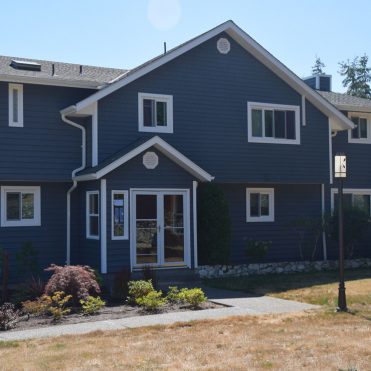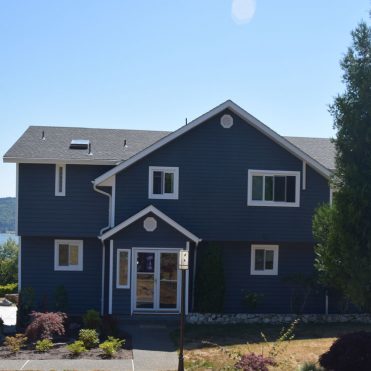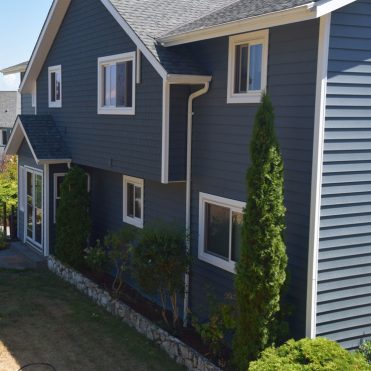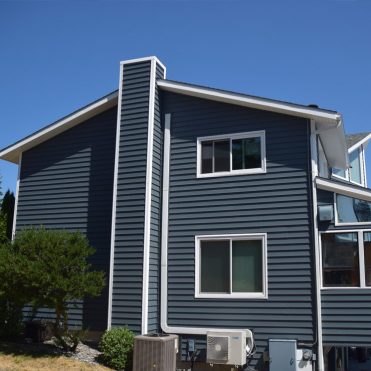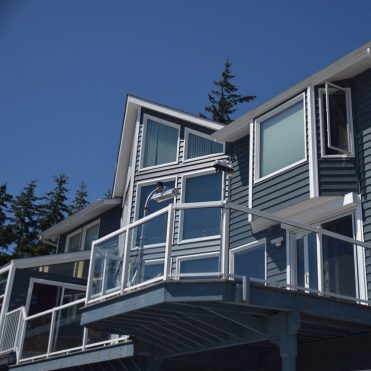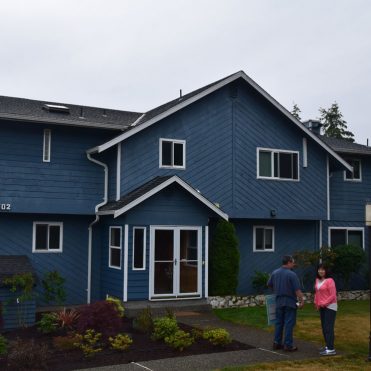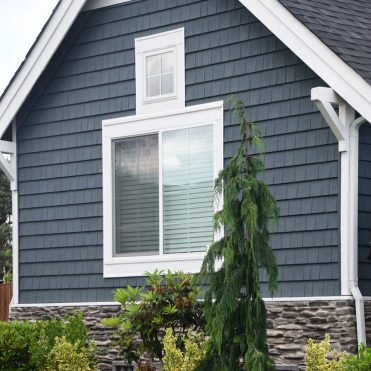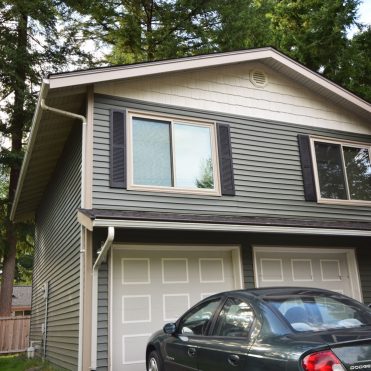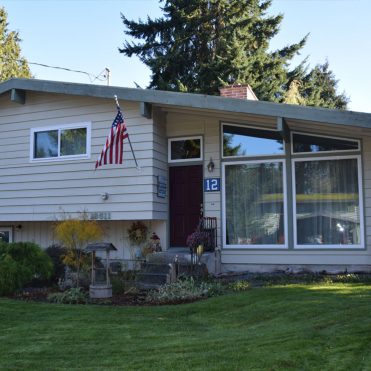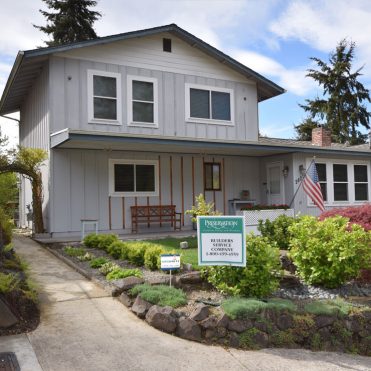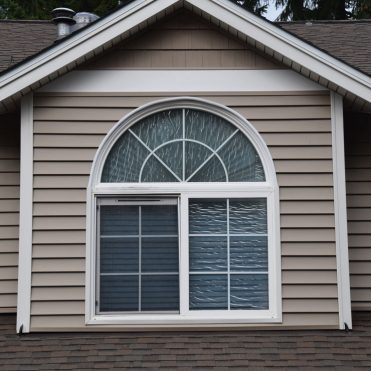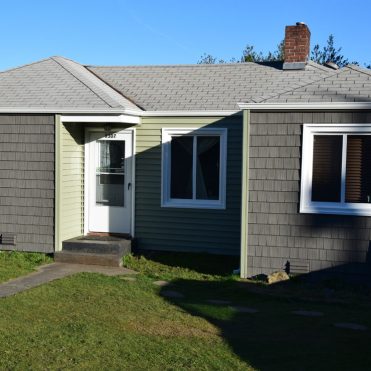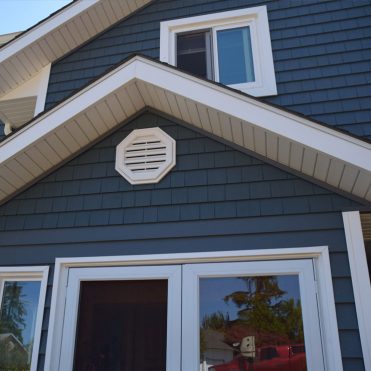


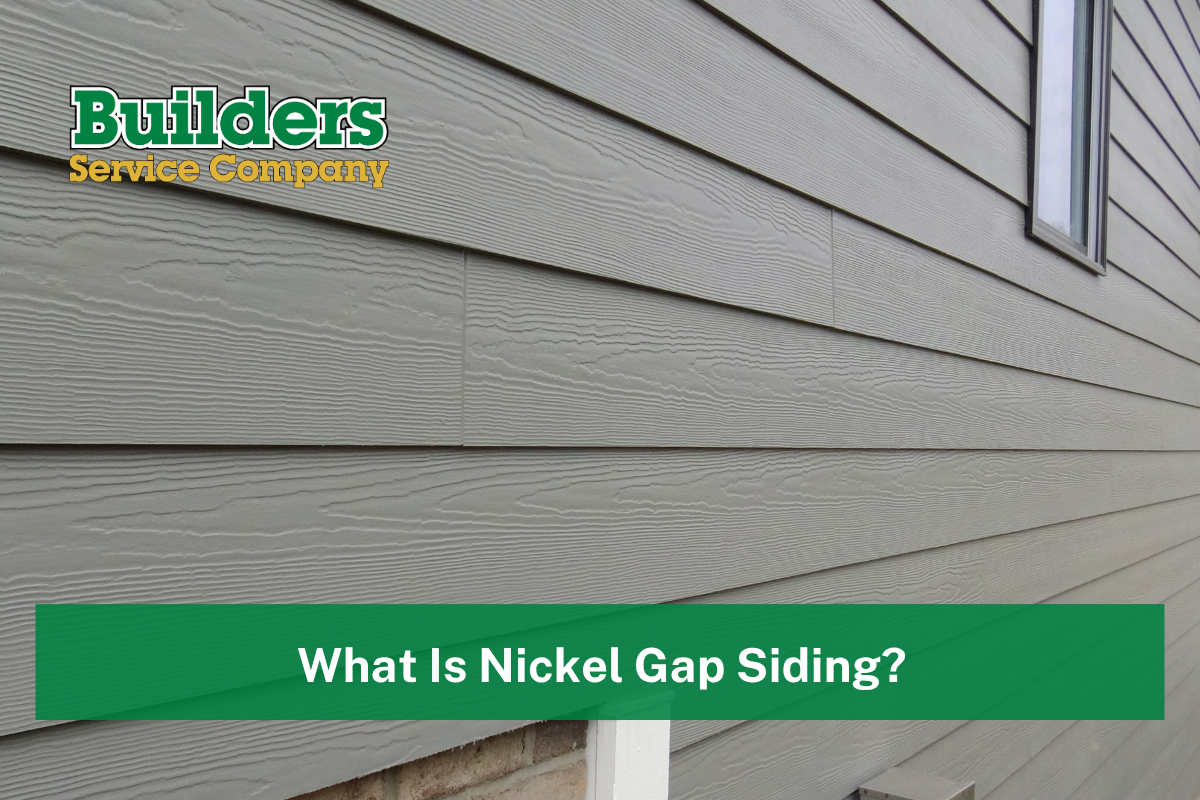
If you have been asking, “what is nickel gap siding,” the simplest answer is that it is siding designed to create a small, consistent reveal between adjoining boards. The narrow gap produces a clean shadow line that can make an exterior feel more structured and modern while still keeping the character of traditional board siding.
The name comes from the size of the reveal. A typical nickel gap is around 1/8 inch, roughly the thickness associated with a nickel. Depending on the product and board profile, the finished gap can vary slightly. Unlike ordinary boards spaced by eye, purpose-made nickel gap siding helps keep those lines consistent from one course to the next.
The Main Things to Know About Nickel Gap Siding
Before choosing the profile for your home, these are the practical points that matter most:
- Nickel gap siding creates narrow, repeated shadow lines between boards.
- Many profiles use tongue-and-groove or overlapping edges to maintain a consistent gap.
- It can provide a cleaner, more contemporary appearance than traditional lap siding.
- Natural wood is available, but the material needs careful moisture management outdoors.
- Good flashing, sheathing, trim, and drainage remain important because siding is only one part of the wall system.
- Installation accuracy matters because uneven courses are much easier to notice with this type of design.
How Does Nickel Gap Siding Work?
Nickel gap siding is generally manufactured with a board profile that controls how one piece meets the next. Many products use a tongue-and-groove arrangement, while others use overlapping edges similar to shiplap.
The profile creates the reveal automatically instead of requiring the installer to measure every gap individually. That is one reason properly installed nickel gap siding delivers such straight, predictable lines.
A common finished reveal is approximately 1/8 inch, although some systems allow adjustment. A detailed nickel-gap siding installation example from Fine Homebuilding also shows why careful cutting around windows and other architectural interruptions matters.
The appearance may look simple, but the layout requires planning. If courses reach a window, corner, soffit, or trim at an awkward point, the installer may need to adjust the starting position or board layout so the finished wall looks intentional.
Nickel Gap vs. Shiplap vs. Lap Siding
These terms are sometimes used as though they mean the same thing, but they describe different details.
| Style | Typical Appearance | Main Difference |
|---|---|---|
| Nickel gap siding | Crisp, even shadow lines | Built-in or controlled gap between boards |
| Tight shiplap | Narrow or nearly closed seams | Boards overlap without a pronounced reveal |
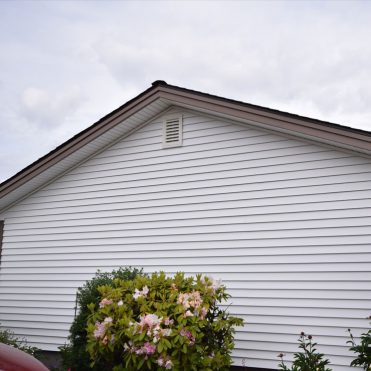
| Lap siding | Traditional horizontal courses | Upper course overlaps the course below |
Traditional lap siding tends to create deeper horizontal layering. Nickel gap siding offers a flatter surface with fine shadow lines, giving it a modern clean design without making the exterior look completely unfamiliar.
That makes the profile useful for modern farmhouse designs, contemporary homes, gables, entry areas, dormers, and other sections where homeowners want an architectural accent.
Is the Gap a Problem When It Rains?
Not when the complete wall assembly is designed and installed correctly.
The visible gap does not mean the wall behind it should be exposed to water. Exterior cladding is part of a larger moisture-management system that can include sheathing, a water-resistive barrier, flashing, drainage, properly detailed penetrations, and trim.
The International Residential Code requirements for exterior wall coverings address the importance of a weather-resistant exterior wall envelope, including water management behind exterior cladding. Likewise, U.S. Department of Energy guidance on water-managed walls explains why water that gets behind exterior siding needs a reliable path down and away from the structure.
That point is especially important in Western Washington. Repeated rain and long periods of damp weather mean the material people see from the street cannot be the only line of defense.
Does the Siding Material Matter?
Yes. The profile describes the look and connection between boards, not necessarily what the siding is made from.
Nickel gap products may be produced from natural wood or manufactured materials. Each kind brings different maintenance, moisture, installation, and finishing considerations.
Wood can deliver beautiful grain and genuine character, but it naturally responds to environmental moisture. The U.S. Forest Service Wood Handbook explains how changes in wood moisture content can affect its physical properties. For an exterior project, that makes proper finishing, installation, ventilation, and ongoing inspection important.
Manufactured siding products may reduce some maintenance concerns, but the exact performance depends on the product. Homeowners should compare more than appearance. Look at water resistance, required finishing, warranty terms, installation requirements, repairability, and how the entire wall system will perform in your climate.
Where Does Nickel Gap Look Best?
Nickel gap works especially well where straight lines can become part of the architecture rather than simply covering a wall.
Common uses include:
- Front entry accents
- Gables and dormers
- Covered outdoor areas
- Modern farmhouse exteriors
- Contemporary additions
- Sections paired with conventional siding
Using the profile selectively can also prevent the design from becoming too visually repetitive. On a large house, combining nickel gap with another complementary siding style can create depth and help important architectural sections stand out.
Trim deserves attention too. Window trim, corner boards, soffits, and transitions should be planned before the first siding board goes up. The cleaner the siding pattern, the more noticeable a poorly positioned joint or uneven course becomes.
What Homeowners Often Miss About Nickel Gap Installation
The most important detail is not the nickel-sized space itself. It is everything happening around and behind the boards.
The installer needs to plan the first course carefully because even a small error can become more visible as additional boards are installed. Window and door openings also need thoughtful layout so thin slivers of material do not appear beside trim.
Exterior water management is equally important. The EPA’s moisture-control guidance for building walls emphasizes controlling water during design, construction, and maintenance. For siding projects, that means treating flashing, drainage, penetrations, and wall preparation as part of the job rather than details to address afterward.
Good siding installation should make the finished surface attractive while protecting the parts of your home you cannot see.
Choosing the Right Siding Approach for a Washington Home
If you like the appearance of nickel gap siding, the next question should be whether that profile and material make sense for your particular house.
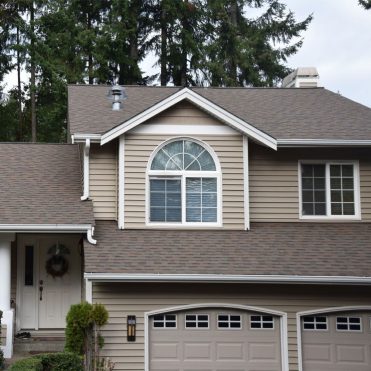
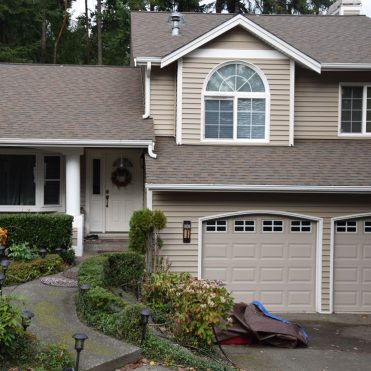
Builders Service Company has worked on Western Washington home exteriors since 1974. The team understands how persistent moisture, shaded walls, seasonal weather changes, trim details, and existing exterior conditions can influence siding decisions. For homeowners considering a nickel gap look, the first step is evaluating the complete exterior rather than choosing a board profile from appearance alone.
Builders Service Company also developed the Evergreen Shield Siding System after decades of working with siding in Pacific Northwest conditions. It combines specialized composite siding with a breathable wall system and professional installation. If nickel gap is one style you are considering, an in-home evaluation can help you compare that appearance with other siding options based on maintenance, weather protection, insulation, and the architecture of your home.
Why Homeowners Choose Builders Service Company
- Serving Washington homeowners since 1974
- More than 50 years of exterior remodeling experience
- Better Business Bureau A+ accredited business
- Licensed Washington contractor
- Two-time Golden Hammer Contractor Award recipient
- Warranty protection available on qualifying exterior products
Explore the Right Siding for Your Home
A siding profile should do more than look good in a sample. It needs to work with your home’s architecture, wall condition, moisture exposure, trim, and long-term maintenance expectations.
Builders Service Company serves homeowners throughout Western Washington and the Puget Sound region, including Seattle, Tacoma, Bellevue, Everett, Olympia, Puyallup, Federal Way, Kirkland, and surrounding communities. If you are comparing nickel gap siding with other exterior options, schedule a free in-home consultation to discuss your home and the siding approach that fits it best.
Frequently Asked Questions
Can nickel gap siding be installed vertically?
Yes, some nickel gap products can be installed vertically, but the product and installation system must specifically allow that orientation.
Always follow the manufacturer’s requirements because flashing, fastening, drainage, and joint details may differ from a horizontal installation.
Is nickel gap siding the same as tongue-and-groove siding?
Not exactly. Nickel gap describes the visible gap, while tongue-and-groove describes one method used to connect the boards.
A tongue-and-groove board profile can be designed with a nickel gap or with a different joint appearance.
Can nickel gap siding be used on an entire house?
Yes, provided the selected product is approved for exterior use and the complete wall assembly is properly designed.
Many homeowners also use gap siding selectively on gables, entries, or other architectural areas to create contrast.
Does nickel gap siding need trim?
Usually, yes. Trim helps finish corners, windows, doors, roof transitions, and other edges where siding boards terminate.
Planning those details early helps maintain the consistent gap and clean appearance that make the profile attractive.
Is nickel gap siding difficult to maintain?
Maintenance depends more on the material than the gap profile itself.
Natural wood may require periodic finishing and inspection, while manufactured products can have different cleaning and maintenance requirements.
Can nickel gap siding help modernize an older home?
Yes. The narrow shadow lines can introduce a cleaner contemporary detail without completely changing the character of the house.
Using nickel gap on a gable, entry, or addition can be an effective way to update the exterior while preserving more traditional siding elsewhere.