

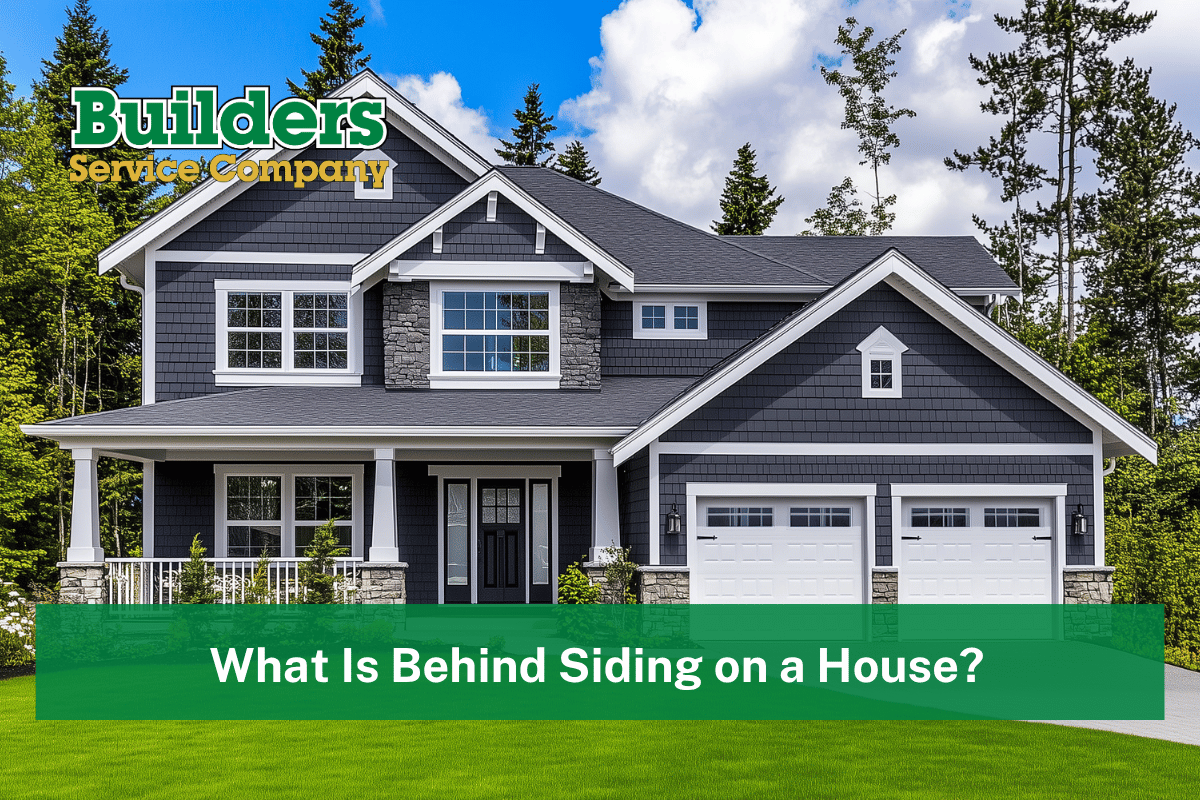
What Is Behind Siding on a House?
If you’ve ever wondered what is behind siding on a house, you are asking one of the most important questions about how your home actually works. What you see on the outside is only part of the story. The real protection comes from multiple hidden layers working together to keep your home safe, dry, and energy efficient.
In Washington, where rain, wind, and moisture are constant challenges, understanding what sits behind your siding is not just helpful, it is essential. If these layers are installed incorrectly or start to fail, your home can quickly develop serious problems like water damage, mold, and structural issues.
This guide will walk you through everything behind siding, how it protects your home, common problems, and why professional installation matters.
What Is Behind Siding on a House in Washington?
When people ask what is behind siding on a house, the answer is not just one thing. It is a system of layers designed to protect your home from water, air leaks, and temperature changes.
The Main Layers Behind Siding
1. Structural Sheathing (Plywood or OSB)
This is the solid layer attached directly to your wall framing. Usually made of plywood or oriented strand board OSB, it provides strength to your home’s structure.
- Supports the exterior walls
- Helps distribute weight
- Acts as the base for other layers
Without proper sheathing, your house would not have the strength it needs to withstand weather conditions.
2. Weather-Resistant Barrier (House Wrap)
This is one of the most important layers behind siding. Often called house wrap or building wraps, it acts as a protective shield.
- Blocks water from entering
- Allows moisture vapor to escape
- Reduces air leaks
In Washington’s wet climate, this layer is critical. A poor-quality or improperly installed weather-resistant barrier can lead to long-term moisture damage.
3. Insulation Layer (Rigid Foam or Board Insulation)
Many homes include insulation behind siding to improve energy efficiency.
Common types include:
- Foam board insulation
- Rigid foam panels
- Other board insulation systems
This layer helps:
- Keep your home warm in winter
- Keep your home cool in summer
- Reduce energy costs
4. Flashing and Sealing Components
Flashing is installed around windows, doors, and joints to prevent water intrusion.
- Directs water away from openings
- Protects vulnerable areas
- Works with house wrap for full protection
Proper flashing is often the difference between a dry home and one with hidden water damage.
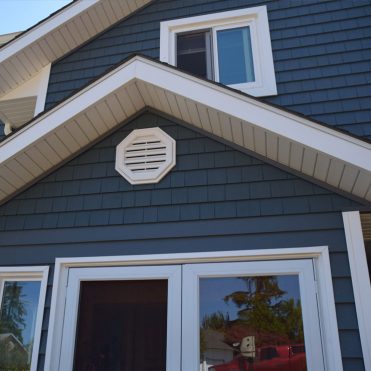
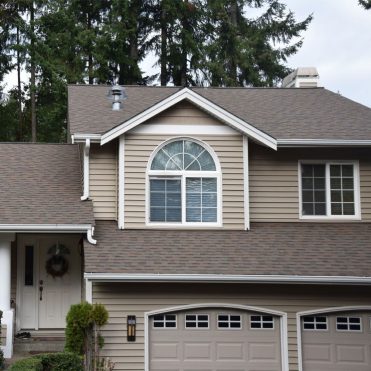
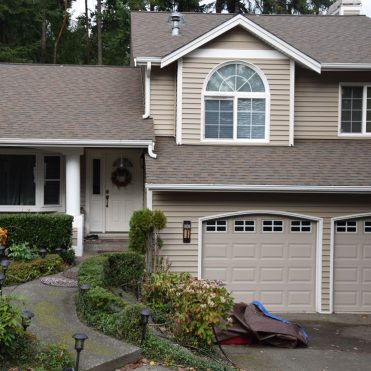
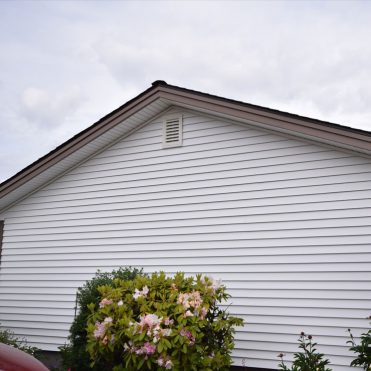
5. The Siding Itself
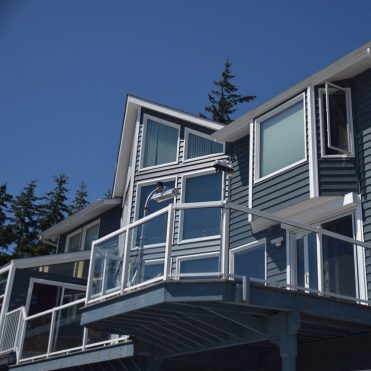
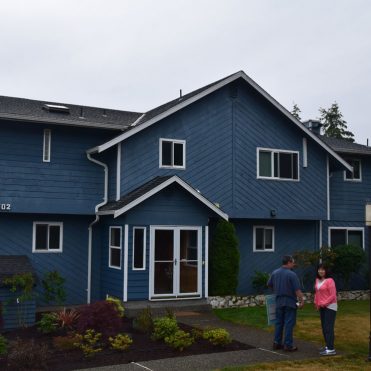
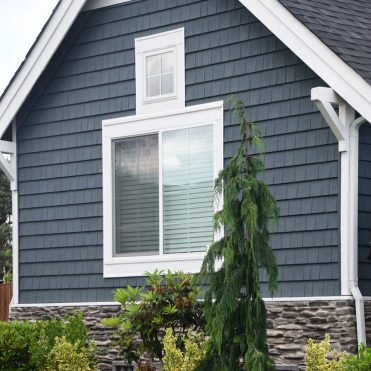
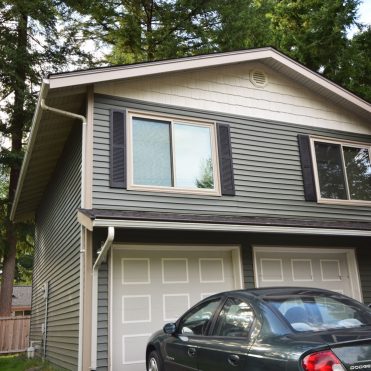
Finally, the outer layer you see is the siding. While it improves appearance, it also acts as the first line of defense against weather.
Why These Layers Matter for Your Home
Each layer behind siding plays a role. If one fails, the entire system can break down.
Protection Against Moisture
Moisture is the biggest threat to any home in Washington.
- Rain can seep behind siding
- Water can damage plywood and insulation
- Mold can develop inside walls
A strong weather-resistant barrier and proper installation prevent these issues.
Energy Efficiency
Insulation behind siding helps regulate temperature.
- Reduces heating and cooling costs
- Prevents drafts and air leaks
- Improves indoor comfort
Structural Strength
Sheathing and proper installation ensure your home remains stable over time.
- Supports walls against wind
- Prevents shifting and warping
- Maintains long-term durability
Common Problems Behind Siding
Even though these layers are hidden, problems can develop over time. Knowing the signs can help you act early.
What Are the Signs of Problems Behind Siding?
Look for these warning signs:
- Warped or bulging siding
- Soft spots on walls
- Peeling paint indoors
- Mold smell inside the house
- Increased energy bills
- Visible water stains
These signs often indicate moisture damage or insulation issues behind the siding.
What Causes Damage Behind Siding?
Understanding causes helps prevent costly repairs.
Poor Installation
If siding or house wrap is not installed correctly:
- Water can enter through gaps
- Flashing may fail
- Insulation may not perform properly
Aging Materials
Over time, materials wear out:
- House wrap can degrade
- Sealants can crack
- Insulation can lose effectiveness
Extreme Weather in Washington
Heavy rain and wind can push water behind siding, especially if the system is weak.
Lack of Maintenance
Ignoring small issues leads to bigger problems.
How Builders Service Company Handles Siding Systems
When working on siding projects, professionals do not just focus on the outer layer. They inspect and improve everything behind it.
Step-by-Step Process
Inspection
- Check existing siding condition
- Identify moisture damage
- Assess insulation and sheathing
Removal of Old Materials
- Carefully remove damaged siding
- Inspect underlying layers
Repair and Preparation
- Replace damaged plywood or board
- Install proper weather-resistant barrier
- Add or upgrade insulation
Proper Installation
- Install flashing around windows and joints
- Seal all vulnerable areas
- Install siding with precision
Final Check
- Ensure no gaps or leaks
- Confirm durability and performance
Why Professional Installation Matters in Washington
You might think siding is just about appearance, but it is actually a technical system.
Why Choose Professional Siding Installation in Washington?
- Handles heavy moisture conditions
- Ensures proper layering system
- Prevents long-term structural damage
- Improves energy efficiency
DIY or low-quality work often leads to expensive repairs later.
How Much Does Siding Work Cost in Washington?
Costs vary depending on several factors:
- Size of your home
- Type of siding used
- Condition of existing structure
- Need for insulation upgrades
If deeper issues exist behind siding, repairs may increase the overall cost. This is why a detailed in-home consultation is important before starting any project.
How Often Should You Check What Is Behind Siding?
Even though you cannot see behind siding easily, regular checks are important.
Recommended Schedule
- Visual inspection every year
- Professional inspection every 3 to 5 years
- Immediate inspection after storms
Regular checks help prevent hidden damage from becoming major problems.
Prevention and Maintenance Tips
Keeping your siding system in good condition helps protect everything behind it.
Simple Tips You Can Follow
- Clean siding regularly
- Check for cracks or gaps
- Ensure proper drainage around your home
- Keep gutters clean
- Inspect around windows and doors
These small steps can extend the life of your siding and the layers behind it.
Serving Washington and Nearby Areas
Builders Service Company proudly serves homeowners across Washington. Whether you are in Seattle, Tacoma, Everett, Bellevue, or surrounding areas, the team understands the local climate and building needs.
Homes in Washington require strong protection against moisture, and proper siding systems are essential for long-term durability.
Why Choose Builders Service Company
Choosing the right contractor is just as important as choosing the right materials.
Builders Service Company brings decades of experience in exterior construction, helping homeowners protect and improve their homes with high-quality siding systems.
What Sets Them Apart
- Over 50 years of experience
- Deep understanding of Washington weather challenges
- Focus on long-term durability, not quick fixes
- High-quality materials designed for performance
They do not just install siding. They ensure everything behind the siding works perfectly together.
Schedule Your Free In-Home Consultation
If you are concerned about what is behind siding on a house or want to upgrade your home’s exterior, now is the time to take action.
Builders Service Company offers free in-home consultations where experts assess your home, explain what is happening behind your siding, and recommend the best solution.
This personalized approach ensures you fully understand your home’s condition before making any decisions.
Protect your home, improve energy efficiency, and ensure long-term durability with a siding system built for Washington conditions.