Federal Way, WA
Siding Replacement in Federal Way, WA
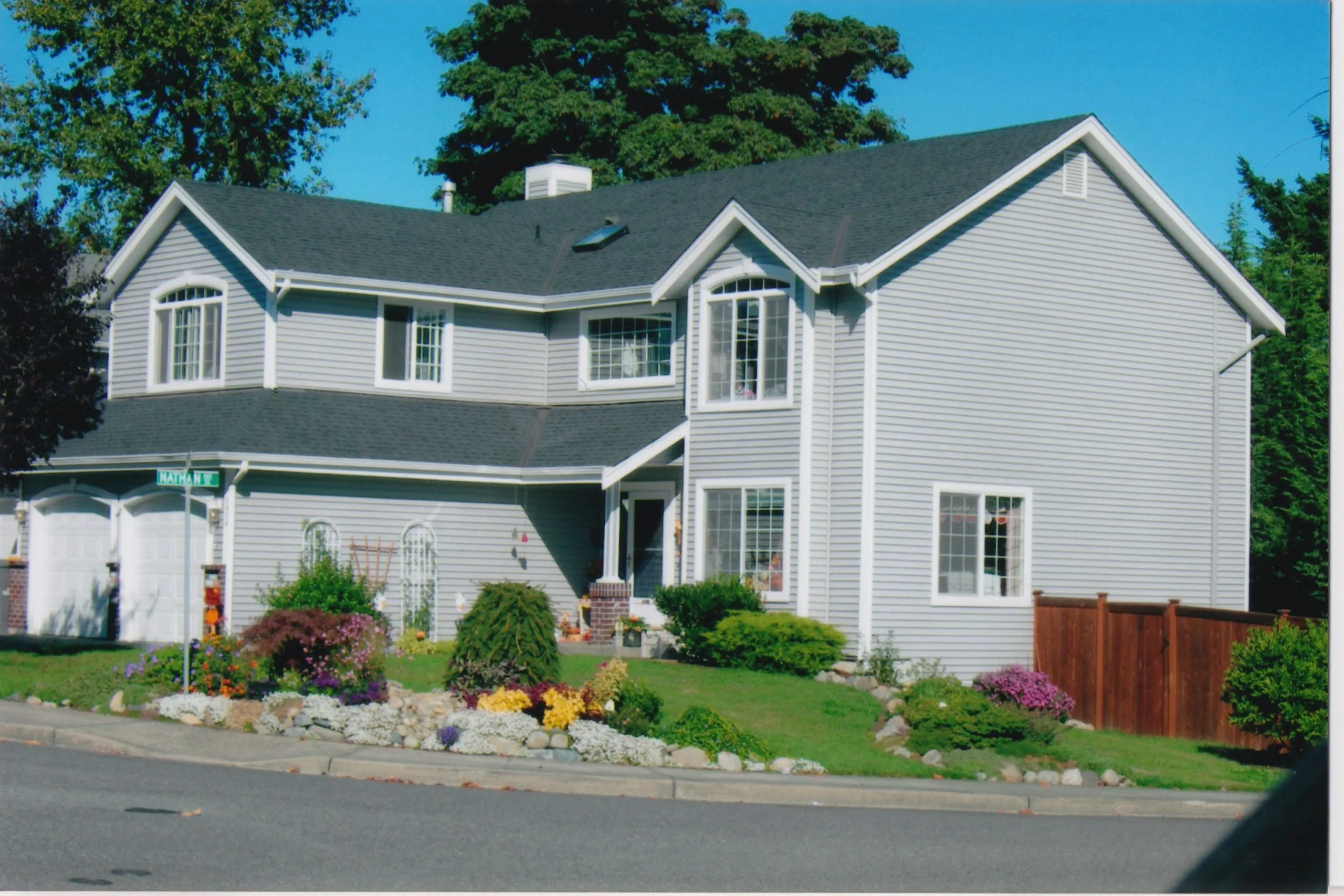
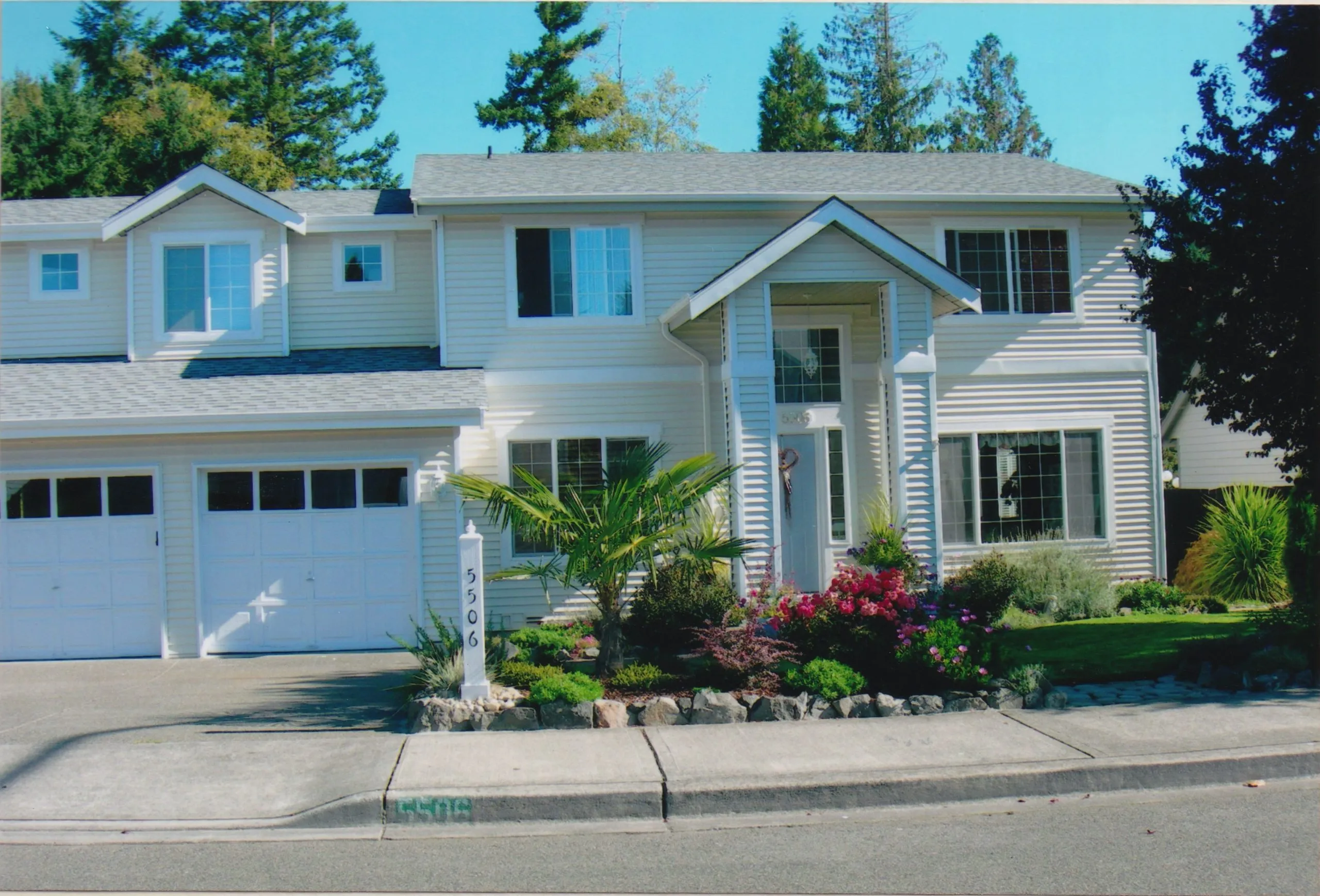
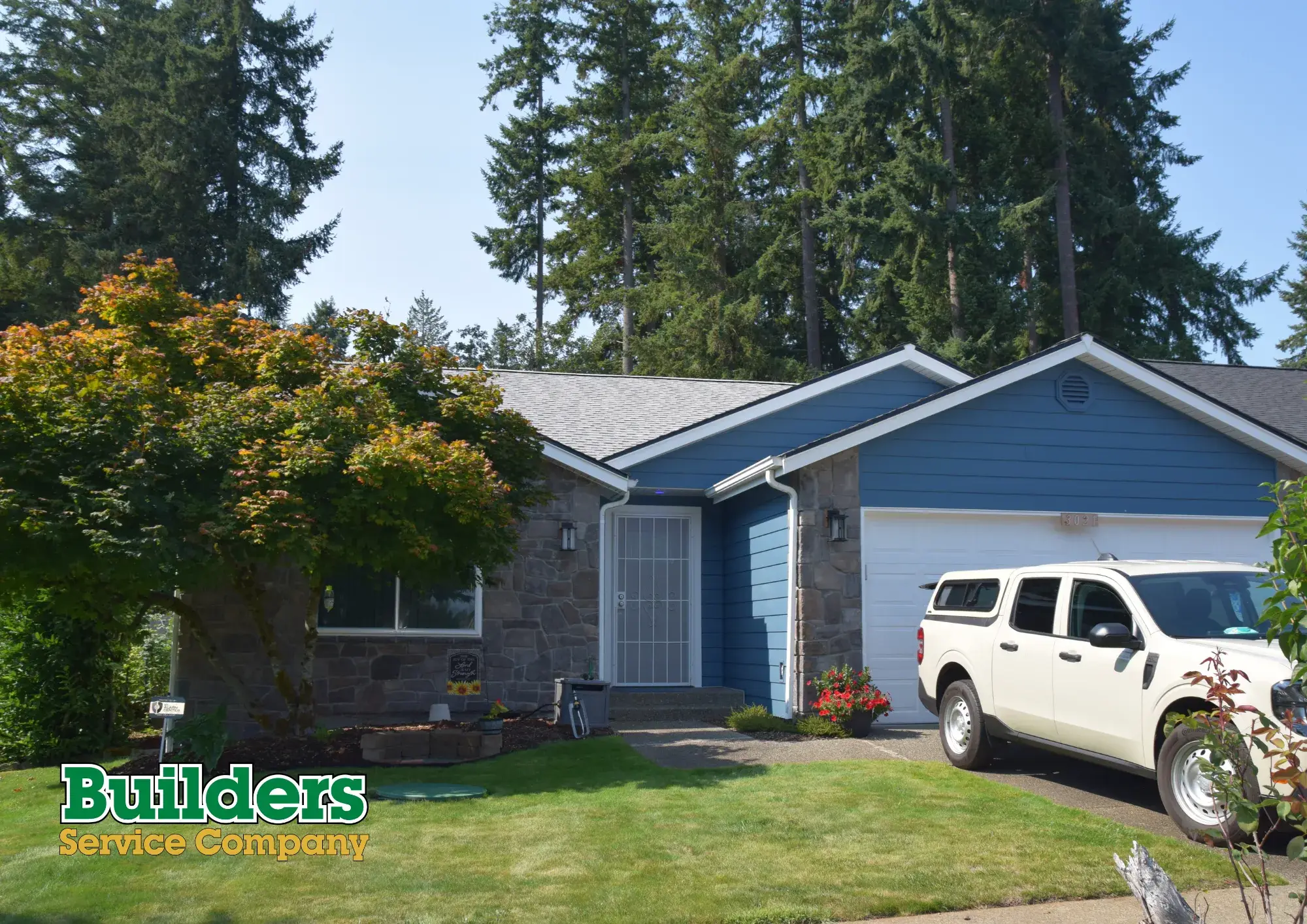
King County assessor records give Federal Way’s 19,142 single-family homes a median build year of 1978, and only 2% are recorded as renovated. Most houses here went up in two waves, and each wave left a different kind of siding on the walls. If you plan to replace siding on a Federal Way home, the year it was built is your best first clue to what is on the house, how that material tends to fail and what removal will involve. Here is what that means for homes in the city and for the siding we usually recommend.
What’s on Federal Way homes now
Assessor figures split the single-family stock this way: 53% built from 1950 to 1979, 34% from 1980 to 1999, 11% from 2000 on and just 2% before 1950. Census data, which also counts apartments and condos, puts the citywide median year built at 1984, with 1980 to 1999 as the largest era.
Each era tends to carry its own siding:
- Built 1950–1979: cedar, T1-11 or asbestos-cement shingle siding. Asbestos-cement shingles may contain asbestos and should be tested before removal. Twin Lakes, with 605 homes and a median year built of 1974, belongs to this group, as do West Campus (1979) and Marine View Estates Add (1962).
- Built 1980–1999: the era of composite and hardboard siding, including LP siding. Madrona Meadows (1990) and Regency Woods (1992) are typical subdivisions from these years.
- Built 2000 or later: fiber cement or builder-grade vinyl, now reaching its first repaint or replacement.
Across the South King plateau, subdivisions from the 1990s and 2000s are coming due for their first full siding replacement, and many of them have HOA color rules. Detached houses make up 49% of Federal Way’s housing units, attached homes 14% and mobile homes 4%. The assessor rates 45% of single-family homes in good or very good condition.
Choosing siding for Federal Way’s conditions
We usually recommend three siding types here, plus stone accents. None of the three is wood. Unlike the cedar on many older houses in town, they won’t rot or need repainting after a wet winter. Here is how each one lines up with Federal Way homes.
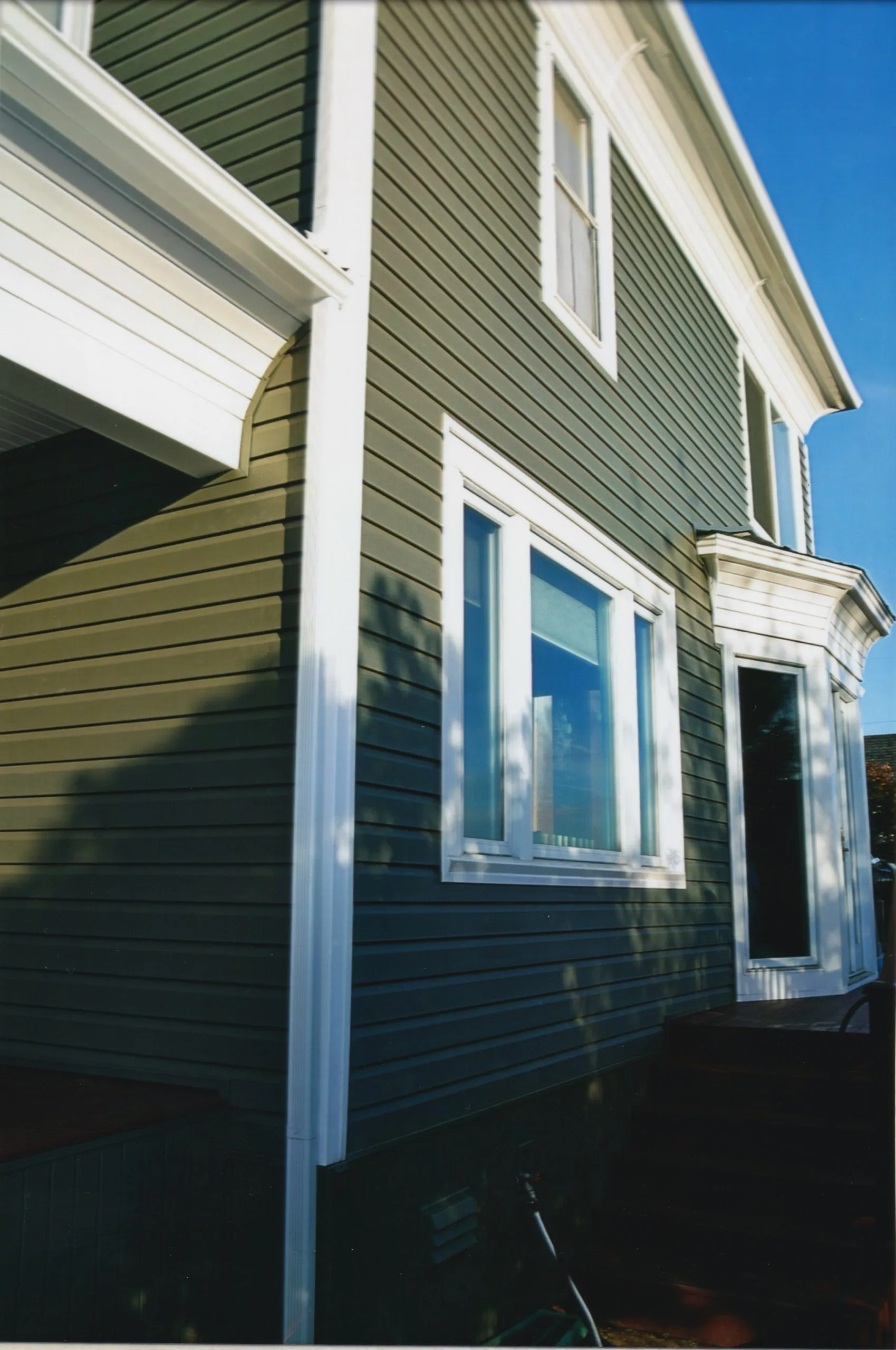
Vinyl siding
Vinyl is the most versatile and least expensive option, and it is where many Federal Way owners end up. Home values here sit about 40% below the King County median, and in that range a durable, cost-effective material usually makes the most sense. Vinyl also handles large jobs well: 35% of single-family homes have two or more stories, and more wall area means more panels.
Evergreen Shield Siding System
The Evergreen Shield Siding System is our exclusive insulated composite siding. Electricity heats 58% of homes in the city, and where heating costs more, insulation counts for more. The panels provide R-2.0 thermal resistance, against R-0.61 for standard vinyl. It is also the usual pick if you want a premium, long-term upgrade.
Metal siding
Metal is the other premium choice. About 11% of single-family homes carry an assessor building grade of 9 or higher, the higher-end tier, and owners of homes like these more often choose metal or the Evergreen Shield Siding System over vinyl. Wildfire risk is not what drives the choice here: Federal Way rates Low, at the 59th percentile statewide.
Stacked stone and stone veneer accents
Only 2% of single-family homes have any brick or stone on the exterior. A stone veneer wainscot along the base of the wall, or stacked stone on a chimney, adds a durable base course and gives a 1980s tract house its own look. Stone is an accent used with the siding above, not a whole-house cladding.
Which mix fits your house comes down to its age, size and your budget, and we work through it with you at the free in-home consultation.
Evergreen Shield Siding System in Federal Way
Two features of the Evergreen Shield Siding System suit Federal Way homes in particular.
The composite material is built for water resistance through long wet seasons, humidity, mold and mildew. Through Federal Way’s wet months, keeping water out is the main job of any siding.
The panels also come in 20 built-in, fade-resistant colors that resist chipping, peeling and fading, so there is no repainting. If your neighborhood keeps an approved color list, we check it against the 20 colors before you sign anything, and the color you choose stays the color on your walls. You can compare the options against your trim and roof during the consultation.
Signs your siding needs replacing
What to look for depends on when your house was built.
- Homes from 1985 to 1996. Assessor records show 25% of single-family homes date from these years, when LP and other hardboard siding was widely used. Check the bottom course and the board ends around window trim for swelling, soft spots or flaking, and look for boards that bulge where water collects.
- Homes from the 1950s through the 1970s. Cedar and T1-11 show split boards, soft wood near the ground and T1-11 panels that delaminate at the edges.
- Any age. Green growth or mold on shaded walls, cracked or warped boards, and color that fades faster than you can keep up with.
Our consultants give you an honest read on the condition and recommend replacement only when it is actually needed.
Get a free siding consultation in Federal Way
Schedule a free in-home consultation by calling 206-430-1927 or through our contact page. We do not quote prices by phone; the visit covers your current siding’s condition, moisture exposure and color choices. Financing is available. For roofing, windows and decks, see our Federal Way home exterior services.
Federal Way siding FAQ
Which siding type makes the most sense for a Federal Way home?
For many homes here, vinyl is the practical answer. It is the most versatile and least expensive of the three types we usually recommend, and home values in Federal Way run about 40% below the King County median. If your house heats with electricity, as 58% of homes in the city do, the insulated Evergreen Shield Siding System deserves a close look. We settle the right fit for your house during a free in-home consultation.
What should I expect when you remove 1980s or 1990s hardboard siding?
Expect a careful look at what sits behind it. Hardboard and LP siding from that era is prone to moisture problems, so after we take the old boards off with care, we inspect the sheathing underneath and evaluate the moisture barrier before any new siding goes on. Madrona Meadows and Regency Woods are two Federal Way neighborhoods built in this period, with median build years of 1990 and 1992.
Could the siding on my 1960s or 1970s house contain asbestos?
It could, if your house has asbestos-cement shingle siding. Shingles of that type may contain asbestos and should be tested before removal. King County assessor records show 53% of Federal Way's single-family homes were built from 1950 to 1979, including most of Twin Lakes, where the median home dates to 1974. If we see shingle siding on your walls during the consultation, we flag it so testing happens before any tear-off begins.
Do you serve Fairwood as well as Federal Way, and are there discounts?
Yes to both. We schedule free in-home consultations in Federal Way and Fairwood through our Seattle office at 206-430-1927. We offer discounts for seniors, active military, veterans and first responders, and financing is available, with current options reviewed at your visit. Our siding work comes with a lifetime warranty, and our Washington contractor license number is BUILDSC027JN if you want to look us up.