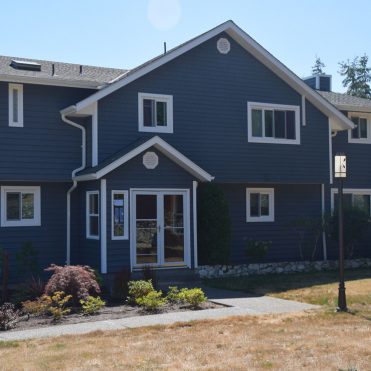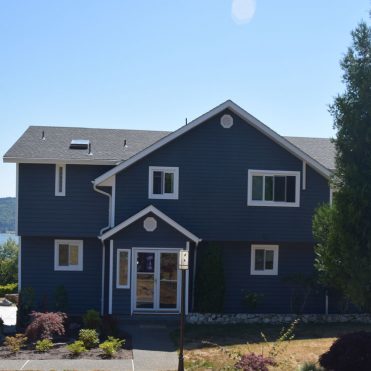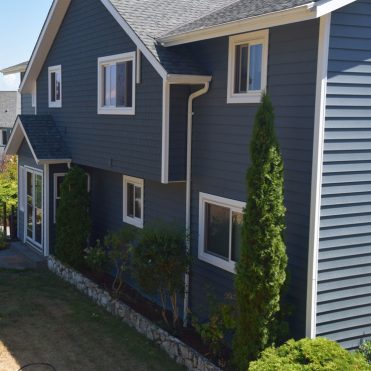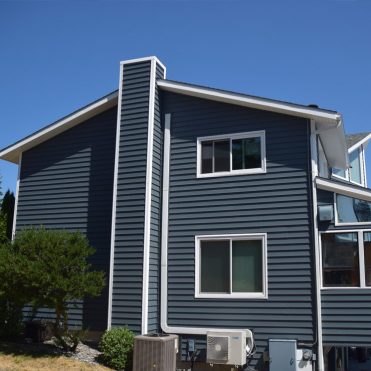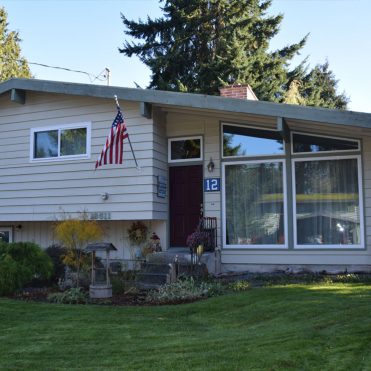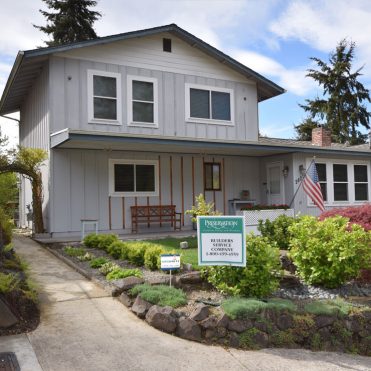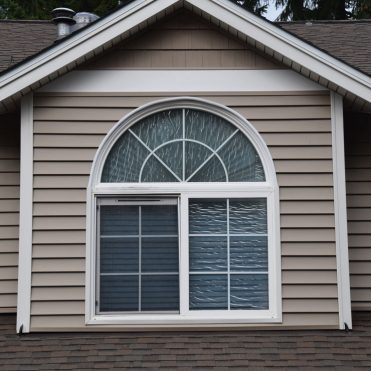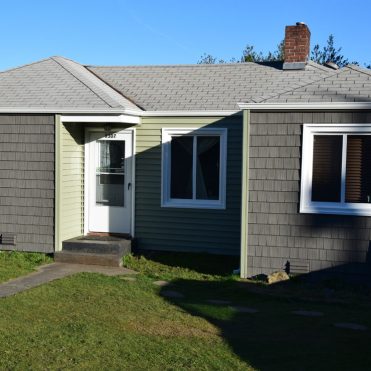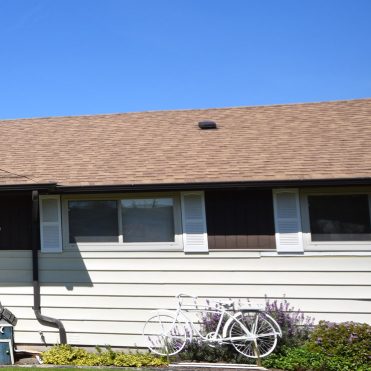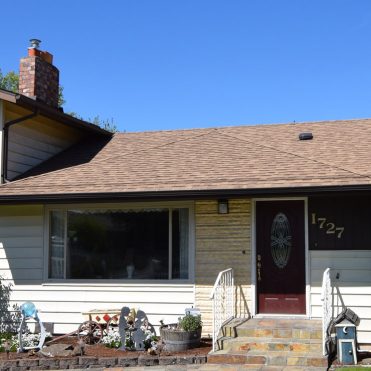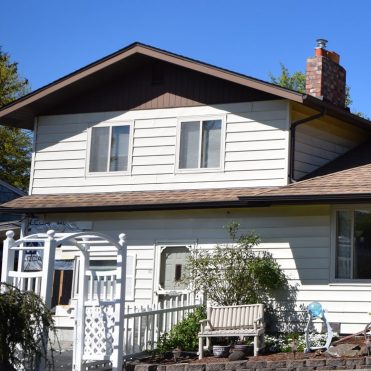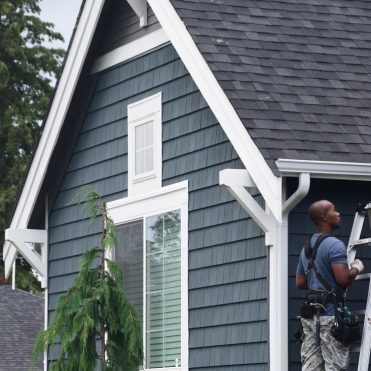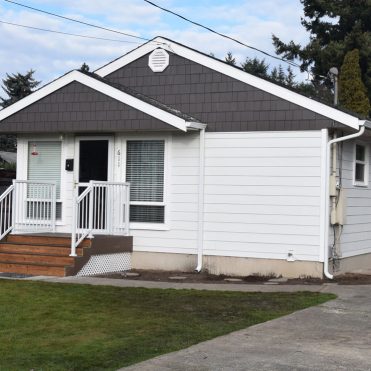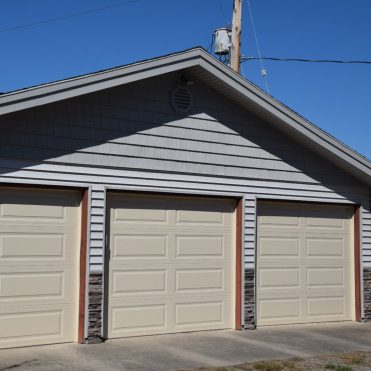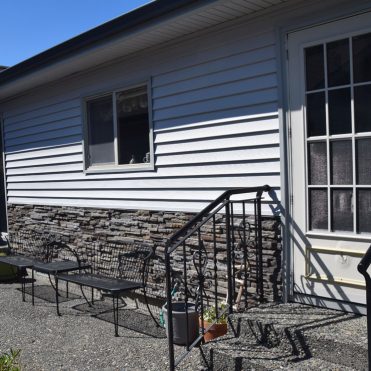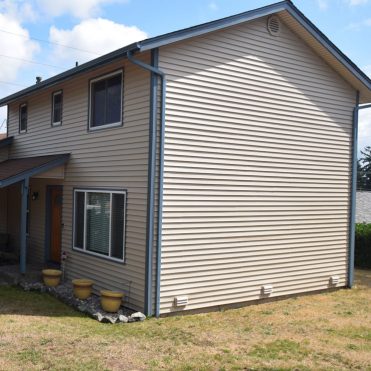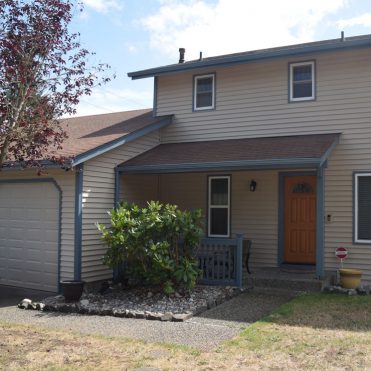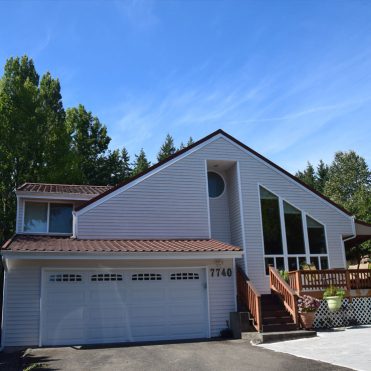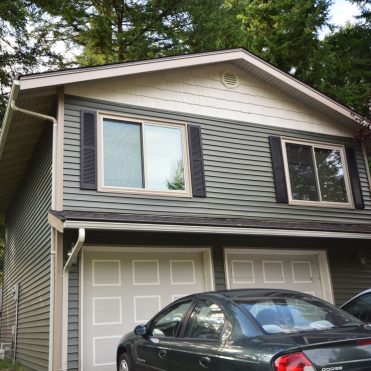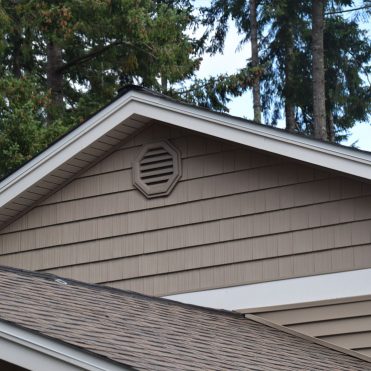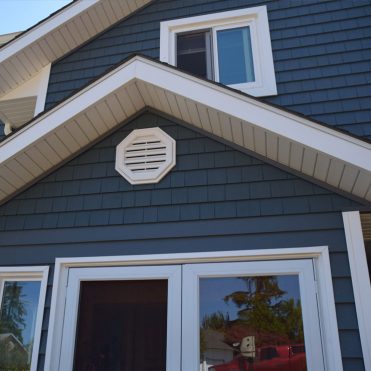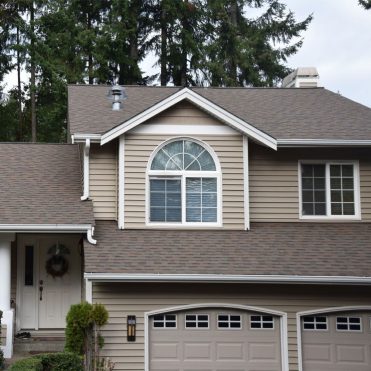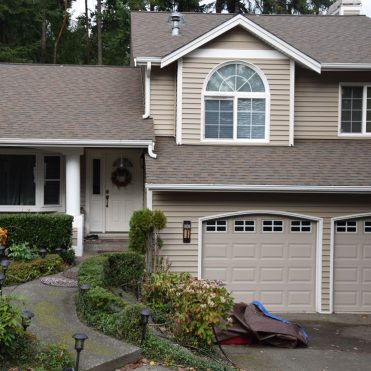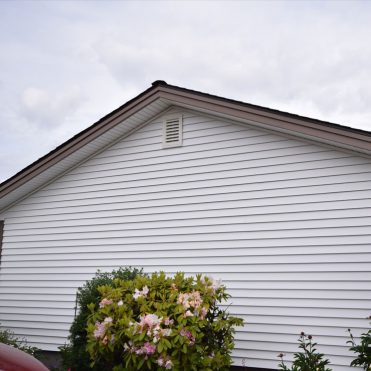


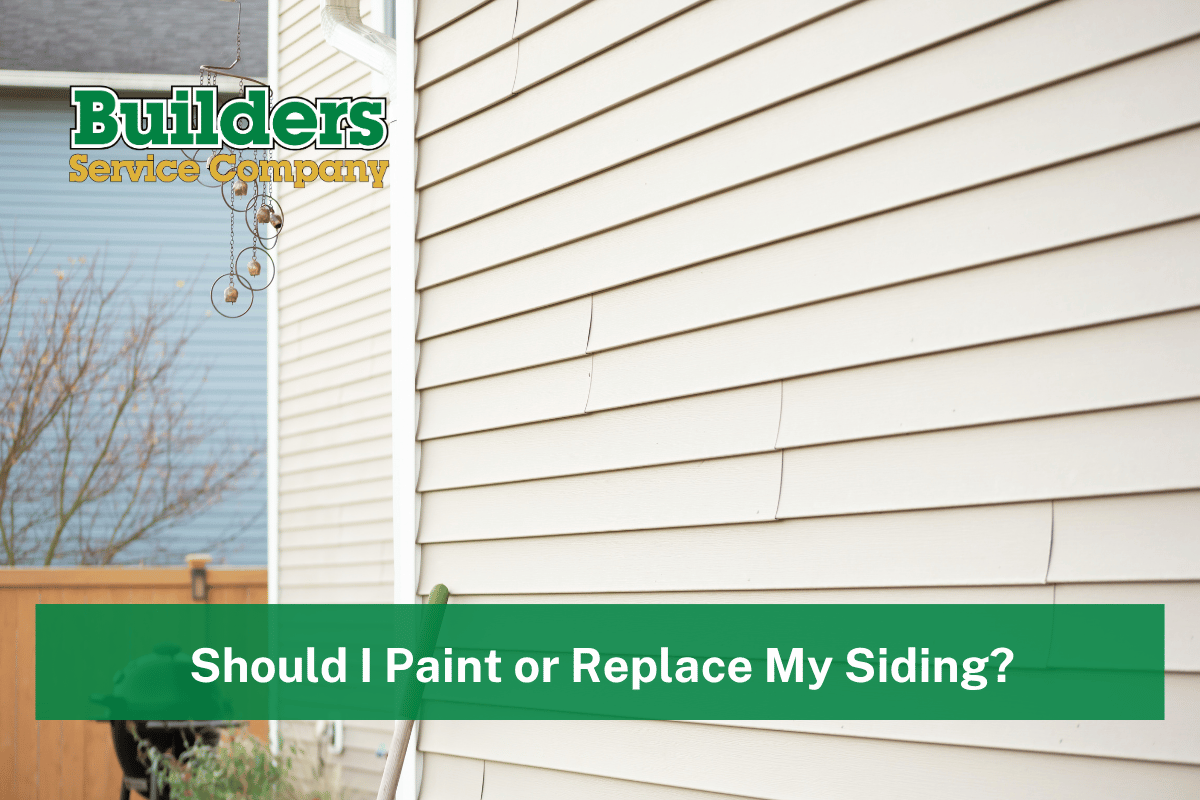
“Should I paint or replace my siding?” is a question many homeowners ask when their exterior starts looking faded, worn, or outdated. Painting can refresh a house at a lower initial cost, but it cannot correct rotting materials, hidden moisture problems, cracked panels, or a failing siding system.
The right decision depends on more than appearance. You need to consider the siding material, extent of the damage, age of the installation, condition of the wall beneath it, and how long you plan to remain in the home.
Should You Paint or Replace Your Siding?
- Paint siding when it is structurally sound and the main problem is fading or an outdated color.
- Replace it when you find widespread rot, cracking, warping, loose panels, or moisture intrusion.
- Wood siding can often be repainted if damaged boards are repaired first.
- Vinyl siding can be painted, but only with compatible products and carefully selected colors.
- Existing aluminum siding may be worth painting when it is secure and only the factory finish has faded.
- Repeated repairs and repainting can make siding replacement the better long-term value.
- Have the exterior inspected before covering suspicious stains, soft areas, or peeling sections with new paint.
Painting or Replacing Siding: What Is the Real Difference?
Painting changes and protects the visible surface. Replacing siding gives the contractor an opportunity to address the complete exterior system, including damaged panels, flashing, trim, weather barriers, insulation, and vulnerable areas around doors and windows.
This distinction matters because siding is not simply decoration. It helps direct water away from the structure while protecting the materials beneath it.
A successful exterior painting project can extend the useful life of healthy siding. However, painting damaged siding may only hide warning signs temporarily. If moisture is already reaching the sheathing or framing, a fresh finish will not stop the underlying deterioration.
When Is Painting the Better Option?
Painting is generally the better option when the siding remains firm, properly attached, and free from widespread moisture damage.
The siding is faded but still structurally sound
Sun exposure and weather can gradually reduce the richness of an exterior color. This does not automatically mean the siding has failed.
If panels or boards remain secure, surfaces feel solid, and there are no major cracks or soft areas, repainting may restore the exterior without the cost of replacing siding.
You want to update the color of your house
A dated color can make an otherwise well-maintained house look older than it is. Exterior painting may be appropriate when the homeowner wants a visual update but does not need a complete siding replacement.
Color changes must still be compatible with the material. This is particularly important with vinyl siding because darker colors absorb more heat. Standard dark paint placed over lighter vinyl can cause the panels to warp or buckle. Vinyl-compatible coatings and approved color selections should be used on a stable surface.
The damage is limited to a few repairable areas
A few split wood boards, loose fasteners, failed joints, or damaged trim sections may be repairable before painting begins.
The proper sequence is important:
- Identify the cause of the damage.
- Replace or repair affected materials.
- Correct failed flashing, gaps, or drainage problems.
- Clean and prepare the surface.
- Prime exposed areas when required.
- Apply the appropriate exterior coating.
Painting first and repairing later usually creates more work and can leave moisture pathways untreated.
You are maintaining healthy wood siding
Wood siding requires ongoing maintenance because its finish helps limit moisture absorption. When the boards remain solid, repainting can protect the material and preserve its appearance.
Preparation is often more important than the paint itself. Loose coating should be removed, damaged sections repaired, exposed wood primed, and joints evaluated before new coats are applied. Depending on exposure and local conditions, painted wood commonly requires another finish cycle within several years.
When Should You Replace Your Siding?
Replace it when the siding is no longer performing its protective role or when repairs would only postpone a larger failure.
You find rot, swelling, or soft materials
Soft wood, crumbling edges, swollen panels, or areas that can be pressed inward are warning signs. They may indicate that water has penetrated the surface or entered through failed joints, flashing, trim, or penetrations.
In Washington’s wet climate, these problems deserve prompt attention. Moisture can continue behind an exterior that looks relatively normal from the street.
Paint should never be used as a cover for rot. The damaged material must be removed, and the source of the water must be corrected.
Large areas are cracked, warped, or loose
One damaged panel may be repairable. Damage across multiple walls suggests that the system may be reaching the end of its service life.
Look for:
- Cracked or brittle vinyl siding
- Boards pulling away from the wall
- Warped or buckled panels
- Repeatedly failing caulk joints
- Gaps around windows and doors
- Loose sections after windstorms
- Widespread peeling or blistering
- Damage concentrated near the ground or roofline
These symptoms should be evaluated together. Replacing one visible section will not solve the problem when the same weakness exists throughout the exterior.
Paint keeps peeling in the same locations
Repeated peeling is not always a paint-quality problem. It can result from poor preparation, but it may also point to moisture moving through the wall, deteriorated materials, or incorrect installation.
Before repainting again, inspect the wall around windows, roof-to-wall intersections, hose bibs, vents, deck connections, and other penetrations. These are common areas where water-management details can fail.
You notice signs of trouble inside the house
Exterior siding problems sometimes appear indoors first. Warning signs can include water stains, peeling interior paint, musty odors, visible mold, or unusually damp areas along outside walls.
Vinyl itself does not rot, but cracks, holes, and gaps can allow water to reach the wood components behind it. Interior symptoms combined with exterior damage are strong reasons to schedule an inspection instead of simply repainting.
Repairs are becoming routine
Repeatedly paying for patching, caulking, board replacement, washing, priming, and repainting can become expensive.
Think beyond the next invoice. Compare the projected maintenance cost over the next 10 to 15 years with the cost and benefits of a complete replacement. A new system may provide more predictable performance, improved appearance, fewer recurring repairs, and better moisture protection.
How Different Siding Materials Affect the Decision
The answer to “Should I paint or replace my siding?” changes depending on what is currently installed.
Wood siding
Paint wood siding when the boards are dry, solid, and repairable. Replace damaged sections or consider full replacement when rot is widespread, boards are splitting, insects have caused deterioration, or water has repeatedly entered behind the material.
A professional should also check the lower edges, end joints, window trim, and areas near decks. These locations often reveal damage before the center of a wall does.
Vinyl siding
Vinyl siding can be painted when the panels are clean, stable, and in good condition. Use paint designed for vinyl expansion and contraction, and follow approved color limitations.
Replacing it is usually the better option when panels are brittle, badly faded, cracked in many places, distorted, improperly installed, or no longer available for matching repairs.
Painting may change the color, but it will not correct loose installation, damaged panels, or problems beneath them.
Existing aluminum siding
Existing aluminum siding may remain serviceable even after the factory finish becomes chalky or faded. If the panels are firmly attached and not heavily dented or corroded, professional preparation and painting may restore the appearance.
Oxidation, peeling finish, and exposed metal require careful cleaning and priming. If the siding is extensively dented, loose, corroded, or concealing wall damage, replacement may offer a cleaner and more durable result.
Fiber cement and engineered siding
These materials are often designed to receive paint, but damaged edges, swelling, improper clearances, loose boards, and failed joints should be corrected first.
Do not assume every crack is cosmetic. An inspection should determine whether the issue is limited to the finish or connected to installation and moisture management.
A Practical Paint-or-Replace Decision Table
| Exterior condition | Painting may work | Replacement may be better |
|---|---|---|
| Faded or outdated color | Yes | Not usually necessary |
| A few repairable boards or panels | Yes, after repair | Sometimes |
| Widespread rot or swelling | No | Yes |
| Numerous cracks or warped panels | No | Yes |
| Peeling caused by poor preparation | Yes, after correction | Not always |
| Repeated peeling with moisture signs | Unlikely | Often |
| Healthy vinyl with a compatible color plan | Yes | Optional |
| Brittle or badly damaged vinyl | No | Yes |
| Frequent ongoing repairs | Temporary solution | Often better long term |
Do Not Decide Based on Appearance Alone
The most useful step is not choosing a paint color or requesting a replacement estimate. It is identifying why the exterior changed.
For example, two houses may both have peeling paint:
- On the first house, the coating is old, but the wood beneath it is dry and solid. Preparation and repainting may be reasonable.
- On the second house, the paint is peeling beneath a window because flashing has failed and water is reaching the wall. Painting that section would hide the symptom while the damage continues.
That is why a hands-on inspection should come before the final decision. A siding contractor can evaluate the visible material, trim, penetrations, joints, and other vulnerable areas to determine whether you need maintenance, targeted repair, or full siding replacement.
Think in Terms of Remaining Service Life
Initial cost matters, but it should not be the only factor.
Painting may cost less today, yet it may not be the better option if you expect to replace the siding within a few years. Conversely, replacing structurally sound home siding solely because the color is dated may create an unnecessary expense.
Ask three practical questions:
- How many useful years could professional painting add?
- What repairs are required before painting?
- Will those repair and repainting costs delay replacement, or simply add another expense before it?
The better option is the one that protects the house reliably while making sense for your ownership plans and maintenance expectations.
Trusted Exterior Guidance from Builders Service Company
Builders Service Company has helped Washington homeowners improve and protect their exteriors since 1974. Our team provides siding services, roofing, windows, and decking with a focus on dependable workmanship, honest communication, and long-term results. When you are uncertain whether to repair, repaint, or replace it, we can inspect the condition of your exterior and explain the available options.
Builders Service Company
Phone: 888-980-8580
Address: 1326 Tacoma Ave S, Suite 201, Tacoma, WA 98402
Service area: Communities throughout Washington
Contact us to request a free in-home consultation.
Frequently Asked Questions
Is it cheaper to paint siding or replace it?
Painting usually has a lower initial cost, provided the siding is structurally sound and needs only limited repair. Replacement costs more upfront but may reduce repeated maintenance and repair expenses over a longer ownership period.
Can vinyl siding be painted successfully?
Yes. Vinyl siding can be painted when it is clean, stable, undamaged, and coated with a vinyl-compatible exterior product. Color selection is important because excessive heat absorption can cause unsuitable vinyl panels to distort.
Is painting old siding just a temporary fix?
Not always. Proper painting can be worthwhile maintenance for healthy wood, aluminum, fiber cement, or paintable engineered siding. It becomes a temporary cosmetic fix when the underlying material is rotten, cracked, warped, loose, or allowing moisture into the wall.
Should I replace siding before selling my house?
Replacement may make sense when visible damage could concern buyers or appear during an inspection. If the siding is healthy but faded, cleaning, targeted repair, and painting may improve curb appeal without requiring a complete replacement.
Can I replace only one side of my house?
Sometimes. Sectional replacement may work when damage is isolated and compatible materials can be matched. A contractor should determine whether the problem is truly limited to one elevation or is part of a broader installation or moisture issue.
How can I tell whether there is damage behind my siding?
Possible signs include soft areas, swelling, musty odors, interior stains, recurring peeling, loose panels, damaged trim, and moisture near windows or doors. Because hidden damage cannot always be confirmed visually, a professional inspection may be necessary.
Protect the Exterior Before a Small Problem Spreads
You do not have to guess whether painting or replacing siding is the right investment. Start with an inspection that separates normal surface wear from structural or moisture-related damage.
Contact Builders Service Company today to schedule your free in-home consultation and find the right long-term solution for your home.