

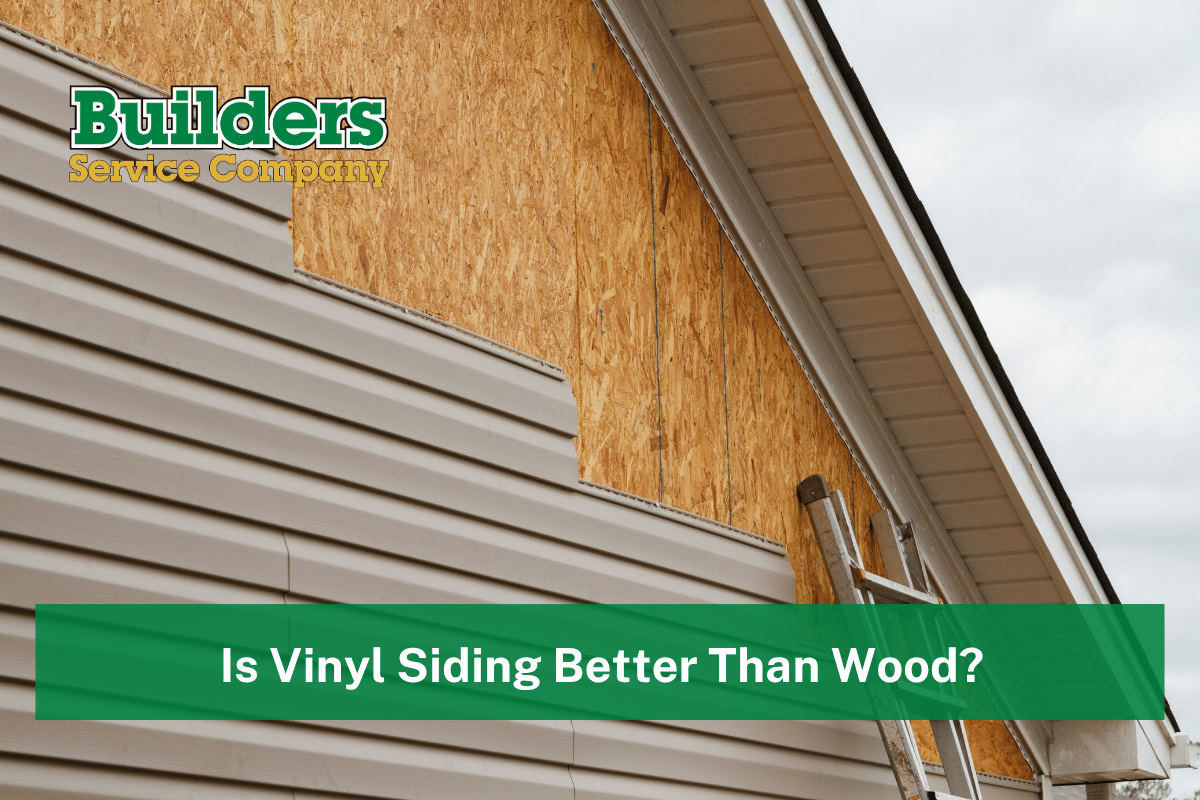
Is Vinyl Siding Better Than Wood? A Practical Guide for Washington Homeowners
Is vinyl siding better than wood for a home in Washington? For many homeowners, vinyl siding is the more practical option because it needs less maintenance, handles moisture more predictably, and avoids the recurring painting and sealing required by natural wood. However, the right choice still depends on your home, priorities, and expectations.
What Homeowners Should Know
- Vinyl siding generally requires less maintenance than wood siding.
- Wood provides a natural appearance but needs regular painting, staining, sealing, and inspection.
- Vinyl siding is usually more resistant to moisture, insects, and surface rot.
- Wood may crack, warp, peel, or decay when its protective finish fails.
- Vinyl siding is cheaper to maintain over time, although material quality and installation both matter.
- Insulated siding can improve comfort and exterior wall performance.
- Washington homeowners should consider rain, humidity, shade, and installation quality before choosing a siding material.
Is Vinyl Siding Better Than Wood Overall?
For homeowners who prioritize low maintenance, moisture resistance, and predictable upkeep, vinyl siding is generally better than wood. Wood remains appealing for its natural character, but it demands significantly more attention.
The question is not simply whether one siding material looks better on the day it is installed. Homeowners should consider what the exterior will require five, ten, or twenty years later.
In the Pacific Northwest, siding must withstand prolonged rain, damp winters, shaded walls, airborne debris, and repeated temperature changes. A product that looks beautiful but requires constant maintenance may become frustrating when exposed to those conditions year after year.
Vinyl Siding and Wood Siding at a Glance
| Category | Vinyl siding | Wood siding |
|---|---|---|
| Routine maintenance | Occasional washing and inspection | Painting, staining, sealing, caulking, and inspection |
| Moisture response | Does not absorb water like natural wood | Can absorb moisture if the finish or joints fail |
| Pest vulnerability | Not a food source for insects | Can be vulnerable to insects and woodpeckers |
| Appearance | Available in many profiles and wood-look finishes | Authentic grain and natural variation |
| Repair considerations | Individual panels may be replaceable | Damaged boards may require cutting, finishing, and color matching |
| Long-term workload | Generally low | Generally high |
| Energy performance | Can be improved with insulation | Depends on the wall assembly and installation |
The table provides a useful starting point, but siding performance cannot be judged by material alone. Product quality, wall preparation, flashing, ventilation, trim details, and installation workmanship all influence the final result.
The Main Advantages of Vinyl Siding
Vinyl is known for low maintenance
One of the strongest siding advantages of vinyl is its low maintenance. It does not require the same recurring painting or staining schedule as wood siding.
Most homeowners can maintain quality vinyl with periodic rinsing and gentle cleaning. The exterior should still be inspected for loose sections, impact damage, open joints, and issues around windows or trim, but there is no exposed wood surface that must be repeatedly refinished.
This makes vinyl easier for homeowners who do not want exterior upkeep to become a permanent weekend project.
It handles damp weather more predictably
Natural wood can perform well when it is carefully installed and consistently maintained. The problem is that even a small failure in paint, stain, caulking, or flashing can allow moisture to reach the material.
Once water enters vulnerable wood, homeowners may begin seeing:
- Swelling or warping
- Peeling paint
- Soft or deteriorated sections
- Mold or mildew growth
- Cracked boards
- Rot near joints, corners, and lower walls
Vinyl does not absorb moisture in the same way. That does not make the entire wall automatically waterproof. Proper house wrap, flashing, drainage, and installation remain essential. Still, the exposed siding surface is less vulnerable to moisture-related decay.
Vinyl siding is cheaper to maintain
Vinyl siding is cheaper in many installations, but the more meaningful advantage may be the reduced cost of ongoing care.
Wood siding may require surface preparation, scraping, priming, staining, painting, sealing, or board replacement at different stages of its life. Labor, access, home height, architectural details, and the condition of the existing coating can all increase those expenses.
Vinyl avoids much of that recurring work. Homeowners should compare the total ownership burden rather than focusing only on the first project price.
Modern profiles offer more design flexibility
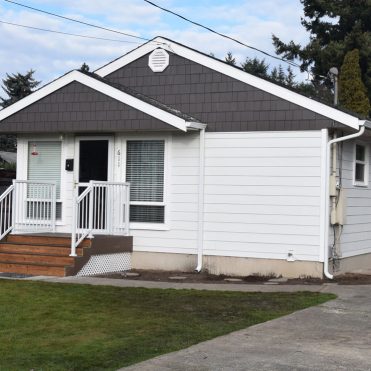
Older siding vinyl products sometimes had a noticeably artificial or flat appearance. Modern products offer deeper profiles, stronger shadow lines, improved textures, and colors that complement both traditional and contemporary homes.
Available siding options may include:
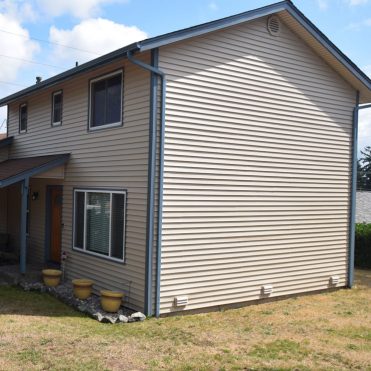
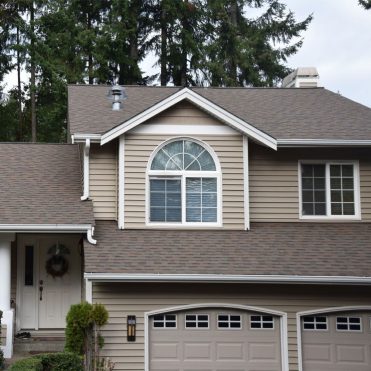
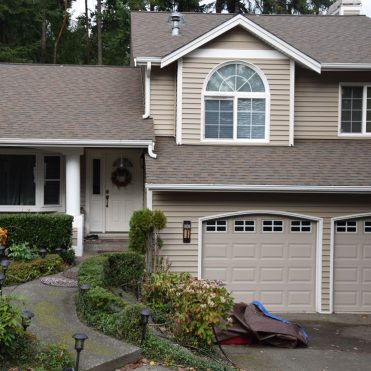
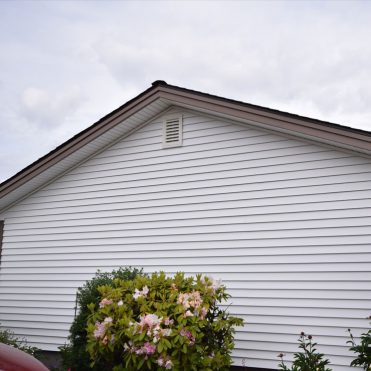
- Horizontal lap siding
- Vertical board and batten profiles
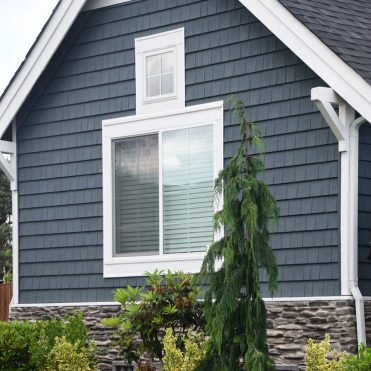
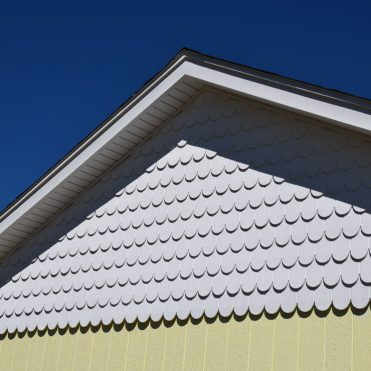
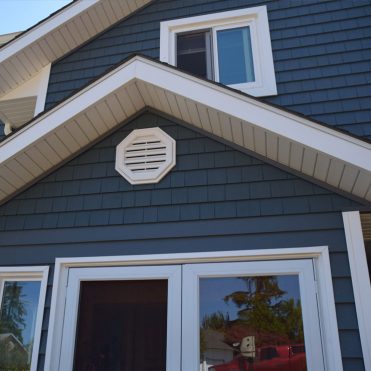
- Shake vinyl accents
- Wide or narrow panel exposures
- Coordinated corner posts and trim
- Insulated siding systems
- Wood-grain surface textures
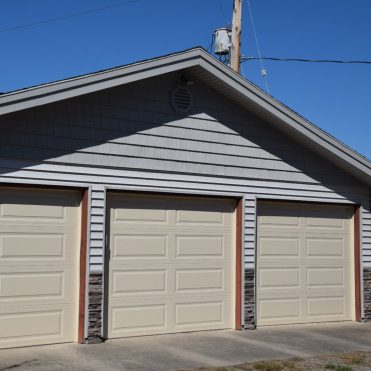
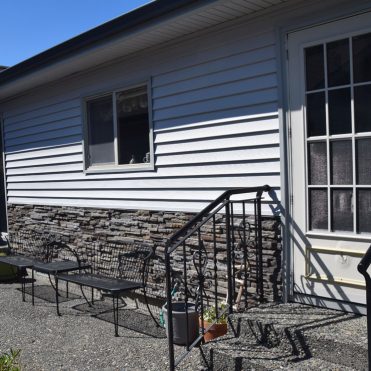
A carefully designed exterior can use different profiles around gables, entry areas, or architectural features without making the home look overly busy.
Where Wood Siding Still Has an Advantage
Natural wood offers authentic variation
Wood has a warmth and variation that manufactured materials attempt to reproduce. Its grain, texture, and subtle color differences can be especially suitable for historic homes, cabins, Craftsman properties, and designs built around natural materials.
For some homeowners, that authentic appearance is worth the additional time and expense.
However, siding wood products must be treated as an ongoing responsibility. The finish is not merely decorative. It protects the boards from moisture, sunlight, and surface deterioration.
Wood can be repaired and refinished
A damaged wood board can sometimes be removed, repaired, sanded, or refinished without replacing an entire wall. Wood can also be painted in a new color when homeowners want a major design change.
That flexibility comes with a tradeoff. Refinishing a home is a substantial project, and a new coating is only as reliable as the preparation beneath it. Painting over damp, dirty, peeling, or deteriorated wood rarely creates a lasting result.
It may suit preservation-focused projects
Some historic homes have original wood details that should be preserved when their condition and local requirements make restoration appropriate. Covering those details without a proper evaluation can change the home’s proportions or conceal existing damage.
A qualified contractor should inspect the condition of the boards, sheathing, flashing, and trim before recommending restoration or replacement.
The Disadvantages Homeowners Should Understand
Wood requires consistent maintenance
Wood siding performs best when homeowners respond quickly to peeling finishes, failed caulking, open seams, insect activity, and soft areas.
Maintenance needs vary according to the species, finish, sun exposure, wall direction, tree cover, and local weather. A sheltered side of a home may remain attractive while a south-facing or rain-exposed side deteriorates much faster.
Delaying maintenance can turn a surface-level issue into damaged boards or hidden wall problems.
Vinyl can also fade or suffer damage
Vinyl can also fade over time, particularly when lower-quality products receive intense sun exposure. It may crack after a strong impact, and improper installation can lead to buckling, waviness, or restricted movement.
Because vinyl expands and contracts as temperatures change, it should not be fastened too tightly. Panels need enough room to move without rattling or pulling away from the wall.
Dark or mismatched replacement pieces can also create visual differences if an older installation has weathered for many years.
Installation quality matters for both materials
No siding material can correct a poorly prepared wall.
Before new house siding is installed, the contractor should evaluate:
- Existing moisture damage
- Soft sheathing or framing
- Window and door flashing
- Roof-to-wall connections
- Penetrations for lights, vents, and utilities
- Wall flatness
- Drainage and weather-resistant barriers
- Trim and corner details
Many siding cons blamed on the product actually begin with installation shortcuts. The best siding material can still fail when water is directed behind it or necessary movement is restricted.
What About Engineered Wood?
Engineered wood is made from wood fibers or strands combined with resins and protective treatments. It is designed to provide a wood-like appearance with greater consistency than some natural boards.
It may resist certain forms of damage better than untreated wood, but it is not maintenance-free. Cut edges, damaged coatings, joints, and penetrations still require careful installation and inspection. In damp areas, small detailing mistakes can become significant over time.
Homeowners comparing engineered wood with vinyl should ask about maintenance requirements, warranty conditions, moisture protection, repair procedures, and how the siding performs on their specific property.
What Is the Best Choice for a Washington Home?
Vinyl siding is often the better option for a Washington home when the owner wants reliable exterior protection without committing to regular painting and sealing.
Wood may still be appropriate when architectural authenticity is the main priority and the homeowner is prepared to maintain it carefully.
Before making a decision, consider these practical questions:
- How much maintenance are you realistically willing to perform?
- Does the property receive heavy rain, shade, or wind-driven moisture?
- Are there existing signs of rot or wall damage?
- Is authentic natural wood essential to the home’s style?
- Will insulation be included in the siding system?
- How experienced is the installer with local weather conditions?
- What does the product warranty cover, and what could void it?
A material should not be selected from a small sample alone. It needs to work with the entire wall system and the way the home is exposed to Washington weather.
A More Complete Alternative to Standard Siding
Homeowners are not limited to choosing between basic vinyl and high-maintenance wood. Builders Service Company also offers the Evergreen Shield Siding System, a coordinated exterior solution developed for the Pacific Northwest.
Evergreen Shield is designed to combine low maintenance, insulation, moisture protection, durable finishes, and professional installation. It provides the attractive appearance homeowners want without leaving the home dependent on recurring wood refinishing.
This system is especially relevant for properties where comfort, wet-weather performance, and long-term exterior protection matter as much as appearance.
Advice From Builders Service Company
Builders Service Company has served Washington homeowners since 1974, providing siding, roofing, window, and decking improvements throughout the Greater Seattle and Tacoma areas. Owner and founder Mason Ruppel continues to oversee projects and regularly meets homeowners personally to discuss their properties and project goals.
Contact us to schedule a free in-home consultation.
Frequently Asked Questions
Does vinyl siding last longer than wood siding?
Vinyl often provides a more predictable service life because it does not rot and requires less recurring maintenance. Wood can last for decades, but only when it is installed correctly and consistently protected.
Sun exposure, moisture, product quality, wall preparation, and installation workmanship affect the lifespan of both materials.
Does vinyl siding make a home look cheap?
Quality vinyl siding should not make a home look cheap when the profile, color, trim, and installation suit the architecture.
Thin panels, poor detailing, awkward color combinations, and careless installation are usually responsible for an inferior appearance. Premium profiles can create deeper shadow lines and a more finished exterior.
Is wood siding better for home value?
Wood may appeal to buyers who value authentic materials, especially on historic or architecturally distinctive homes. However, visible peeling, rot, or neglected maintenance can reduce that advantage.
Low-maintenance siding may be more attractive to buyers who want predictable ownership costs and fewer exterior projects.
Can vinyl siding dent or crack?
Vinyl does not typically dent like thin aluminum or steel siding, but it can crack after a strong impact, particularly in cold conditions.
Higher-quality products and correct installation reduce the risk. Damaged panels should be replaced before wind or water affects the surrounding wall.
Can vinyl siding be installed over existing wood?
It may be possible in some cases, but the existing wall must be inspected first. Damaged, loose, uneven, or moisture-affected wood should not simply be covered.
The contractor must determine whether removal, repair, leveling, insulation, or additional weather protection is required before installation begins.
Which siding requires less maintenance?
Vinyl siding requires less routine maintenance than natural wood. It generally needs occasional cleaning and inspection rather than recurring painting, staining, or sealing.
Homeowners should still inspect all exterior walls, trim, penetrations, and joints periodically so small problems can be addressed early.
Choose Siding for the Life You Want to Live
The best exterior should protect your house without constantly demanding your attention. Wood offers genuine beauty, but vinyl siding is usually the more practical choice for Washington homeowners seeking lower maintenance and better resistance to everyday moisture concerns.
Contact Builders Service Company at 888-980-8580 to schedule your free in-home consultation and explore a siding system designed around your home, local weather, and long-term priorities.