

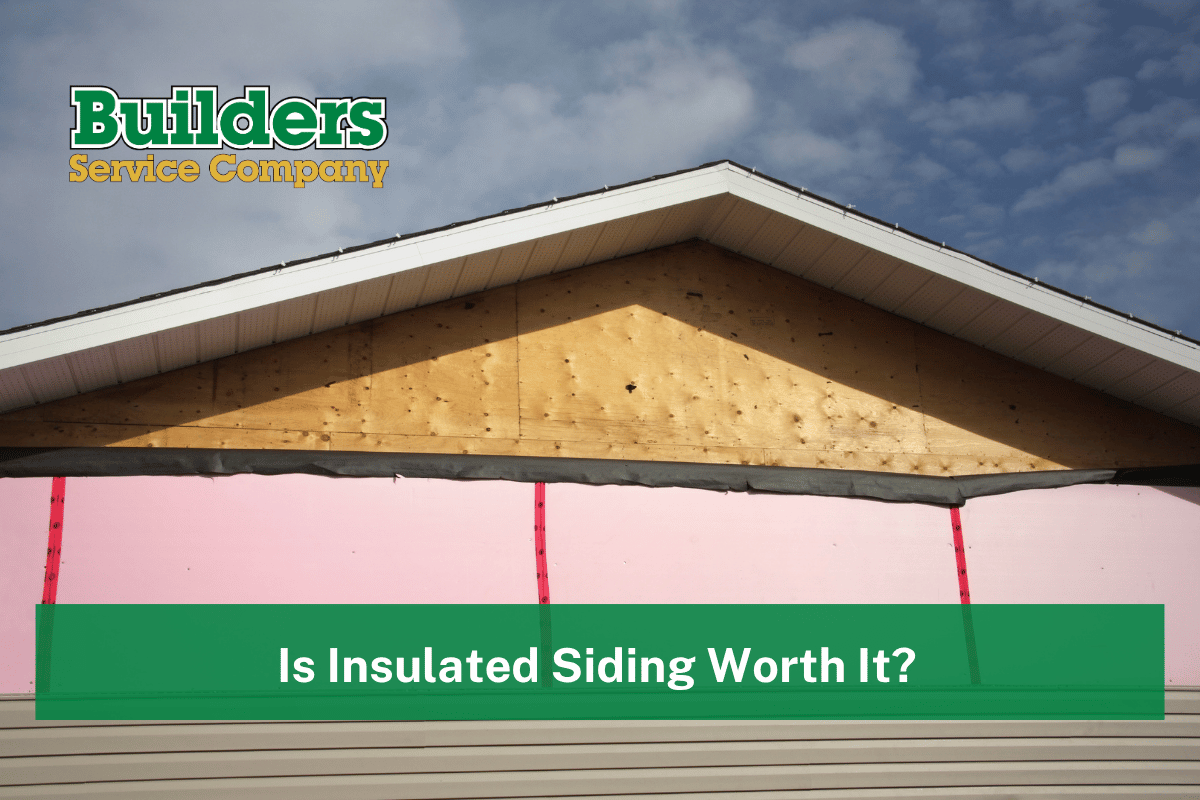
Is Insulated Siding Worth It?
When planning an exterior upgrade, many homeowners ask: is insulated siding worth it? The answer depends on your home’s needs, climate, budget, and long-term goals. While standard exterior cladding can improve curb appeal and protect your home from the elements, insulated siding offers additional benefits that may make it a worthwhile investment.
At Builders Service Company, we help homeowners understand the differences between exterior products so they can choose the best solution for their property. Before deciding whether insulated siding is right for your home, it is important to understand how it works, what benefits it offers, and whether the extra cost provides enough value over time.
What Is Insulated Siding?
Insulated siding is a type of siding that includes a layer of rigid foam insulation attached directly to the back of the panel. Unlike traditional vinyl products, insulated siding combines exterior protection with added thermal performance.
The foam backing is designed to fit securely behind the siding panel, creating a more solid and durable exterior surface. This extra layer helps improve insulation performance and can make the walls of a home more energy efficient.
Many homeowners choose insulated vinyl because it provides both the appearance of traditional vinyl and the added benefits of insulation. This combination has made insulated vinyl one of the most popular exterior improvement products available today.
Is Insulated Siding Worth It for Better Energy Efficiency?
One of the biggest advantages of insulated siding is improved energy efficiency. Unlike standard vinyl products, this type of siding includes a rigid foam layer attached behind the panels. The insulated backing helps reduce heat transfer through exterior walls.
Because the foam adds thermal resistance, homeowners may notice lower heating and cooling demands throughout the year. Although it does not replace existing wall insulation, it can provide additional insulation that improves overall comfort.
In colder climates, insulated siding can help keep warm air inside during winter months. In warmer regions, it can help reduce the amount of heat entering the home. These benefits may contribute to long-term energy savings and a more comfortable indoor environment.
Insulated Vinyl vs Traditional Vinyl Siding
Many people compare insulated vinyl to traditional vinyl before making a decision. While both options are durable and low-maintenance, insulated vinyl includes built-in insulation that provides extra support and protection.
Traditional vinyl products are often less expensive upfront, but insulated vinyl can offer better performance over time. The added foam layer helps panels remain straighter and more resistant to impacts. It may also reduce outside noise and improve indoor comfort.
Compared to traditional vinyl, insulated siding often feels more substantial because of the attached backing. It is less likely to flex during strong winds and may provide a cleaner, more uniform appearance across the exterior wall.
Benefits of Insulated Siding for Homeowners
There are several reasons why homeowners choose insulated siding over standard products:
- Improved energy savings throughout the year
- Added protection against wind and temperature changes
- Enhanced durability thanks to the attached backing
- Better appearance with smoother, more uniform walls
- Reduced risk of drafts and air leakage
- Additional support for exterior wall surfaces
- Increased comfort inside the home
- Improved overall insulation performance
Many modern products are designed with higher R-values, allowing them to perform better than standard siding materials.
For homeowners looking for a balance between appearance and performance, insulated siding can be an attractive option that delivers benefits beyond curb appeal.
Understanding the Cost and Price Difference
The price of insulated siding is typically higher than regular vinyl alternatives. The extra cost comes from the integrated foam layer and improved performance features.
Because more materials are used during manufacturing, insulated products generally cost more than traditional options. Installation costs may also be slightly higher depending on the product selected and the complexity of the project.
However, many homeowners view the additional cost as a long-term investment. Potential energy savings, improved durability, and lower maintenance requirements can help offset the initial expense over time. Depending on the product selected, the amount of money saved on utility bills may vary.
When evaluating the value of insulated siding, it is important to look beyond the initial price and consider the long-term benefits that may be gained over many years.
Does Insulated Vinyl Help With Moisture Protection?
Properly installed insulated vinyl can contribute to better moisture management. While it is not a complete vapor barrier, the extra layer behind the panels can help reduce air infiltration and limit exposure to moisture.
The foam backing can also help create a more consistent surface behind the siding. This may reduce gaps where outside air can enter and contribute to improved overall performance.
Professional installation remains important because poor installation can allow water intrusion regardless of the type of siding insulation used. Proper flashing, drainage, and sealing practices are essential for long-term protection.
Can Insulated Siding Increase Home Value?
Many homeowners wonder whether insulated siding can increase property value. While results vary by market, exterior improvements are often viewed positively by potential buyers.
A home with modern insulated siding may appear more attractive, require less maintenance, and offer improved energy efficiency. These features can make a property more appealing compared to homes with older exterior materials.
If your home is currently clad with aging wood or outdated vinyl products, upgrading to insulated siding may improve both appearance and performance.
When Is Insulated Siding Worth the Investment?
Insulated siding is often worth considering if:
- You live in a region with hot summers or cold winters
- Your current exterior is aging or damaged
- You want better energy savings
- You plan to stay in your home for many years
- You want a more durable alternative to traditional exterior materials
- You want additional insulation without major structural changes
- You are looking for a premium exterior upgrade
For homes currently clad with aging wood or older traditional materials, upgrading to insulated vinyl can provide both aesthetic and performance benefits.
Final Thoughts
So, is insulated siding worth it? For many homeowners, the answer is yes. While the upfront investment is higher than standard options, insulated vinyl provides added comfort, improved durability, better energy efficiency, and long-term energy savings. The combination of foam insulation, enhanced backing, stronger performance, and increased protection makes insulated siding an attractive choice for those looking to improve their home’s exterior.
If you’re considering new siding, the experts at Builders Service Company can help you evaluate your options and determine whether insulated siding is the right solution for your property. With the right product and professional installation, insulated siding can deliver lasting value for years to come.