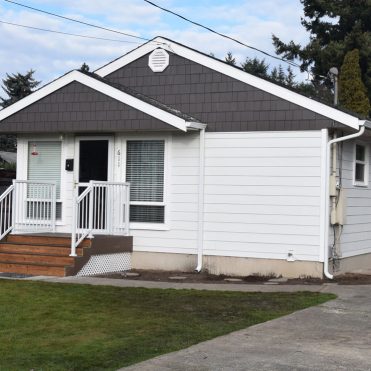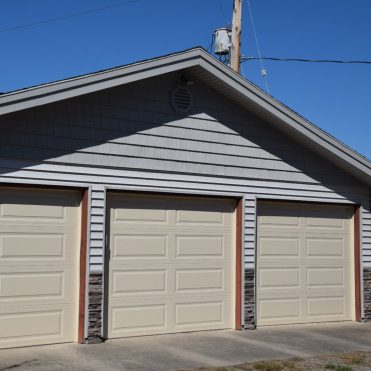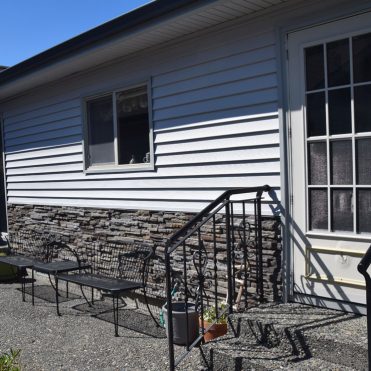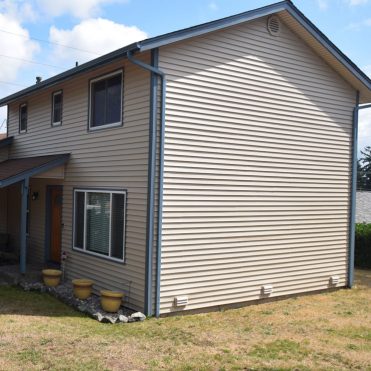


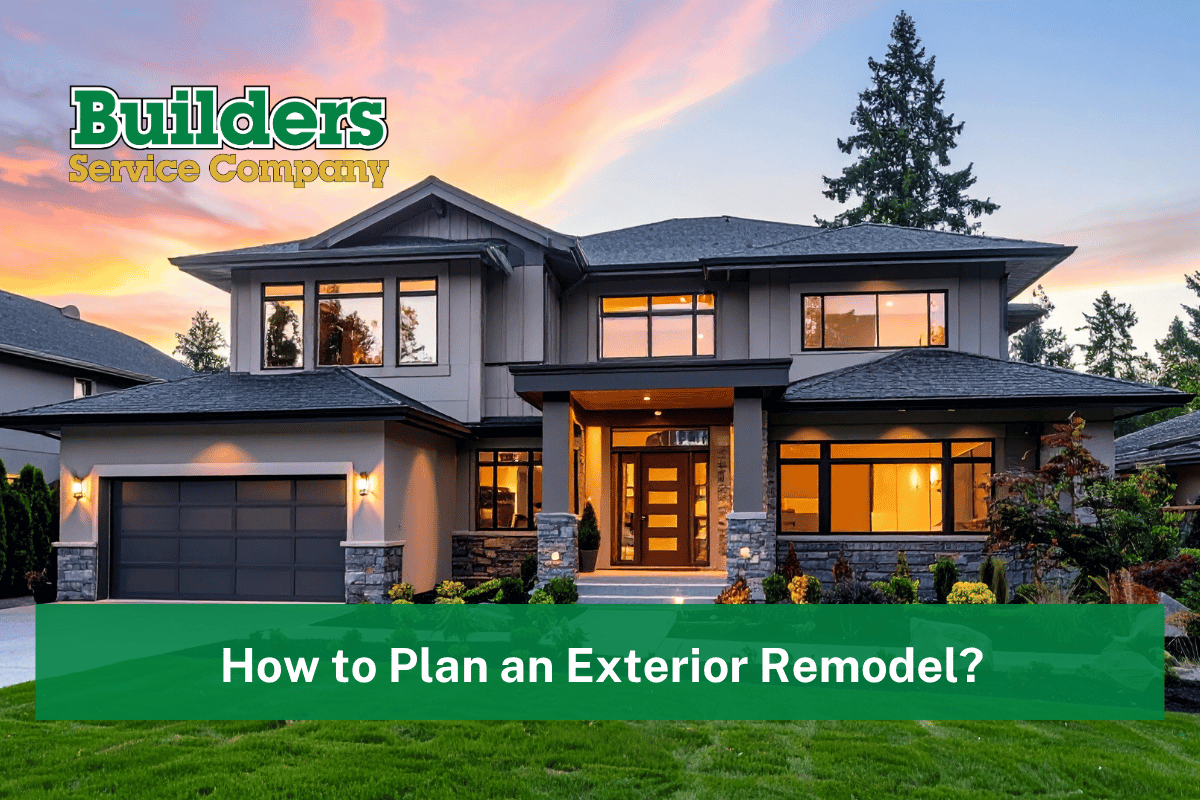
Learning how to plan an exterior remodel is not simply about choosing new colors or finding a siding style you like. A successful project begins with understanding what your home needs, deciding which improvements should come first, and creating one coordinated design that protects the structure while improving its appearance.
For Washington homeowners, that planning matters even more. Rain, moisture, wind, changing temperatures, and seasonal debris can expose weaknesses in siding, roofing, windows, trim, and decking. When these areas are evaluated together, homeowners can avoid disconnected upgrades and create an exterior that looks intentional, performs reliably, and remains easier to maintain.
Key Takeaways
- Inspect the entire exterior before choosing finishes or colors.
- Address leaks, rot, damaged siding, and structural concerns first.
- Set priorities based on protection, comfort, appearance, and budget.
- Plan roofing, windows, siding, and trim in the correct installation order.
- Choose materials that suit Washington’s climate and your maintenance preferences.
- Review samples outdoors and use photos or visualizations before deciding.
- Hire experienced exterior contractors who can coordinate the complete project.
Start With the Condition of Your Home Exterior
The first step is to separate what your house needs from what you would like to change. Both matter, but they should not carry the same priority.
Walk around the property and examine the siding, roof, windows, doors, exterior trim, porch, deck, gutters, and visible foundation. Take a photo of every side of the house, including close-up images of damaged or questionable areas. These photos will help you compare conditions, discuss concerns with a contractor, and remember details that may be difficult to see later.
Look for warning signs such as:
- Loose, cracked, warped, or missing siding
- Soft wood around windows, doors, fascia, or trim
- Peeling paint or recurring discoloration
- Gaps around windows and exterior penetrations
- Water stains beneath roof edges
- Missing or damaged roofing materials
- Drafts, condensation, or difficult-to-operate windows
- Deck boards or railings that feel loose or unstable
- Gutters that overflow or pull away from the house
A faded finish may only affect appearance. Soft trim, open seams, or water intrusion may indicate a larger problem. An experienced contractor can determine whether an area needs a surface repair, targeted replacement, or more complete renovations.
Decide What Must Be Repaired First
Protection should come before decoration.
For example, installing attractive exterior trim around a window will not solve water intrusion caused by poor flashing. Painting deteriorated siding may improve the house exterior temporarily, but it can also conceal damage that continues underneath.
Create three categories:
- Immediate repairs that protect the home
- Functional improvements that improve comfort or reduce maintenance
- Visual exterior upgrades that improve curb appeal
This approach keeps urgent work from being overlooked while still giving design goals a clear place in the plan.
Build the Design Before Selecting Individual Products
Many homeowners choose one product at a time. They find a siding color, then select trim, roofing, windows, and doors later. The result can feel disconnected because each decision was made without seeing the complete home exterior.
A better method is to develop a simple design direction first.
Identify the Features Worth Keeping
Not every part of an older home needs to be removed. Rooflines, window groupings, porch columns, masonry, gables, and existing architectural details may already give the house character.
Ask which features make the home recognizable and which ones make it feel dated. A good remodel strengthens the home’s architecture instead of covering it with unrelated trends.
A Craftsman-style house, for example, may benefit from defined trim, warm accents, and visual weight near the porch. A simple mid-century home may look better with clean lines, restrained color contrast, and fewer decorative elements.
Choose a Controlled Exterior Color Palette
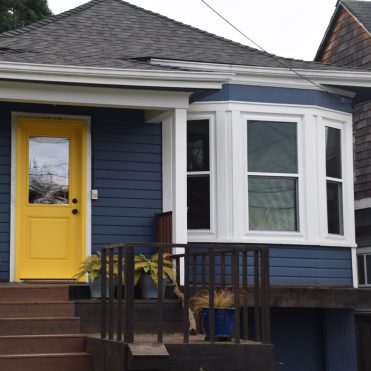
Most successful exteriors use three main color roles:
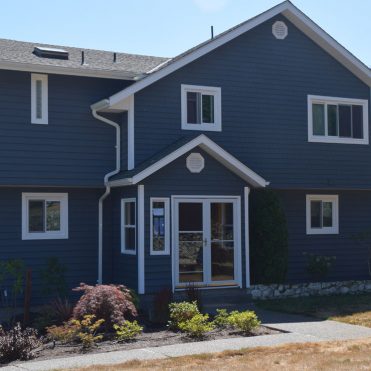
- The field color for the largest surfaces
- The trim color for windows, fascia, corners, and architectural edges
- The accent color for the front door or selected details
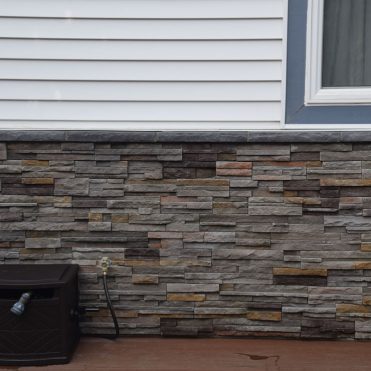
Roofing, stone, brick, and exposed wood should also be treated as part of the palette. They may not be painted, but they still affect how every other color appears.
Review full-size samples outdoors. A siding color can look completely different in morning shade, direct afternoon light, and wet weather. Place siding and trim samples beside the roof, windows, masonry, and door before approving the final material selection.
Use Contrast With Purpose
Contrast should direct attention, not create visual noise.
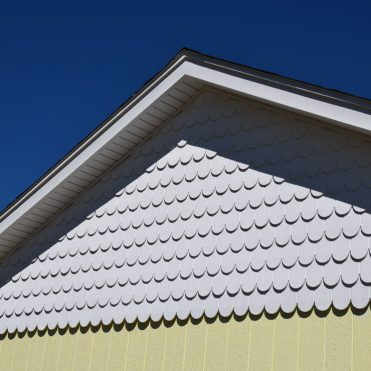
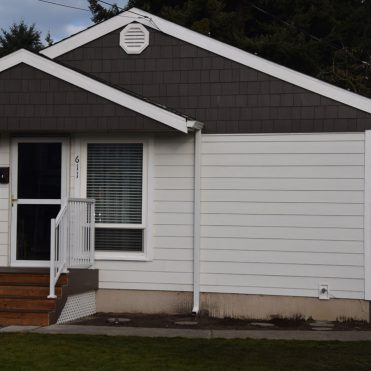
Lighter trim can outline windows and rooflines. Dark trim may create a sharper, more contemporary appearance. Vertical siding can highlight a gable, while horizontal siding keeps the main body of the house visually grounded.
Mixed materials can add depth, but every material should have a reason to be there. Using too many textures, colors, or trim widths can make even expensive work appear unplanned.
Plan the Exterior Remodel in the Right Order
The sequence of work affects installation quality, flashing, warranties, and the amount of labor that must be repeated.
A typical coordinated project may follow this order:
| Project stage | Why it usually comes at this point |
|---|---|
| Structural repairs | Damaged framing or sheathing must be corrected before new finishes |
| Roof work | Roofing and roof-edge details affect flashing, fascia, and water control |
| Window or door replacement | Openings should be installed and sealed before surrounding siding and trim |
| Siding replacement | New siding integrates with windows, weather barriers, and corner details |
| Exterior trim and gutters | Finish components are fitted to the completed exterior surfaces |
| Deck, porch, lighting, and landscaping | Final outdoor improvements complete the appearance without obstructing major work |
The exact order can change based on the house and scope of the project. The important point is to plan the complete system before construction begins.
Coordinate Windows, Siding, and Trim
Windows and siding should not be treated as unrelated projects when both are nearing the end of their useful life.
Replacing windows first can make it easier to integrate flashing and trim correctly. If siding replacement is completed first and windows are replaced soon afterward, sections of new material may need to be disturbed or reworked.
Planning both improvements together does not always mean completing them at the same time. It means making the first project compatible with the second.
Do Not Ignore Water Management
The most attractive materials will not perform properly if water cannot drain away from the structure.
A professional assessment should consider:
- Roof-to-wall transitions
- Window and door flashing
- Weather-resistant barriers
- Kick-out flashing near roof edges
- Gutter placement and drainage
- Clearances near soil, decks, and paved surfaces
- Sealing around vents, pipes, and utility penetrations
These details are less visible than colors and profiles, but they often determine how well an exterior performs over time.
Set a Realistic Budget and Scope
Remodeling costs depend on the size and shape of the house, access conditions, demolition requirements, hidden damage, product quality, and the amount of detailed trim work involved.
Rather than starting with a list of every possible upgrade, establish a budget range and divide it into four categories:
- Essential repair and weather protection
- Primary materials and installation
- Design details and optional upgrades
- A contingency for hidden conditions
A contingency is especially important on older homes. Once damaged siding or trim is removed, contractors may find deteriorated sheathing, missing flashing, or moisture-related damage that could not be fully evaluated from the surface.
Compare Long-Term Value, Not Just Initial Price
The lowest material price does not always produce the lowest ownership cost.
Consider how often the material needs painting, sealing, cleaning, or repair. Wood offers a distinctive appearance but usually requires more ongoing maintenance. Other siding products may offer lower maintenance while still providing texture, color, and architectural detail.
Ask how each option performs in the local climate, what maintenance it requires, what the warranty covers, and how difficult it will be to repair or match later.
Decide Whether to Complete the Project in Phases
A phased remodel can make a larger plan more manageable, but the phases must be arranged carefully.
A practical sequence might be:
- Phase one: roof, drainage, and urgent repairs
- Phase two: windows and doors
- Phase three: siding and exterior trim
- Phase four: deck, porch, lighting, and landscaping
Document the final design before phase one begins. That way, early choices will support later improvements rather than limiting them.
Choose the Right Exterior Contractor
The contractor you select will influence more than workmanship. The contractor should help evaluate conditions, explain installation details, organize product decisions, and keep the full project working toward one outcome.
Before hiring, ask:
- How long has the company completed exterior work in the region?
- Is the contractor properly licensed and insured?
- Who will inspect the house and prepare the scope?
- How will hidden damage or additional work be handled?
- Which materials and installation systems are recommended?
- How are flashing and water-management details addressed?
- Who manages communication during construction?
- What workmanship and manufacturer warranties apply?
The proposal should clearly describe the scope, materials, preparation, removal, installation, cleanup, and exclusions. Avoid comparing proposals by total price alone when the scopes are not identical.
Plan for Everyday Life During Construction
Exterior work can affect parking, entrances, outdoor spaces, pets, children, and work-from-home routines.
Before the project begins, discuss material delivery, dumpster placement, access to doors, daily cleanup, noise, landscaping protection, and how weather delays will be communicated.
Move furniture, grills, planters, decorations, and fragile items away from work areas. Contractors may also recommend removing pictures or breakable objects from interior walls during heavy exterior work.
Good preparation will not remove every inconvenience, but it can make the project more organized and predictable.
Exterior Remodeling Experience From Builders Service Company
Builders Service Company has helped Washington homeowners improve siding, roofing, windows, and decking since 1974. With more than 50 years of exterior remodeling experience, the company helps homeowners balance design, weather protection, durability, and long-term value.
To discuss your project, contact Builders Service Company at 888-980-8580 or 1326 Tacoma Ave S, Suite 201, Tacoma, WA 98402. Service is available throughout communities across Washington. Contact us to request a free in-home consultation.
Frequently Asked Questions
What should I plan first in an exterior remodel?
Begin with a full condition assessment of the roof, siding, windows, trim, drainage, and structural surfaces.
Repair active leaks, rot, and other weather-related problems before spending money on cosmetic changes. Once the house is protected, develop the visual design and material plan.
How long does an exterior remodel take?
A focused project may take several days, while a complete exterior remodel can take multiple weeks.
The timeline depends on the size of the house, project scope, weather, material availability, inspections, repairs, and the number of exterior systems being replaced.
Should I replace the roof or siding first?
Roofing is often completed first because roof edges, flashing, fascia, and drainage details can affect the siding installation.
However, both projects should be planned together. A contractor should review the full scope and determine the sequence that provides the best water management and avoids repeated work.
Can I remodel my exterior in phases?
Yes, an exterior remodel can be completed in phases when the final design and installation sequence are established in advance.
Complete urgent protection work first. Then arrange windows, siding, trim, decks, and decorative improvements so that each phase supports the next one.
How do I choose siding for Washington weather?
Choose siding based on moisture performance, durability, maintenance needs, architectural fit, warranty coverage, and installation requirements.
The complete wall system matters as much as the visible siding. Proper preparation, flashing, drainage, and installation are essential for reliable performance.
How can I improve curb appeal without overdesigning the house?
Use a limited color palette, consistent trim details, a clear focal point, and materials that suit the home’s original architecture.
A coordinated front door, clean siding lines, balanced lighting, and well-proportioned trim often create more appeal than adding several unrelated decorative features.
Create a Plan That Works as One Complete System
The best exterior remodels do more than make a house look new. They protect the structure, reduce maintenance concerns, improve comfort, and create a design that feels appropriate for the home.
Builders Service Company can help you inspect your exterior, establish the right priorities, and select solutions built for Washington conditions. Contact Builders Service Company today to schedule your free in-home consultation.