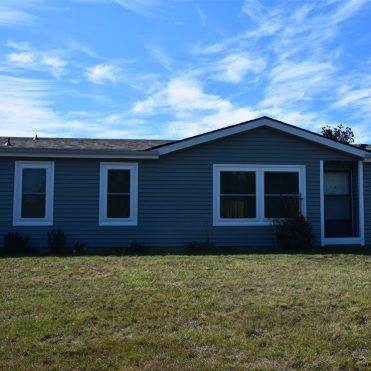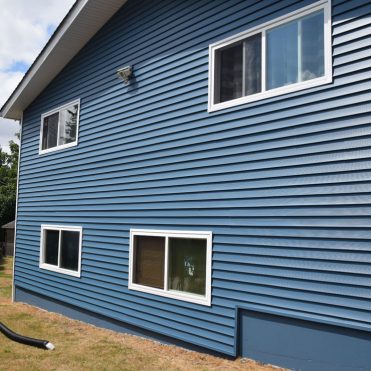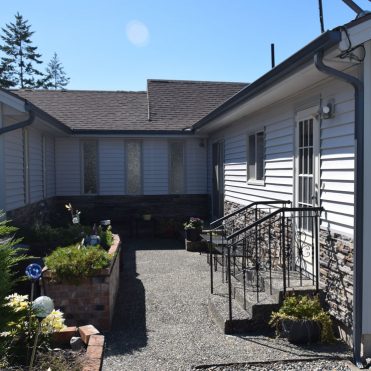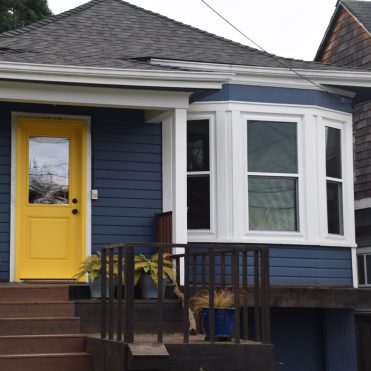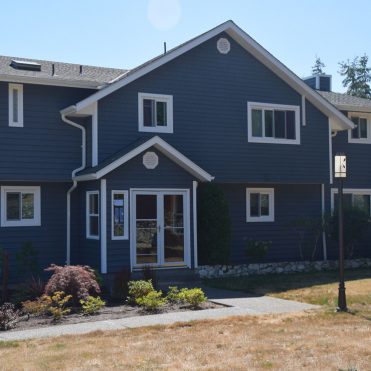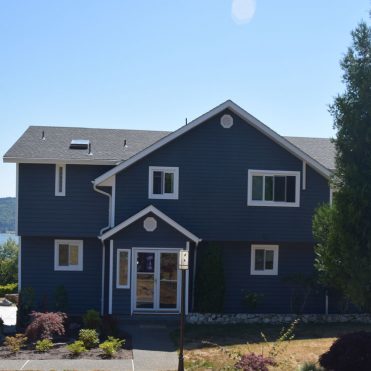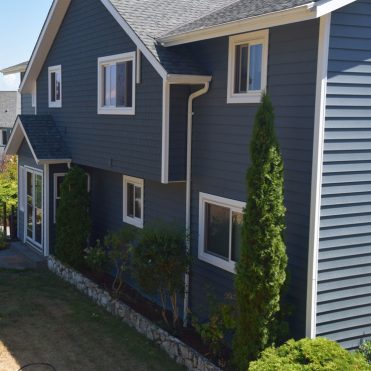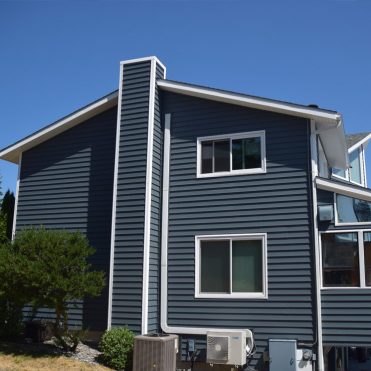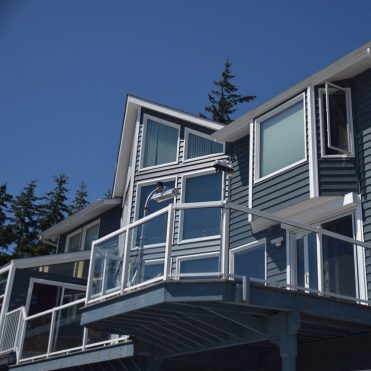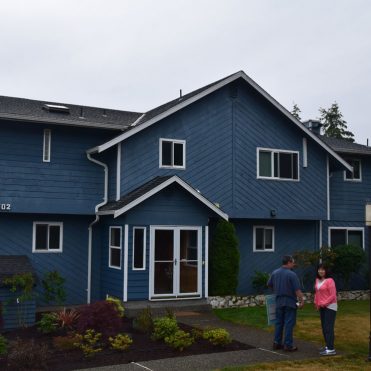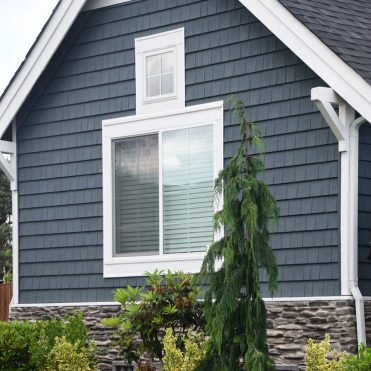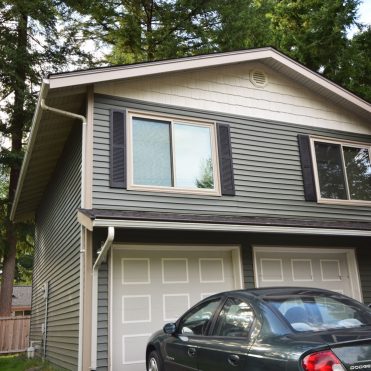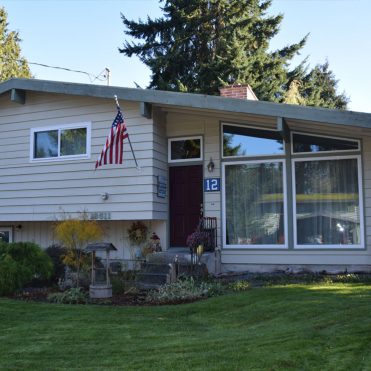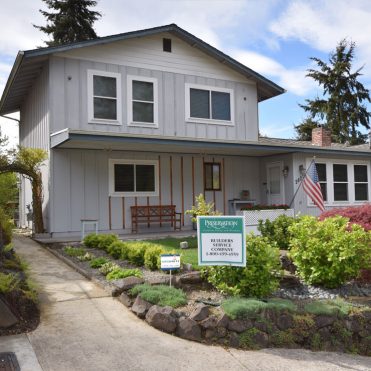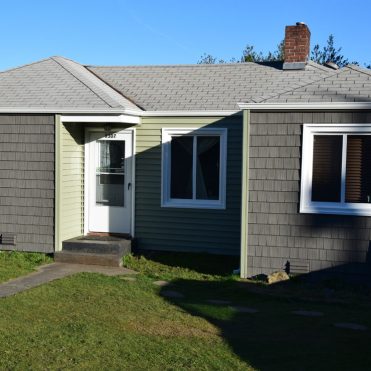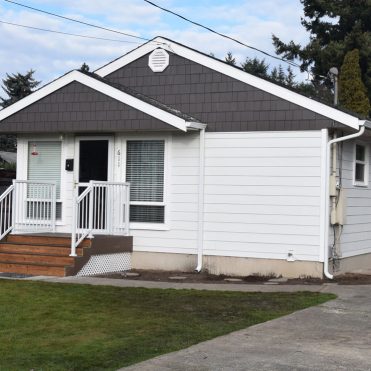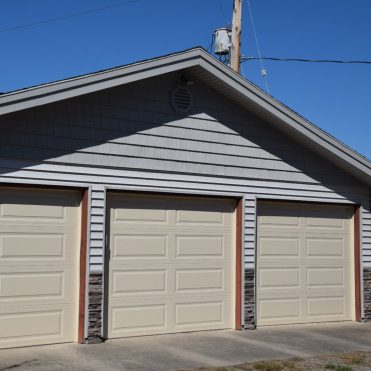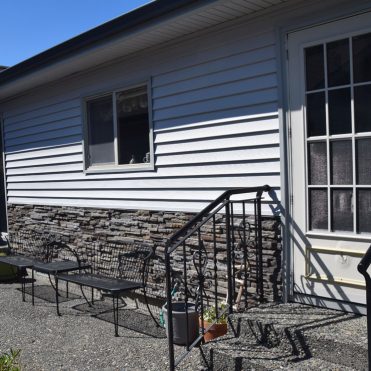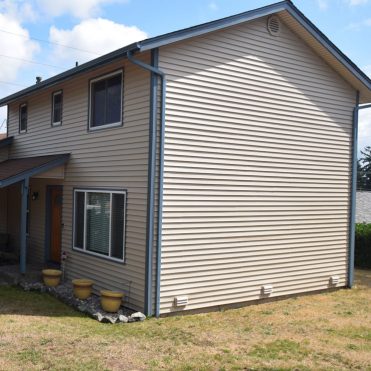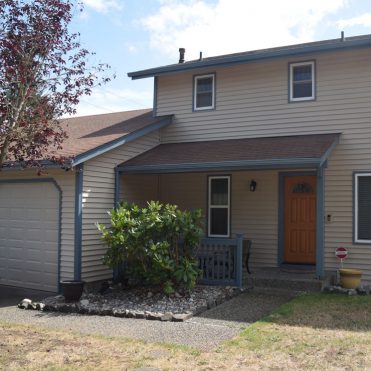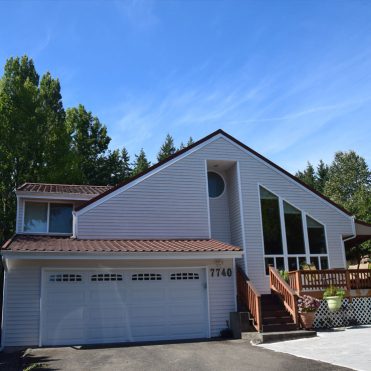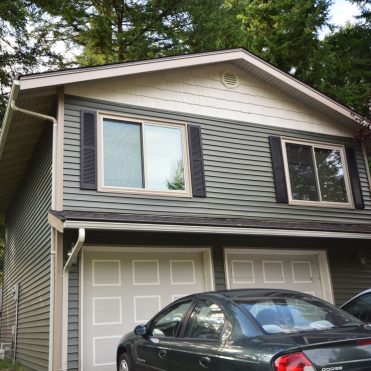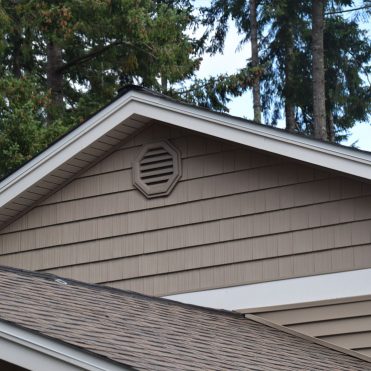


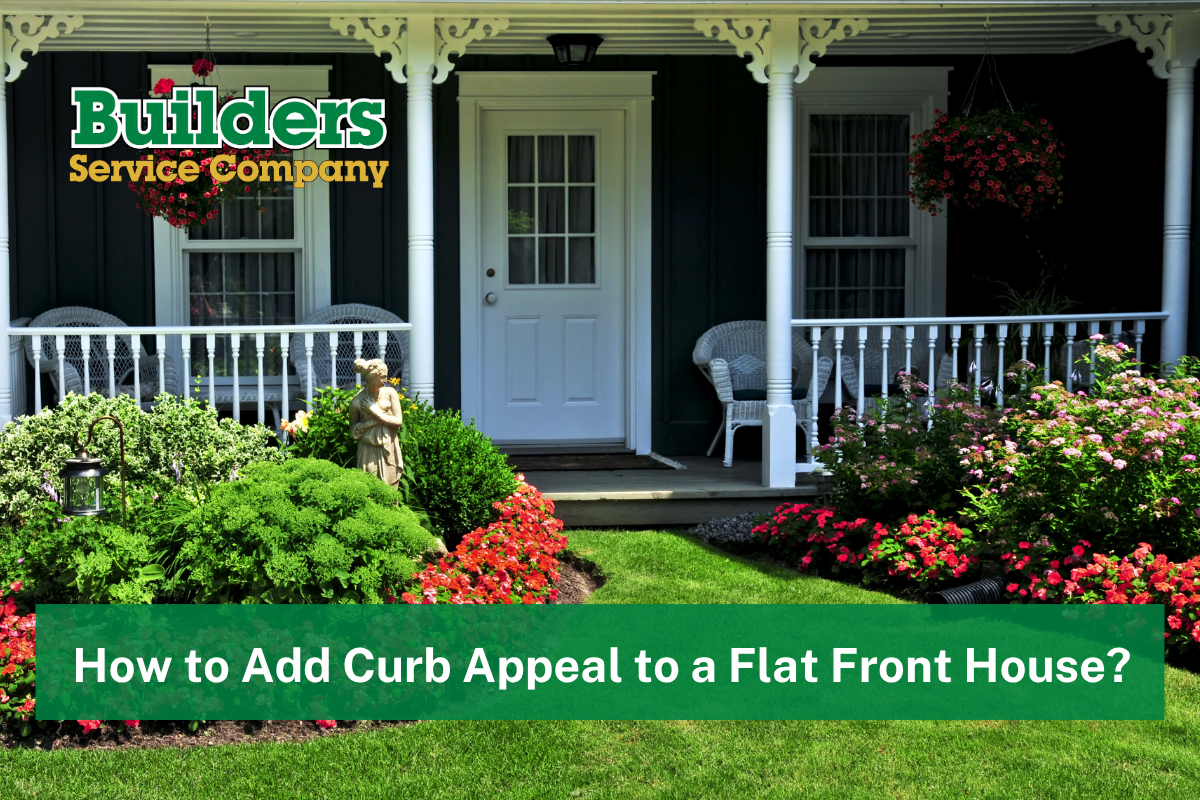
If you are wondering how to add curb appeal to a flat front house, start by creating depth rather than simply adding more decoration. A flat facade can feel plain because the eye has no strong focal point and few visible layers. A better entry, thoughtful landscaping, clean surfaces, lighting, and coordinated exterior materials can make the front feel much more finished without changing the entire structure.
Start With the Changes That Make the Biggest Difference
Before buying decorative pieces, look at the whole front from the street. For most homeowners, these improvements have the strongest visual impact:
- Make the front door easier to notice.
- Add depth with plants, trim, lighting, or architectural details.
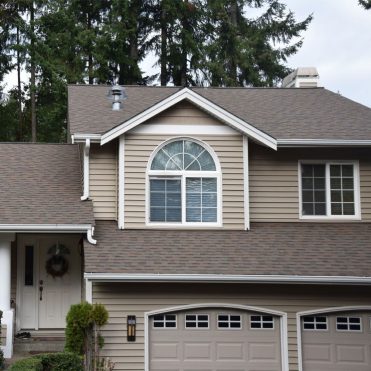
- Keep the garage door from becoming the main focal point.
- Make sure siding, gutters, walkways, and the roof are clean and maintained.
- Use a few coordinated materials instead of many small decorations.
- Repair worn siding, windows, or roofing before investing heavily in cosmetic upgrades.
| Improvement | Best Use | Main Effect |
|---|---|---|
| Entry refresh | Smaller project | Creates a focal point |
| Layered landscaping | Small to medium project | Adds depth |
| Exterior lighting | Small to medium project | Adds nighttime dimension |
| Siding or windows | Larger project | Refreshes the home exterior |
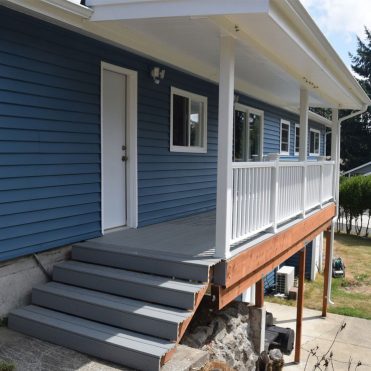
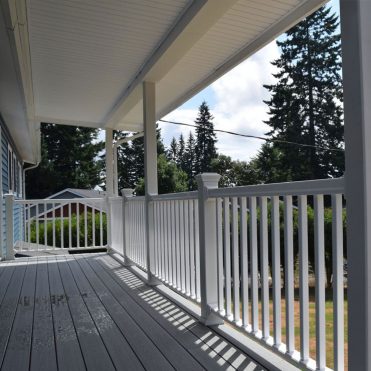
| Portico or porch | Structural project | Creates true architectural depth |
Create Depth to Break Up a Flat Front
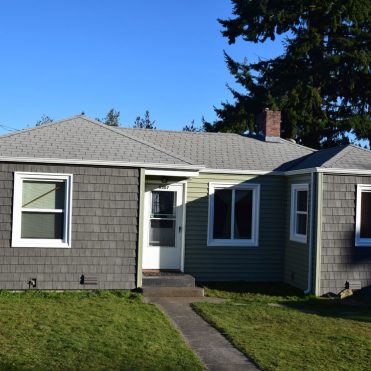
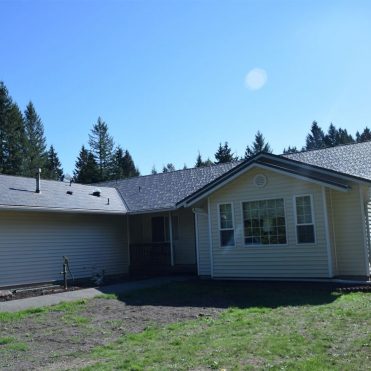
The main challenge with a flat front house is not necessarily its style. It is often the lack of projection and shadow.
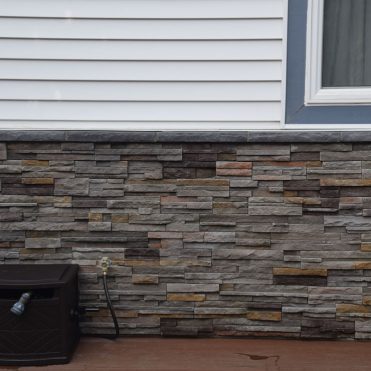
You can create depth with deeper window trim, a defined entry surround, contrasting siding sections, stone accents, larger light fixtures, or a small covered entrance. Even relatively simple changes can visually break up its flat lines.
A useful test is to stand near the street and look at the entire elevation. Small accessories that look attractive from five feet away may disappear from 40 feet away. Two substantial planters, for example, often create more visual balance than several tiny pieces scattered across the space.
If the budget allows, a small portico can physically project from the flat facade and create a stronger entrance. If structural work is not practical, color, trim, landscaping, and layered lighting can create a similar sense of dimension.
Make the Front Door the Main Visual Anchor
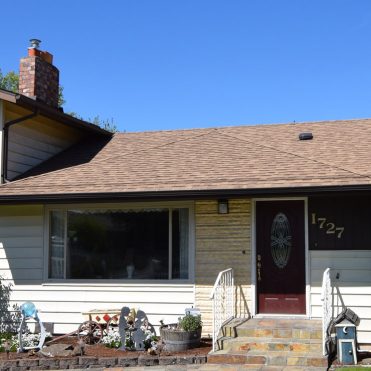
A visitor should be able to identify the front door almost immediately. If a large window or garage door attracts attention first, strengthen the entrance.
A contrasting front door color is one option, but it should still coordinate with the roof, siding, trim, and shutter color. You can also beautify the porch with one or two larger planters, updated house numbers, a clean light fixture, and a simple mat.
Avoid filling every available space. Leaving some open space around the entrance helps the door feel intentional instead of crowded.
Shutters can also add visual structure, but their proportions matter. Very narrow shutters beside large windows can look disconnected from the architecture. If shutters are used, choose a scale and design that make sense for the actual window openings.
Use Front Yard Landscaping to Create Layers
Yard landscaping is one of the simplest ways to create foreground depth without changing the building itself.
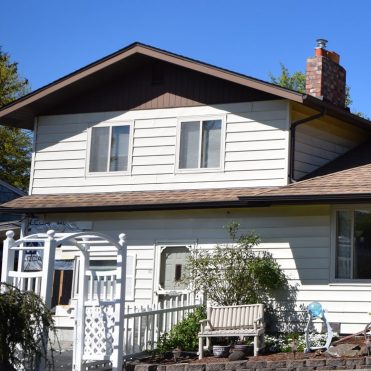
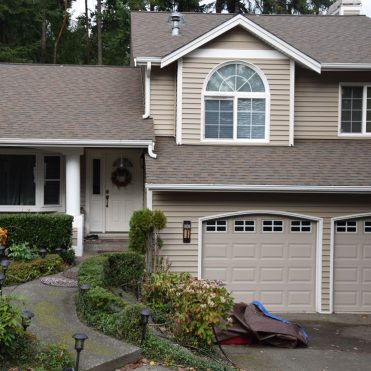
Think in layers. Use lower plants near a path, medium-height shrubs closer to the building, and one or two taller accents where the front needs additional height. This creates a transition between the street, front yard, and house instead of leaving one uninterrupted flat plane.
Washington State University Extension recommends choosing plants based on site conditions such as sunlight, soil, water availability, and mature size. This is especially important near siding and windows. A small plant can become a problem later if it blocks natural light, crowds a walkway, or grows directly against exterior materials.
Repeating a few plant shapes and textures generally creates a cleaner design than placing a different plant in every available space. The National Association of Realtors examines landscaping and outdoor improvements and how homeowners perceive their value.
Make Sure the Roof Is Clean and the Exterior Is Stain-Free
One of the easiest answers to how to add curb appeal to a flat front house is also one of the least glamorous: remove signs of neglect before adding anything new.
Clean siding appropriately, clear gutters, remove debris, trim overgrown plants, address peeling finishes, and clean hard surfaces where the material allows it. A stain-free house exterior gives every design improvement a better foundation.
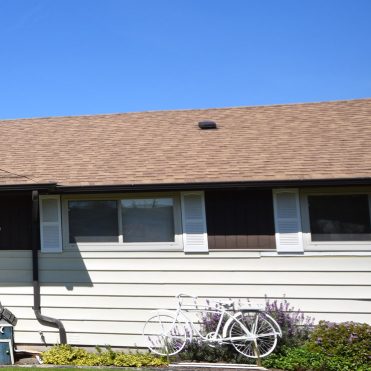
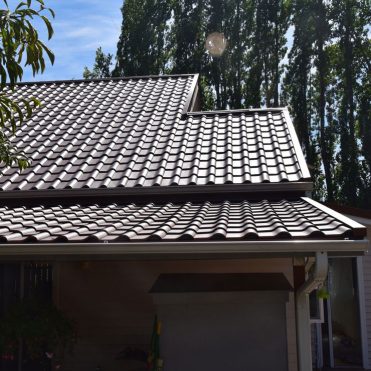
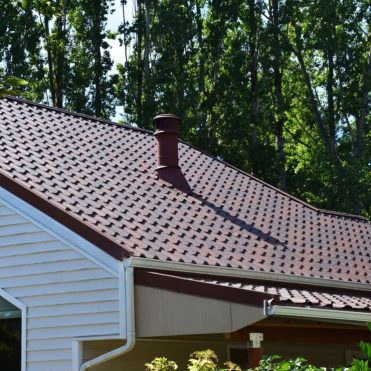
The roof deserves attention because it may occupy a large portion of the street view. The National Roofing Contractors Association provides roofing guidance for homeowners on maintenance and identifying potential issues.
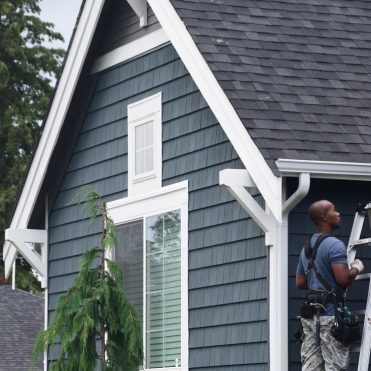
Avoid climbing onto a steep or wet roof just for cleaning. If there is heavy moss, staining, loose roofing material, or drainage trouble, professional evaluation is safer than aggressive DIY cleaning.
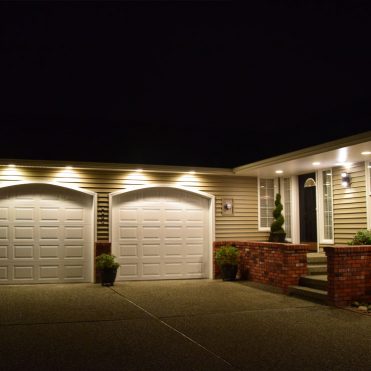
Use Layered Lighting Instead of One Overpowered Fixture
A single bright porch light can illuminate the door, but it does little to create dimension.
Layered lighting may include an entry fixture, low walkway lighting, and subtle illumination near an architectural or landscaping feature. Keep fixture finishes and light temperature reasonably consistent.
The goal is not to make the entire yard bright. It is to define the entrance, improve visibility, and use light and shadow to give the front more shape after sunset.
Know When Cosmetic Changes Are Not Enough
Sometimes learning how to add curb appeal to a flat front house leads to a bigger realization: the underlying exterior itself needs attention.
Faded siding, deteriorated trim, dated windows, or an aging roof can overpower new plants and decorative details. In that situation, it may make more sense to improve the exterior envelope first.
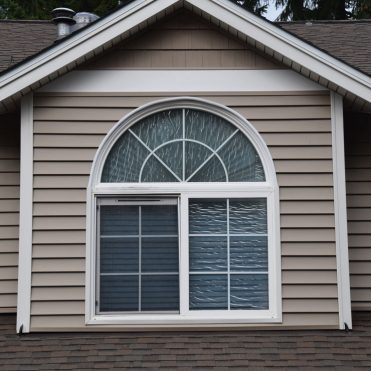
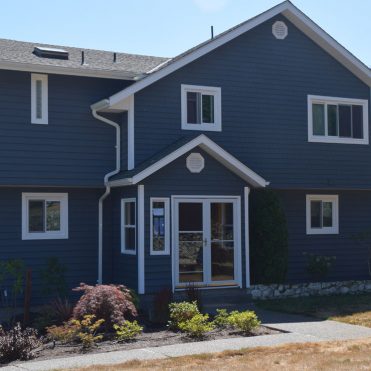
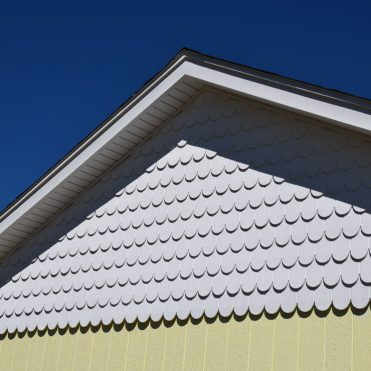
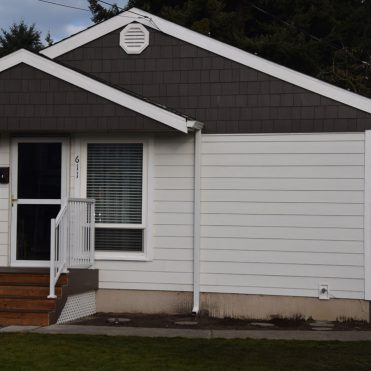
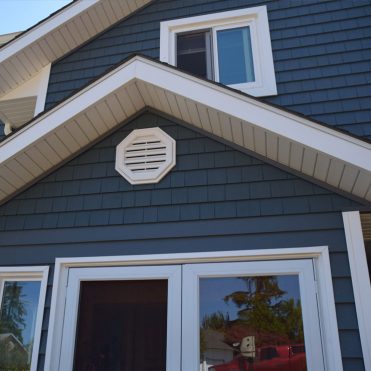
New siding can introduce cleaner lines, stronger trim definition, updated texture, and better coordination between architectural sections. Replacement windows can improve proportions while refreshing the appearance of the elevation.
There may also be practical benefits beyond appearance. ENERGY STAR provides information about residential windows, doors, and skylights, including energy-performance considerations.
For a flat front, siding, window trim, roof color, landscaping, and entry details should ideally be considered as one design system rather than separate decisions.
When Your Flat Front Needs More Than Decoration
Builders Service Company has served Western Washington homeowners since 1974, helping improve residential exteriors through siding, roofing, windows, and related remodeling services.
That experience becomes especially useful when curb appeal problems involve more than a new door color or a few plants. An aging exterior may have several issues working together. Old siding can make the elevation look flat and worn. Window trim may lack definition. Roof wear can distract from an otherwise attractive front.
Builders Service Company can help homeowners look at these exterior elements together so improvements support both appearance and long-term performance. A professional assessment is particularly worthwhile when siding, roofing, windows, moisture protection, or larger structural changes are part of the project.
Why Homeowners Choose Builders Service Company
- Serving Western Washington homeowners since 1974
- More than 50 years of home improvement experience
- Experience with siding, roofing, windows, and exterior remodeling
- Better Business Bureau A+ accreditation
- Two Golden Hammer Contractor Awards
- Dealer of Distinction recognition for Preservation Windows and Siding
Create a Front Exterior You Will Enjoy Coming Home To
If you are researching how to add curb appeal to a flat front house and your plans now involve siding, windows, roofing, or a larger exterior update, the next step is to look at the property as a complete system.
Builders Service Company serves homeowners throughout Western Washington, including the Seattle, Tacoma, and Bellevue areas. Get in touch to schedule a free in-home consultation and discuss exterior improvements that fit your home’s architecture, condition, and long-term goals.
Frequently Asked Questions
Can You Improve a Flat Front House Without Adding a Porch?
Yes. Window trim, a stronger front door, landscaping, lighting, and selective exterior material changes can create noticeable depth without building a porch.
Using several coordinated layers is often more effective than relying on one large architectural addition.
What Is the Cheapest Way to Improve Curb Appeal on a Flat House?
Start with cleaning, pruning, paint touch-ups, visible house numbers, and a better-defined entrance.
These improvements make the front feel maintained before homeowners invest in larger siding, roofing, window, or landscaping projects.
Should the Garage Door Match the Front Door?
Not necessarily. The finishes should coordinate, but making both equally bold can cause the garage door to compete with the main entrance.
The front door should usually remain the stronger focal point.
Do Shutters Always Improve a Flat Front House?
No. Shutters work best when their size, placement, and design suit the windows and architecture.
Poorly proportioned shutters can actually emphasize the flatness of the facade instead of improving it.
How Can a Small Front Yard Look Deeper?
Use staggered plant heights and visible layers while maintaining enough open space between the street, plants, walkway, and house.
This creates visual depth without making a small front yard feel crowded.
Can New Siding Boost Curb Appeal?
Yes. New siding can refresh color, texture, trim definition, and overall visual consistency when the existing exterior is faded, damaged, or dated.
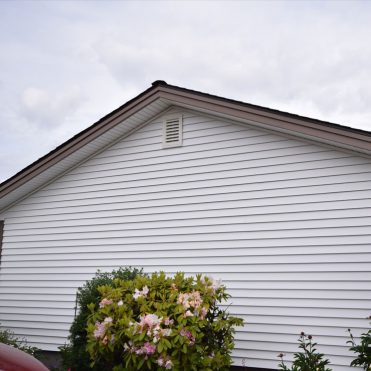
It can make an especially noticeable difference on homes with large, uninterrupted flat exterior surfaces.