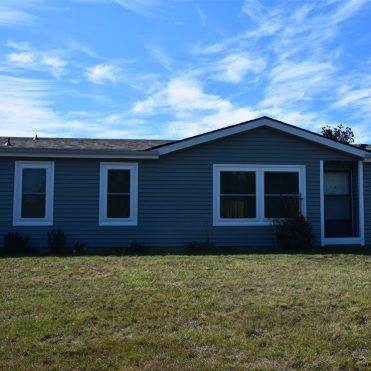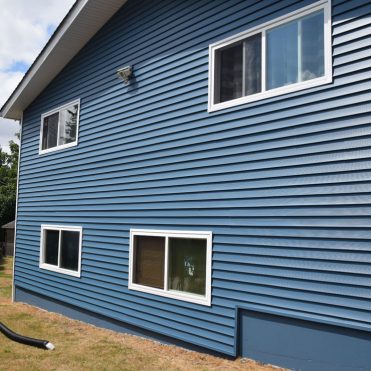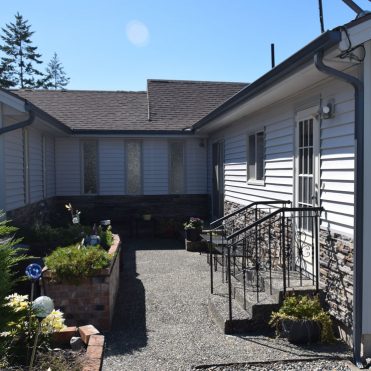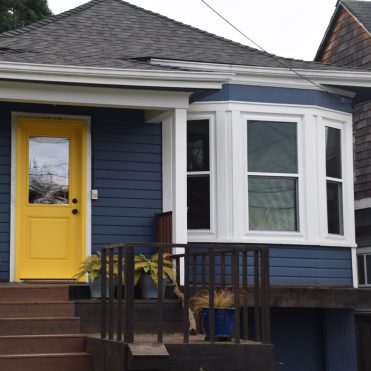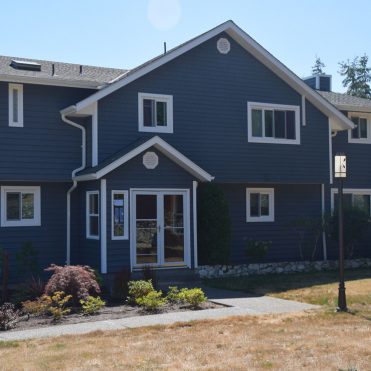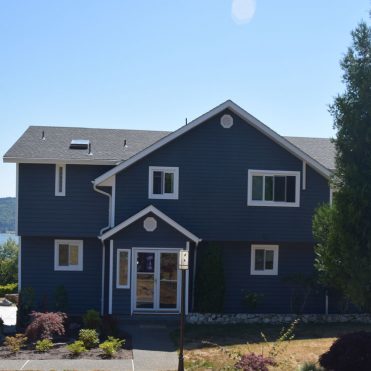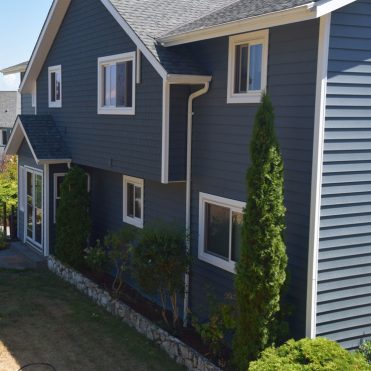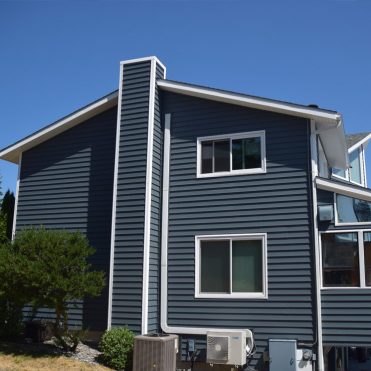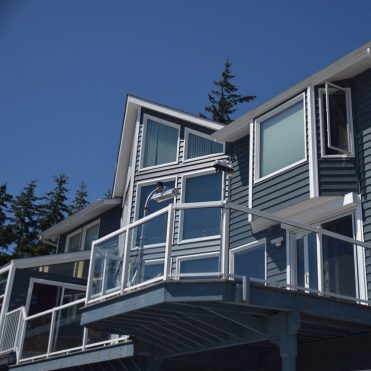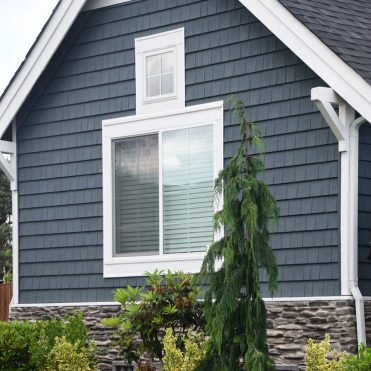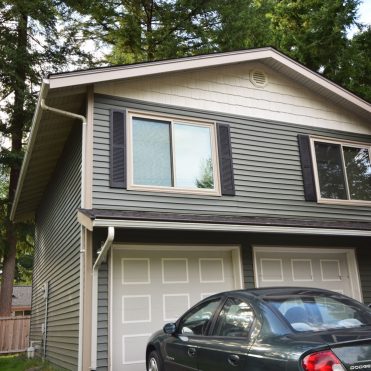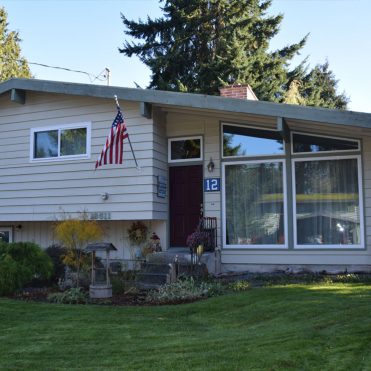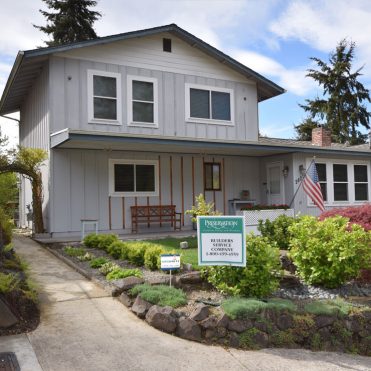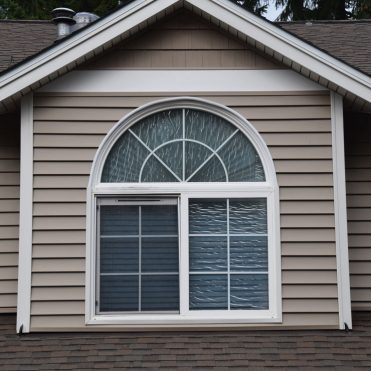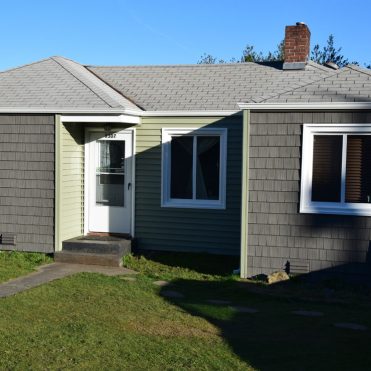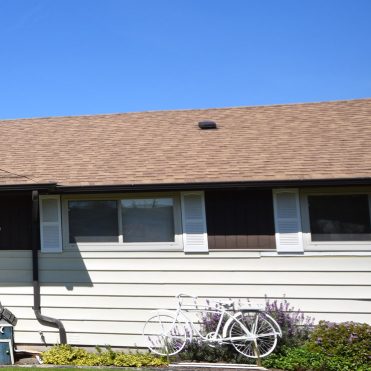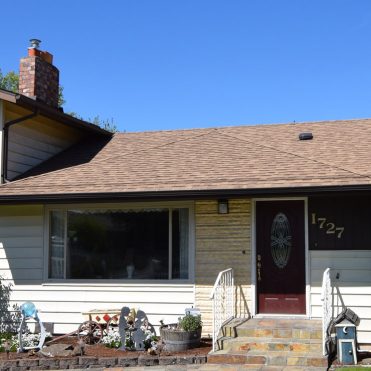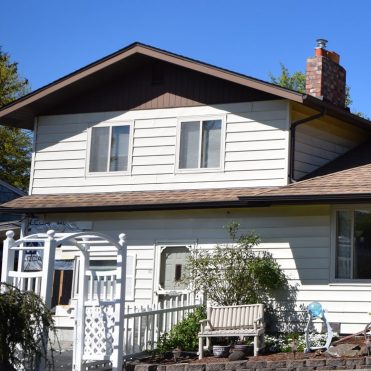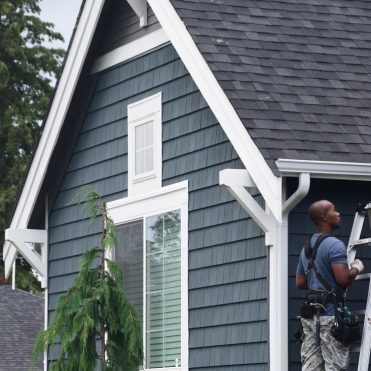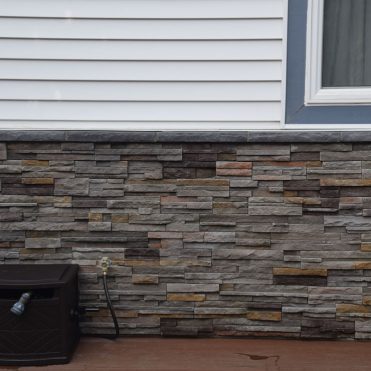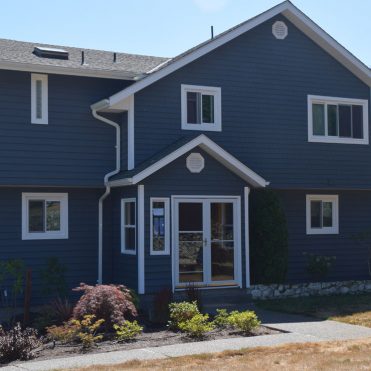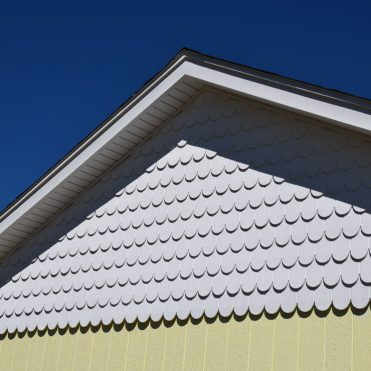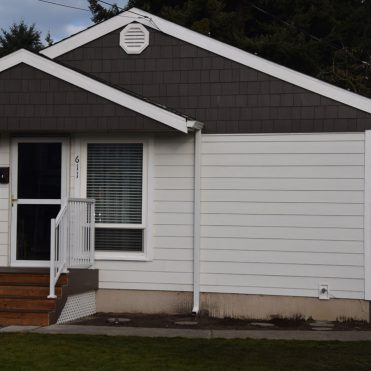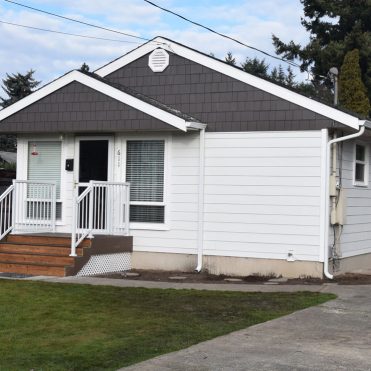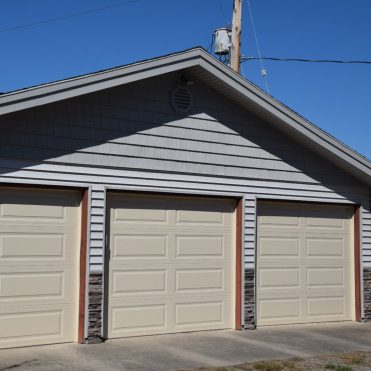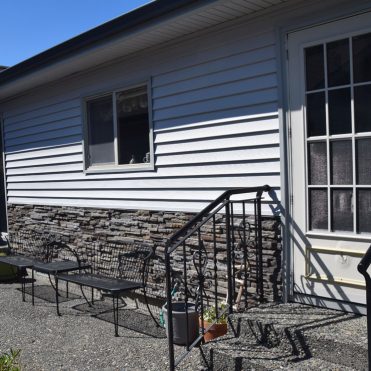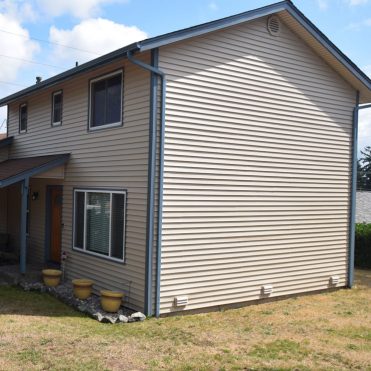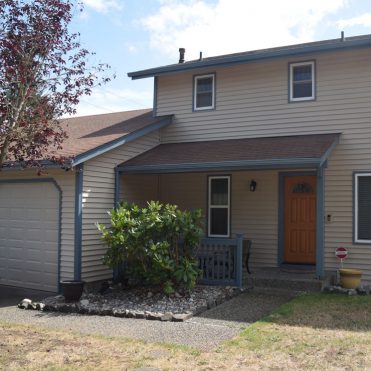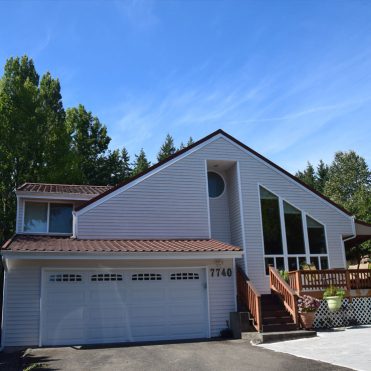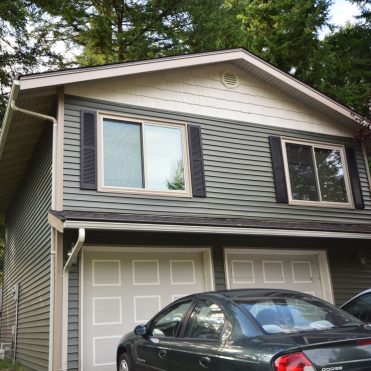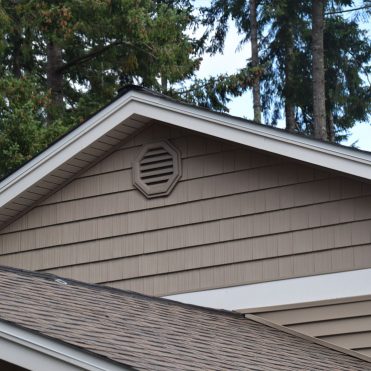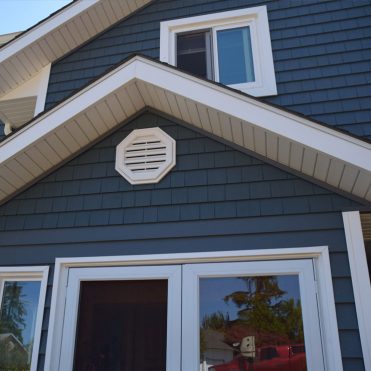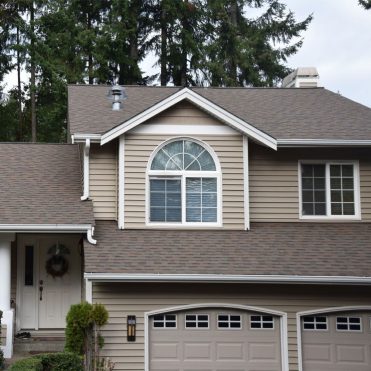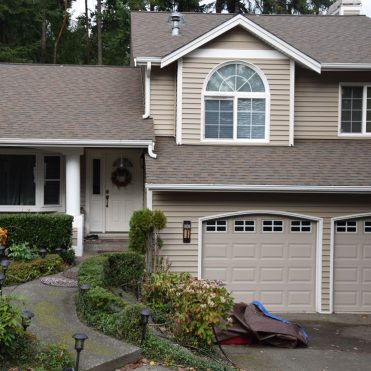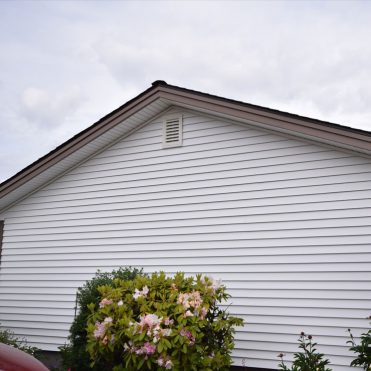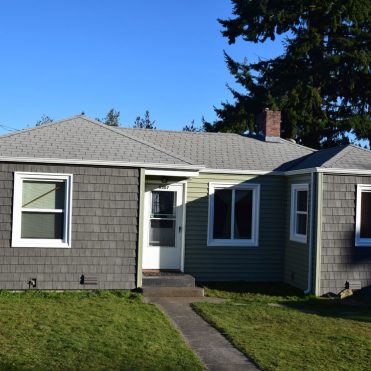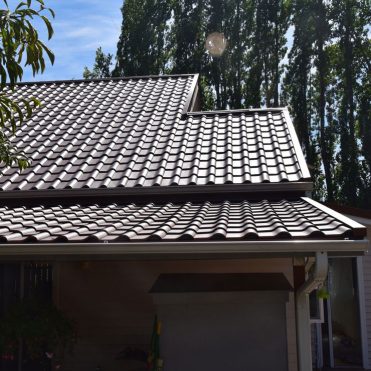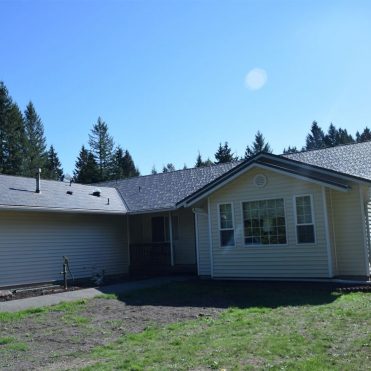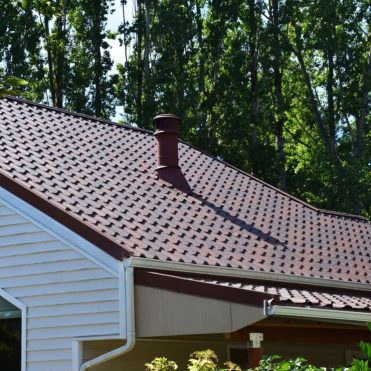


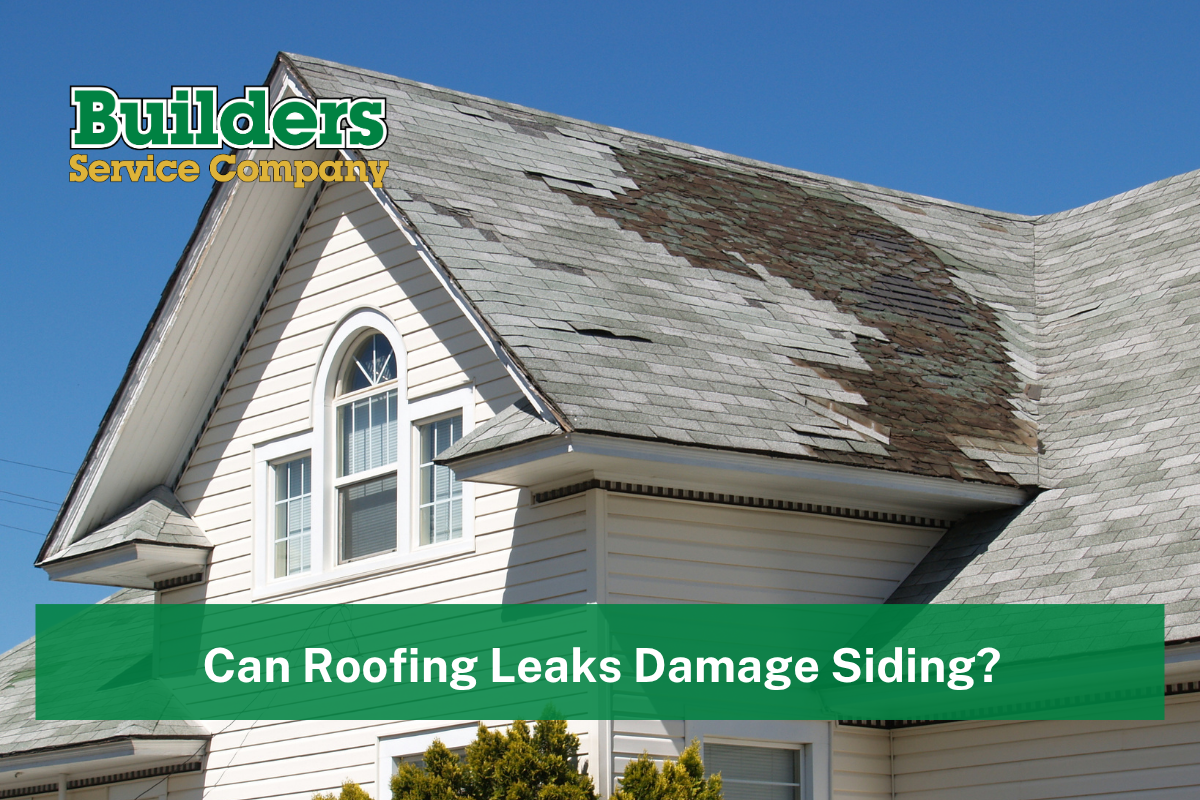
If you are asking can roofing leaks damage siding, the answer is yes. A leak does not have to drip through a ceiling to cause trouble. Rain can travel from damaged shingles or flashing to the roof edge, then reach trim, sheathing, insulation, and siding. In Washington’s wet climate, repeated exposure can turn a small roofing problem into expensive exterior repairs.
What to Check First
• Stains that begin directly below an eave or sloped roof section
• Peeling paint, swollen trim, or panels that suddenly look wavy
• Overflow marks where gutters meet a roof-to-wall intersection
• Damp drywall or musty odors on the interior side of the same area
• Trouble around windows located below the suspected leak
• Symptoms that return after cleaning or cosmetic repairs
How Roofing Runoff Reaches the Exterior
The most important detail is often the transition where a roof meets a vertical surface. Step flashing is installed there to move runoff down the slope while protecting the adjacent wall. The U.S. Department of Energy explains that proper step flashing should be integrated with both the roofing and the drainage plane so rain is directed away from the structure.
At the lower end of that transition, kick-out flashing helps send runoff into the gutter instead of allowing it to pour onto the siding. DOE guidance on kick-out flashing notes that poorly sized or poorly integrated diverters can allow water into the cavity.
That is why can roofing leaks damage siding is not answered by looking only at the outer panel. The visible surface may still look acceptable while concealed materials are getting wet.
Where the Problem Often Appears
| Area | What it can suggest |
|---|---|
| Below the eave | Gutter overflow, fascia trouble, or a roof-edge leak |
| Beside a sloped roof | Failed step flashing or kick-out flashing |
| Around openings | Runoff reaching vulnerable flashing and trim |
| Lower section of the exterior | Intrusion traveling behind the cladding before draining |
| Inside the same exterior area | Wet sheathing or insulation behind the finish |
A home needs more than its outer cladding for protection. DOE guidance on water-managed walls explains that a water-resistive barrier behind the siding provides a drainage path when rain gets past the exterior finish. If that barrier is torn, incorrectly lapped, or overwhelmed, siding-related moisture can reach materials that were never meant to stay wet.
What Signs Point to a Hidden Problem?
Look after several hours of steady rain, especially on the side facing the weather. Dark streaks, bubbling paint, soft trim, warped panels, and recurring mildew deserve attention. Inside, check for damp drywall, staining, or a musty smell.
If you still wonder can roofing leaks damage siding when the roof looks mostly normal, pay special attention to flashing and drainage details. Small failures can be harder to see than missing shingles.
Window openings need special care because they interrupt the drainage plane. DOE window-flashing guidance explains that correctly lapped flashing should direct any water that gets behind the exterior back out rather than into the building.
Can the Siding Be Damaged Even When the Roof Looks Fine?
Yes. Some roof leaks come from small flashing defects, lifted shingle edges, penetrations, clogged gutters, or deteriorated seals rather than a large opening.
These defects can redirect rain without producing obvious roof damage. Wind-driven rain makes diagnosis harder because it can enter joints from the side. FEMA guidance for siding in high-wind regions notes that wind-driven rain can reach concealed cavities even when the exterior covering remains attached.
The shingle brand is not the deciding factor. Whether a roof uses Atlas shingles or another established product, installation at edges, penetrations, valleys, and roof-to-wall transitions controls where runoff goes.
Does Every Affected Section Need Replacement?
No. If the source is caught early and the underlying materials remain sound, cleaning or a limited repair may be enough.
If sheathing or concealed materials are saturated, however, selective removal may be necessary so the area can dry and damaged materials can be replaced.
This is where siding failures are sometimes misdiagnosed. Replacing a warped panel before correcting the leak can leave the real problem untouched. Replacing a large section without confirming what is damaged can also waste money.
When homeowners ask can roofing leaks damage siding, a good exterior professional should trace the path first, correct the roofing or water control failure, inspect the concealed materials, and then recommend only the work the home actually needs.
How Builders Service Company Handles Connected Exterior Problems
Builders Service Company has served Washington homeowners since 1974. Because the company works with roofing, siding, windows, and decking, its team can evaluate how one exterior system may be affecting another rather than treating every visible symptom as a separate issue.
For a leak near an exterior transition, the inspection may involve shingles, flashing, gutters, trim, the drainage plane, and nearby openings. The goal is to identify where rain is entering, what materials were affected, and what must be corrected before repairs are closed back up.
For Pacific Northwest homes, that connected approach matters. A long service life depends on the roof shedding rain properly, the exterior drainage system carrying incidental water out, and products detailed correctly so the home can resist repeated wet weather.
Why homeowners choose Builders Service Company:
• Serving Washington homeowners since 1974
• More than 50 years of exterior remodeling experience
• BBB A+ accredited business
• Licensed and insured Washington contractor
• Two-time Golden Hammer Contractor Award recipient
• Founder Mason Ruppel continues to oversee company projects
Protect the Roof and Exterior Together
Can roofing leaks damage siding? They can, and the longer the source stays active, the greater the chance that hidden materials are affected.
Builders Service Company serves Western Washington and the Puget Sound region, including Seattle, Tacoma, Bellevue, Everett, Olympia, Puyallup, Federal Way, Kirkland, and surrounding communities. If you see recurring stains, warped panels, roof leaks, or dampness around openings, get in touch to schedule a free in-home consultation.
Frequently Asked Questions
How quickly can a roofing leak affect exterior materials?
Repeated wetting can start affecting vulnerable materials quickly, while visible symptoms may take weeks or months.
Drying conditions, ventilation, and the location of the leak all influence the timeline.
Can a leaking gutter look like a roof leak?
Yes. Overflowing, loose, or poorly pitched gutters can send roof runoff directly onto the exterior and create similar staining.
The gutter and roof edge should be checked together.
Can vinyl panels hide problems?
Yes. Vinyl siding can hide problems because the panel itself does not rot, so deterioration may develop behind it before the face looks severely affected.
The condition of the drainage plane and sheathing matters more than appearance alone.
Will homeowners insurance cover this type of loss?
It depends on the cause and policy.
Sudden storm events may be treated differently from long-term deterioration or maintenance issues, so document the condition and review your coverage.
Should exterior panels be removed to find the source?
Not always. Contractors usually inspect roofing, flashing, gutters, attic areas, and visible exterior clues first.
Selective removal may be needed when hidden deterioration is suspected.