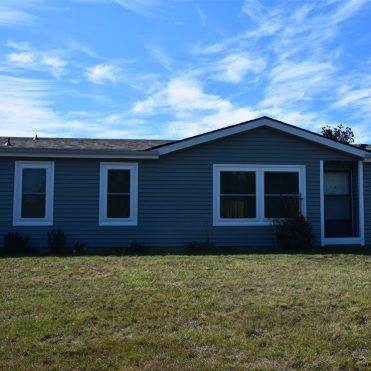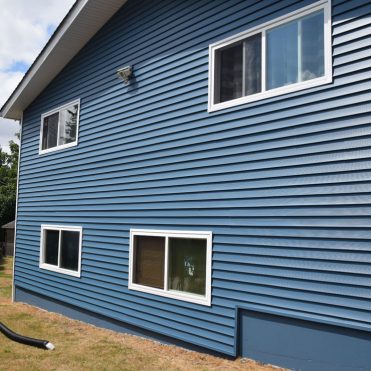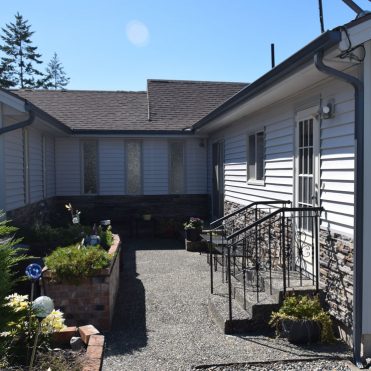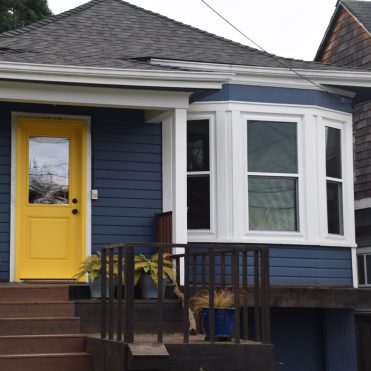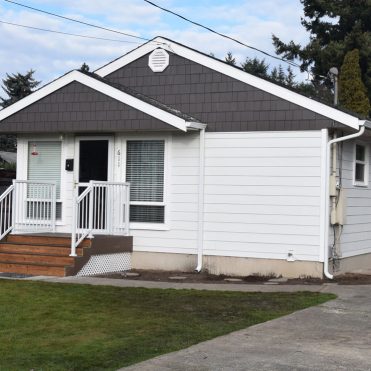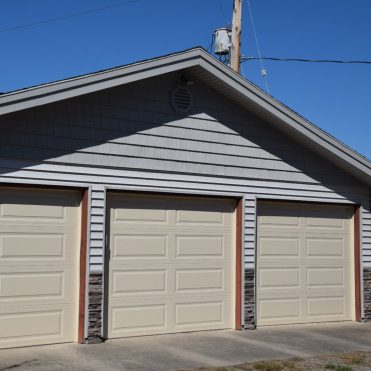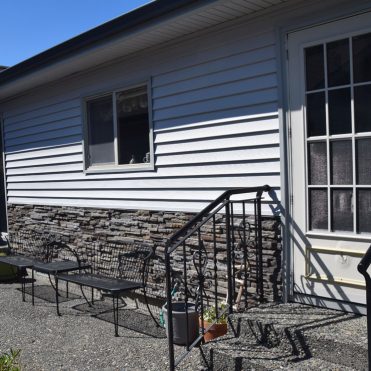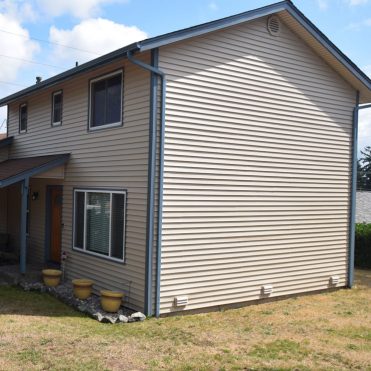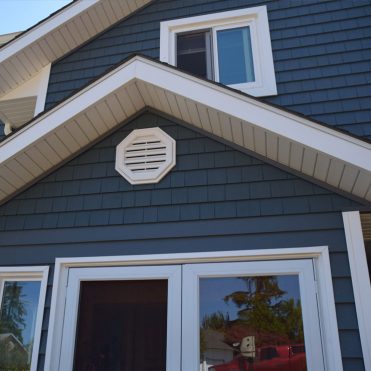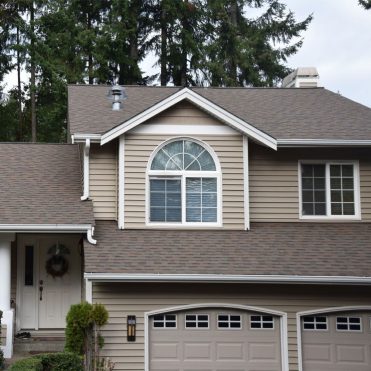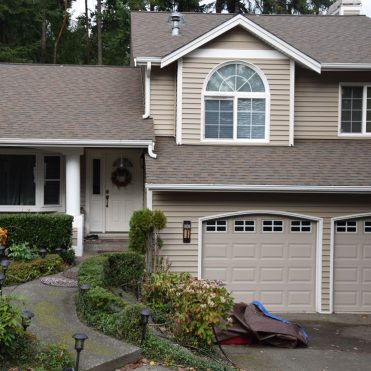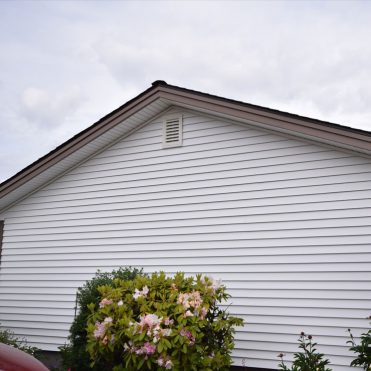


If you have been searching what is pop on siding, the first thing to understand is that “pop-on” is not usually the name of a specific siding material. It generally describes an installation approach where new siding is installed over an existing exterior, reducing some of the removal involved in a traditional siding replacement.
That can sound appealing. Less demolition may mean less mess, less disposal, and sometimes a faster installation. However, the condition of the wall underneath matters just as much as the new siding you see from the street.
For Washington homeowners, where prolonged rain and moisture are common concerns, understanding what is happening behind the siding is especially important.
What Should You Know Before Considering Pop-On Siding?
Before deciding whether an overlay installation makes sense for your home, keep these points in mind:
- Pop-on siding is an installation method, not a specific siding product.
- Vinyl and insulated vinyl siding may be used in some overlay applications.
- Existing siding needs to be secure, reasonably flat, and free from serious deterioration.
- Covering damaged materials may hide rot, moisture damage, or flashing problems.
- Windows, doors, trim, vents, and roofing intersections require careful attention.
- Full siding removal provides much better access to inspect the underlying wall assembly.
What Is Pop on Siding in Practical Terms?
Pop-on siding generally refers to installing new siding while leaving some or all of the existing exterior material in place. Depending on the siding system and contractor, you may also hear terms such as overlay installation, re-siding, or siding-over-siding installation.
For example, a home with older cedar or wood siding may sometimes receive furring strips, insulation, or another leveling layer before new vinyl siding is installed. The goal is to create a stable, smooth fastening surface without completely stripping the exterior.
However, pop-on siding does not mean new panels can simply be attached over any existing wall.
The Polymeric Exterior Products Association’s Vinyl Siding Installation Manual explains the importance of a smooth installation surface, appropriate flashing, water management, and proper fastening. Rotten or seriously deteriorated materials should be corrected rather than simply covered.
How Does Pop-On Installation Work?
A professional siding installation should begin with an inspection of the existing exterior. The contractor needs to determine whether the current siding and underlying wall can safely support another system.
A typical evaluation and installation may include:
- Inspecting existing siding for rot, swelling, cracking, loose sections, and moisture damage.
- Removing fixtures, downspouts, lights, and other items that interfere with installation.
- Repairing deteriorated areas before they disappear behind the new exterior.
- Installing furring or suitable backing where needed to create a flat surface.
- Checking flashing around windows, doors, vents, roof-to-wall areas, and penetrations.
- Installing the new siding according to the manufacturer’s fastening and spacing requirements.
Vinyl siding also expands and contracts as temperatures change. Fastening it too tightly can lead to buckling, distortion, and other problems.
The most useful answer to what is pop on siding is therefore simple: it is a siding installation strategy, not a shortcut around proper wall preparation.
The Bigger Concern Is Often Moisture
One of the biggest risks with installing new siding over existing siding is losing access to what is underneath.
A home may look reasonably sound from the outside while moisture has already damaged sheathing, trim, or framing around a window or penetration. An overlay installation can make these problems harder to identify and more expensive to access later.
The Building America Solution Center’s exterior siding guidance explains that siding itself should not be treated as the waterproof layer of an exterior wall. A properly designed wall assembly needs ways to control, drain, and dry moisture that reaches behind the cladding.
That is especially relevant in the Pacific Northwest.
Before installing new siding over an existing exterior, watch for signs such as:
- Soft or swollen areas around windows
- Peeling paint or discoloration
- Loose or heavily warped boards
- Mold or persistent musty odors
- Water stains on interior exterior-facing walls
- Deteriorated window or door trim
- Previous leaks near roofing and siding intersections
These conditions should be investigated before another siding system covers them.
Pop-On Siding vs. Full Siding Replacement
| Consideration | Pop-On or Overlay Installation | Full Siding Replacement |
|---|---|---|
| Existing siding | Often remains in place | Removed |
| Demolition | Usually reduced | More extensive |
| Access to sheathing | Limited | Much better |
| Hidden damage inspection | More difficult | Easier |
| Wall preparation | Depends heavily on existing surface | Can be repaired or rebuilt as necessary |
| Waste and disposal | Often lower | Usually higher |
| Best suited for | Sound and compatible existing walls | Aging, damaged, or uncertain wall systems |
A complete siding replacement requires more removal, but it gives the installer direct access to the wall underneath.
For example, the Building America guidance for insulated vinyl siding on existing walls recommends inspecting wall components, flashing, and moisture conditions as part of preparing an existing home for new siding.
When underlying conditions are unknown, that additional access can be valuable.
When Can an Overlay Installation Make Sense?
Pop-on siding may be worth considering when the existing exterior is structurally sound, dry, relatively flat, and compatible with the new siding system.
It becomes less appealing when the house has:
- Significant rot or deterioration
- Recurring water intrusion
- Severely uneven siding
- Loose existing materials
- Unknown wall conditions
- Poor window or door flashing
- Previous moisture-related repairs
Wall thickness is another consideration homeowners sometimes overlook.
Adding another exterior layer changes how the finished siding meets windows, doors, electrical boxes, vents, hose bibs, trim, and other penetrations. Those transitions need to be properly extended, flashed, and finished.
The Building Science Corporation’s guidance on drainage planes explains why exterior moisture management depends on more than the visible siding. Flashing and drainage systems help direct water back outside instead of allowing it to remain inside the wall assembly.
What About Cedar and Vinyl Siding?
Older Washington homes may have cedar siding, wood siding, or previous generations of vinyl siding.
Installing vinyl siding over cedar may sometimes be possible, but only when the existing material is stable and suitable for the new installation. Damaged cedar should not simply disappear underneath another layer.
The same principle applies to existing vinyl siding. A new siding system should not be used to hide problems that should first be corrected.
Material choice also matters because different siding systems respond differently to temperature, moisture, impact, and long-term exposure.
A professional evaluation should consider the complete exterior system rather than focusing only on how quickly new panels can be installed.
A Good Siding Decision Starts With the Existing House
If you are trying to determine whether pop-on siding makes sense for your Washington home, the decision should begin with the condition of the current exterior.
Builders Service Company has served Washington homeowners since 1974, providing exterior remodeling and siding solutions designed for Pacific Northwest conditions.
Rather than treating siding as simply a cosmetic covering, the company evaluates the exterior as a complete system. That includes considering existing siding conditions, insulation, weather protection, moisture management, and long-term durability.
Builders Service Company also offers its Evergreen Shield Siding System, which combines exterior siding, insulation, weather protection, and professional installation. For homes with aging or questionable existing siding, having the wall properly evaluated can help determine whether an overlay approach is suitable or whether complete siding replacement provides a stronger long-term solution.
Why Choose Builders Service Company?
- Serving Washington homeowners since 1974
- More than 50 years of exterior remodeling experience
- Locally owned and operated
- Licensed Washington contractor
- Experience with Pacific Northwest weather conditions
- Exterior systems designed around durability, insulation, and moisture protection
Choose a Siding System Based on What Your Home Actually Needs
Understanding what is pop on siding can help you ask better questions before starting an exterior remodeling project.
An overlay installation may be appropriate in certain situations, but the condition of the existing siding and underlying wall should determine the approach. If moisture, deterioration, or structural problems are present, covering them rarely solves the underlying issue.
Builders Service Company serves homeowners throughout Western Washington and the Puget Sound region, including Seattle, Tacoma, Bellevue, Everett, Olympia, Puyallup, Federal Way, Kirkland, and surrounding communities.
If you are considering new siding and want to understand which approach makes sense for your property, schedule a free in-home consultation to have your exterior evaluated and discuss your options.
Frequently Asked Questions
Is Pop-On Siding the Same as Vinyl Siding?
No. Pop-on describes an installation approach, while vinyl siding is a type of exterior material.
Vinyl may be used for some overlay installations, but the two terms do not mean the same thing.
Can New Siding Be Installed Over Cedar Siding?
Sometimes, if the cedar is dry, stable, secure, and free from significant deterioration.
Damaged or rotten areas should be repaired before any new siding installation begins.
Can Pop-On Siding Improve Home Insulation?
It can when the new siding system includes an appropriate insulation layer.
The actual energy benefit depends on the entire wall assembly, insulation level, air sealing, and installation method.
Can Installing Siding Over Old Siding Cause Moisture Damage?
Yes, particularly when existing leaks, damaged flashing, or trapped moisture are covered instead of corrected.
A professional inspection should identify these problems before installation.
Does Pop-On Siding Affect Windows and Exterior Trim?
It can. Adding another exterior layer increases wall thickness and changes how siding meets windows, doors, vents, and trim.
These areas require proper extensions, flashing, and finishing details to maintain effective weather protection.
How Do I Know Whether I Need Siding Replacement Instead?
Visible rot, repeated moisture problems, loose materials, severely uneven siding, and unknown wall conditions can all make full siding replacement worth considering.
Removing old siding gives the contractor better access to inspect and repair the wall before installing the new exterior.