

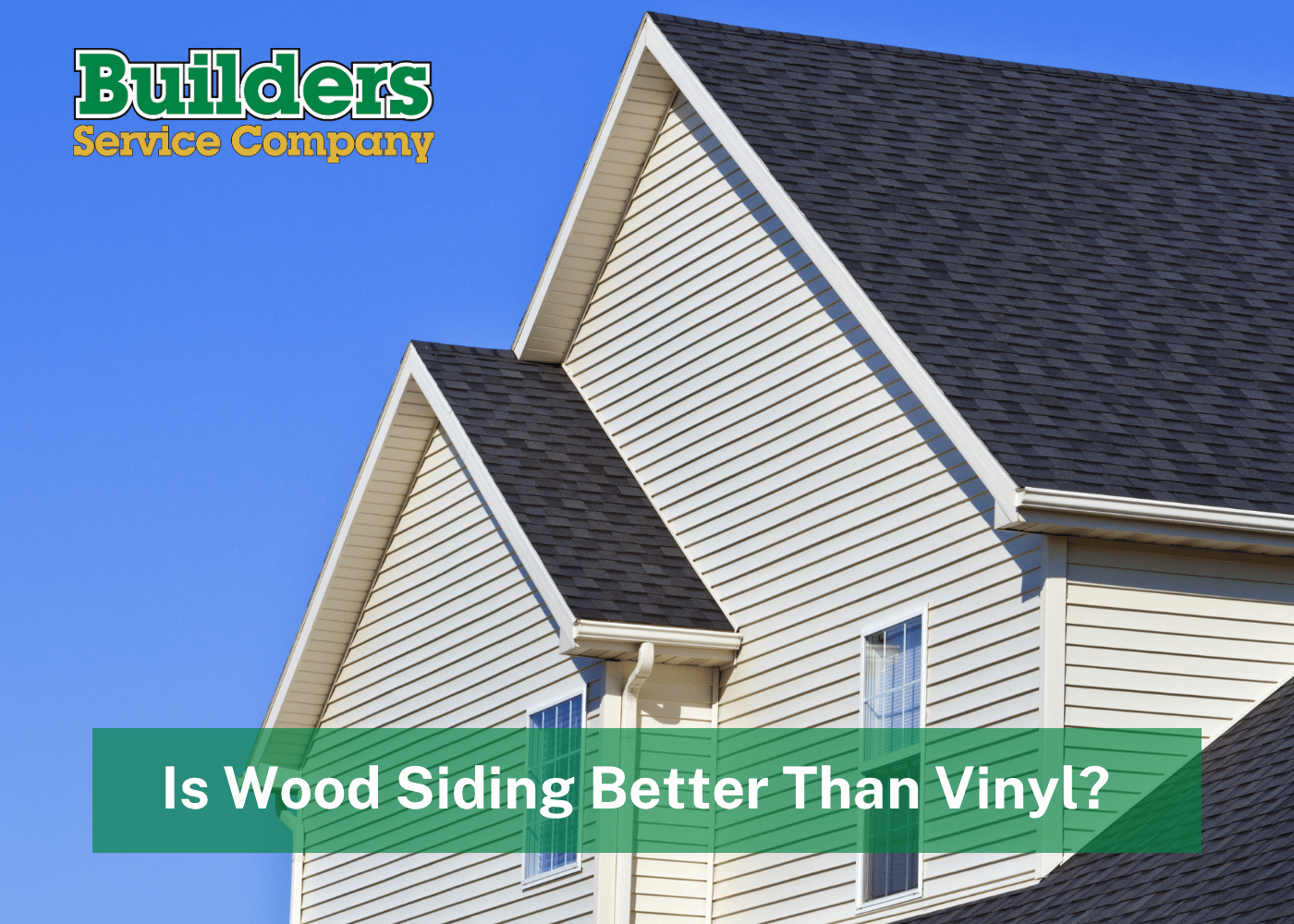
If you are updating your home’s exterior, you may be asking, is wood siding better than vinyl? There is no universal winner. Natural wood offers warmth, texture, and classic character, while vinyl offers easier upkeep, moisture resistance, and generally lower ownership demands.
For Washington homeowners, however, there is another factor that deserves serious attention: climate. Rain, humidity, shaded exterior walls, changing temperatures, and long wet seasons can make the differences between these materials much more noticeable over time.
The Short Version for Homeowners
Before comparing every detail, here are the biggest differences to know:
- Wood provides authentic grain and a classic, high-end appearance.
- Vinyl siding needs considerably less routine maintenance.
- Natural wood requires protection from moisture, insects, and deterioration.
- Vinyl siding is cheaper in many installations and does not require routine staining.
- Wood gives homeowners greater freedom to repaint or change exterior finishes.
- In the Pacific Northwest, moisture management and proper installation can matter as much as the material itself.
Is Wood Siding Better Than Vinyl for Washington Homes?
Not necessarily. Wood may be better when authentic appearance and architectural character are the priorities. Vinyl is often the more practical choice when homeowners want lower maintenance and better resistance to everyday moisture exposure.
Washington weather makes that distinction important.
A cedar exterior on a well-drained home with good roof overhangs and plenty of sunlight may perform beautifully when it is maintained. Put the same material on a heavily shaded home surrounded by trees, where walls stay damp after repeated rainfall, and maintenance becomes much more important.
Vinyl does not face wood rot in the same way. One major advantage of vinyl is its low maintenance, although proper siding installation, drainage, flashing, and house wrap are still essential.
Wood vs. Vinyl Siding at a Glance
| Factor | Wood Siding | Vinyl Siding |
|---|---|---|
| Appearance | Authentic natural grain | Consistent finish with many colors |
| Maintenance | Painting, staining, sealing, inspections | Occasional cleaning |
| Moisture concerns | Can rot if poorly protected | Does not rot like natural wood |
| Upfront cost | Often higher | Generally lower |
| Customization | Easy to repaint or stain | Many factory colors and siding styles |
| Best fit | Character-focused homes | Low-maintenance home exteriors |
Why Do Homeowners Still Choose Wood Siding?
Wood siding has something manufactured materials cannot completely reproduce: genuine variation.
The grain, texture, knots, and changing tones give an exterior natural depth. It works especially well with Craftsman, cottage, traditional, and older homes where preserving architectural character matters.
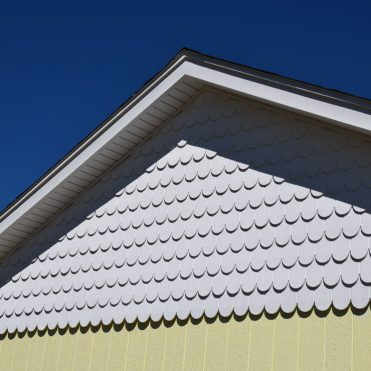
There are also plenty of design choices. Wood can be installed as traditional lap siding, shingles, shakes, vertical panels, or board-and-batten siding. It can be painted or stained, giving homeowners flexibility when their exterior style changes.
The tradeoff is responsibility.
Wood siding can have a higher initial cost depending on the species and installation details, and the maintenance continues after installation. Many wood exteriors need repainting or restaining roughly every three to seven years, although exposure, finish quality, climate, and construction details can change that schedule.
Ignoring peeling finishes or damaged caulking can allow moisture into the material. Once that happens, localized swelling, splitting, mildew, or rot can become a much more expensive home remodeling problem.
Where Does Vinyl Siding Have the Advantage?
For many homeowners, the appeal of vinyl starts with predictability.
Vinyl does not need the repeated painting or staining cycle associated with natural wood. Cleaning usually involves periodic washing rather than refinishing the entire exterior.
In many projects, vinyl siding is cheaper upfront than natural wood, although the actual project cost depends on house size, removal work, trim, insulation, wall condition, and the siding styles selected.
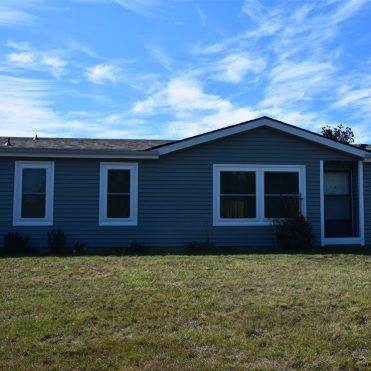
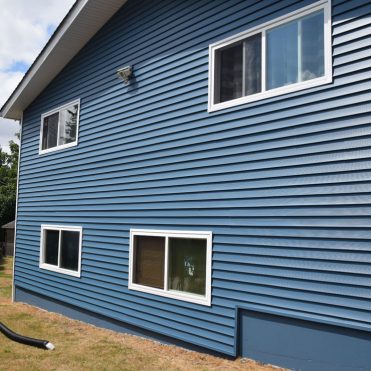
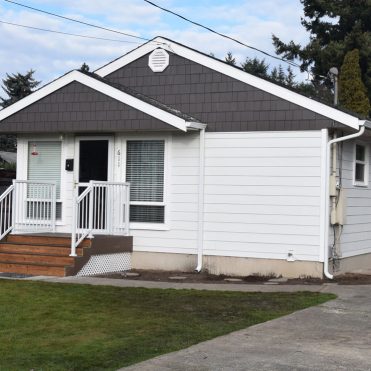
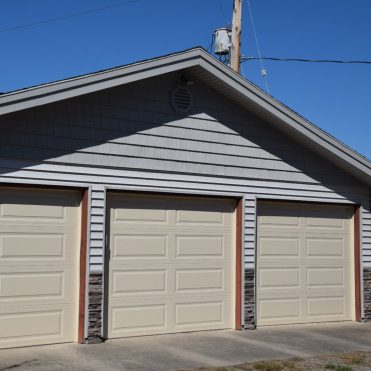
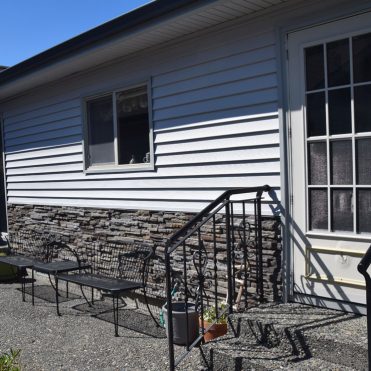
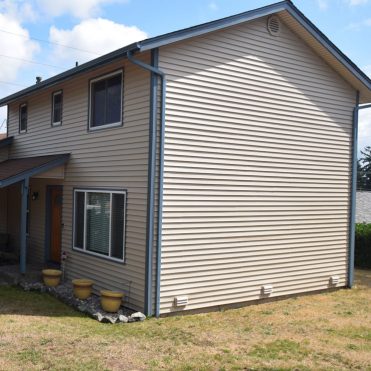
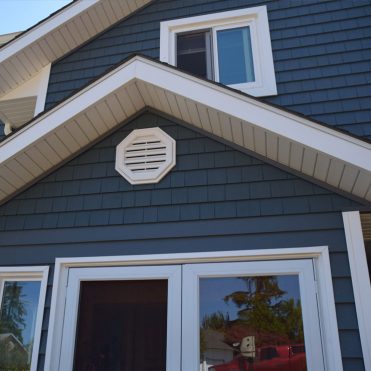
Modern vinyl siding options also go far beyond the basic siding vinyl products homeowners may remember from decades ago. Manufacturers now produce deeper textures, wider profiles, shake-inspired designs, and vinyl wood-look finishes. Horizontal panels remain common, but homeowners can also create accents using vertical or batten-inspired profiles.
Vinyl still has limitations. Poor installation can lead to buckling, loose panels, or water-management problems. Panels may also suffer impact damage, and extreme heat can affect some products.
That is why buying good material without considering the wall system behind it is a mistake.
The Part Most Comparisons Miss: Your Wall Has to Manage Water
Homeowners often compare siding as though the outer panel works alone. It does not.
Your exterior is a system. The siding sheds most rain, while flashing, drainage details, house wrap, penetrations, trim, and installation practices help manage whatever gets behind the visible surface.
This matters greatly in Western Washington.
A beautiful exterior installed incorrectly can still develop problems around windows, doors, roof-to-wall intersections, hose bibs, vents, and other penetrations. Before choosing between wood and vinyl, look beyond the sample board and ask how the complete exterior assembly will handle moisture.
That is often more important than simply choosing the material with the longest advertised lifespan.
Which Material Makes More Sense for You?
If you are still wondering is wood siding better than vinyl, think about how you actually want to own your home.
Choose wood when natural appearance is worth regular inspection, painting, staining, and repair to you.
Choose vinyl when you want a practical exterior with fewer recurring maintenance tasks and broad design flexibility.
And if neither option completely fits, modern composite siding options deserve consideration. They can provide another balance of appearance, insulation, moisture performance, and maintenance.
A Siding System Built Around Washington Conditions
Builders Service Company has worked on Pacific Northwest home exteriors since 1974. That local experience matters because siding that performs well in one region may face very different challenges in Washington’s wet climate.
Founder Mason Ruppel developed the Evergreen Shield Siding System after decades of seeing how traditional exterior products performed in local conditions. The system combines specialized composite siding panels with breathable house wrap and professional installation. Builders Service Company lists the system with an R-value of 2.0 and designed it to provide insulation, weather protection, durability, and easier maintenance.
When homeowners are comparing wood siding, vinyl siding, or more advanced alternatives, the team can inspect the existing exterior, discuss the property’s exposure and architecture, and explain which approach makes sense. That means the conversation is about the house in front of them, not a one-size-fits-all recommendation.
Why Homeowners Choose Builders Service Company
- Serving Washington homeowners since 1974
- More than 50 years of exterior remodeling experience
- Better Business Bureau A+ accredited business
- Licensed and insured Washington contractor
- Two-time Golden Hammer Contractor Award recipient
- Lifetime limited transferable warranties available on qualifying products
Discuss Your Siding Options in Person
If your siding is deteriorating, demanding too much upkeep, or simply no longer giving your home the protection and appearance you want, Builders Service Company can help you compare the available options.
Service area: Western Washington and communities throughout the Puget Sound region, including Seattle, Tacoma, Bellevue, Everett, Olympia, Puyallup, Federal Way, Kirkland, and surrounding areas.
Schedule a free in-home consultation to discuss your exterior, siding choices, and long-term priorities with an experienced professional.
Frequently Asked Questions
Does wood siding increase home value more than vinyl?
Either material can improve a home’s value when it replaces damaged or unattractive siding, but condition, installation quality, neighborhood expectations, and overall curb appeal influence the result.
Can vinyl be installed over existing wood siding?
Sometimes, but the existing wall should first be inspected for rot, moisture damage, uneven surfaces, and other problems that should not be concealed beneath new material.
Which siding is easier to repair?
Individual wood boards can often be repaired or replaced, while damaged vinyl panels may also be replaceable if matching profiles and colors remain available.
Can wood siding handle Washington rain?
Yes, but it needs correct installation, effective drainage details, protective finishes, and ongoing maintenance to reduce the risk of moisture-related deterioration.
Is wood siding better than vinyl if appearance is the main concern?
For homeowners who specifically want genuine grain and natural variation, wood usually has the advantage, while today’s premium vinyl and composite products provide increasingly convincing alternatives.