

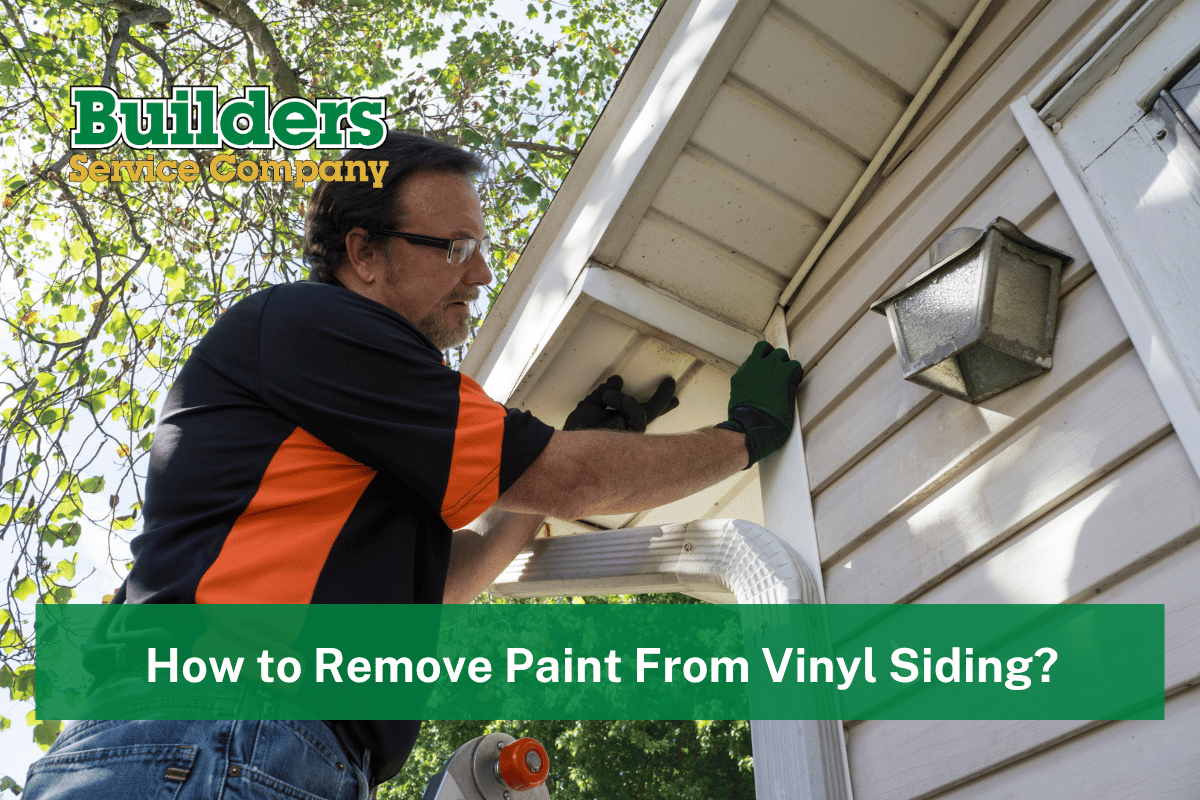
How to Remove Paint From Vinyl Siding Without Damaging Your Home?
Learning how to remove paint from vinyl siding can save your home’s exterior after a painting spill, overspray accident, or messy deck project. The safest method depends on whether the paint is fresh or dry, water-based or oil-based, and how long it has been sitting on the surface. Starting with the gentlest cleaning method helps prevent scratches, fading, and permanent damage.
The Safest Paint Removal Method
- Wipe fresh paint immediately before it has time to harden.
- Start with warm water, mild laundry detergent, and a soft cloth.
- Identify whether the stain is water-based paint or oil-based paint.
- Soften dried paint before attempting to lift it.
- Use a plastic scraper rather than a metal blade.
- Test every cleaner in a hidden area before treating a visible section.
- Stop if the siding becomes dull, discolored, scratched, or unusually soft.
What Should You Do First?
Start by identifying the paint type and testing the mildest cleaning solution in a small, hidden area.
Do not immediately reach for the strongest paint remover in the garage. A product that strips paint from wood, concrete, or metal may also damage the protective finish of exterior panels.
Inspect the affected area closely. Determine whether you are dealing with:
- Fresh drips that are still wet
- Small specks of dried paint
- Spray-paint overspray
- Water-based latex or acrylic paint
- Oil-based paint or deck stain
- A large spill covering several panels
The age of the stain matters too. Paint that landed on the wall ten minutes ago may wipe away easily. A spill that has baked in direct sunlight for several months will usually require more patience.
Before cleaning, remove loose dirt with a garden hose or damp cloth. Dirt trapped beneath your sponge can act like sandpaper and leave visible marks.
How to Remove Fresh Paint Safely
Fresh spills are usually much easier to handle than hardened stains. Work carefully so you do not spread the spot across a larger area.
Blot Instead of Scrubbing
Use a clean cloth or paper towel to blot the spill. Avoid wiping aggressively from side to side because that can push the paint into the textured surface.
Work from the outside edge toward the center. Replace the cloth as soon as it becomes saturated.
Wash the Area With Mild Detergent
Mix a small amount of laundry detergent with warm water. Apply it using a soft cloth or non-abrasive sponge, then gently wipe the affected section.
Rinse the surface thoroughly with clean water. Do not leave soap residue behind, particularly on dark exterior colors where dried residue may remain visible.
For fresh water-based paint, this simple process may be all that is needed.
How to Handle Dried Paint
Dried paint requires a slower approach. The objective is to soften the stain and lift it without scraping away the panel’s finish.
Soften the Spot Before Scraping
Place a warm, damp cloth over the affected area for several minutes. This may soften latex or acrylic residue enough to loosen its edges.
Next, use your fingernail or a plastic scraper to test whether the spot will lift. Hold the tool nearly flat against the wall rather than digging into it.
Never use a razor blade, metal putty knife, wire brush, or steel wool. These tools can gouge the siding material and leave permanent scratches.
Work in Small Sections
Treat one small section at a time. Large cleaning areas make it harder to control dwell time and notice early signs of damage.
Apply the solution, allow it to work briefly, gently wipe, and rinse. Repeating a mild process is safer than using one aggressive chemical treatment.
If remaining paint still will not move after several attempts, pause before trying a stronger product.
Match the Method to the Type of Paint
Different coatings respond to different cleaning methods. Using the wrong one may spread the stain or affect the exterior finish.
Water-Based Latex or Acrylic Paint
Water-based paint is generally the easiest type to remove. Begin with detergent and a soft brush or cloth.
For an older stain, a small amount of rubbing alcohol may help break down the residue. Apply it to the cloth rather than pouring it directly onto the wall. Rub gently, rinse promptly, and inspect the result.
Always test alcohol first. Weathered panels may react differently from newer, quality vinyl products.
Oil-Based Paint and Wood Stain
Oil-based coatings are more difficult because they do not dissolve in ordinary soapy water. Paint or stain transferred during a wood deck, fence, or trim project may require a manufacturer-approved cleaner.
Before using mineral spirits or another solvent, check the panel manufacturer’s care instructions. Test a tiny amount in an inconspicuous location and wait long enough to confirm that it does not cause fading, gloss changes, or softening.
Apply the product sparingly to a cloth. Do not soak the wall or allow solvent to run behind the panels.
Spray-Paint Overspray
Spray paint often appears as hundreds of tiny dots rather than one concentrated spill. Trying to scrape every dot can leave a larger damaged patch.
Begin with soap and a soft microfiber cloth. If the dots remain, test a cleaner specifically labeled for compatible vinyl surfaces. Treat only a few specks first and compare the cleaned section with the surrounding wall in natural daylight.
A clean spot that appears shinier than the rest of the wall may be just as noticeable as the original overspray.
Products and Methods to Avoid
The biggest mistake is assuming that a strong chemical will produce a better result. It may remove the stain while permanently changing the panel underneath it.
Avoid using:
- Acetone paint thinner without explicit manufacturer approval
- Undiluted bleach
- Abrasive powders
- Metal blades or wire brushes
- Heat guns
- Sandpaper
- High-pressure spray at close range
- Cleaners that are not approved for exterior polymer surfaces
Acetone paint products can soften or discolor certain plastics. Heat may warp exterior panels. Strong pressure can force moisture behind the wall siding, particularly around seams, windows, doors, and trim.
Never mix cleaning chemicals. Combining common household products can produce dangerous fumes or unpredictable reactions.
A Practical Spot-Test Method
A proper spot test involves more than wiping a hidden corner and immediately checking it.
Use this process:
- Choose an inconspicuous area near the bottom of the wall.
- Clean away surface dirt.
- Apply a small amount of the chosen product to a cloth.
- Treat an area no larger than one square inch.
- Rinse according to the product instructions.
- Allow the section to dry fully.
- Recheck it in daylight after 20 to 30 minutes.
Look for discoloration, a cloudy appearance, excess shine, softening, or texture changes. If the tested section looks different from the surrounding wall, do not continue.
When Paint Removal May Cause More Harm Than Good
A homeowner should stop when the stain covers a large area, the exterior is already brittle, or repeated cleaning begins affecting the finish.
Older panels can become less flexible after years of sun exposure and temperature changes. Scrubbing them aggressively may crack an edge or create a polished patch.
You should also consider professional help when:
- Overspray affects an entire side of the home
- The paint has been present for months or years
- A previous cleaning attempt caused discoloration
- Panels are loose, cracked, warped, or chalky
- The coating type is unknown
- The affected area is high above the ground
Working from a ladder while handling cleaning chemicals creates an additional safety risk. A small cosmetic problem is not worth a fall or a damaged exterior.
What If the Siding Is Already Faded or Damaged?
Paint may draw attention to a larger condition that was already developing. Once the area is cleaned, homeowners sometimes discover uneven fading, cracks, loose seams, impact damage, or moisture concerns.
One isolated stain does not automatically mean replacement is necessary. However, repeated maintenance problems may indicate that the existing exterior has reached the end of its useful life.
It is also worth comparing the cleaned area with nearby wood trim, deck boards, and window components. Paint splatter may be only one part of a broader exterior maintenance issue.
Advice From Builders Service Company
Builders Service Company has served Washington homeowners since 1974, helping families protect and improve their homes through professional siding, roofing, window, and deck services. Our experienced team understands how Pacific Northwest rain, moisture, seasonal temperature changes, and long-term exposure affect residential exteriors. Contact us to arrange a free in-home consultation and discuss your home personally with an experienced professional.
Contact us to schedule a free in-home consultation.
Service Area: Seattle, Tacoma, Bellevue, and communities throughout Washington
Frequently Asked Questions
Will rubbing alcohol damage vinyl siding?
Rubbing alcohol may be safe for limited spot cleaning, but it should always be tested in a hidden area first.
Apply a small amount to a cloth rather than directly to the wall. Wipe gently and rinse promptly. Stop if you notice fading, softening, or a change in gloss.
Can I scrape dried paint off siding?
Yes, but only with a plastic scraper used gently at a low angle.
Metal blades can cut, scratch, or gouge the exterior. Soften the dried paint first and never force a spot that is firmly bonded to the surface.
Can I use a pressure washer to remove paint?
A pressure washer is not the best first choice for paint removal.
Concentrated pressure can damage panels or drive moisture behind them. A garden hose, soft cloth, and controlled spot-cleaning process provide greater precision.
Does vinegar remove paint from siding?
Vinegar may help soften some light water-based residue, but it is not a universal paint remover.
Test a diluted mixture on a hidden section, apply it briefly, and rinse completely. It is unlikely to remove a fully cured oil-based coating.
How do I remove deck stain from siding?
Begin with mild detergent, then consult the panel manufacturer before trying a solvent.
Deck stain may be oil-based and difficult to lift. Aggressive chemicals can create a faded or shiny patch that looks worse than the original stain.
Should damaged siding be repaired or replaced?
Small isolated damage may be repairable, while widespread cracking, warping, fading, or moisture intrusion may justify replacement.
A professional in-home inspection can help distinguish a cosmetic problem from a larger exterior performance concern.
Protecting your exterior is more important than removing every last speck. When a stain will not lift safely or the surrounding panels show signs of age, contact Builders Service Company at 888-980-8580 to schedule your free in-home consultation.