

What Is the Best Siding for a House?
Expert Guidance for Washington State Homeowners
Choosing house siding is about far more than curb appeal. The best siding for a house balances your climate, design goals, energy efficiency needs, and desired level of maintenance. As a Washington State homeowner, you have countless choices—from traditional wood to modern vinyl siding to advanced composite systems. At Builders Service Company, with decades of experience helping local homeowners, we have seen which materials stand up to our region’s challenges and which offer long term value.
Let’s explore the top siding options and, most importantly, what makes some choices especially well suited for your home and climate.
Understanding Siding and Your Local Climate
The Pacific Northwest brings its own set of environmental hurdles. Rain, humidity, and changing temperatures put house siding to the ultimate test. Siding that performs beautifully in a dry climate might struggle in Washington’s wetter areas. On the other hand, siding that resists water can make a major difference in the overall durability and comfort of your home.
Comparing Siding Options
Cedar and Other Wood Siding
Cedar is a classic favorite, particularly for luxury homes attracted by its natural beauty, texture, and distinctive curb appeal. Wood siding such as cedar or hardwood provides a warm, inviting look that can boost a home’s value. However, it requires frequent maintenance. Expect to repaint or reseal every few years, and be prepared to monitor for rot and insect damage—especially in wet or humid climates like ours. While wood siding has moderate insulation, its maintenance needs and susceptibility to moisture issues make it less popular for rainy areas.
Vinyl Siding
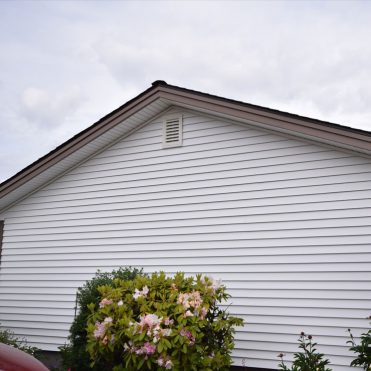
Vinyl siding is one of the most widely used siding materials in the United States, thanks to its affordability and minimal upkeep. For short term investments or temporary homes, vinyl is a common pick. It is easy to install and comes in many colors and styles. However, this material has limitations. Vinyl siding has a lower R-value than many advanced products and is prone to warping or melting in extremely hot temperatures. While it resists moisture fairly well, it does not provide the highest insulation or impact protection. Vinyl is a reasonable option if you want lower up front costs, but it usually will not last as long as higher end solutions.
Fiber Cement Siding
One of today’s leading siding choices is fiber cement. This material, often known by brands such as HardiePlank, balances the look of wood with increased resilience against fire and pests. Fiber cement is more durable than wood or vinyl and can handle hot temperatures since it does not melt. However, it is not fully waterproof, which can be an issue in climates like the Pacific Northwest. Over time, prolonged exposure to rain and humidity may cause the panels to absorb moisture, leading to potential swelling or damage. Fiber cement siding also has a much lower R-value than modern composites, so its insulation properties are modest.
Metal Siding
Metal siding, including aluminum siding and steel variants, is chosen for its fire resistance and durability. It can withstand heat and is impervious to termites. However, metal siding can be prone to dents and may require repainting to keep its appearance sharp. Aluminum siding is considered a good fit for those wanting a long-lasting solution, but its insulation properties do not match up to advanced composite options.
Stucco Siding
Stucco siding can offer a unique look and works well in dry, temperate regions. Stucco is resistant to fire and insects, but in areas with a lot of moisture or freeze-thaw cycles, it can crack and allow water in. Maintenance can be intensive and repairs may be needed if the finish or substrate is damaged. For these reasons, stucco siding is seen less often in the Pacific Northwest.
Stone Veneer and Brick Siding
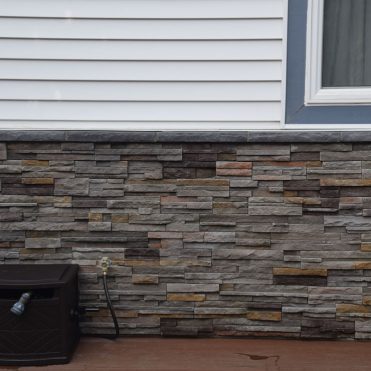
Stone veneer and brick are prized for their long lifespan and classic look. They are resistant to fire and pests, and can increase a home’s value. However, brick and stone siding are heavier, require skilled installation, and can be more expensive. Their insulation properties can vary and in wet climates, attention to waterproofing is crucial.
Evergreen Shield Siding: The Best Siding for the Pacific Northwest
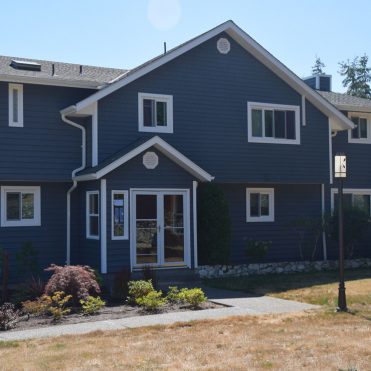
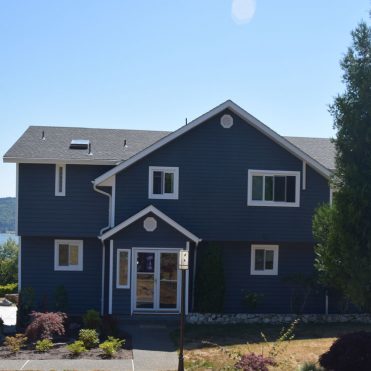
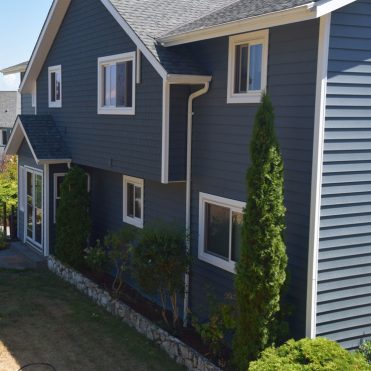
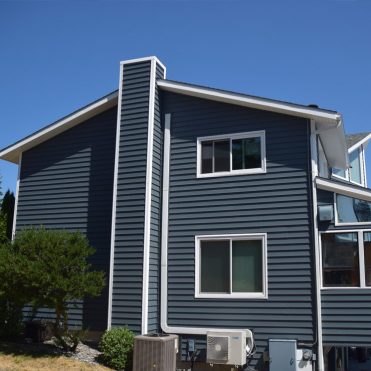
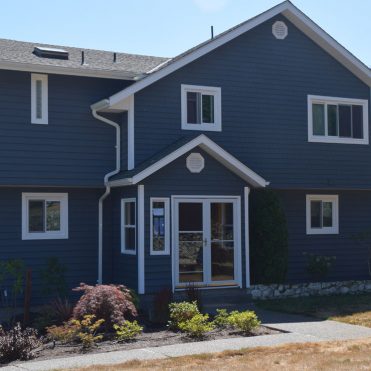
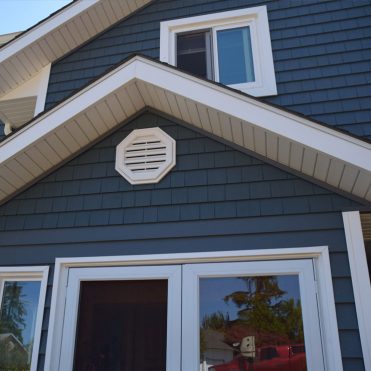
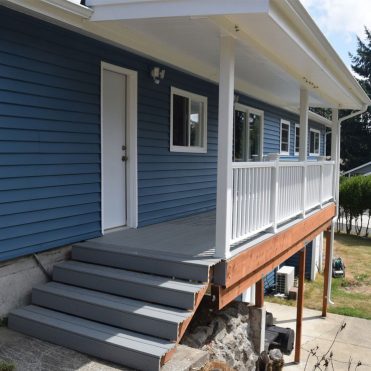
At Builders Service Company, we strongly recommend the Evergreen Shield Siding system for homeowners looking for the best blend of durability, insulation, and longevity—especially in Washington State.
Why does Evergreen Shield Siding stand out?
- Superior Insulation Evergreen Shield offers an R-value of 2.0, far exceeding HardiePlank fiber cement at about 0.15 and typical vinyl siding at just 0.61. This higher R-value means your home stays warmer in winter and cooler in summer, reducing the strain on your HVAC system and leading to lower energy bills. The graphite membrane in Evergreen Shield reflects and disperses heat, enhancing thermal performance compared to most competing systems.
- Designed for Wet Climates Evergreen Shield is engineered specifically for the Pacific Northwest’s rain and humidity. Its advanced composite panels are fully water resistant, preventing moisture intrusion and the formation of mold or mildew. Unlike fiber cement, which can absorb water, Evergreen Shield resists rot and maintains its structural integrity even in the harshest local weather.
- Industry Leading Fire Resistance With a Class A fire rating, Evergreen Shield provides the highest level of fire protection for your home. This means it is highly resistant to ignition and slows the spread of flames, an important advantage during dry summer seasons or in neighborhoods with increased wildfire risk.
- Extreme Durability and Low Upkeep Composite construction gives Evergreen Shield remarkable resilience against water damage, UV rays, impacts, and temperature swings. It resists warping, cracking, and fading. Built-in color pigments and UV resistant finishes mean there is no need for repainting. Homeowners can expect a beautiful facade with just an occasional wash.
- Lasting Color Options Evergreen Shield comes in twenty fade resistant shades. The pigment is embedded within the panel, not simply applied on the surface, so colors stay true and maintain your curb appeal for years.
Bringing It Back to You
The answer to “what is the best siding for a house” depends on your unique needs. For luxury homes, cedar offers unmatched beauty but requires dedication to maintenance. Vinyl siding is easy to install and cost effective, making it a reasonable short term choice but less suitable for investment properties or long term plans. Fiber cement works well in hot climates but is challenged by heavy rain. For Pacific Northwest homeowners, Evergreen Shield Siding stands out as the most complete solution. It outperforms traditional siding in insulation, moisture resistance, fire protection, maintenance, and style.
If you want dependable house siding that lasts, consider Evergreen Shield and trust Builders Service Company for expert installation and service across Washington. We are here to help you choose the best siding for your home’s needs.
Contact us today to discuss your siding options or schedule a free consultation. Let us help you increase your comfort, safety, and home value for decades to come.