

What is Asbestos Siding? A Complete Guide for Washington Homeowners
When it comes to older homes in Washington State, many homeowners eventually ask the pressing question—what is asbestos siding? If your home was built or remodeled in the early to mid-1900s, it is quite possible that asbestos siding was used as part of your exterior. As an experienced home exteriors specialist, I have encountered countless situations where asbestos siding presents unique challenges and risks. In this comprehensive guide, we will cover what asbestos siding is, its history, how to identify it, and most importantly, why replacing asbestos siding is essential for your property’s safety and long-term value.
The History of Asbestos Siding in American Homes
Understanding what asbestos siding is starts with a glance back through history. Asbestos itself is a naturally occurring mineral, prized for its fireproof and insulating qualities. Beginning in the 1920s, manufacturers began adding asbestos fibers to cement to create asbestos cement siding. The result was a strong, relatively lightweight siding material that became widely used from the 1940s through the 1970s. These fiber cement shingles or boards offered resistance to rot, insects, and even flames—a huge selling point at the time.
Unfortunately, the health risks associated with asbestos were not fully understood for decades. Once the connection between asbestos and respiratory illnesses was established, the use of asbestos siding in home construction quickly fell out of favor. By the late 1980s, safer alternatives such as modern fiber cement siding became common.
What Do Asbestos Siding Shingles Look Like?
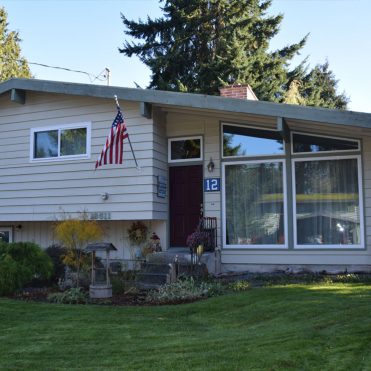
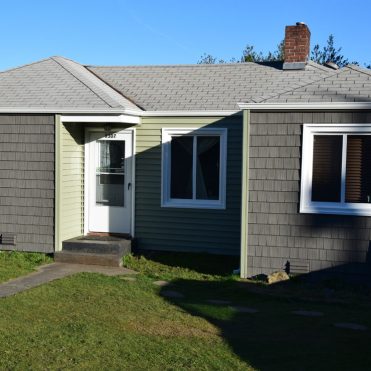
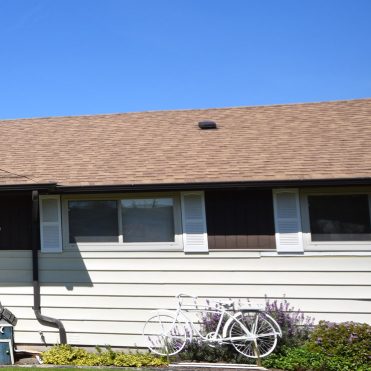
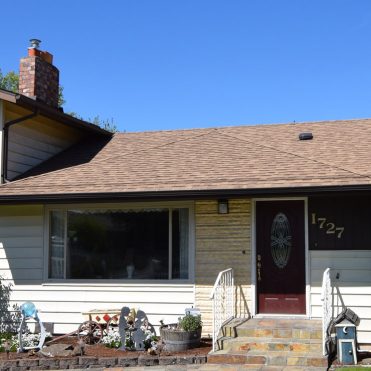
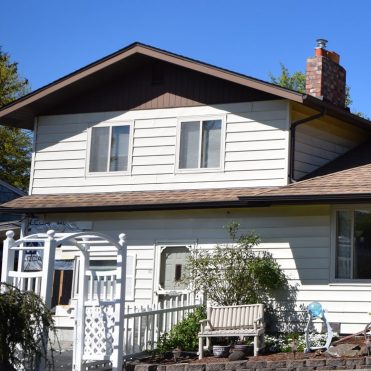
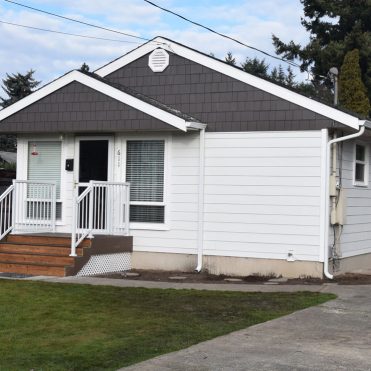
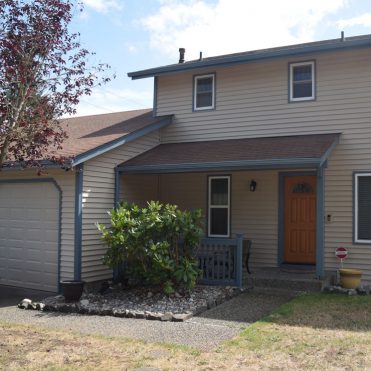
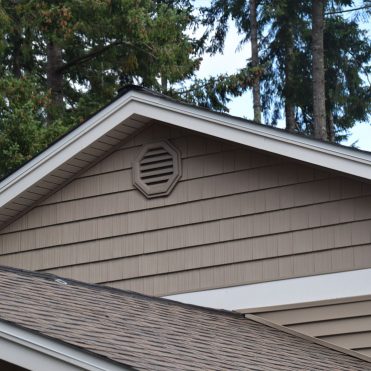
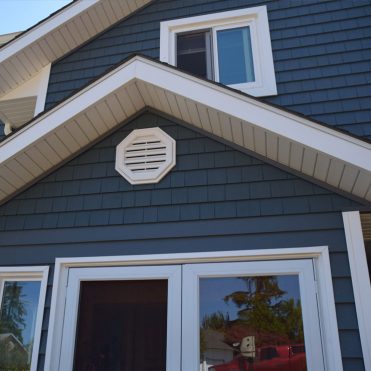
If you are trying to identify asbestos siding on your house, there are some visual clues to watch for. Asbestos siding usually appears as rectangular or square shingles, often with a wood grain pattern stamped into the surface. The color may be faded gray, white, or painted over. Unlike vinyl or aluminum siding, asbestos cement shingles feel very rigid and brittle when tapped.
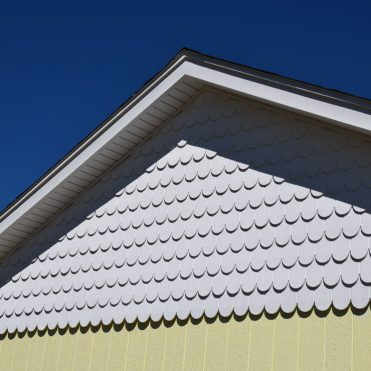
Homeowners may notice a wavy or pressed wood texture, which was used to mimic traditional cedar shingles. The edges are commonly straight rather than interlocking, and the panels are nailed directly to the exterior sheathing. If your siding looks like this and your home was built before 1978, it is very possible that asbestos is present.
How to Safely Identify Asbestos Siding
Accurately identifying asbestos siding is not something you should do by yourself. Asbestos fibers are extremely hazardous when disturbed and inhaled. Even small-scale repairs or drilling can release fibers into the air, posing a serious risk to you and your family. For this reason, any suspicion of asbestos should prompt a call to trained professionals for asbestos testing or a certified asbestos inspection.
Professional testing will confirm whether your siding contains asbestos fibers. If asbestos is found, extra precautions are needed to prevent health risks during any home improvement or siding replacement project.
Why Replace Asbestos Siding?
As someone who has helped homeowners throughout Washington for decades, I can say that removing or replacing asbestos siding is always the safest and wisest option. Even when undisturbed, asbestos siding presents long-term concerns. Many homes with asbestos siding develop issues like cracked shingles, missing panels, or water penetration behind the siding, which can lead to mold or hidden damage.
Repairing asbestos siding is not recommended because of the health risks tied to disturbing the material. Over time, weathering and impacts will cause the siding to deteriorate, increasing the odds that asbestos fibers become airborne. The cost of routine asbestos inspection and repair also adds up, while insurance and mortgage companies may be reluctant to cover properties that have asbestos siding due to liability concerns.
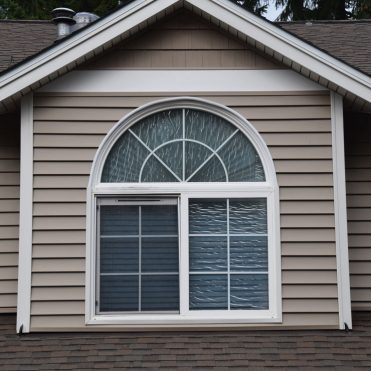
Modern siding materials such as fiber cement, engineered wood, and advanced vinyl offer all the benefits homeowners need—lasting durability, color options, resistance to rot or flame, and none of the dangerous health hazards that come with asbestos. Investing in new, code-compliant siding greatly improves your property’s safety, appearance, and market value.
The Builders Service Company Approach: Safe, Professional Siding Replacement
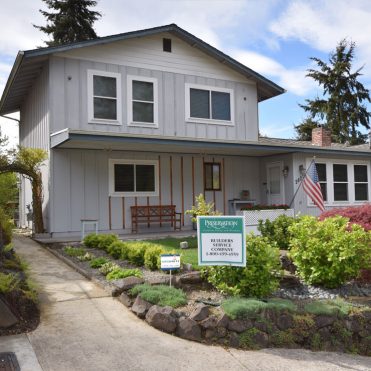
At Builders Service Company, we do not take chances when it comes to asbestos. We have helped countless homeowners replace outdated asbestos siding with new, safe, and durable exteriors. Our process begins with a thorough assessment and honest guidance about your replacement options. We coordinate proper asbestos removal with specialized crews when necessary, always prioritizing the safety of everyone involved.
From there, our team focuses on meticulous siding replacement. We only install materials tested and proven to thrive in the Washington climate. We offer a range of choices, from fiber cement siding to beautiful engineered wood options, all backed by our decades of craftsmanship. Our goal is to deliver an exterior that will protect your home for generations and give you peace of mind.
Ready to Replace Your Asbestos Siding? Call the Trusted Experts
If you suspect your home may have asbestos siding, the safest step is to schedule an assessment. Builders Service Company will walk you through the identification process and outline your best options for safe, high-quality replacement. We never cut corners and only recommend siding materials that meet modern standards for safety and style. Let us help you move past the worries of asbestos and enjoy a beautiful, low-maintenance exterior that will last for years to come.
Contact us today to learn more or schedule your no-obligation consultation. Your family’s safety and your home’s value are always our top priorities.