Fall City, WA
Siding Replacement in Fall City, WA
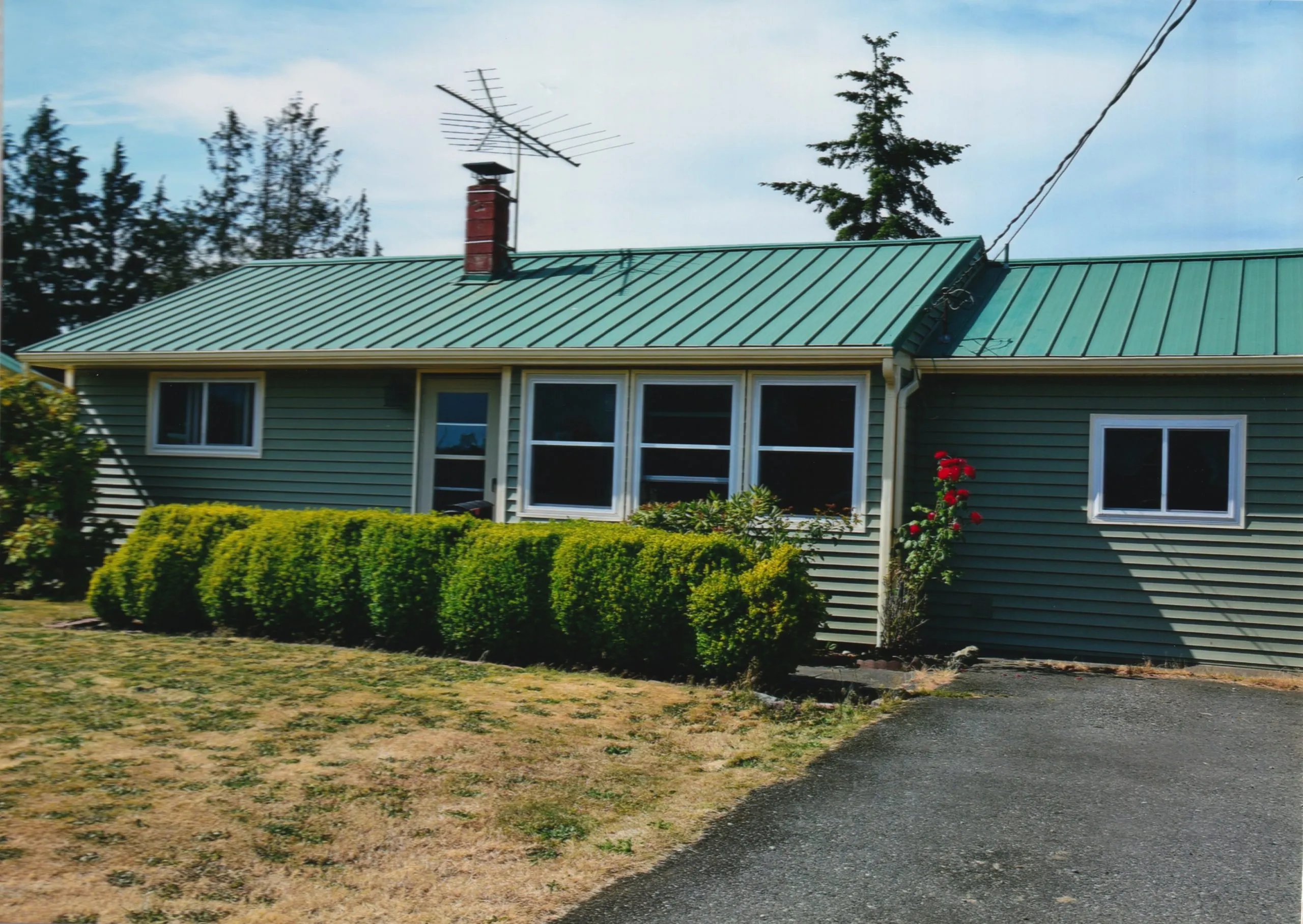
King County assessor records list 1,469 single-family homes in Fall City, and the largest share, 40%, went up between 1980 and 1999, the era of composite and hardboard siding. Only 9% of those homes show a renovation in the same records. If you own one of them, the siding on your walls may well be the original. Below, we cover what Fall City houses are clad in today, how the siding types we usually recommend fit local conditions, and the signs that replacement is due.
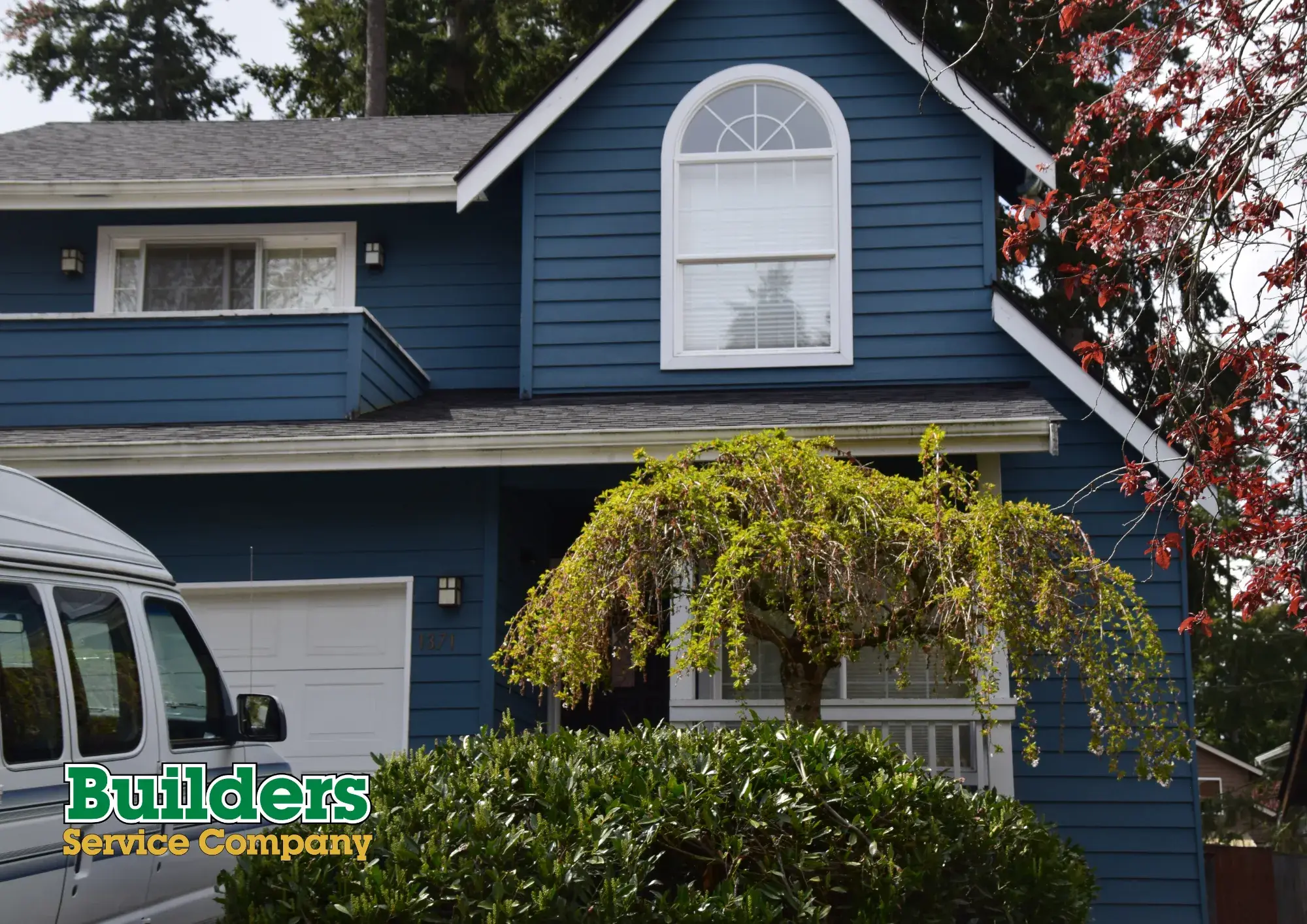
What’s on Fall City homes now
The age of your house is the best guide to what is on its walls. Census data puts the median Fall City home at 1969, while assessor records, which cover single-family homes only, put it at 1981. Here is how the assessor count breaks down:
- Before 1950 (16%): likely original wood lap siding, with older paint layers that may contain lead.
- 1950–79 (32%): cedar, T1-11 or asbestos-cement shingles. Asbestos-cement siding may contain asbestos and should be tested before removal.
- 1980–99 (40%): composite and hardboard siding. Homes from 1985–96, the LP siding years, make up 30% of the total; LP siding has a known history of moisture failure.
- 2000 and later (12%): fiber cement or builder-grade vinyl now reaching its first repaint or replacement.
The local plats follow the same pattern. Fall City Add, with 64 homes, has a median build year of 1929. Lake Alice Beach Add (52 homes, median 1960) and Spring Glen (25 homes, 1978) sit in the cedar and T1-11 years. Heather Crest (51 homes, 1980) and Fall City Orchard Trs (58 homes, 1989) fall in the hardboard era.
Nearly all of this is detached housing: 93% of homes are detached and 4% are mobile homes. Assessor records rate 33% of homes in good or very good condition. With 84% of homes owner-occupied, Fall City has a high share of long-term owners who invest in their exteriors.
Choosing siding for Fall City’s conditions
Fall City sits in the Cascade foothills, where the weather brings more rain, ice storms and east winds. Siding here has to shed water through long wet stretches and stay fastened in wind, which is why this region calls for wind-rated siding. The three types we usually recommend are vinyl, the Evergreen Shield Siding System and metal, and none of them is wood.
How they line up for Fall City homes:
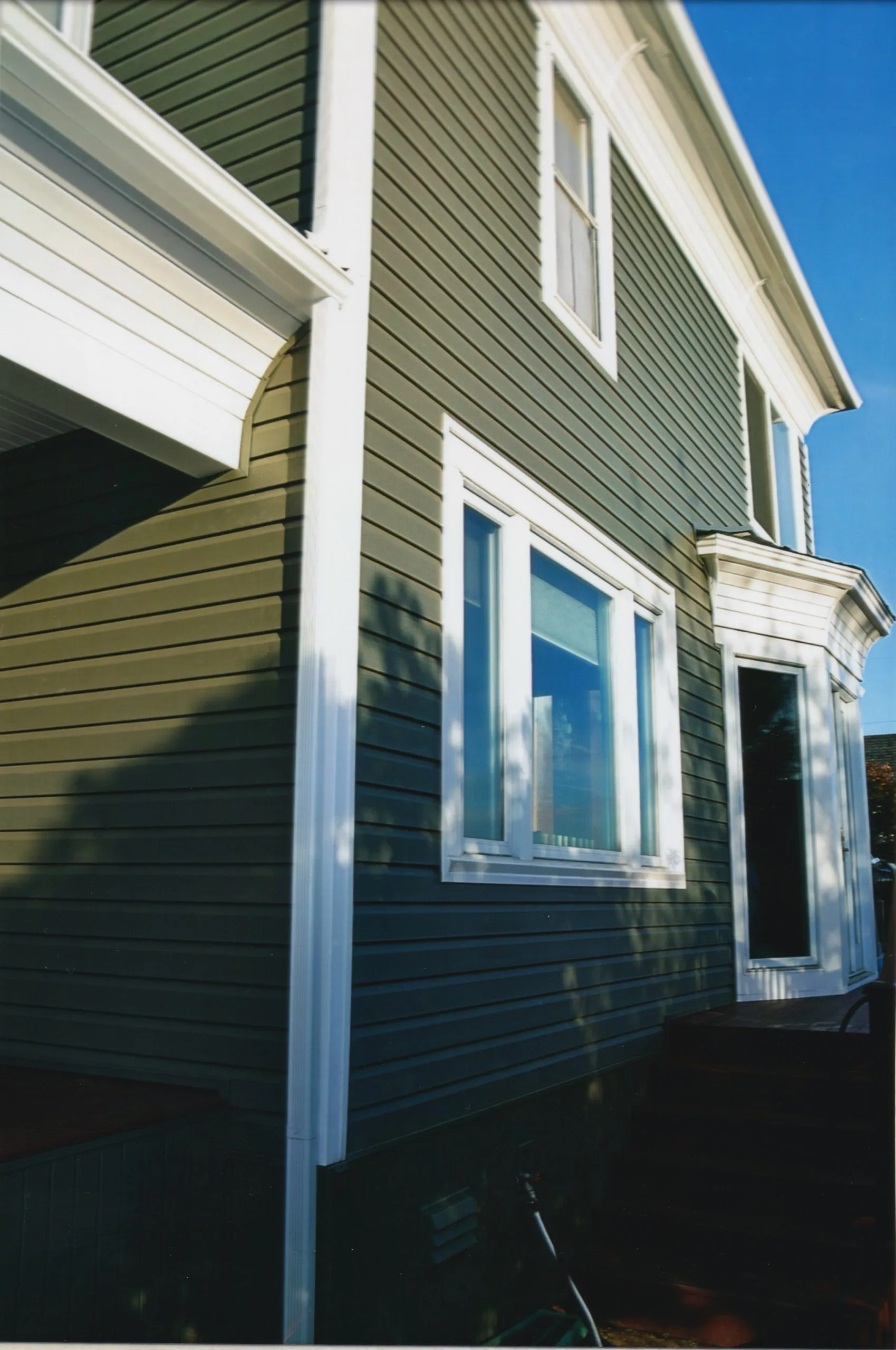
- Vinyl siding keeps cost in check on a big exterior. The median single-family home here has 2,170 square feet, and 39% have two or more stories, which adds up to a lot of wall. Vinyl is the most versatile and least expensive of the three.
- Evergreen Shield Siding System suits owners planning a long-term upgrade. Fall City’s median home value is about $1,010,000, 10% above the King County median, and owners of higher-value homes more often choose a premium material. Its insulated composite panels are covered in the next section.
- Metal siding is the other premium choice. Assessor records place 26% of homes at building grade 9 or higher, the higher-end tier, and those owners often weigh metal alongside our composite panels.
- Stacked stone and stone veneer add a durable base course, entry or chimney face alongside any of the three. Just 2% of homes here have brick or stone on the exterior today, so a stone wainscot sets a house apart on its street.
Wildfire risk in Fall City is rated Low, at the 51st percentile statewide, so fire rating does not drive the choice here the way it does in high-risk areas. Which option fits your house depends on its walls, your budget and your goals, and we work that out together at the free in-home consultation.
Evergreen Shield Siding System in Fall City
The Evergreen Shield Siding System is our own insulated composite siding, designed for the Pacific Northwest climate. Two of its features line up with conditions in Fall City.
First, the composite is built for water resistance against long wet seasons, humidity, mold and mildew, the exposure a foothills house faces for much of the year.
Second, an insulating graphite membrane gives the panels R-2.0 thermal resistance, compared with R-0.61 for standard vinyl siding. Census data shows 29% of Fall City homes heat with electricity and 6% with propane. Where heating costs more, the payback from insulated siding is larger, so those households have the most to gain from the membrane.
Signs your siding needs replacing
What to look for depends on when your house was built, and steady foothills rain makes each of these problems worse over time.
- Homes from 1985–96: hardboard or LP siding that swells or turns soft along the bottom edges and at the drip edge, with lap edges flaring where water sits. Nearly a third of local homes, 30%, date from this window.
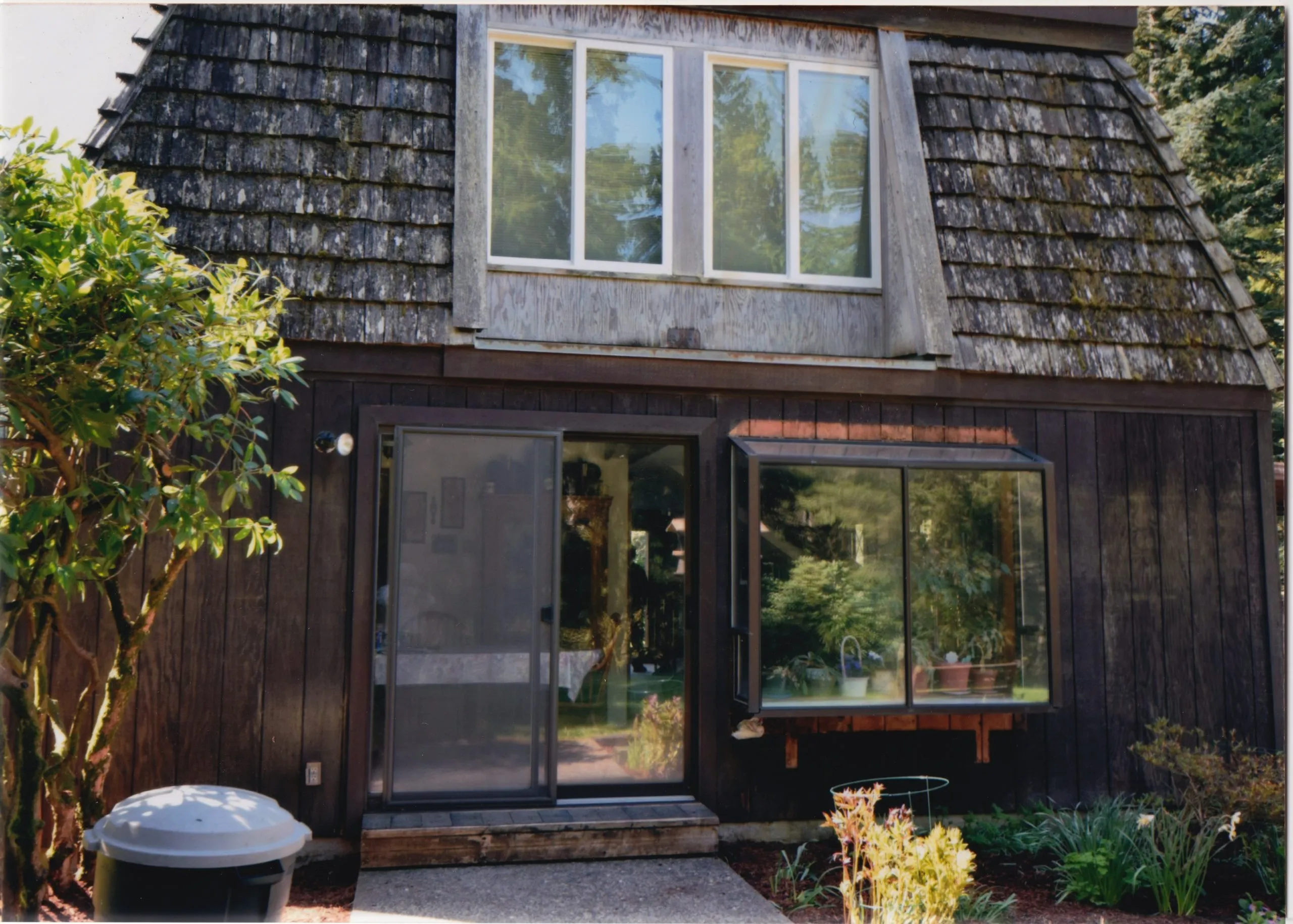
- Homes from 1950–79: cedar or T1-11 with rot near grade, moss on shaded north walls, and plywood panels separating at the seams.
- Homes from before 1950: original wood lap siding that no longer holds paint, with gaps and split boards along the courses.
If you see these signs on more than one wall, replacing the siding usually makes more sense than patching it board by board.
Get a free siding consultation in Fall City
Schedule a free in-home consultation through our contact page or call 206-430-1927. We listen to what you want first, then suggest siding that fits your home and your budget. Our work is backed by a lifetime warranty, financing is available, and we offer discounts for seniors, active military, veterans and first responders. See all of our Fall City home exterior services.
Fall City siding FAQ
Which siding holds up best to Fall City's weather?
Any of the three types we usually recommend, vinyl, the Evergreen Shield Siding System and metal, is a sound fit, and none of them is wood. Fall City gets ice storms and east winds, so the siding should be wind-rated and fastened to suit the house. From there, the choice usually comes down to budget, wall area and whether you want insulation. We work through that with you at the free in-home consultation.
What should I expect when removing siding from a 1960s or 1970s Fall City home?
Expect cedar, T1-11 or asbestos-cement shingles, the common siding on homes built from 1950 to 1979. Asbestos-cement siding may contain asbestos and should be tested before removal, so plan for that step before any tear-off. In Fall City, plats such as Lake Alice Beach Add and Spring Glen date from these years. We look at what is on your walls during the free in-home consultation.
Is insulated siding worth it if my Fall City home heats with electricity?
It is worth a close look, because the payback from insulated siding is larger where heating is costly. The Evergreen Shield Siding System has an insulating graphite membrane rated R-2.0, compared with R-0.61 for standard vinyl siding. Census data shows 29% of Fall City homes heat with electricity. We do not quote savings figures, but we will compare options for your house at the free in-home consultation.
Can I add stone veneer when I replace my siding?
Yes. Stacked stone and stone veneer are accent cladding used with vinyl, the Evergreen Shield Siding System or metal, on wainscots, entries, columns and chimneys. They are not a whole-house siding. Assessor records show just 2% of Fall City homes have any brick or stone on the exterior now, so a stone base course or entry stands out. We plan accents together with the siding at your consultation.