Carnation, WA
Siding Replacement in Carnation, WA
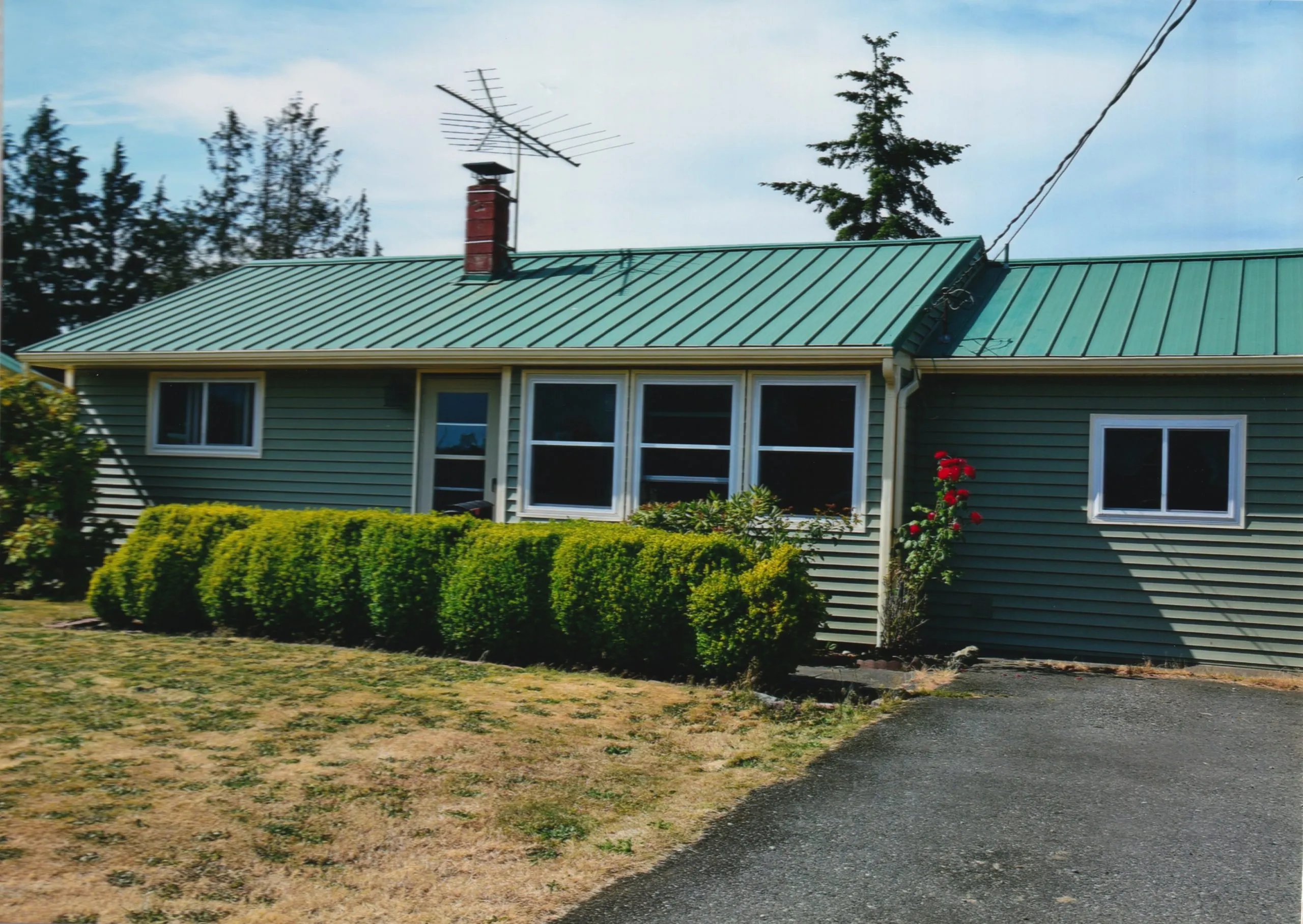
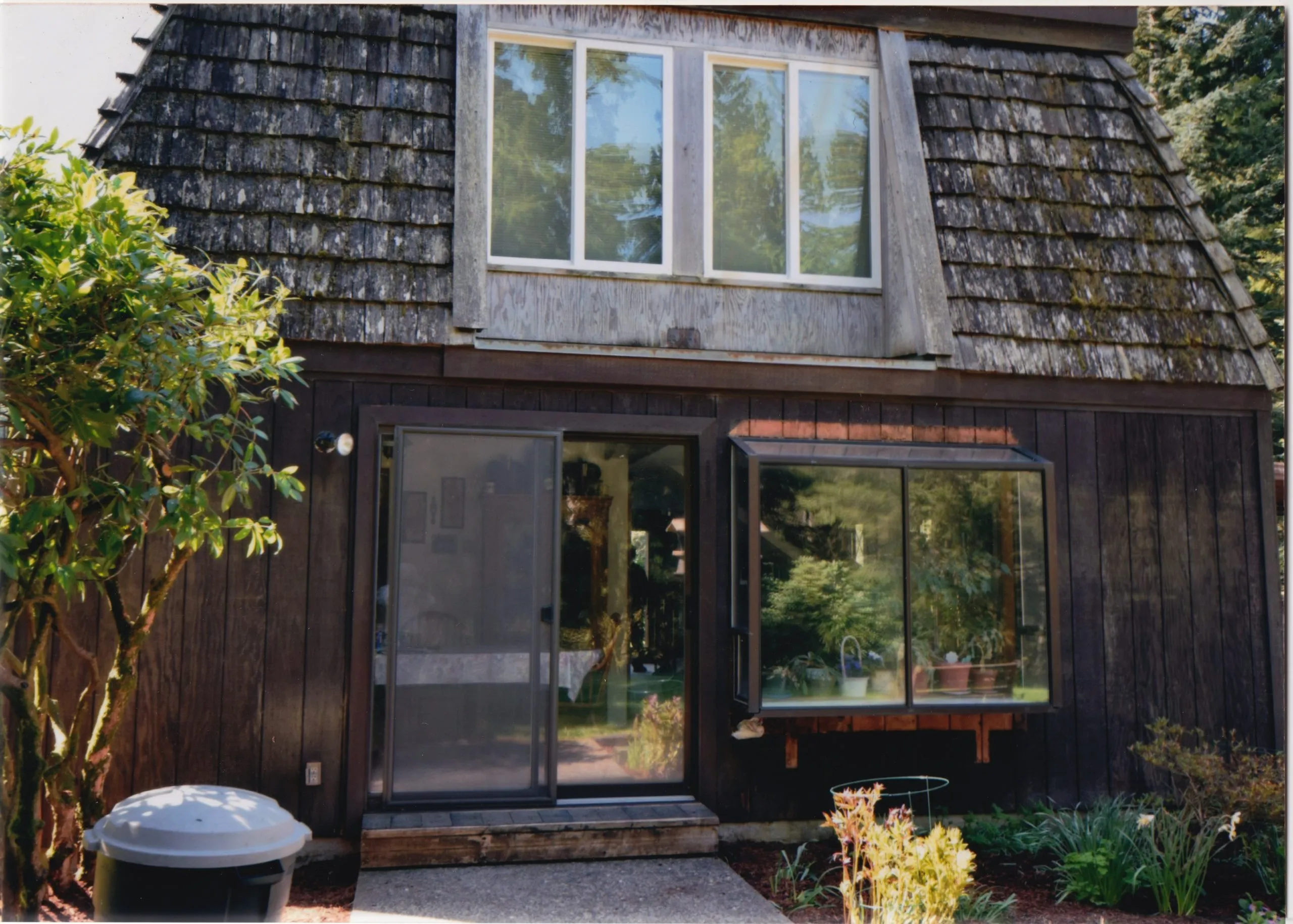
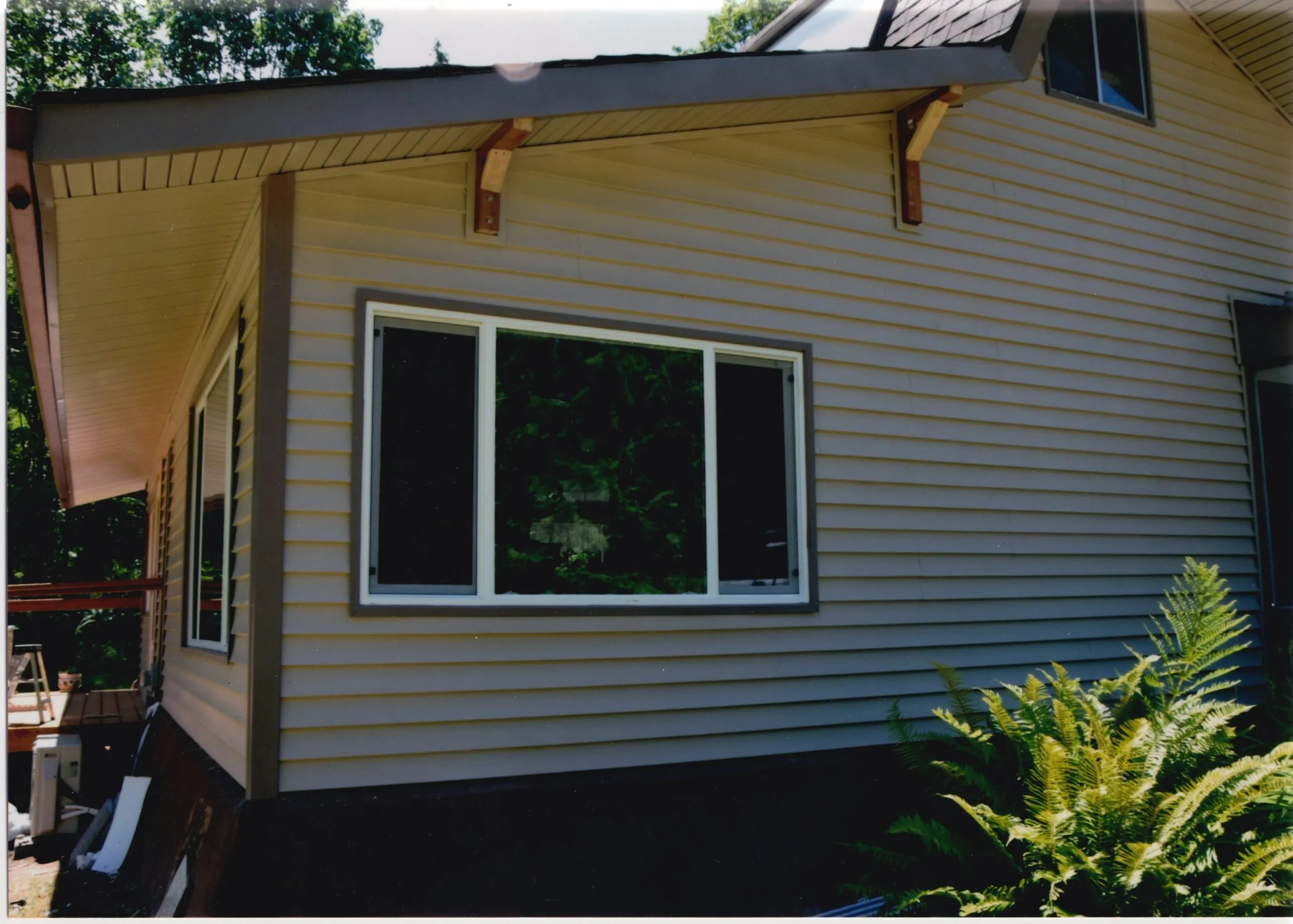
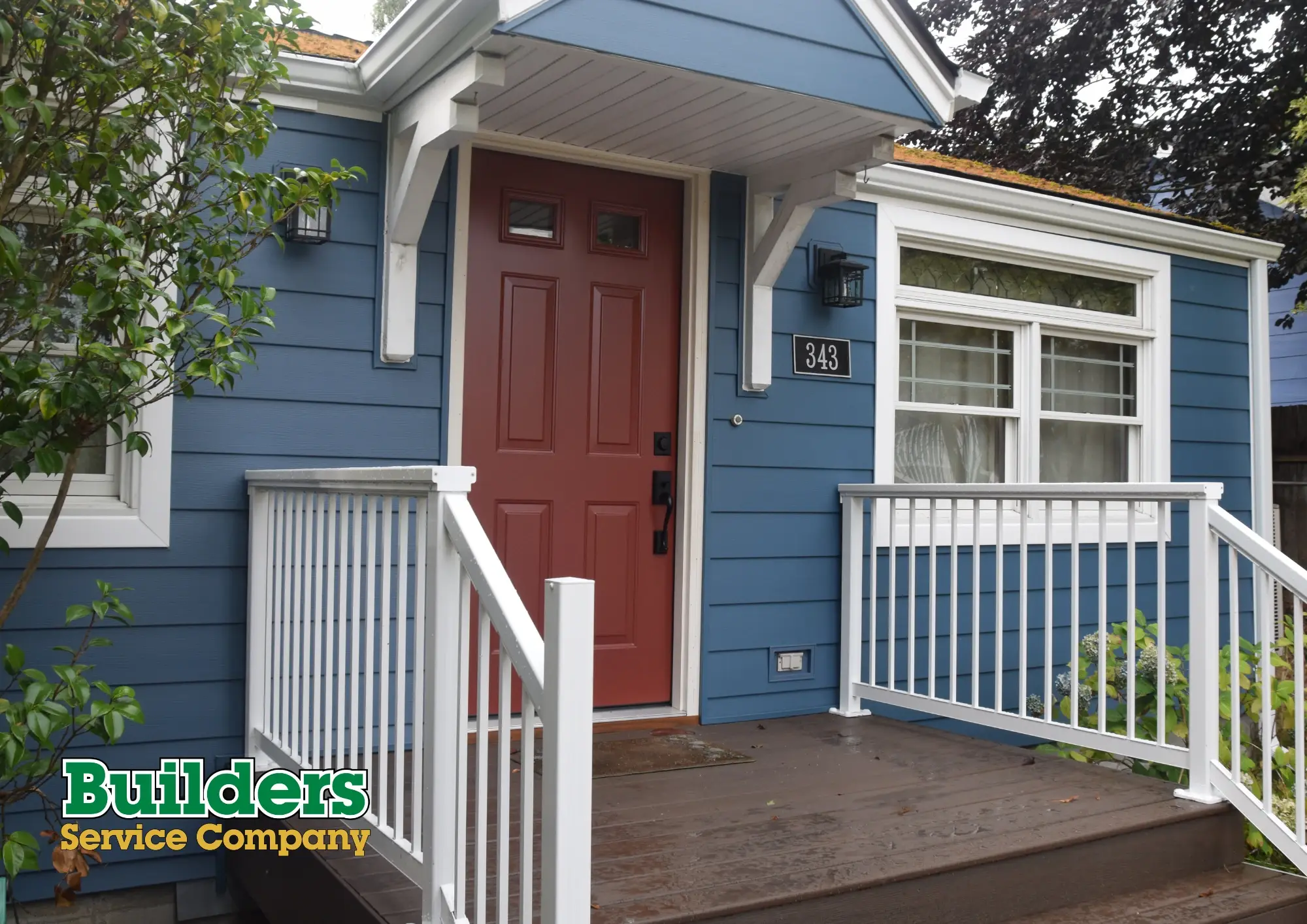
Most siding in Carnation is still the siding the house was built with. King County assessor records put the median build year of the city’s 846 single-family homes at 1996, and only 4% show a renovation on record. That original cladding has been out in the weather ever since. If you are planning siding replacement in Carnation, the year your house was built is the best clue to what is on the walls now, what may be hiding behind it, and which of the siding types we install will suit it.
What’s on Carnation homes now
Assessor records sort Carnation’s single-family homes into four building eras, and each one tends to come with a different kind of siding:
- Before 1950 (12%): likely original wood lap siding, often under old paint that may contain lead.
- 1950–79 (13%): cedar, T1-11 plywood panels or asbestos-cement shingles. Asbestos-cement shingles may contain asbestos and should be tested before removal. The Tolt Townsite plat, with 187 homes and a median build year of 1955, and Brumbaughs, at 1978, both fall in this range.
- 1980–99 (34%): the era of composite and hardboard siding. Assessor records place 17% of local homes in the 1985–96 window, when LP siding with its known history of moisture failure was widely used. Swiftwater, with a median build year of 1994, sits right in it.
- 2000 and later (41%): fiber cement or builder-grade vinyl now coming due for a first repaint or replacement. The Estates at Snoqualmie Valley Trail (2016) belongs here, while Tolt River Terrace and 85 Degrees, both at 2025, are brand new.
Census data shows 88% of homes in Carnation are detached houses, with 5% attached and 1% mobile homes, so most projects here are full residing jobs on a freestanding house. Assessor records rate 22% of homes in good or very good condition.
Choosing siding for Carnation’s conditions
We usually recommend three siding types here: vinyl, the Evergreen Shield Siding System and metal. None of them is wood, so you are done with the rot and the scrape-and-repaint cycle that comes with cedar. Here is how they line up against Carnation’s numbers.
Big walls point many owners to vinyl. Assessor records show 57% of homes in Carnation have two or more stories, and the median home has 1,920 square feet. That is a lot of wall to cover, and vinyl is the most versatile and least expensive way to do it. It comes in profiles that copy the classic look of wood clapboard, board and batten or shakes.
Electric heat favors insulated siding. Census data puts electric heat in half of local homes (50%). Where heating is costly, the Evergreen Shield Siding System earns its place, because its panels carry an insulating graphite membrane that plain vinyl lacks.
Long-term owners lean premium. With 81% of homes owner-occupied, many Carnation households are staying put and investing in the exterior. Median values run about 5% below the King County median, which keeps cost-effective vinyl in the conversation, but owners planning a premium long-term upgrade usually look at the Evergreen Shield Siding System or metal siding. Metal gives a clean, contemporary finish.
Wind and ice call for careful installation. Ice storms and east winds come with the Cascade foothills, so whichever siding you pick, we use wind-rated material and fasten it tightly at corners and edges.
Carnation’s wildfire risk is rated moderate, at the 62nd percentile statewide, below the level where we steer homes specifically toward fire-rated siding.
Stone accents finish the job. Stacked stone or stone veneer adds a durable base course along the foundation, or dresses up an entry, column or chimney, alongside any of the siding above.
We will walk your walls with you and match the siding to your house at the free in-home consultation.
Evergreen Shield Siding System in Carnation
Carnation sits in a valley flood plain under the heavier rain of the Cascade foothills, and that steady moisture shapes which product facts matter most. The Evergreen Shield Siding System uses composite panels made for water resistance, so long wet seasons, humidity, mold and mildew have far less to work on than they do with wood.
The second fact is insulation. An insulating graphite membrane gives R-2.0 thermal resistance, against R-0.61 for standard vinyl siding. Wrapped around the whole house, that extra layer counts for more in homes where heating is costly, which is why we raise it with owners comparing it against vinyl.
Signs your siding needs replacing
With 1980–99 the most common building era in Carnation, the first place to look is the bottom edge of each hardboard board. Swelling, flaking or soft spots near the drip edge mean water has gotten into the core, and paint will not fix that.
Heavy foothills rain brings its own warnings. Check the north and shaded walls for moss, green staining and soft wood near the ground, and look for rot where siding meets the trim around windows and doors.
After a winter of ice and east wind, walk the house for loose, cracked or missing pieces on the side facing the weather.
On houses built since 2000, look for builder-grade vinyl that has turned brittle, wavy or faded, a sign it is reaching the end of its first service life.
Get a free siding consultation in Carnation
Schedule a free in-home consultation or call our Seattle office at 206-430-1927. Our siding work comes with a lifetime warranty, we offer discounts for seniors, active military, veterans and first responders, and financing is available. For roofing, windows and decks too, see our Carnation home exterior services.
Carnation siding FAQ
What should I expect when removing siding from a 1980s or 1990s Carnation home?
Expect us to look closely at what is under the old siding before anything new goes on. Assessor records place 17% of Carnation homes in the 1985–96 years when LP and other hardboard siding was common, and that product has a known history of moisture failure. Once the old boards come off, we inspect the wall behind them and address any problems we find, so your new siding goes onto a sound surface.
Does Carnation's wildfire risk mean I need Class A siding?
Not necessarily. Carnation's wildfire risk is rated moderate, at the 62nd percentile statewide, which is below the range where we steer homes specifically toward Class A siding. If you want that extra protection anyway, the Evergreen Shield Siding System carries a Class A fire rating, the highest fire-resistance rating for construction materials, and stacked stone or stone veneer is noncombustible as a base course near the ground.
My house is in the old Tolt Townsite plat. What changes for an older home?
Older homes need testing before removal starts. The Tolt Townsite plat has 187 homes with a median build year of 1955, so many have siding from before 1950 or from the 1950–79 era. Pre-1950 houses may have paint that contains lead, and asbestos-cement shingles from the mid-century years may contain asbestos and should be tested before removal. We plan the tear-off around those results, then install the siding you choose.
Is vinyl or the Evergreen Shield Siding System a better fit for a two-story Carnation home?
Either can work, and the deciding factor is usually your heating bill. Assessor records show 57% of Carnation homes have two or more stories, which means a large wall area where vinyl keeps costs down. But census data shows 50% of local homes heat with electricity, and the Evergreen Shield Siding System adds R-2.0 thermal resistance compared with R-0.61 for standard vinyl. We compare both on your house during the consultation.