Duvall, WA
Siding Replacement in Duvall, WA
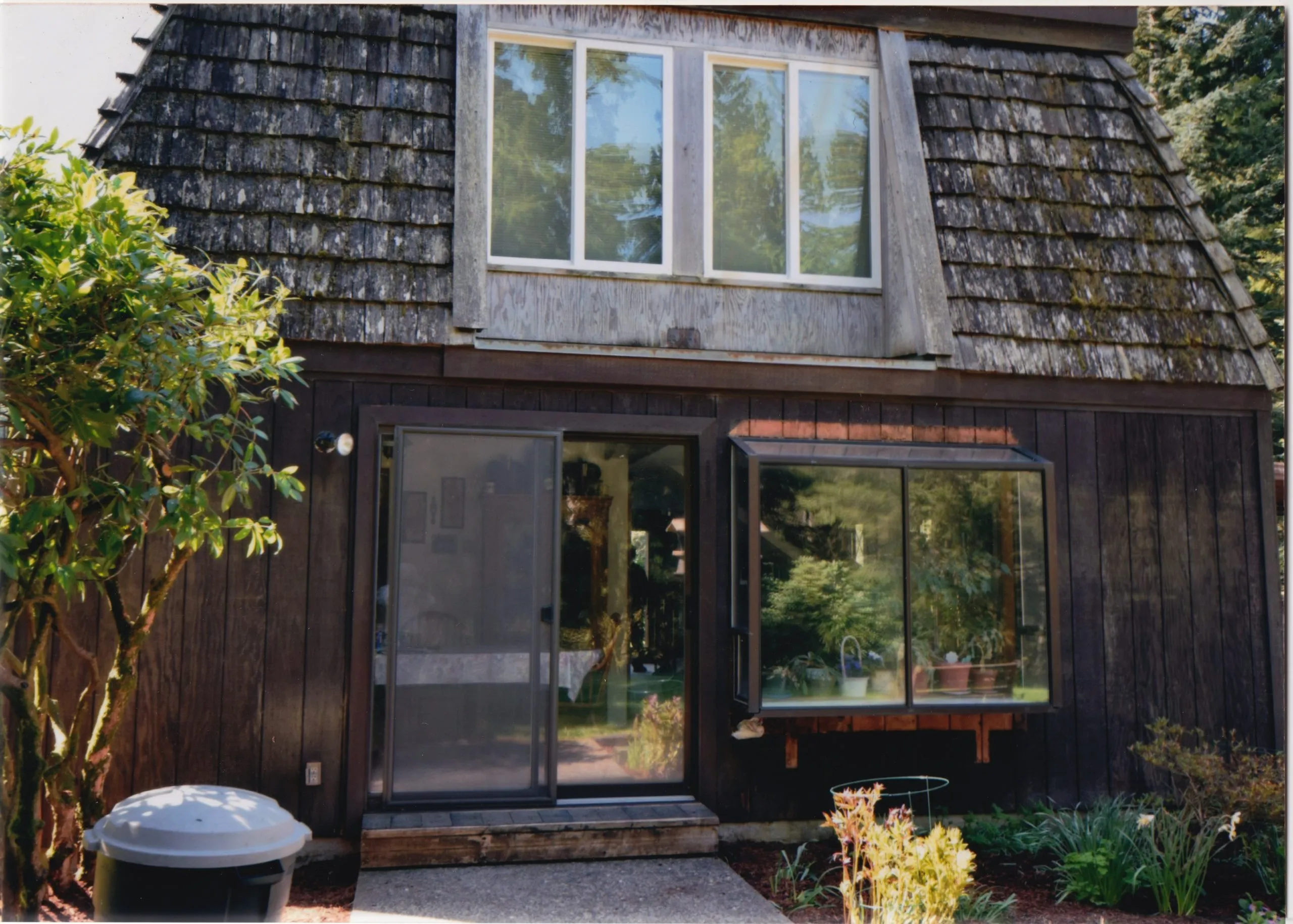
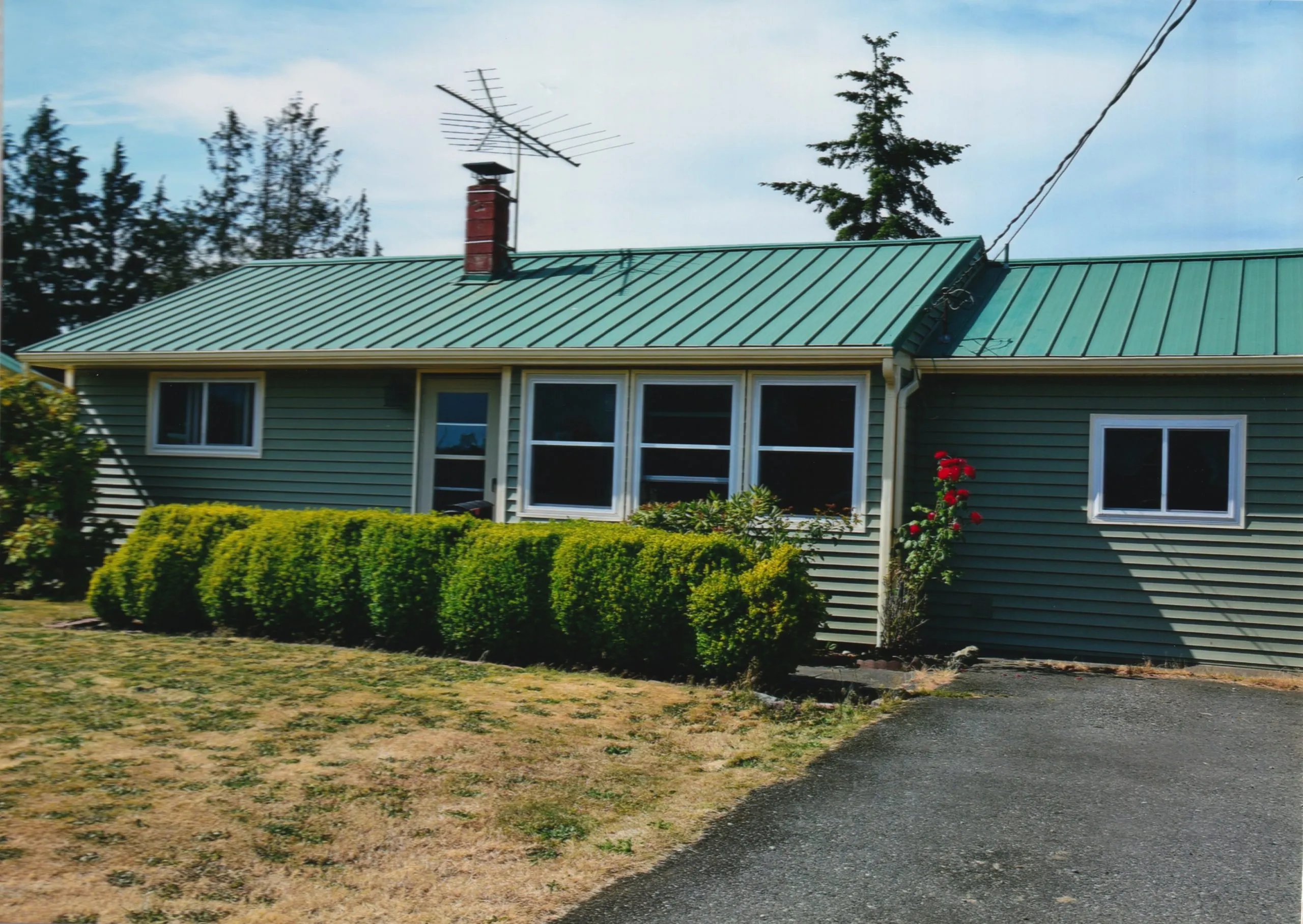
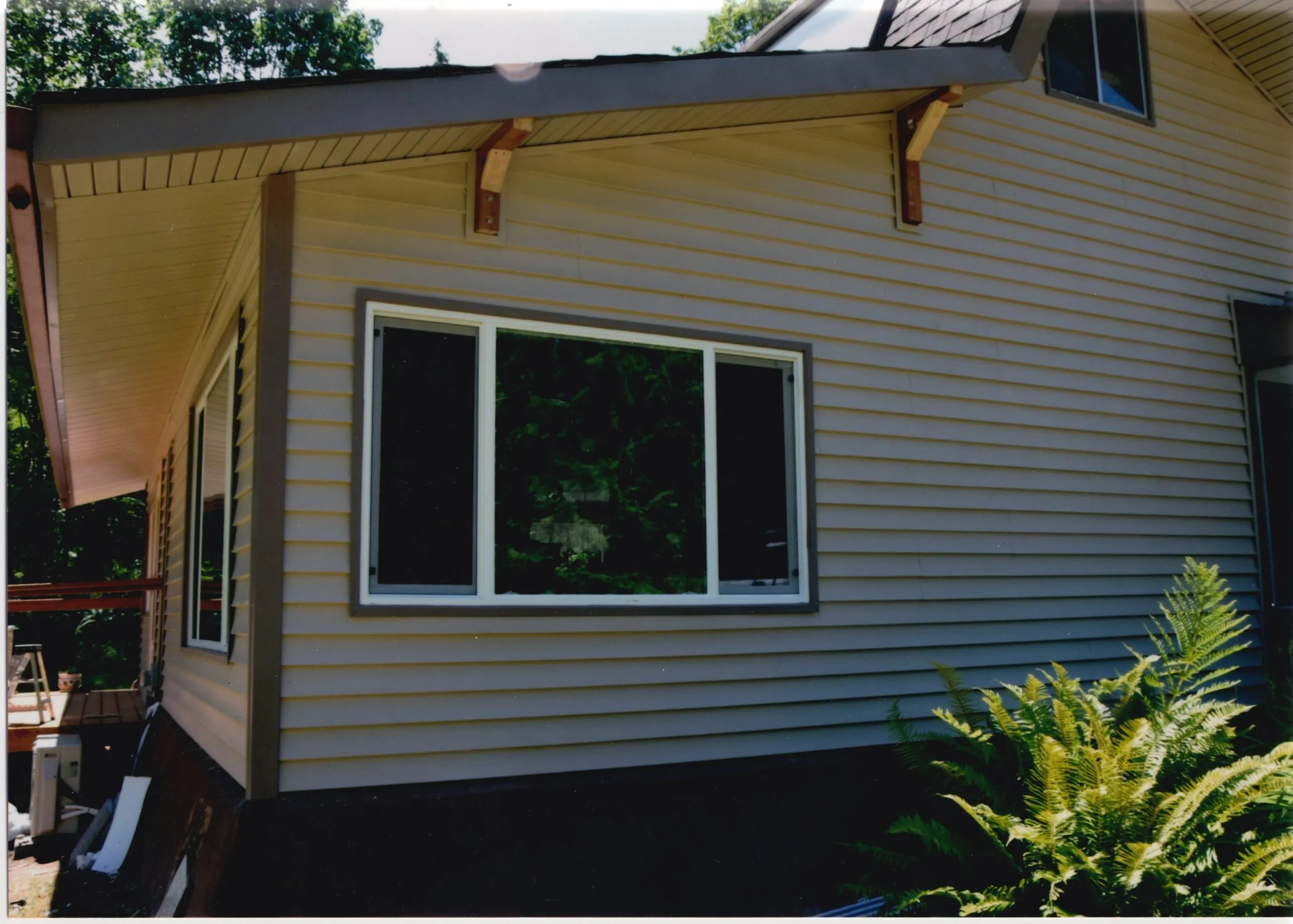
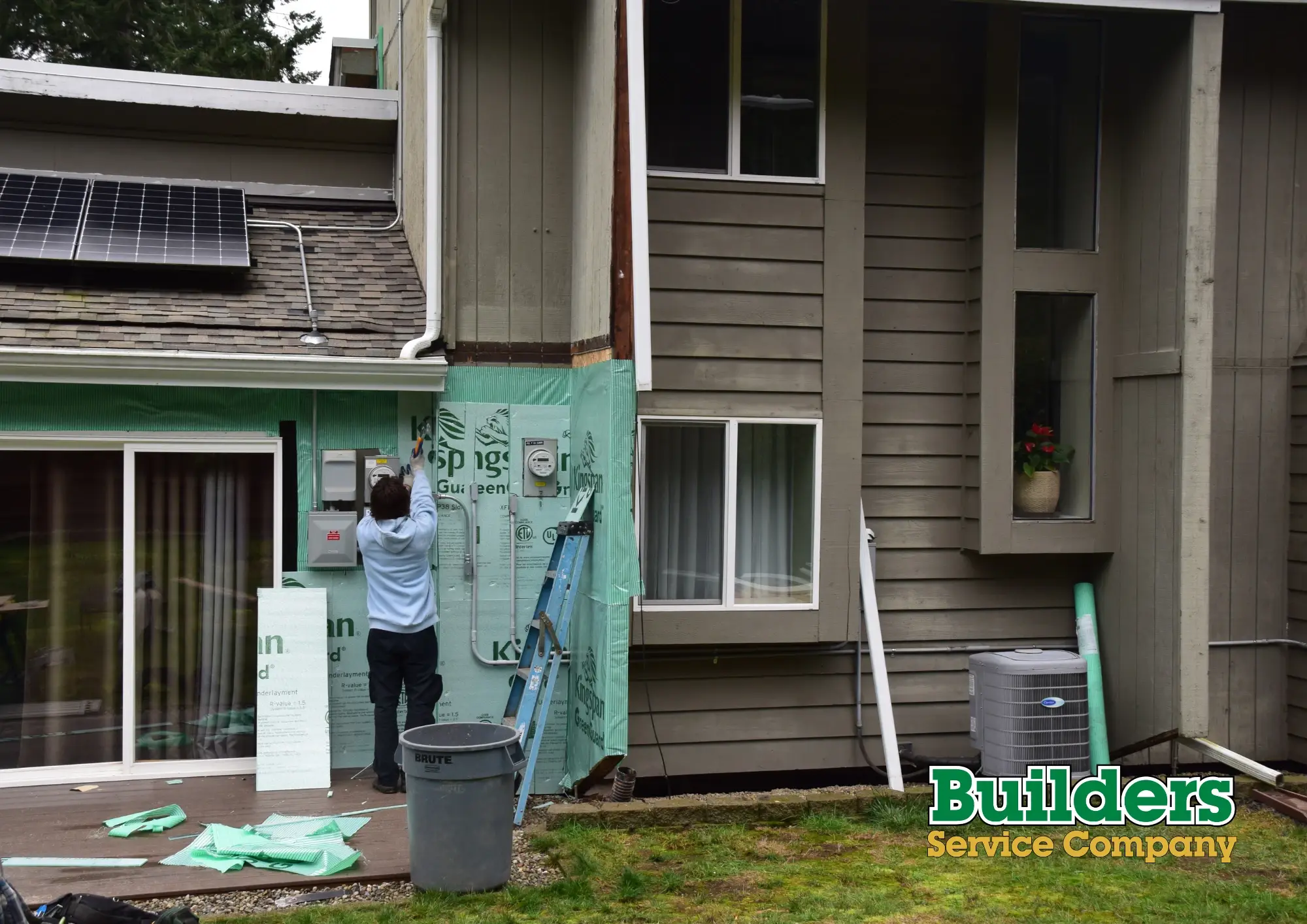
About a quarter of Duvall’s houses went up in the years when hardboard and LP lap siding were common. King County assessor records show 26% of the city’s 2,921 single-family homes were built between 1985 and 1996, and LP siding from that period has a known history of moisture failure. Where that siding is still on the walls, it is usually the first thing we look at closely. Our siding replacement work in Duvall starts with finding out what is on your walls and how it is holding up.
What’s on Duvall homes now
Duvall is a young city by housing age. The assessor puts the median single-family home at 2001, with 53% built in 2000 or later and 41% built between 1980 and 1999. Only a small share predate 1980.
That split tells you a lot about the siding:
- 1980 to 1999 houses were built in the composite and hardboard era. Many still wear that original siding, and it has now been through decades of wet winters.
- 2000 and later houses usually have fiber cement or builder-grade vinyl. Most are coming up on a first repaint or a first replacement.
- Older pockets exist too. The Duvall Plat Of area, with 180 homes, has a median build year of 1977, which points to cedar, T1-11 or asbestos-cement shingles. Asbestos-cement may contain asbestos and should be tested before removal.
Newer subdivisions are a different story. The Ridge At Big Rock (median 2023), Duvall Village (2022) and North Hill (2019) are recent enough that residing is usually years away.
Census data shows 79% of Duvall homes are detached houses, 13% are attached and 7% are mobile homes. Assessor records list almost no brick or stone exteriors, so nearly every wall in town is some form of siding. Only 1% of homes show a recorded renovation, which means most of that siding is original.
Choosing siding for Duvall’s conditions
Duvall sits in the Cascade foothills region, with more rain, ice storms and east winds. On hillside subdivisions those winds hit exposed walls hard, so we install wind-rated siding and seal the openings carefully. Good siding is your house’s first line of defense against moisture and wind, and the three types we usually recommend are all a fit for a wet climate. None of them is wood, so none of them will rot.
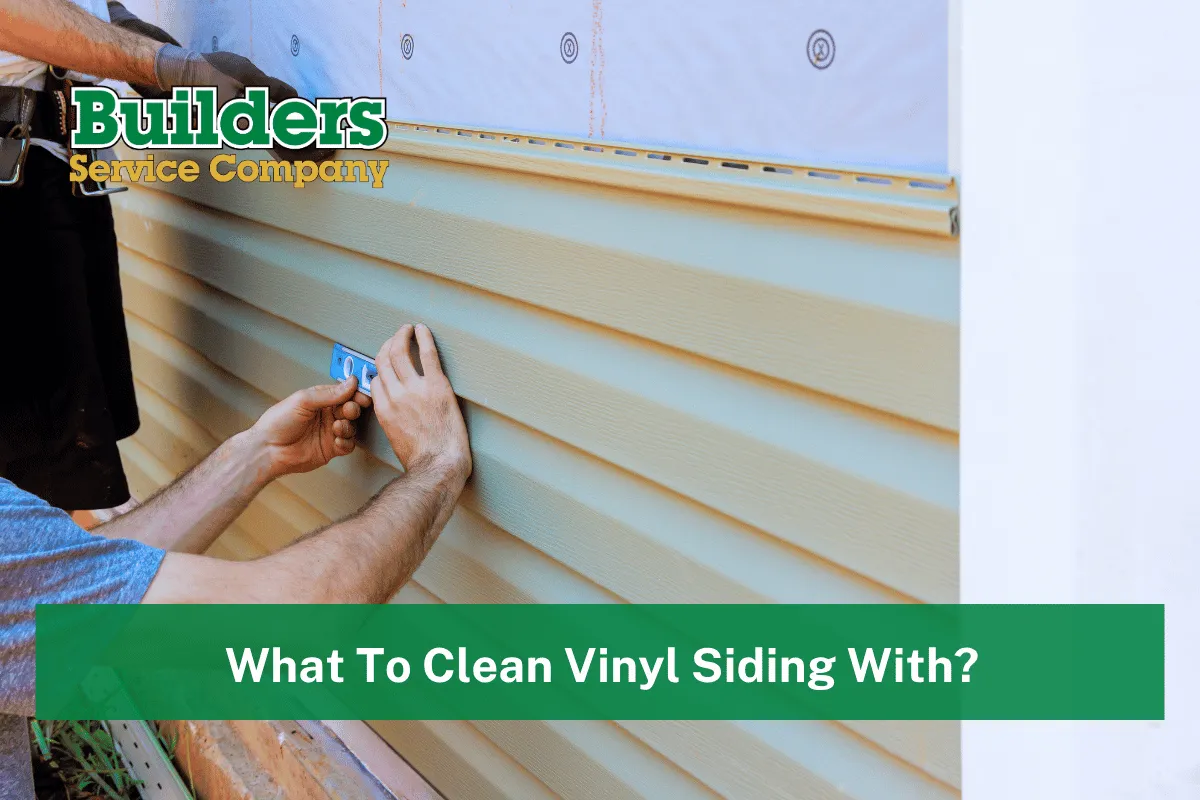
Vinyl siding is the most versatile and least expensive of the three. It makes the most sense here because of house size: the median Duvall home has 2,240 square feet, and most are two stories or taller. That is a lot of wall to cover, and vinyl keeps the cost of covering it reasonable. It also matches the budget-minded approach common in a city where values sit somewhat below the King County median.
The Evergreen Shield Siding System is our insulated composite siding. It earns a closer look in the 35% of Duvall homes that heat with electricity, since the payback from insulated siding is larger where heating costs more.
Metal siding suits owners planning a premium, long-term exterior. Assessor data shows 13% of Duvall homes are rated grade 9 or higher, the higher-end tier where owners more often choose premium materials.
Stacked stone and stone veneer add curb appeal at entries, columns and wainscots. Because almost no Duvall homes have stone or brick today, a stone base course is one of the clearest ways to set a house apart on a street of siding.
These are the types we usually recommend, not the only ones available. We look at your walls, exposure and budget, then settle on the best option for your house during the free in-home consultation.
Evergreen Shield Siding System in Duvall
Two features of the Evergreen Shield Siding System line up with Duvall’s conditions.
The first is moisture. The panels are a composite material built for water resistance against long wet seasons, humidity, mold and mildew, which matters on walls that stay damp through a long winter.
The second is heat. An insulating graphite membrane gives the siding a thermal resistance of R-2.0, compared with R-0.61 for standard vinyl siding. With about a third of Duvall homes on electric heat, that added insulation on the walls is worth weighing against the other options. We will not put a dollar figure on it, because every house is different, but we can compare it side by side with vinyl and metal on your house.
Signs your siding needs replacing
What to look for depends on when your house was built.
On a 1980s or 1990s house, check the bottom edge of each board, the drip edge, and the cuts around windows. Hardboard and LP siding that has taken in water swells there, flakes, and goes soft when pressed. Once the swelling starts, paint alone will not stop it.
On a house from 2000 on, look for builder-grade vinyl that has cracked, warped or worked loose, often on the most exposed walls. Fiber cement on houses this age tends to show faded or peeling paint and open caulk joints.
On any house here, look at the north-facing and shaded walls, where rain lingers longest, for moss, staining or soft trim. Assessor records rate just 12% of Duvall homes in good or very good condition, so many houses are ready for this inspection.
Get a free siding consultation in Duvall
Schedule a free in-home consultation through our contact page or call 206-430-1927. On the first visit we look over your current siding, talk through options and give you an estimate. Discounts are available for seniors, active military, veterans and first responders, and financing is available. For roofing, windows and decks, see our Duvall home exterior services.
Duvall siding FAQ
Which siding holds up to Duvall's east winds and ice storms?
Any of the three types we usually recommend can handle the Cascade foothills when it is installed as wind-rated siding with careful sealing at windows and trim. Vinyl siding, the Evergreen Shield Siding System and metal siding are all non-wood, so the extra rain will not rot them. On hillside lots with exposed walls, installation details matter as much as material. We choose the right one for your house during the free in-home consultation.
What should I expect when replacing siding on a 1990s Duvall home?
Expect to find hardboard or LP siding, and possibly some water damage behind it. King County assessor records show 26% of Duvall homes were built between 1985 and 1996, the LP siding era, and that siding has a known history of moisture failure. Once the old boards come off, we can see the sheathing and repair any soft spots before the new siding goes on.
My house is in the older part of Duvall. Is there anything special about removing its siding?
Possibly, if the house dates from before 1980. The Duvall Plat Of area has a median build year of 1977, and houses from 1950 to 1979 often have cedar, T1-11 or asbestos-cement shingle siding. Asbestos-cement shingles may contain asbestos and should be tested before removal. Cedar and T1-11 can come off normally, and we check the wall underneath before installing new siding.
Does wildfire risk matter for siding in Duvall?
Not much. Duvall's wildfire risk is rated Low, at the 15th percentile statewide, so rain, wind and cost usually decide the siding here. If fire resistance still matters to you, the Evergreen Shield Siding System carries a [Class A fire rating](/fire-resistant-siding), the highest fire-resistance rating for construction materials, and stone veneer accents near the ground are noncombustible. Metal siding is another option.