Everett, WA
Siding Replacement in Everett, WA
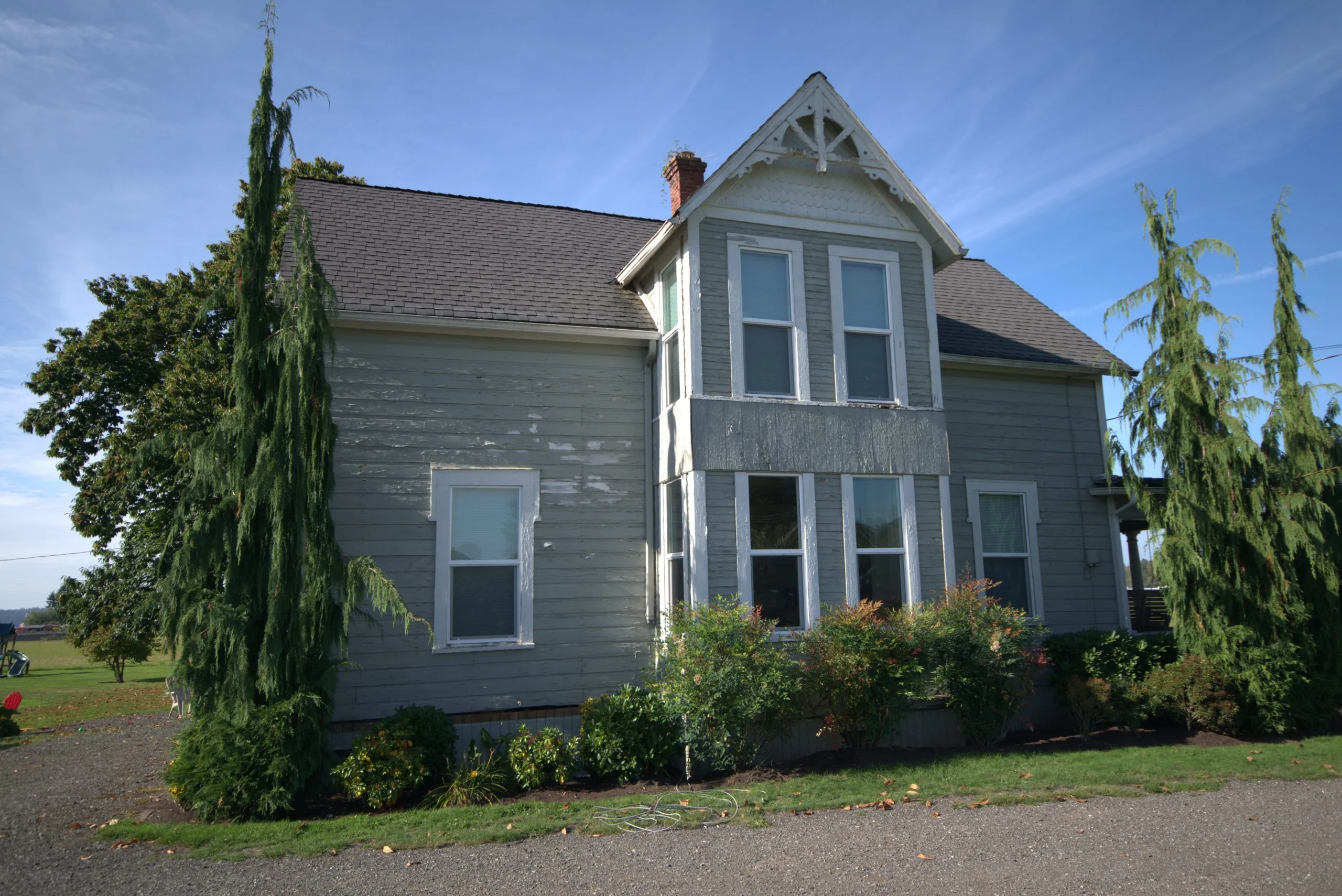
Snohomish County assessor records place 58% of Everett’s platted homes in subdivisions recorded before 1950, yet the city’s median home was built in 1981. Siding replacement in Everett starts from that split. Early-1900s wood lap and late-century hardboard both cover a lot of Everett walls, they wear out in different ways, and the right replacement depends on which one you have. Before we suggest a material, we look at what is on your house today, how old it is and how each wall is holding up.
What’s on Everett homes now
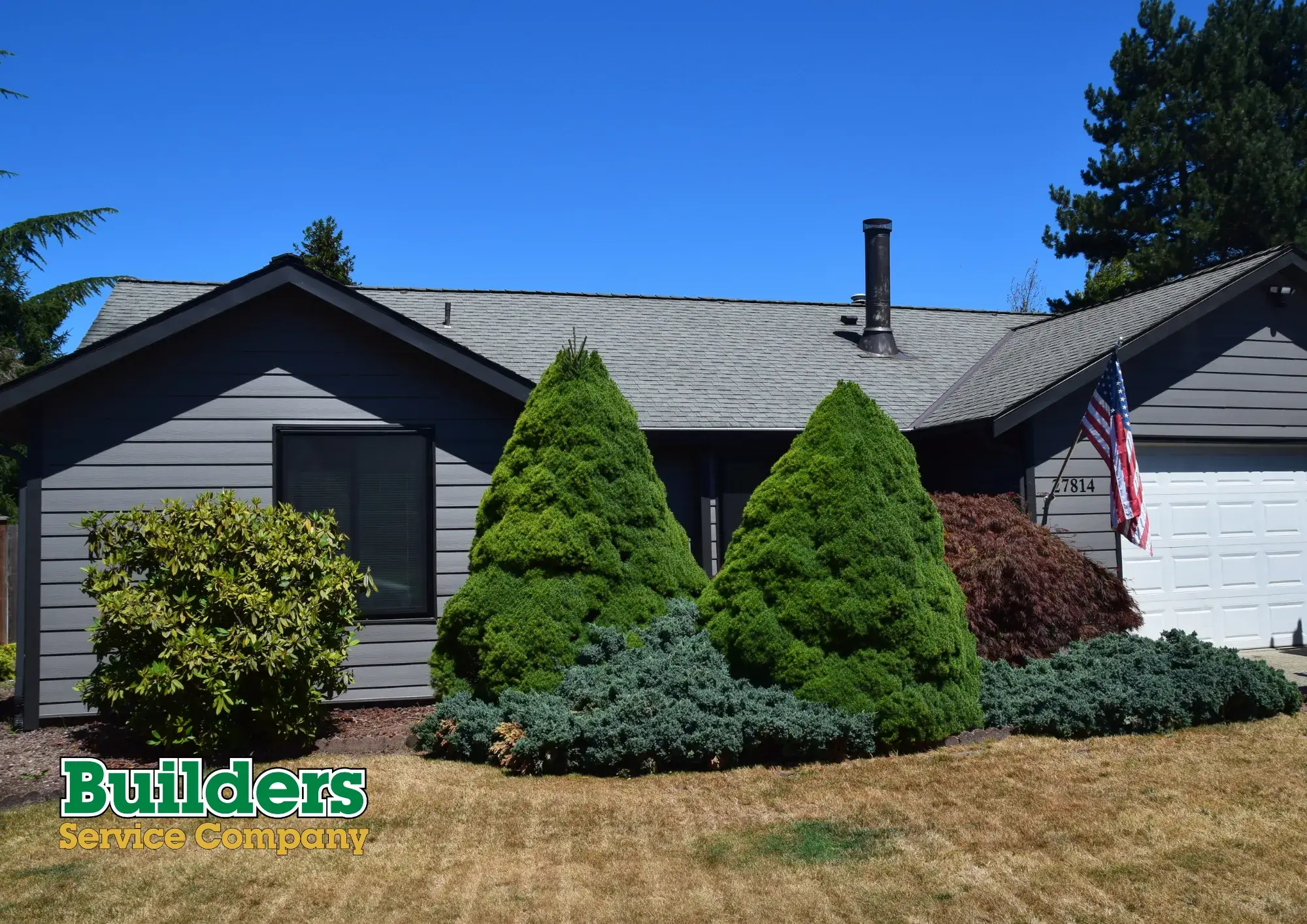
Census data shows Everett’s housing spread across four building eras, and each one points to a different siding material:
- Before 1950 (20%): likely the original wood lap siding, often under many coats of paint that may contain lead.
- 1950 to 1979 (28%): cedar, T1-11 plywood panels or asbestos-cement shingles. Asbestos-cement shingles may contain asbestos and should be tested before removal.
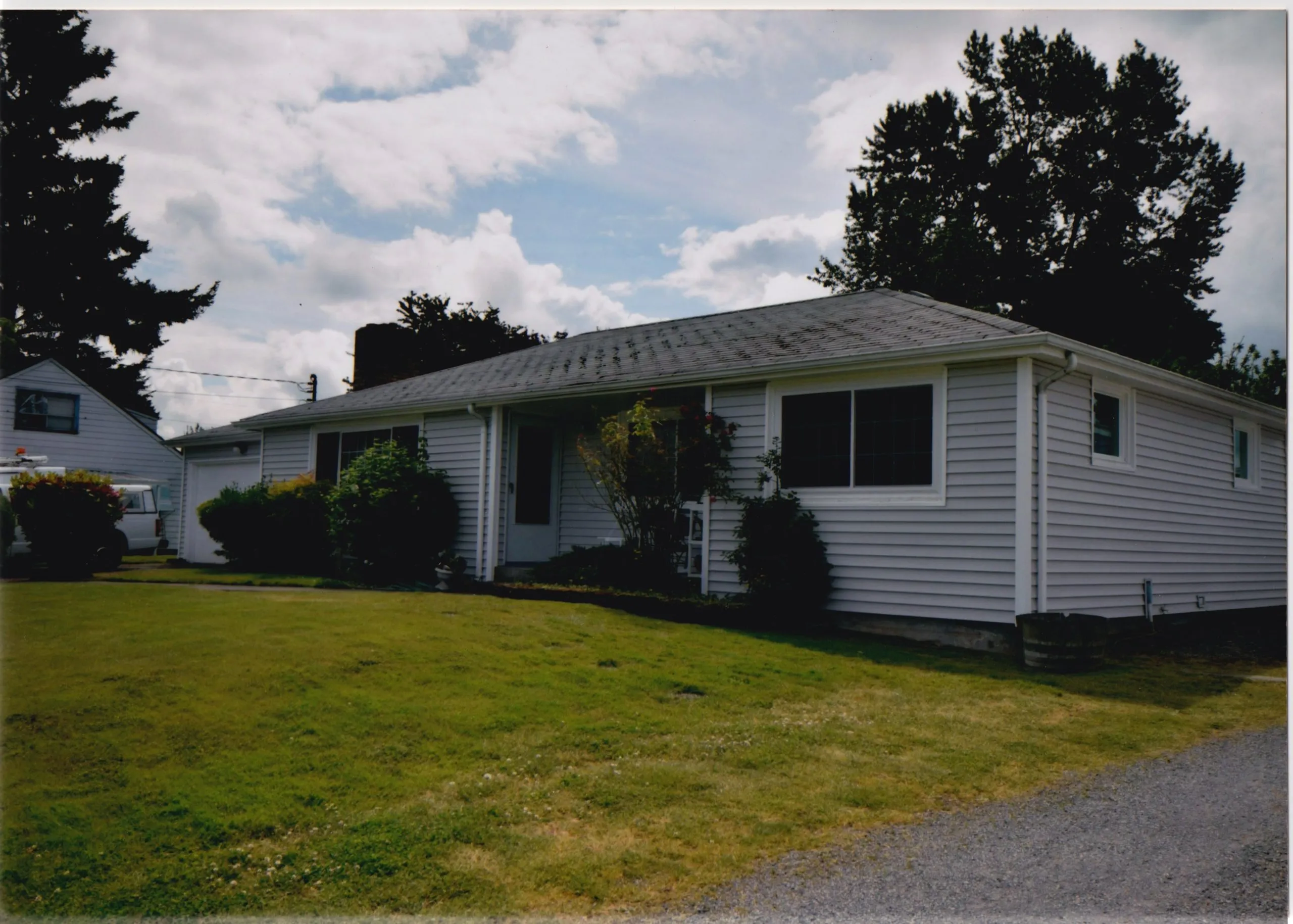
- 1980 to 1999 (31%): composite and hardboard lap siding.
- 2000 and later (21%): fiber cement or builder-grade vinyl, now reaching its first repaint or replacement.
The oldest neighborhoods hold the most original wood. Median build years run from 1909 in Pinehurst and 1910 in the Ready Land Co S 1st Add plat to 1921 in Maple Heights, 1923 in Laurel Heights and 1930 in Intercity. Valley View, with a median of 1968, falls in the cedar and T1-11 years.
Detached houses make up 44% of Everett’s housing, attached homes 17% and mobile homes 3%. The county assessor counts 18,791 detached single-family homes in the city, on a median lot of 0.17 acres.
Choosing siding for Everett’s conditions
Everett gets moderate Puget Sound rain, and north-facing walls are where moss and rot settle in. Vinyl, the Evergreen Shield Siding System and metal are the three types we usually recommend here, and all three are non-wood products, so rot has nothing to feed on. Unlike cedar, none of them needs repainting after a wet winter. Which one fits your house comes down to budget, heating and the look you want:
- Vinyl siding for whole-house value. Everett’s median home value is about $565,000, roughly 13% below the Snohomish County median. Vinyl is the most versatile and least expensive option, which makes it the practical choice when the goal is to cover every wall of the house well.
- The Evergreen Shield Siding System for electric-heated homes. Census data shows 68% of Everett homes heat with electricity, supplied by Snohomish County PUD. Where heating is costly, insulated siding pays back more, and this is our insulated composite option.
- Metal siding for a modern exterior. If your home is valued above the county median, or you are planning a long-term upgrade with clean, contemporary lines, metal is the premium alternative to the Evergreen Shield Siding System.
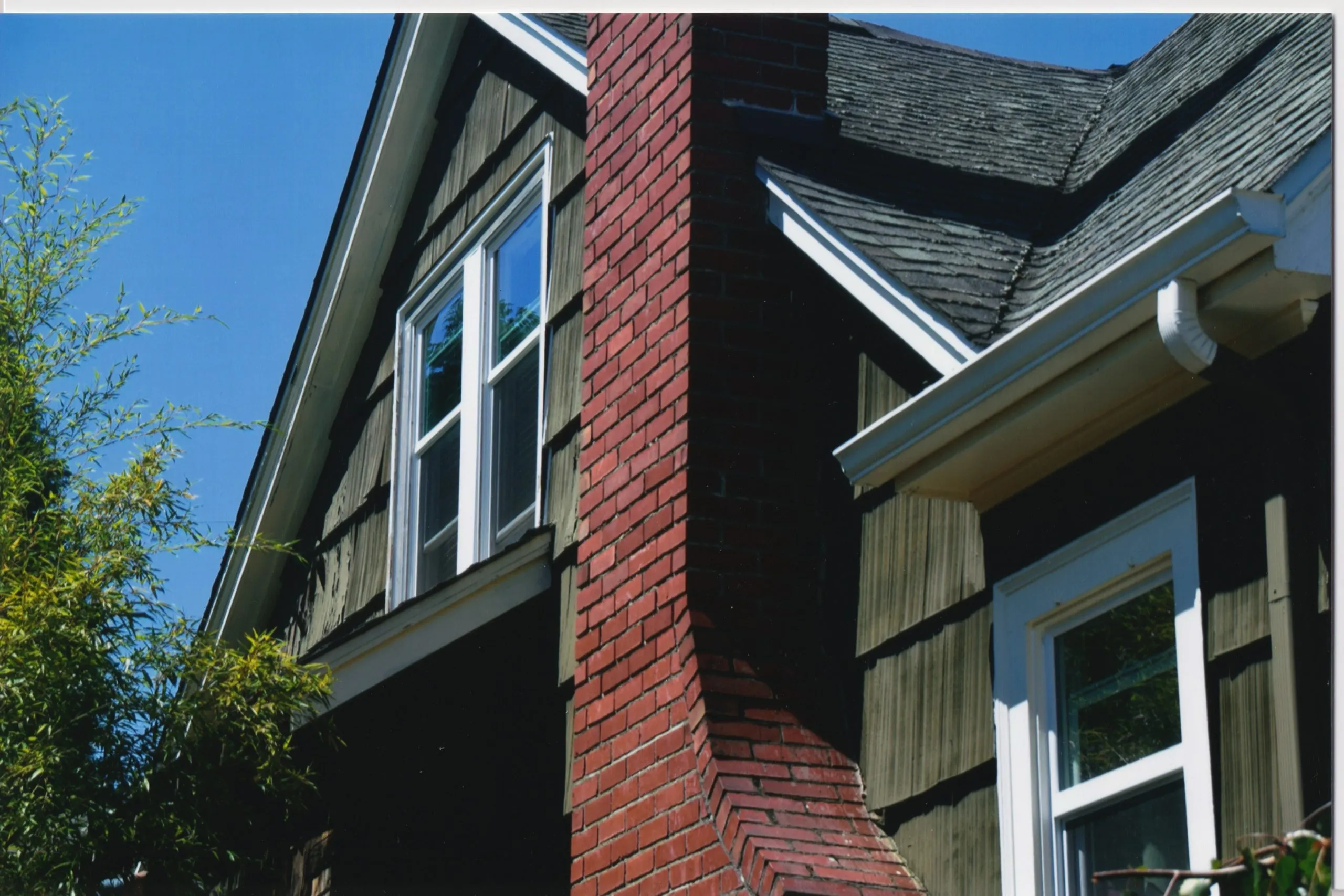
- Stacked stone or stone veneer as an accent. Paired with any of the three, stone veneer dresses up a front entry, porch columns or a chimney, and it gives the bottom of the wall a durable base course.
The best option for your house is something we settle together during the free in-home consultation, after we have seen every side of it.
Evergreen Shield Siding System in Everett
The Evergreen Shield Siding System is our exclusive insulated composite siding, designed for Pacific Northwest weather. Two of its features line up with what Everett homes deal with.
First, the composite panels are built for water resistance through long wet seasons, humidity, mold and mildew, which is the everyday reality for siding in a Puget Sound city.
Second, an insulating graphite membrane gives the panels thermal resistance of R-2.0, compared with R-0.61 for standard vinyl siding. With electricity heating most homes in the city, that extra insulation sits on the walls where the heat escapes. For owners replacing worn siding on an electric-heated house, it is the upgrade we suggest pricing out alongside vinyl.
Signs your siding needs replacing
In Everett, the warning signs follow the age of the house and the direction a wall faces:
- Swollen bottom edges on 1980s and 1990s lap boards. Hardboard from the city’s dominant building era soaks up water at the drip edge and where boards overlap, then softens, bulges or flakes. LP siding from those years has a known history of moisture failure.
- Moss, dark streaks or soft spots on north walls. These faces stay damp longest, and rot behind the boards can be further along than the surface shows.
- Worn trim and loose boards on walls facing marine wind. Homes on north and west slopes take the most of it.
- Split or weathered cedar and T1-11 on houses from the 1950s through the 1970s, especially at panel edges and seams.
- Paint that will not stay on old wood lap, even after scraping and repainting.
Get a free siding consultation in Everett
Schedule a free in-home consultation and we will inspect your current siding for wear and damage, check for rot underneath, and walk you through the options for your walls. Call 206-430-1927 or contact us online. Ask about our lifetime warranty, financing and discounts for seniors, active military, veterans and first responders. You can also see all of our Everett home exterior services.
Everett siding FAQ
Is vinyl or the Evergreen Shield Siding System the better fit for an Everett home?
It depends mostly on your budget and how long you plan to stay. Vinyl is the most versatile and least expensive option, which helps in a city where the median home value runs about 13% below the Snohomish County median. The Evergreen Shield Siding System is the premium, insulated upgrade, with R-2.0 thermal resistance compared with R-0.61 for standard vinyl. We compare both for your walls at the free in-home consultation.
What happens when you remove 1980s or 1990s hardboard siding?
We take the old boards off carefully and check the sheathing and framing underneath before anything new goes up. Hardboard and LP siding from those decades can hold moisture against the wall for years, so when rot repair is needed, we handle it before the new siding is installed. The wall is then prepared, the new siding goes on, and we finish with cleanup and a final inspection.
My house is in Pinehurst or Laurel Heights. What siding is likely on it now?
Most likely the original wood lap siding. Homes in Pinehurst have a median build year of 1909 and those in Laurel Heights 1923, and houses from before 1950 often carry many layers of paint that may contain lead. We note that during the consultation. Replacing the wood lap with vinyl, the Evergreen Shield Siding System or metal ends the cycle of scraping and repainting on the parts of the house that weather worst.
Does wildfire risk change which siding I should choose in Everett?
Usually not. Everett's wildfire risk is rated Low, at the 44th percentile in Washington, so rain, budget and heating costs tend to decide the material. If fire resistance still matters to you, the Evergreen Shield Siding System carries a Class A fire rating, the highest fire-resistance rating for construction materials, and metal siding is another option. Stone veneer accents near the ground are noncombustible as well.
Do homes on Everett's north and west slopes need anything different?
They need the same siding with extra attention to the details. Marine wind reaches homes on north- and west-facing slopes, so those walls take more weather than sheltered ones. On those exposures we pay close attention to the trim around windows and doors and to gutters that carry water away from the wall, because a tight seal at those edges is what keeps the new siding performing.