Medina, WA
Siding Replacement in Medina, WA
King County assessor records rate only 32% of Medina’s 1,151 single-family homes in good or very good condition, even though 75% are built to a higher-end grade of 9 or above. On many of those houses, the exterior walls are where the work is. Census data shows 45% of homes here were built between 1950 and 1979, the era of cedar and T1-11 siding, and assessor records show only 19% with a recorded renovation. Below is what is on Medina houses now, which siding fits them, and the signs that replacement is due.
What’s on Medina homes now
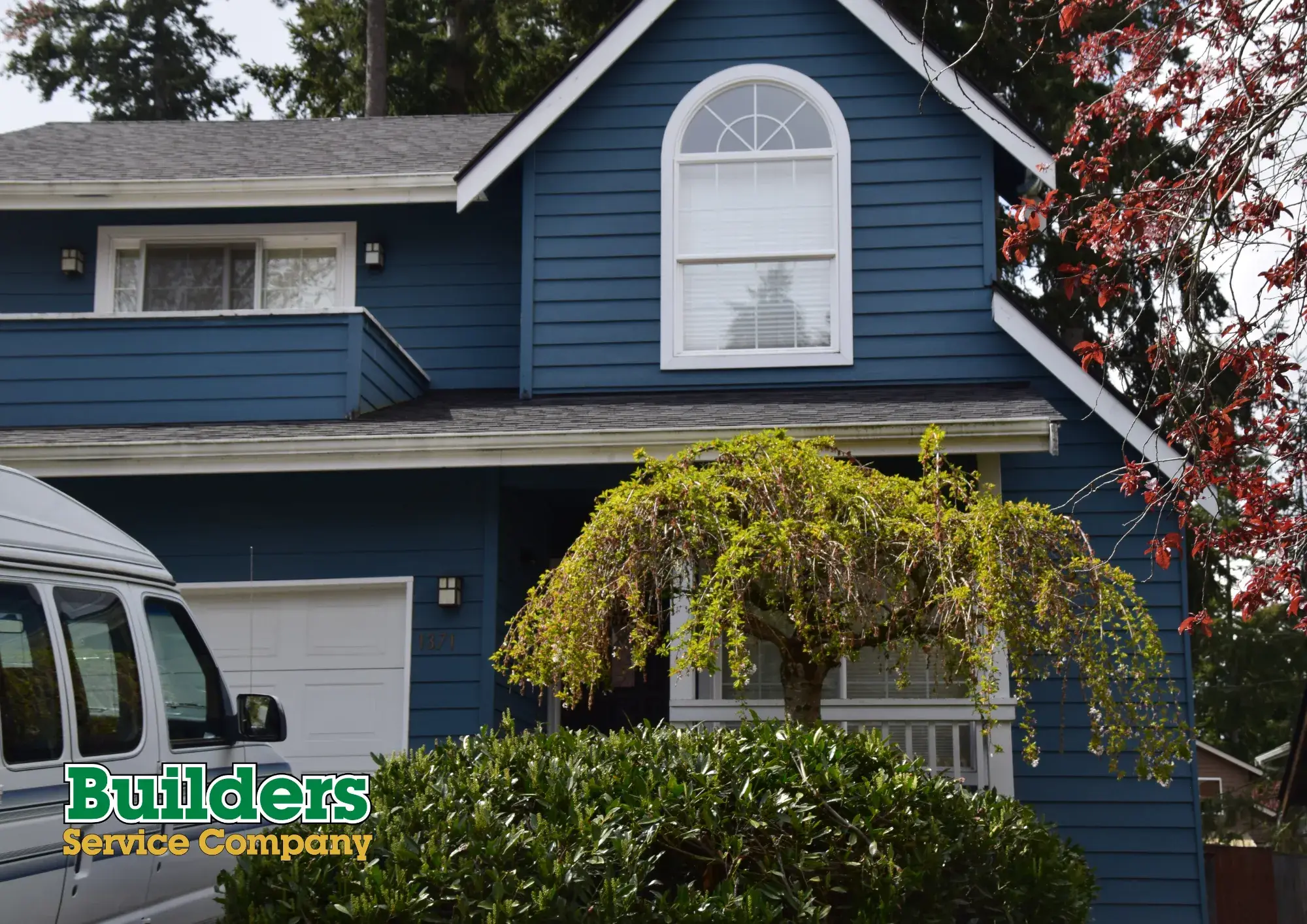
Medina is a city of houses: Census data shows 99% of homes are detached single-family. The housing stock spans four eras, and each one tends to carry a different exterior.
- Before 1950 (13%): likely the original wood lap siding. Paint on homes this old may contain lead.
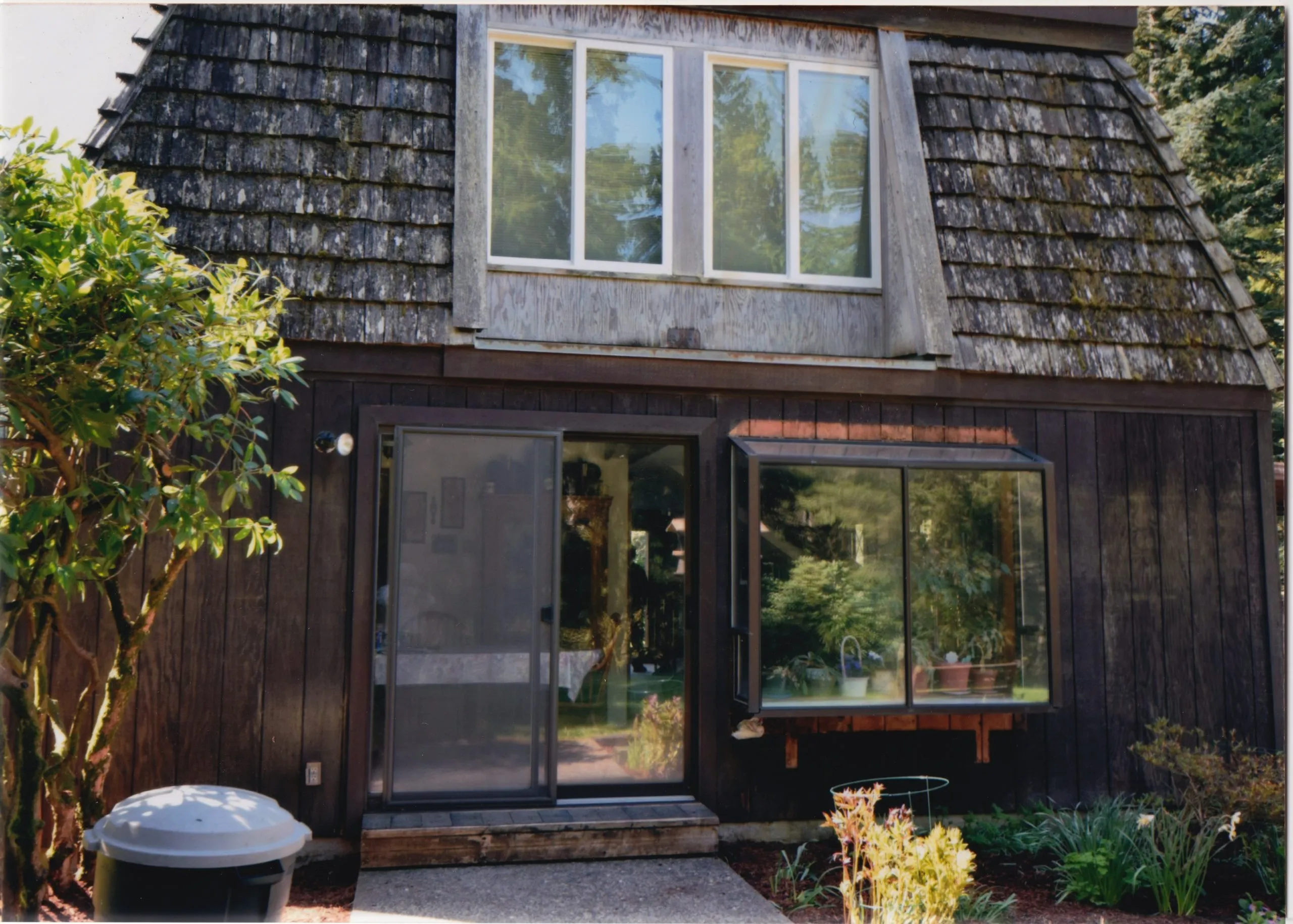
- 1950 to 1979 (45%): cedar, T1-11 plywood panels or asbestos-cement shingles. Asbestos-cement shingles may contain asbestos and should be tested before removal.
- 1980 to 1999 (22%): composite and hardboard siding. Assessor records put 12% of homes in the 1985–96 window, when LP siding, which has a known history of moisture failure, went up.
- 2000 and later (20%): fiber cement or builder-grade vinyl reaching its first repaint or replacement.
The assessor’s count runs a little newer than the Census figures, with a median build year of 1979 rather than 1973 and 30% of homes dated 2000 or later.
Plat records show how the eras sit on the map. Overlake Add has a median build year of 1956 and Medina Manor Add To Bellevue 1963. Herrons Add, the largest plat with 165 homes, has a median of 1977. Kenwood Park Add and Rolfes Evergreen Point Trs both come in at 1987, squarely in the hardboard era.
Only 11% of homes show brick or stone anywhere on the exterior, so on most Medina houses the siding is the entire wall.
Choosing siding for Medina’s conditions
The three siding types we usually recommend here are vinyl, metal and the Evergreen Shield Siding System, with stacked stone or stone veneer as accents. None of the three is wood, so none of them will rot in a rainy climate. The right choice for your house gets settled at the free in-home consultation, but Medina’s data points in a few clear directions.
Higher-end homes lean toward the Evergreen Shield Siding System or metal. Census data puts the median home value at about $2,000,000, and assessor records grade 75% of homes at 9 or above. Owners of homes in this range more often choose premium materials. Metal siding gives a clean, modern line. The Evergreen Shield Siding System is a composite built for water resistance through long wet seasons, humidity, mold and mildew.
Vinyl keeps large walls within budget. The median single-family home here is 3,830 square feet, and 58% have two or more stories. That is a lot of wall to cover, and vinyl is the most versatile and least expensive of the three.
Waterfront lots need the right hardware. Assessor records list 15% of Medina homes as waterfront. On those lots, vinyl or the Evergreen Shield Siding System is the better fit, installed with corrosion-resistant fasteners and flashing.
Stone belongs at the base and entry. A stacked stone wainscot, or stone veneer around the front door or on a chimney, gives the lowest part of the wall a durable face and breaks up a large field of siding.
Fire rating is rarely what decides it here. Medina’s wildfire risk is rated low, at the 18th percentile statewide, so moisture, wall size and appearance carry more weight. Appearance also has to clear design review, which is strict in Medina, so plan for your color and profile to be reviewed before work starts.
Evergreen Shield Siding System in Medina
For owners planning to stay, the Evergreen Shield Siding System adds insulation to the wall itself. Its graphite membrane gives a thermal resistance of R-2.0, compared with R-0.61 for standard vinyl siding. Census data shows 20% of Medina homes heat with electricity, and a few more with oil or propane; insulated siding pays back more where heating is costly. With 80% of homes owner-occupied, many households here will be in the house long enough to see that benefit.
The panels come in 20 built-in, fade-resistant colors that resist chipping, peeling and fading, so the finish never needs repainting. On a tall house, that means no scaffolding for a repaint later.
Signs your siding needs replacing
On Medina’s 1950s to 1970s houses, start with the north and shaded walls. Cedar there can hold moss, and soft or split boards near the ground and under windows point to rot. Replacement makes sense once the siding shows rot, warping or cracks, because a single crack can let water behind the siding and lead to mold, mildew and damaged wall framing.
On homes from the 1980s and 1990s, look along the bottom edge of each course. Hardboard that swells at the drip edge or around nail heads is the typical sign of LP-era moisture failure, and painting over it does not stop the water.
On any era, peeling paint that returns within a season or two, or gaps at trim and window edges, mean water is getting in.
Get a free siding consultation in Medina
Schedule a free in-home consultation through our contact page or call 206-430-1927. We also serve Clyde Hill, Hunts Point and Beaux Arts Village. Ask about financing and our discounts for seniors, active military, veterans and first responders; our work carries a lifetime warranty. For roofing, windows and decks, see our Medina home exterior services.
Medina siding FAQ
Which siding type holds up best in Medina?
Any of the three types we usually recommend will hold up, because vinyl, metal and the Evergreen Shield Siding System are all non-wood and won't rot in a rainy climate. The better question is which fits your house. On large walls, vinyl keeps the cost down. On higher-end homes, owners more often pick the Evergreen Shield Siding System or metal. On the 15% of lots that are waterfront, we lean toward vinyl or the Evergreen Shield Siding System with corrosion-resistant fasteners and flashing.
Will my new siding color need design review approval?
It may, so check before you order. Medina has strict design review, and HOA review of exterior changes is common on the Eastside. Plan for your color and profile choice to go through any required review before installation starts. At the free in-home consultation we bring samples so you can compare options against your neighborhood's requirements and settle the choice early. We cannot promise an approval, but an early choice keeps the project from stalling.
What should I expect when removing siding from a 1950s to 1970s home?
Expect cedar, T1-11 panels or asbestos-cement shingles under the old paint, since those were the common materials of that era. Asbestos-cement shingles may contain asbestos and should be tested before removal, so we check for them before tear-off is scheduled. Once the old siding is off, any rot in the sheathing behind it can be seen and repaired before the new siding goes on. We discuss what we find with you before covering it up.
My Medina home was built in the late 1980s. Should I worry about the siding?
It is worth a close look. King County assessor records place 12% of Medina homes in the 1985–96 window, when hardboard siding with a known history of moisture failure, including LP siding, was widely installed. Kenwood Park Add and Rolfes Evergreen Point Trs both have a median build year of 1987. Check the bottom edges and nail lines for swelling or soft spots. If you find them, replacement with a non-wood siding is usually the lasting fix.
Is insulated siding worth it if my home heats with gas?
It can be, but for different reasons. Census data shows 78% of Medina homes heat with gas, and the insulation payback is larger where heating is costly, such as electric, oil or propane. The Evergreen Shield Siding System still adds R-2.0 of thermal resistance, compared with R-0.61 for standard vinyl siding. For gas-heated homes, the colors built into the panel, which never need repainting, are often the bigger draw. We'll talk through both at the consultation.