Normandy Park, WA
Siding Replacement in Normandy Park, WA
Census data shows that 71% of Normandy Park homes were built from 1950 to 1979, and the median home dates to 1962. On many of those houses the siding is the wall the builder put up, repainted through decades of wet Puget Sound winters. If you have been reading about insulated vinyl siding, the comparison that matters here is standard vinyl against the Evergreen Shield Siding System, our insulated composite panel, with metal siding as a third choice. This page walks through how each one fits a Normandy Park house.
What’s on Normandy Park homes now
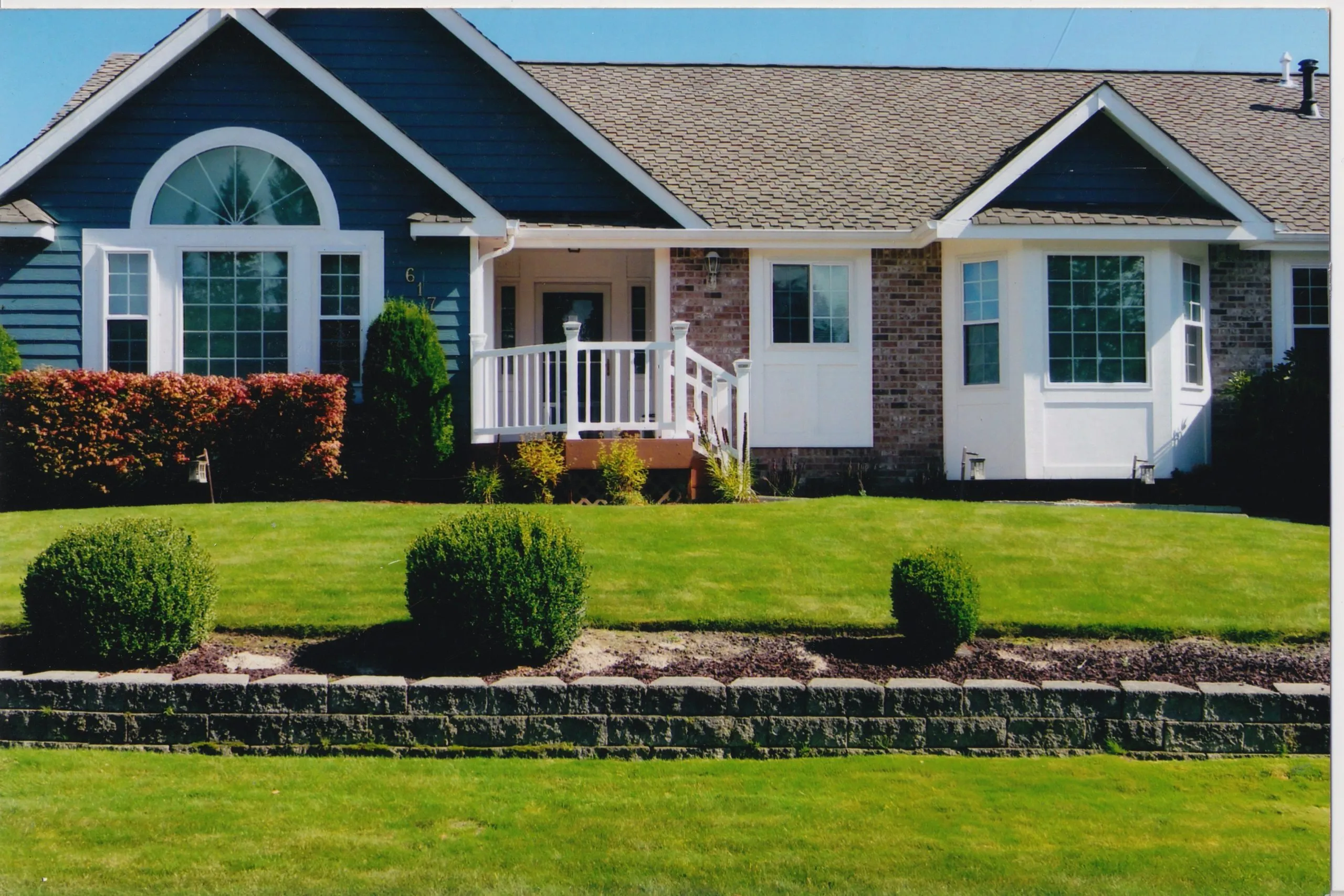
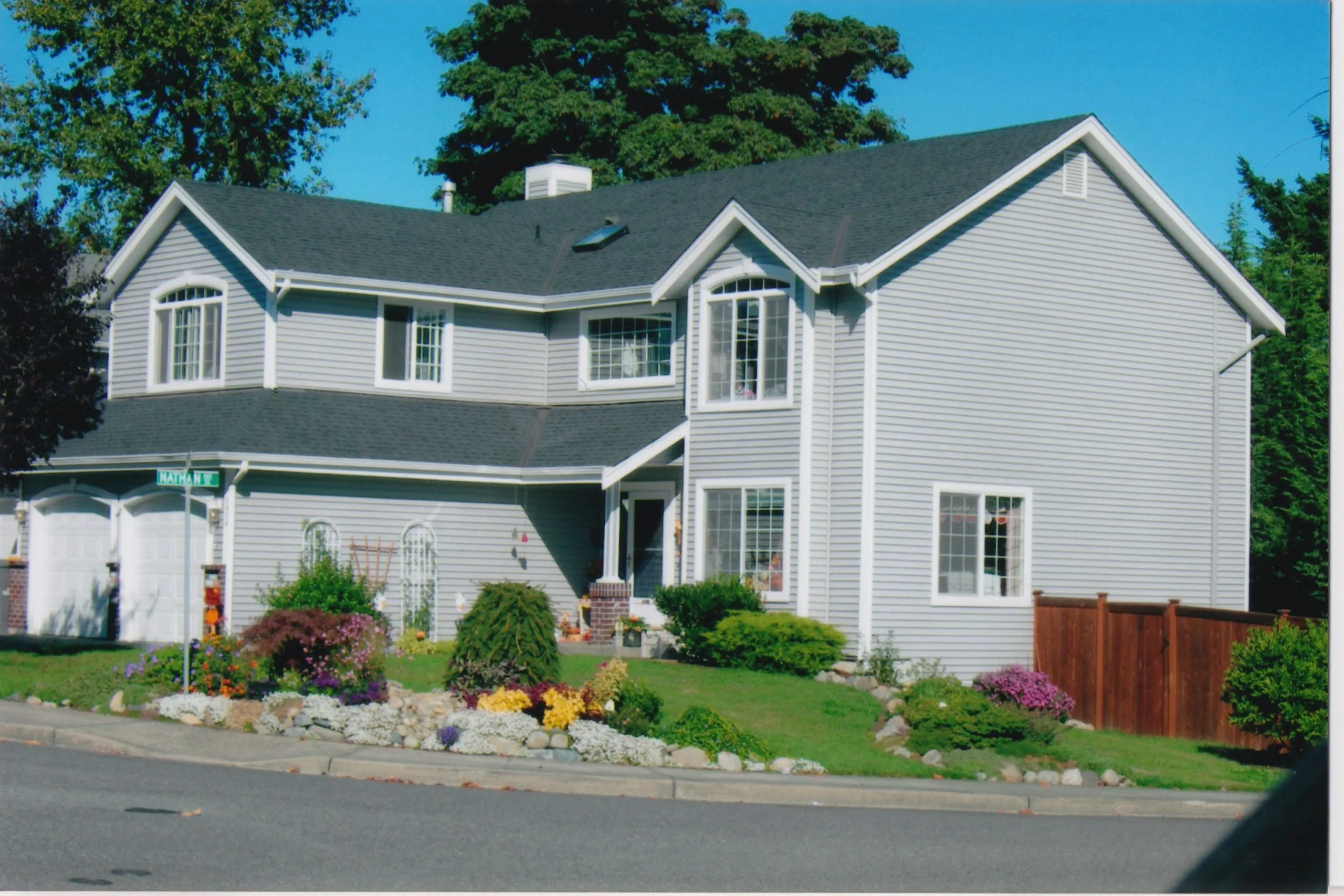
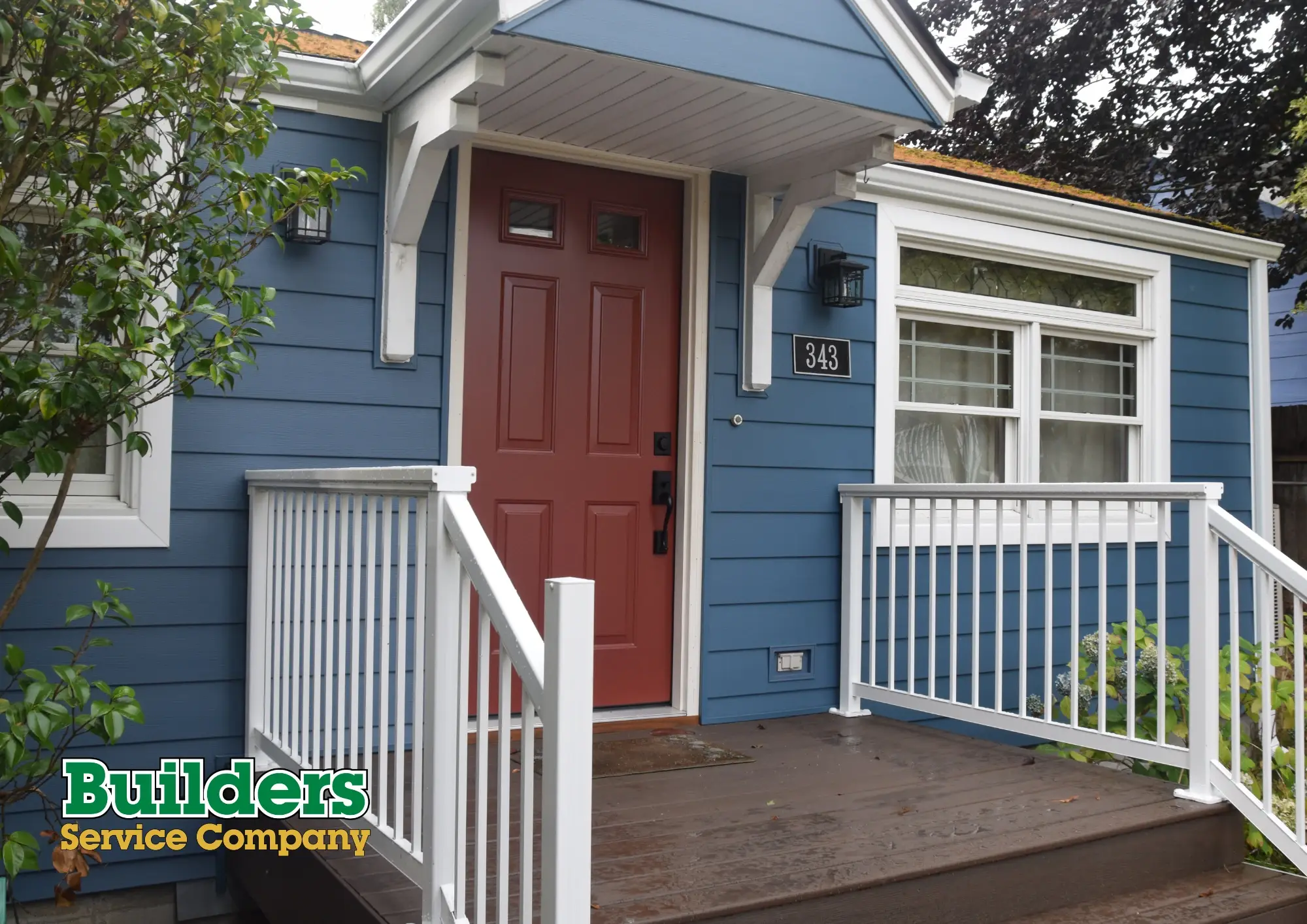
King County assessor records list 2,281 single-family homes in Normandy Park, with a median build year of 1960, and 67% of them date from 1950 to 1979. Houses from that era usually went up with cedar, T1-11 plywood panels or asbestos-cement shingles. Asbestos-cement shingles may contain asbestos and should be tested before removal, so we identify them before any tear-off is planned.
The neighborhood records show the same mid-century pattern. Normandy Park Riviera, the largest neighborhood in the data with 465 homes, has a median build year of 1956. Normandy Park Highlands Assessors Plat is older still, with 133 homes and a median of 1952, while Beaconsfield On Sound (1962) and Manhattan View (1961) sit squarely in the same period. Normandy Province is the exception. Its 52 homes have a median build year of 1990, the era of composite and hardboard siding.
About 12% of homes predate 1950. Those likely started with wood lap siding, and older paint layers may contain lead. Census data shows 84% of housing units are detached houses, so most projects here cover a full single-family exterior. Assessor records rate 57% of homes in good or very good condition, and 9% show a recorded renovation.
Choosing siding for Normandy Park’s conditions
Moderate rain and shaded north walls are the main stress on siding in Normandy Park. Wildfire risk is rated low, at the 35th percentile statewide, so moisture, wall size and heating cost drive most decisions. All three siding types we usually recommend share one advantage: none of them is wood. Unlike the cedar on many mid-century houses here, they won’t rot where moss holds water against the wall.
Vinyl for large walls and tighter budgets
Vinyl is the most versatile and least expensive of the three. The median single-family home in assessor records has 2,490 square feet, and on a house that size vinyl keeps a full residing project within a practical budget. It comes in a variety of styles and colors to suit your home’s architecture. Vinyl also holds up to salt air, which matters on waterfront lots and homes close to the Sound.
Evergreen Shield Siding System for homes with costly heat
If insulated vinyl siding is what you came looking for, this is the option to compare. It is a composite panel rather than vinyl, with an insulating graphite membrane rated R-2.0, against R-0.61 for standard vinyl. Census data shows 30% of Normandy Park homes heat with electricity and 11% with oil, and payback from insulated siding is larger where heating costs more. It is also a good fit for salt-air exposure.
Metal siding for higher-value homes
Home values in Normandy Park run about 10% above the King County median. Owners of homes in that range more often choose metal siding or the Evergreen Shield Siding System, both longer-term upgrades over standard vinyl.
Stone veneer accents
Stacked stone and stone veneer are accents, used with the siding above rather than in place of it. They work at entries, columns and chimneys, or as a wainscot along the base of the wall. On the 26% of homes with two or more stories, a stone base course adds weight at the bottom of a tall elevation. The right mix for your house is settled at the free in-home consultation.
Evergreen Shield Siding System in Normandy Park
The Evergreen Shield Siding System is our own insulated composite siding, designed for the Pacific Northwest climate. Two of its features match what Normandy Park walls face. The composite is built for water resistance through long wet seasons, humidity, mold and mildew. And the panels come in 20 built-in, fade-resistant colors that resist chipping, peeling and fading, so there is no repainting. If you have repainted a mid-century wood wall every few years, that ends the cycle. With 83% of homes owner-occupied, many owners here plan to stay for the long term, and that is where a premium upgrade like this makes the most sense.
Signs your siding needs replacing
On a 1950s or 1960s Normandy Park house, start with the north and shaded walls. Moss on the siding means the surface is holding moisture, and soft or darkened wood along the bottom courses often follows. Look for cedar boards that are split or cupped, and for T1-11 panels that are delaminating at the lower edge where rain splashes back. Paint that peels soon after a new coat is another sign the wood underneath stays wet.
Homes built from 1985 to 1996, about 9% of houses in assessor records, need a different check. Press on the lower edge of the hardboard or LP lap boards. Swelling, softness or crumbling at the drip edge points to the moisture failure that siding is known for, and patching rarely stops it from spreading.
Get a free siding consultation in Normandy Park
Schedule a free in-home consultation and we’ll guide you through the process, from the first walk-around to final installation. Call our Seattle office at 206-430-1927 or contact us online. We offer a lifetime warranty, financing, and discounts for seniors, active military, veterans and first responders. You can also see all of our Normandy Park home exterior services.
Normandy Park siding FAQ
Which siding holds up best to Normandy Park's rain and moss?
Any of the three types we usually recommend will hold up better than an aging wood wall, because vinyl, metal and the Evergreen Shield Siding System are not wood and won't rot. Normandy Park's moderate rain is hardest on mid-century cedar and T1-11, which fail first where they stay damp. The Evergreen Shield Siding System adds a composite built for water resistance, mold and mildew. We help you pick between them at the free in-home consultation.
Is insulated siding worth it for a Normandy Park home?
It can be, especially if you heat with electricity or oil. Census data shows 30% of homes here use electric heat and 11% use oil, and payback from insulated siding is larger where heating is costly. The Evergreen Shield Siding System has an insulating graphite membrane rated R-2.0, compared with R-0.61 for standard vinyl. Homes heated with gas see a smaller payback.
What should I expect when removing siding from a 1950s or 1960s house?
Expect to find cedar, T1-11 or asbestos-cement shingles, since 67% of single-family homes in assessor records date from 1950 to 1979. Asbestos-cement shingles may contain asbestos and should be tested before removal. Once the old siding is off, we inspect the sheathing behind it before the new wall goes on.
Does living near the water change which siding I should choose?
Yes. Assessor records list 5% of Normandy Park homes as waterfront, and salt air on those lots favors vinyl or the Evergreen Shield Siding System. Near the water we also use corrosion-resistant fasteners and flashing, with finishes rated for marine exposure. Your exposure and the condition of your current walls are what we look at during the free in-home consultation before recommending a material.
My home in Normandy Province was built around 1990. What siding is likely on it?
Homes from that period often have composite or hardboard siding, including LP siding, which has a known history of moisture failure. Normandy Province has 52 homes with a median build year of 1990, so many fall in that era. Check the lower edges of the boards for swelling or crumbling. If the damage is spreading, replacement with vinyl, metal or the Evergreen Shield Siding System is the lasting fix.