Lake Stevens, WA
Siding in Lake Stevens, WA
Siding for Lake Stevens homes, from Builders Service Company.
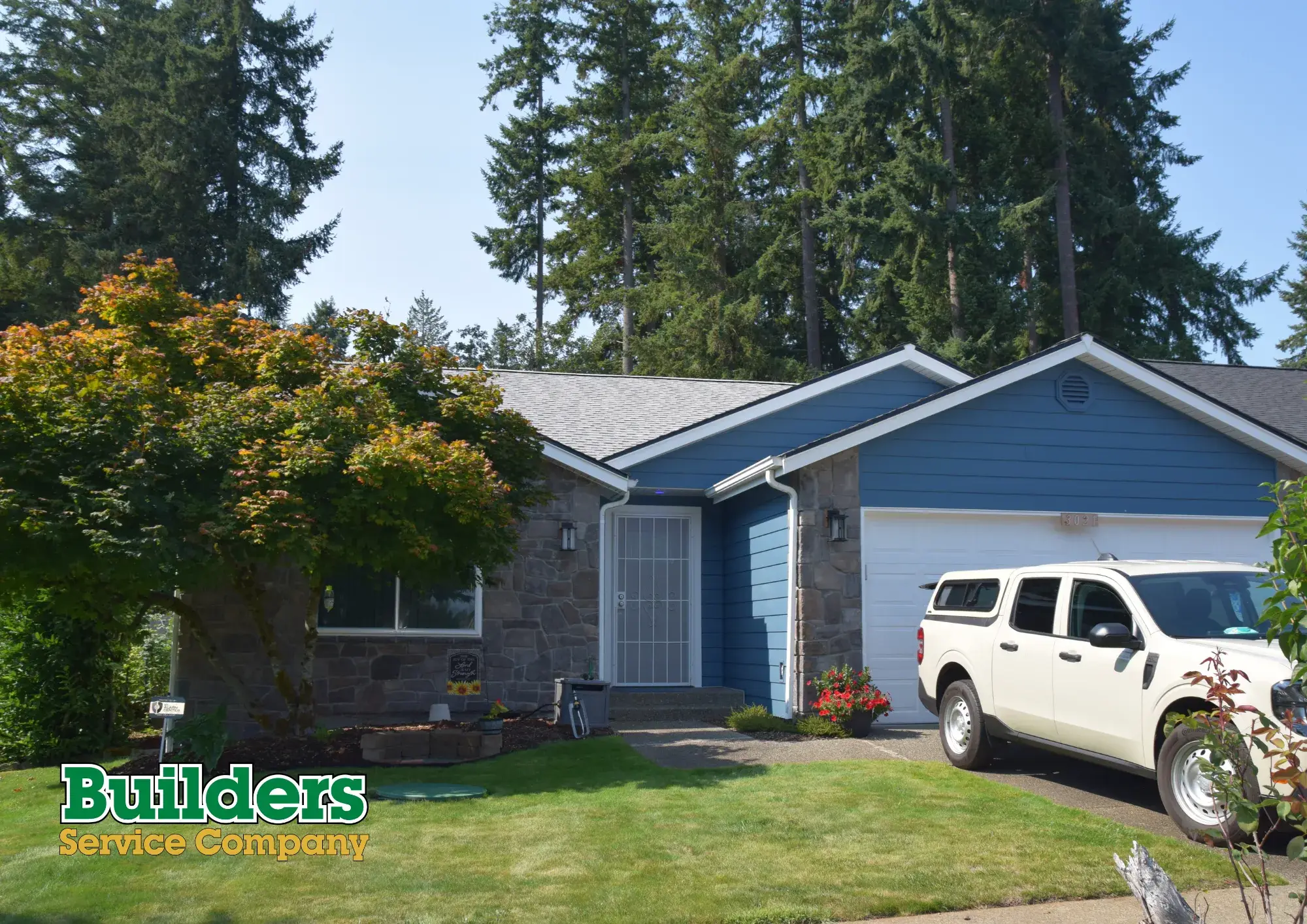
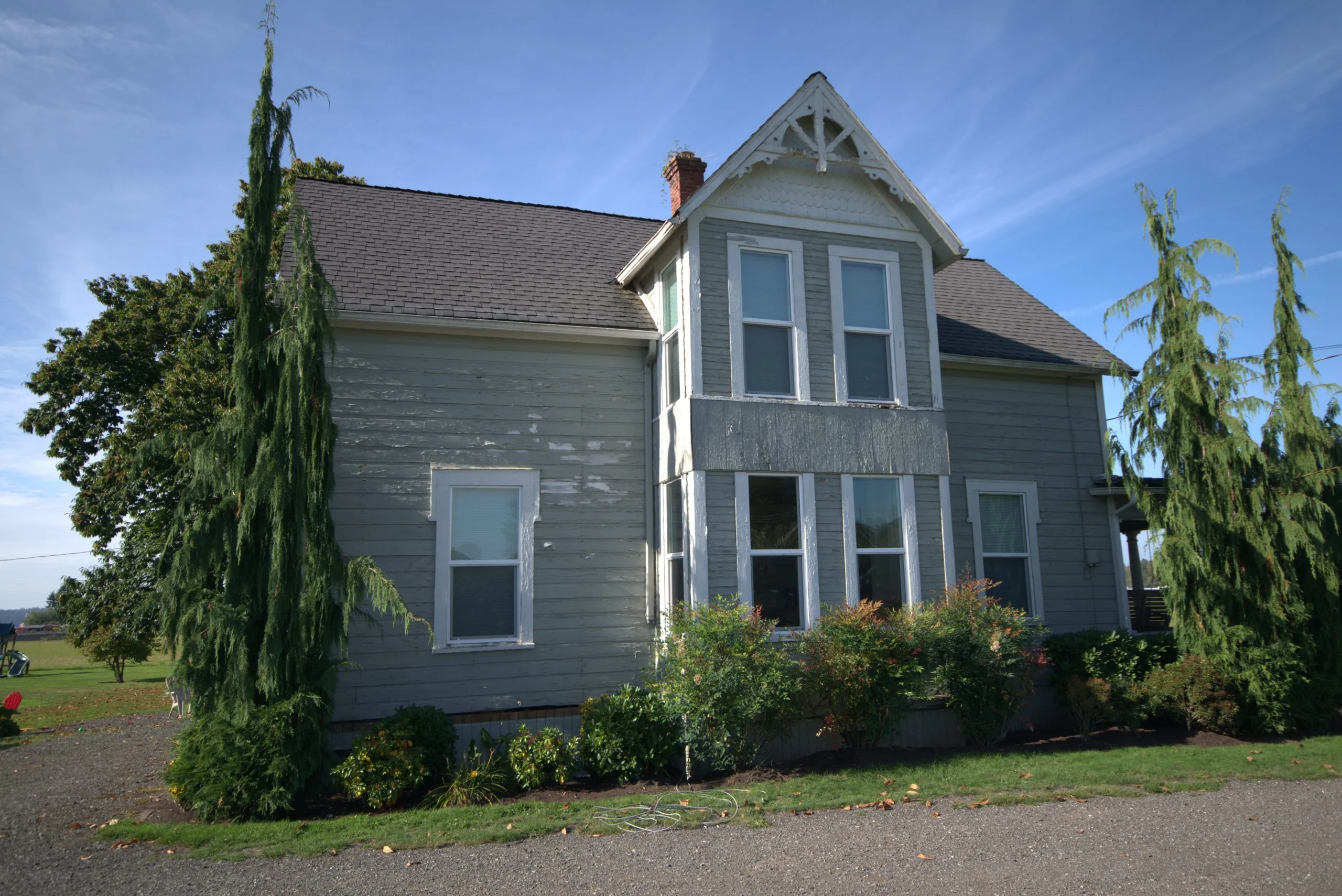
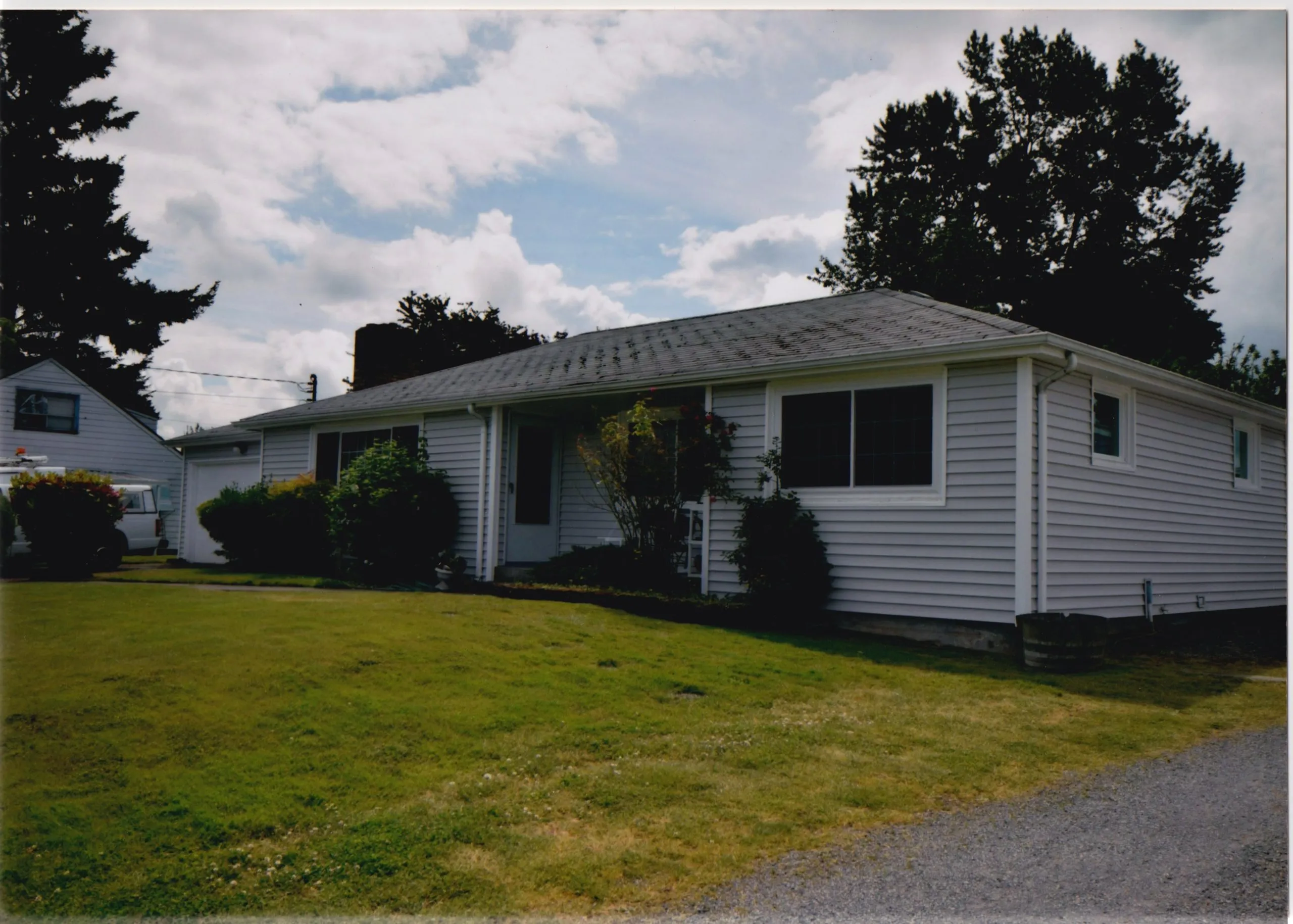
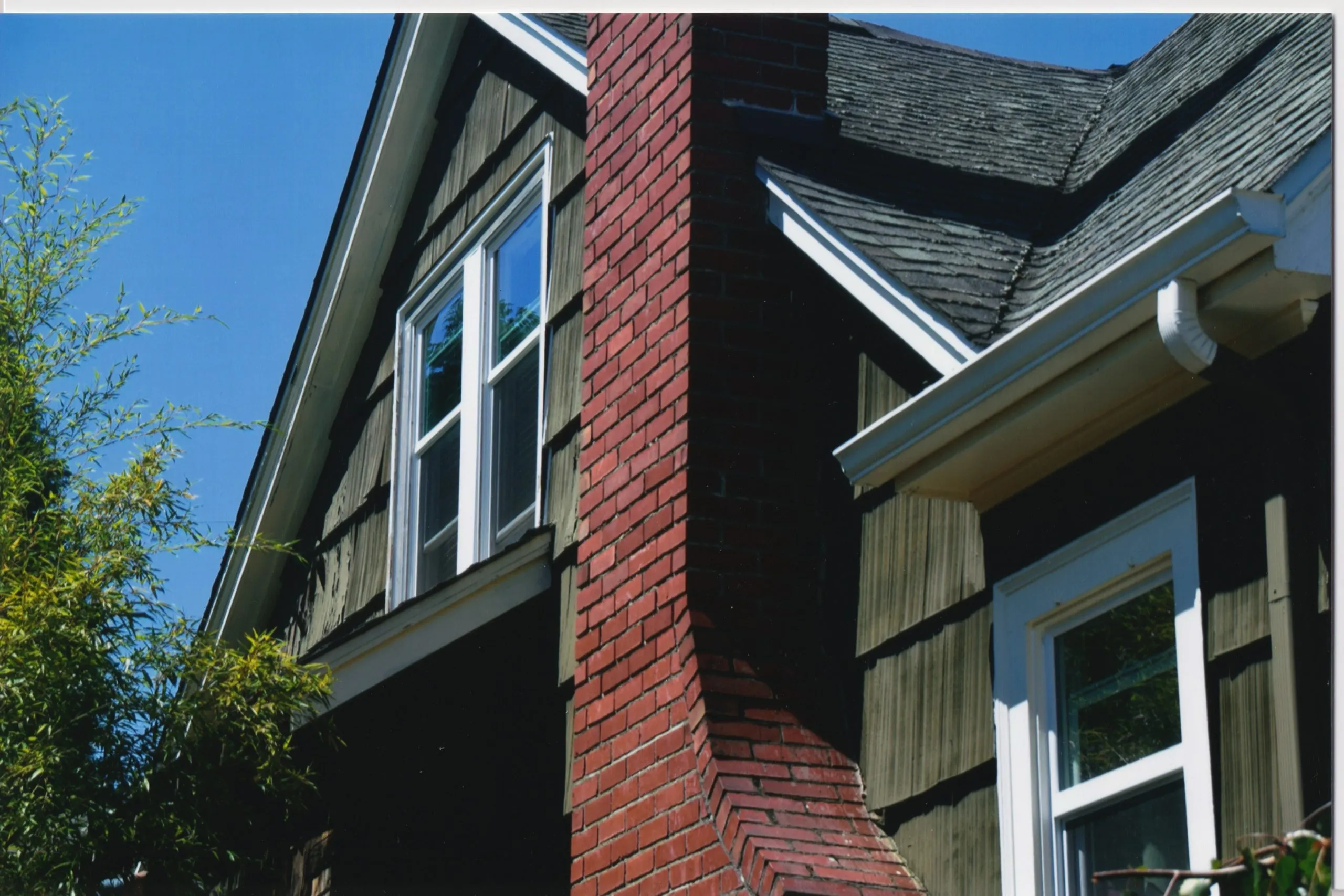
Siding on most homes here falls into three groups. Houses built since 2000 often carry builder-grade vinyl or fiber cement that is ready for its first repaint or replacement. Homes from the 1980s and 1990s may still have hardboard or composite lap siding, and LP siding from that era has a known history of moisture failure. The older 19% of homes, built between 1950 and 1979, can have cedar, T1-11 or asbestos-cement shingles; asbestos-cement may contain asbestos and should be tested before removal.
These are the siding types we usually recommend, and none of them is wood:
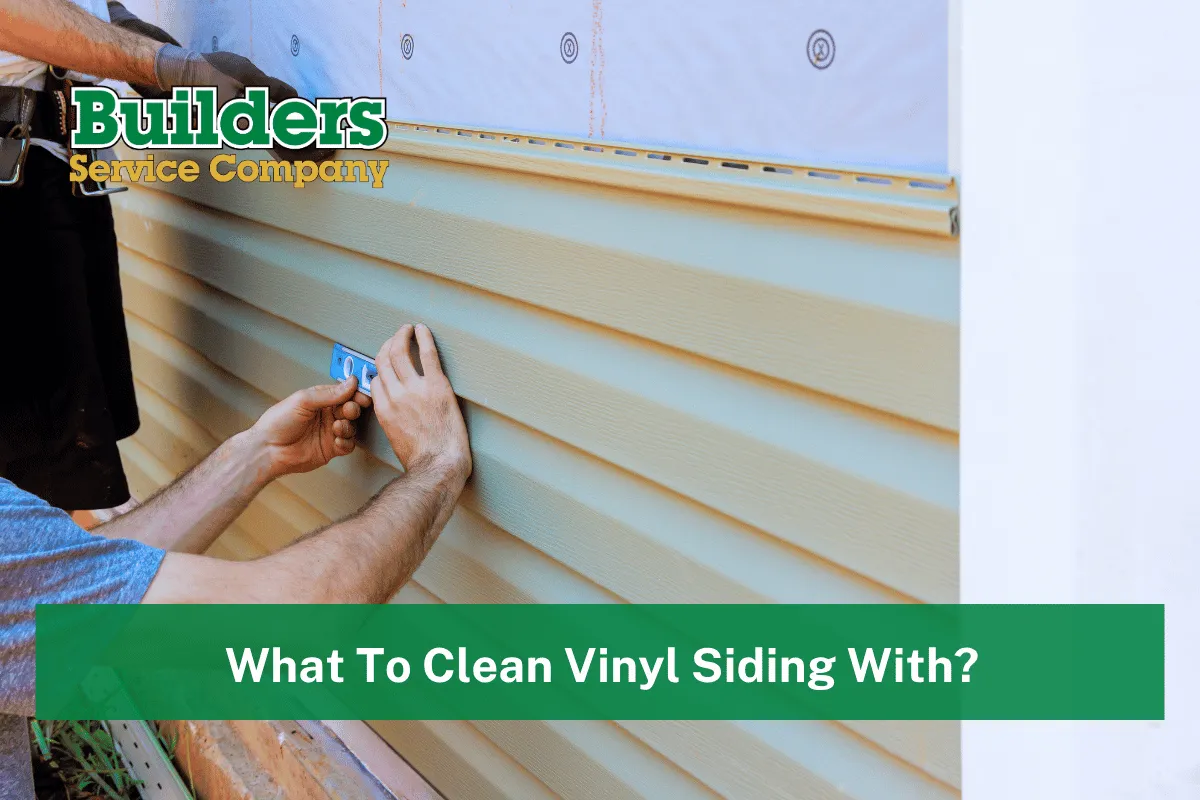
- Vinyl siding is the most versatile and least expensive option, a practical fit for budget-minded projects and homes with a lot of wall area.
- The Evergreen Shield Siding System is our exclusive insulated composite siding, designed for the Pacific Northwest climate. Its graphite membrane gives it a thermal resistance of R-2.0, compared with R-0.61 for standard vinyl siding. With 45% of homes in the city heating with electricity, that insulation counts for more. Its 20 built-in colors resist chipping, peeling and fading, so there is no repainting.
- Metal siding is a durable, premium choice for a long-term upgrade.
Stacked stone or stone veneer accents on wainscots, entries and columns give a subdivision house a more finished front without changing the main siding.
Census data puts the median home value at about $635,000, slightly below the Snohomish County median, so durable, cost-effective vinyl is a sensible fit for many homes, while the insulated composite panels suit a premium long-term upgrade. The best option for your house is something we work out together during the free in-home consultation.
Browse colors, profiles and samples for Lake Stevens home exterior services.
Get a free siding consultation in Lake Stevens
Schedule a free in-home consultation or call 206-430-1927.
Lake Stevens siding FAQ
What siding is on most Lake Stevens homes today?
It depends on when the house was built. Homes from 2000 or later, 43% of the city's housing, often have builder-grade vinyl or fiber cement due for a first repaint or replacement. Homes from 1980 to 1999 may have hardboard or LP siding, which has a known history of moisture failure. Older homes can have cedar, T1-11 or asbestos-cement shingles, which should be tested before removal.
Is insulated siding worth it for a home heated with electricity?
It can make a bigger difference where heating is costly, and 45% of homes in the city heat with electricity. The Evergreen Shield Siding System has an insulating graphite membrane with a thermal resistance of R-2.0, compared with R-0.61 for standard vinyl siding. We'll compare it with vinyl and metal siding for your house during the free in-home consultation.