Edgewood, WA
Siding Replacement in Edgewood, WA
Pierce County assessor records put the median Edgewood single-family house at 1980, and 40% of the city’s 3,285 single-family homes were built between 1950 and 1979. For most owners, siding replacement in Edgewood means retiring aging original cladding that has taken decades of South Sound rain, which falls heavier here than in the central Sound. This page covers what is on local walls today, how vinyl, our insulated composite siding and metal fit Edgewood’s conditions, and the signs that your house is ready for new siding.
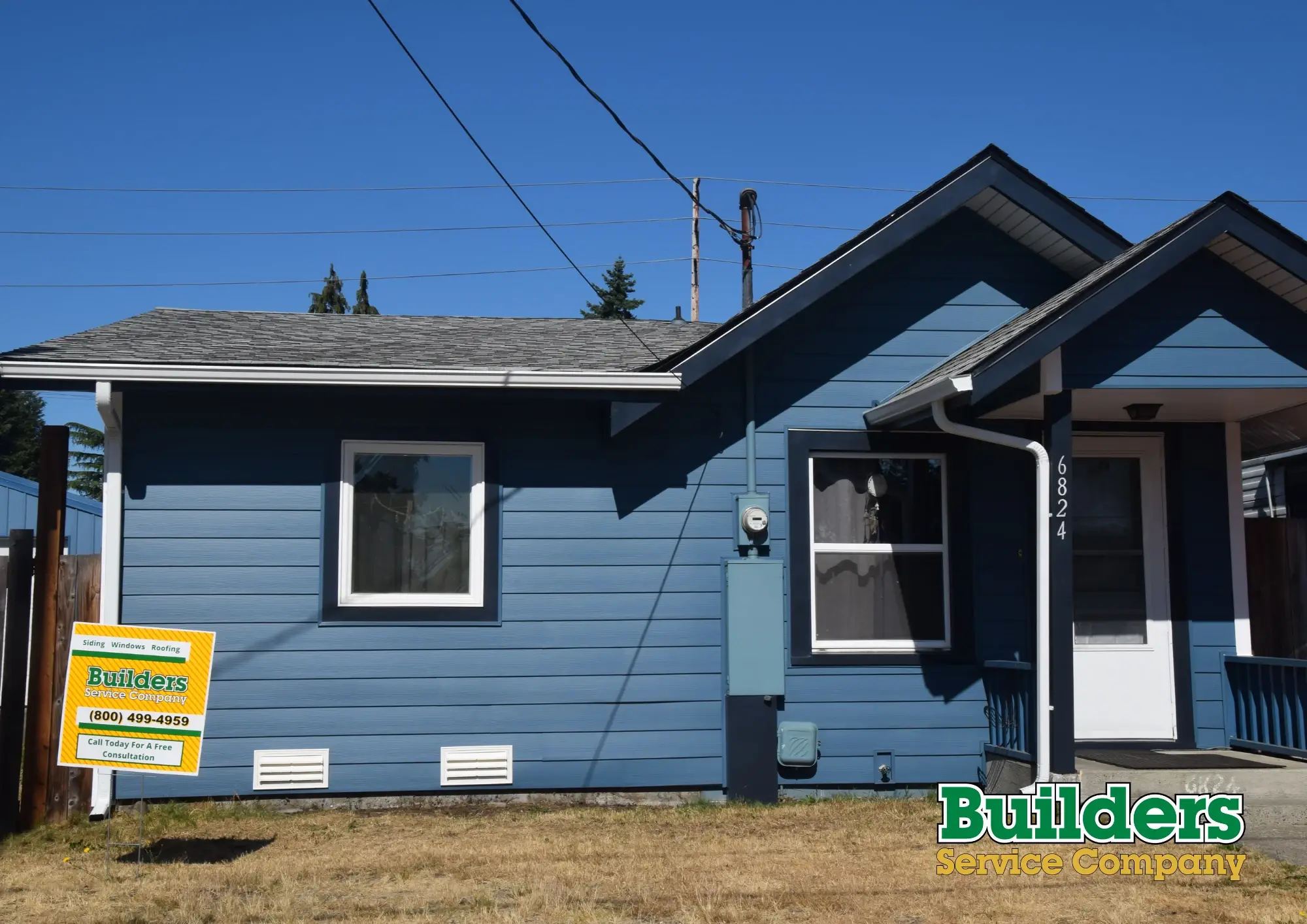
What’s on Edgewood homes now
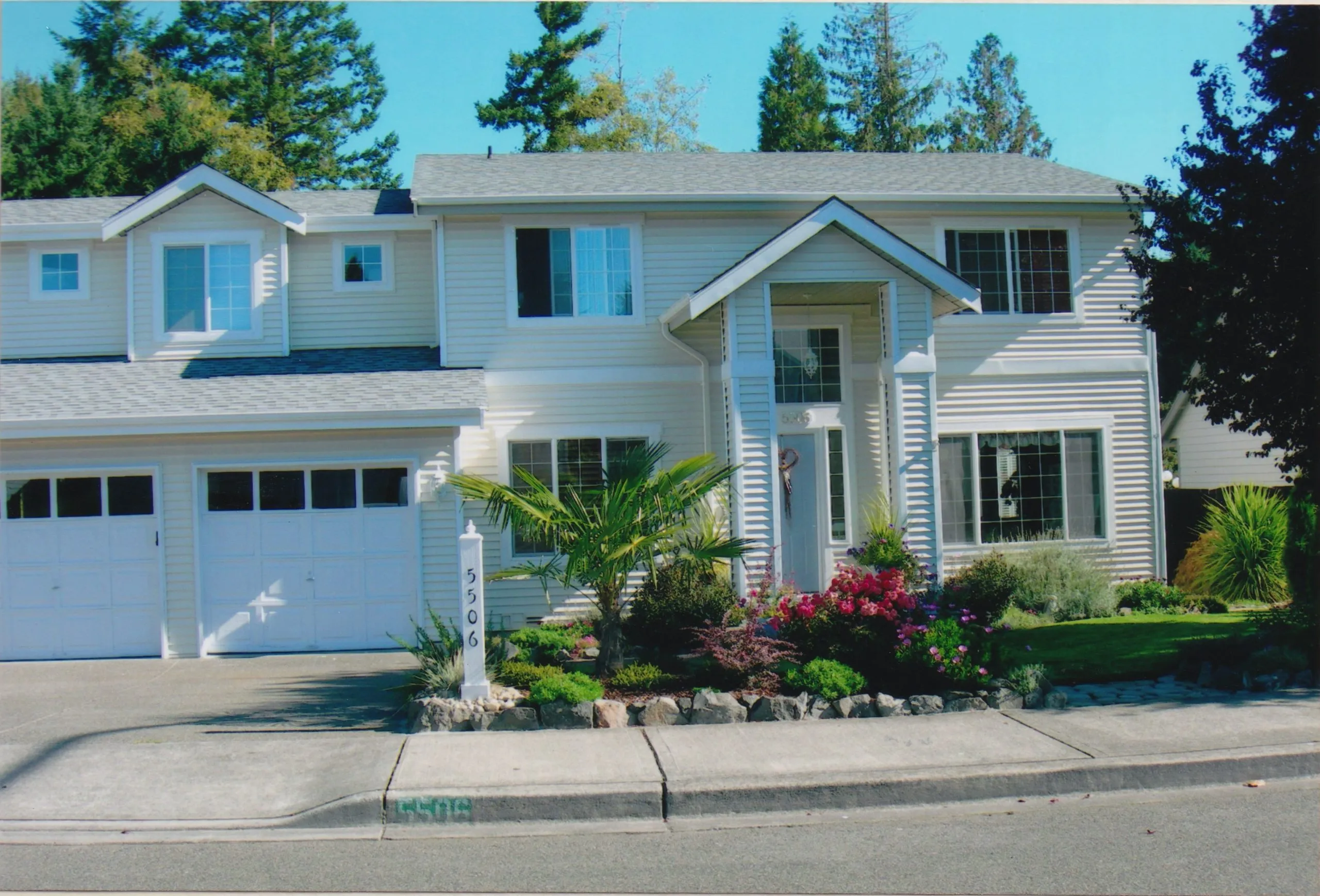
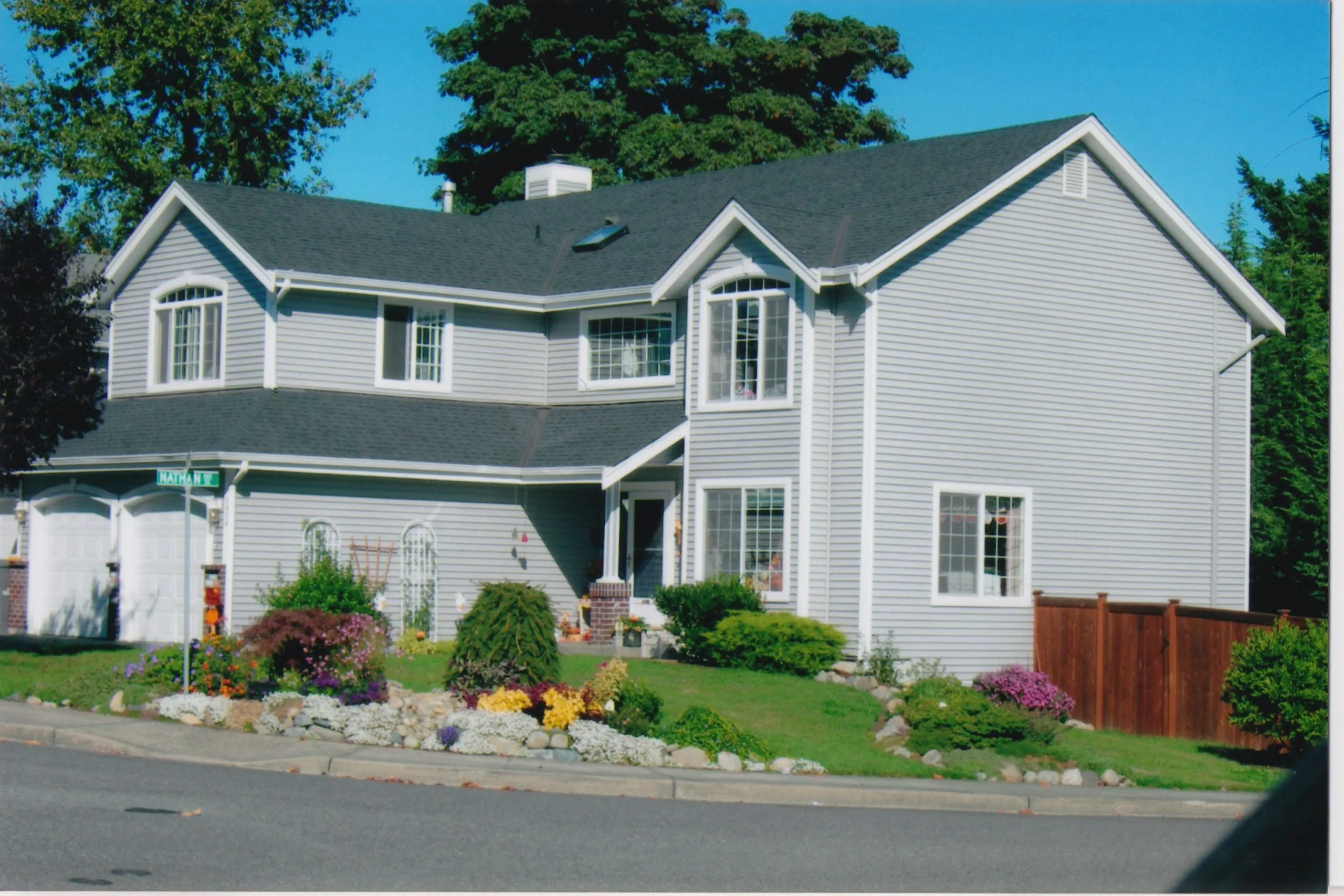
The single-family houses here are older than the city’s overall housing numbers suggest. Census data counts 47% of Edgewood’s 5,170 housing units as built in 2000 or later, but that figure includes apartments, which make up 18% of units. Among single-family homes on assessor records the split is different: 10% before 1950, 40% from 1950 to 1979, 18% from 1980 to 1999 and 32% from 2000 on.
That mix points to a few common siding situations:
- Before 1950: original wood lap siding, often under old paint that may contain lead.
- 1950 to 1979: cedar, T1-11 plywood panels or asbestos-cement shingles. Asbestos-cement shingles may contain asbestos and should be tested before removal.
- 1980 to 1999: composite and hardboard siding. About 12% of local single-family homes were built between 1985 and 1996, the years of LP siding, a product with a known history of moisture failure.
- 2000 and later: fiber cement or builder-grade vinyl now reaching its first repaint or replacement.
Detached houses account for 72% of housing units, and the median single-family home has 2,160 square feet of living space. Most projects here mean residing a whole freestanding house, all four sides, rather than a single wall.
Choosing siding for Edgewood’s conditions
We usually recommend three siding types, plus stone accents, and settle on the best fit for your house during the free in-home consultation. Here is how each lines up with what we know about Edgewood.
Vinyl siding for big walls on a budget. Vinyl is the most versatile and least expensive of the three. With a median of 2,160 square feet and half of single-family homes standing two or more stories, many Edgewood houses carry a lot of wall, and vinyl keeps that square footage affordable.
The Evergreen Shield Siding System where heating costs run high. Census data shows 56% of Edgewood homes heat with electricity and 39% with gas. A graphite membrane inside these composite panels insulates the wall, rated at R-2.0 thermal resistance against R-0.61 for standard vinyl siding. In a town where most homes run electric heat, that added insulation pays back more than it would in a gas-heated one.
Metal siding for a premium, long-term finish. Edgewood’s median home value is about $710,000, or 34% above the Pierce County median. Owners of higher-value homes more often pick a premium exterior, either metal or the Evergreen Shield Siding System. With 68% of homes owner-occupied, many households are long-term owners who plan to stay with the exterior they choose.
Stacked stone or stone veneer accents. Stone is not a whole-house siding. It pairs with any of the three on entries, columns, chimneys and wainscots, or as a durable base course along the bottom of a wall.
None of the three siding types is wood. In our experience, cedar left in place through wet Edgewood winters needs regular repainting and can rot, and moving off wood ends that cycle.
Evergreen Shield Siding System in Edgewood
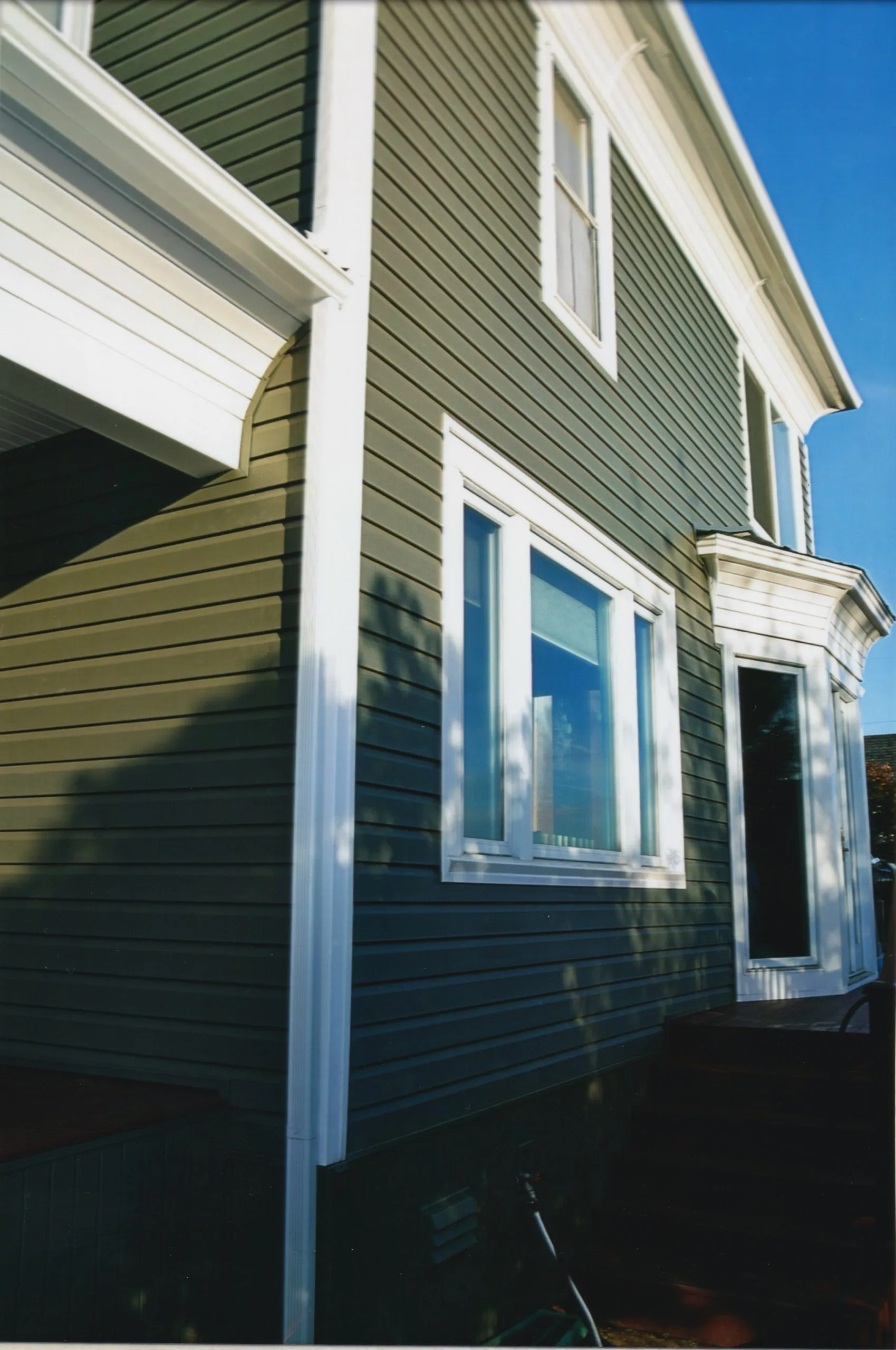
Edgewood’s long rainy seasons bring a steady threat of water damage, mold and mildew, and moss is a common sight on local roofs. The Evergreen Shield Siding System was designed for the Pacific Northwest with exactly that in mind. Its composite panels are built for water resistance through long wet seasons and humidity, and they resist mold and mildew.
The color is part of the panel. You choose from 20 built-in, fade-resistant colors that resist chipping, peeling and fading, so the siding never needs repainting. On a two-story house, skipping repaints also means skipping the ladder work that comes with every coat.
Signs your siding needs replacing
What to look for depends on when your house was built.
- 1950s to 1970s cedar and T1-11: cupped or split boards, and plywood panels delaminating along the bottom edge where water collects.
- 1985 to 1996 hardboard: swelling, soft spots or flaking along lower edges and around nail heads, the moisture failure this siding is known for.
- 2000s builder-grade vinyl or fiber cement: faded or brittle vinyl panels, or painted siding coming due for its first repaint.
On any house, check the north walls and other sides that stay shaded and damp longest. With this much rain, moss, soft wood at the trim and peeling paint show up there first, and they mean water is getting behind the siding.
Get a free siding consultation in Edgewood
Schedule a free in-home consultation and we will look at your walls, walk through vinyl, the Evergreen Shield Siding System and metal, and recommend the right fit. Call 253-777-0866 or contact us online. Financing is available, and we offer discounts for seniors, active military, veterans and first responders. You can also see all of our Edgewood home exterior services.
Edgewood siding FAQ
Which siding type holds up best to Edgewood's rain?
All three siding types we usually recommend hold up to Edgewood's wet winters, because none of them is wood. Vinyl is the most economical. The Evergreen Shield Siding System uses composite panels built for water resistance through long wet seasons, mold and mildew. Metal is a durable, modern finish. We match the choice to your house, budget and heating costs during the free in-home consultation.
What siding is likely on my 1960s Edgewood house?
Most likely cedar, T1-11 plywood panels or asbestos-cement shingles, the common sidings on homes built from 1950 to 1979, which make up a large share of Edgewood's older houses. Asbestos-cement shingles may contain asbestos and should be tested before removal. We identify what is on your walls during the free in-home consultation and plan the tear-off around it.
Is insulated siding worth it if my Edgewood home has electric heat?
It counts for more than in a gas-heated home. Census data shows 56% of Edgewood homes heat with electricity. The Evergreen Shield Siding System has a thermal resistance of R-2.0, compared with R-0.61 for standard vinyl siding, so it adds insulation across the whole wall. Where heating is costly, that improvement pays back more. We review your heating setup during the consultation.
Do I need fire-rated siding in Edgewood?
Wildfire risk is not the main concern here: Edgewood's wildfire risk is rated Low, at the 44th percentile statewide. Even so, the Evergreen Shield Siding System carries a Class A fire rating, the highest fire-resistance rating for construction materials, so you get that protection along with the rest of the system. Metal siding is another durable option we install.
What should I expect when replacing siding on a home built after 2000?
Homes built in 2000 or later make up 32% of Edgewood's single-family houses, and many have fiber cement or builder-grade vinyl now reaching its first repaint or replacement. Instead of repainting, you can replace it with vinyl, metal or the Evergreen Shield Siding System, whose built-in colors never need repainting. We walk through the options for your house during a free in-home consultation.