East Renton Highlands, WA
Siding Replacement in East Renton Highlands, WA
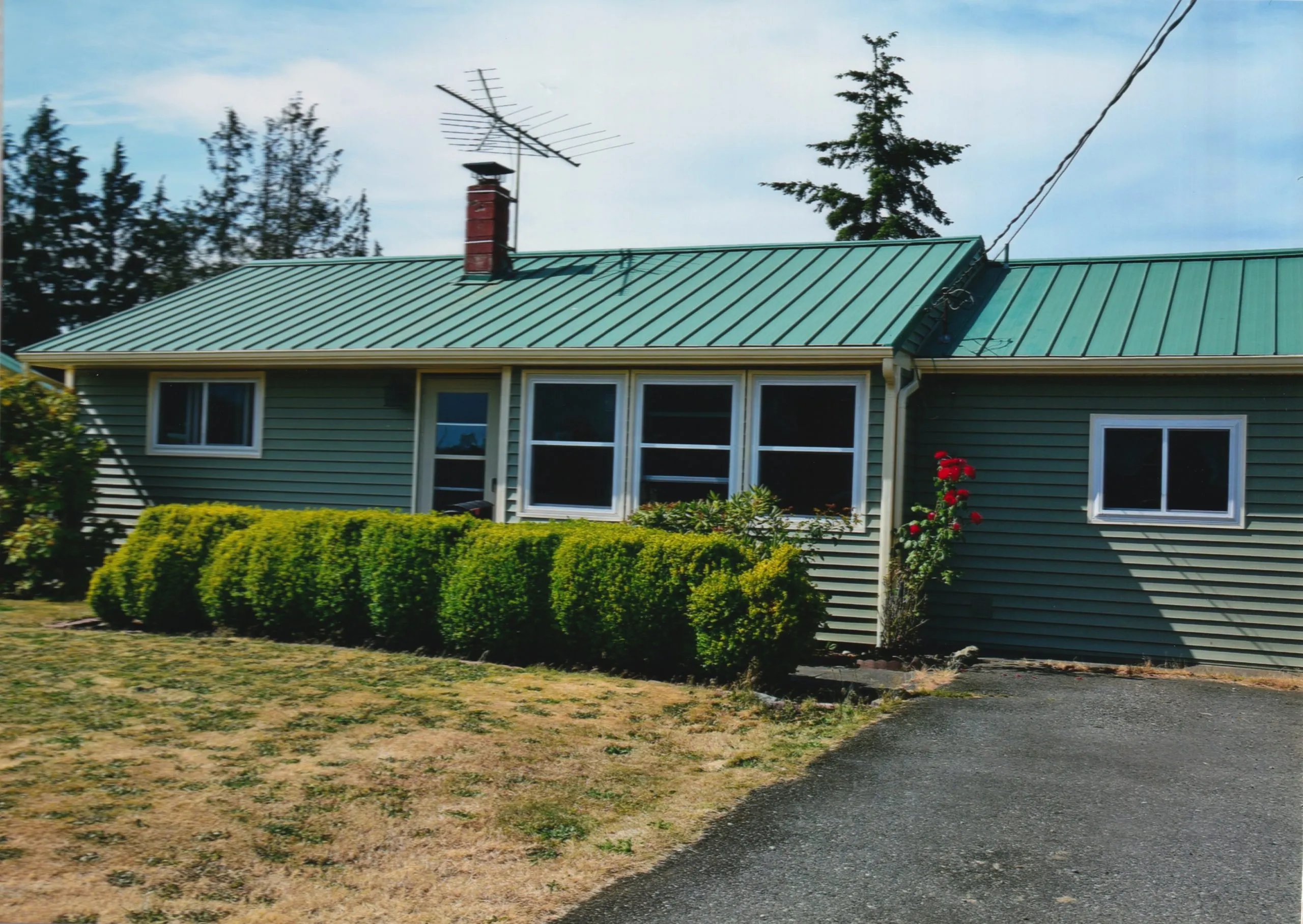
King County assessor records place 68% of East Renton Highlands’ single-family homes in the 1950–1979 building era, and the median year built is 1969. For most owners here, siding replacement means stripping the wall cladding the house was built with, checking the sheathing underneath, and picking an exterior that will not need the upkeep the old one did. Below we cover what is on these houses today, how the siding types we usually recommend compare for local conditions, and the signs that it is time to replace.
What’s on East Renton Highlands homes now
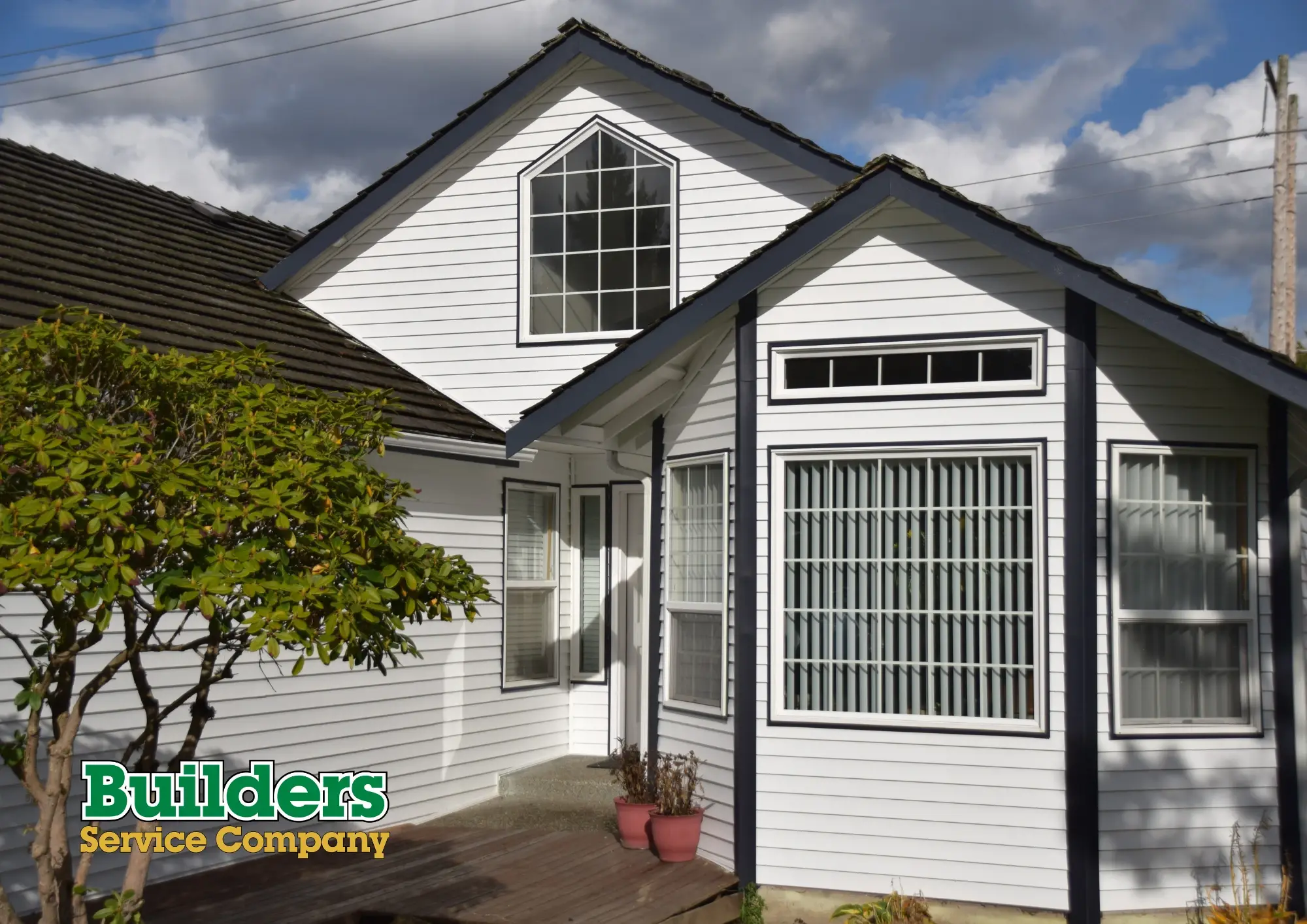
The assessor counts 3,981 single-family homes in East Renton Highlands, and Census data shows 93% of housing units are detached houses, 4% are mobile homes and 2% are attached. Houses from the 1950s through the 1970s typically went up with cedar, T1-11 plywood panels or asbestos-cement shingles. Asbestos-cement shingles may contain asbestos and should be tested before removal, so we identify them before any tear-off is scheduled.
The larger named subdivisions follow that pattern:
- May Valley: 103 homes, median year built 1962
- Renton Suburban Tracts: 267 homes, 1966
- Maplewood Heights Add: 167 homes, 1967
- Cedar Vue Add: 139 homes, 1968
- Maple Hills Estates: 167 homes, 1972
Newer houses are a smaller group. Twenty percent of single-family homes date from 1980 to 1999, the era of composite and hardboard siding, and 7% from 2000 or later, when builder-grade vinyl or fiber cement was typical and is now due for its first repaint or replacement.
Only 23% of homes have two or more stories, which keeps ladder work and wall area manageable on a median house of 1,880 square feet. Assessor records rate 61% of homes in good or very good condition, and just 4% show a recorded renovation, so most exteriors have never been fully redone.
Choosing siding for East Renton Highlands’s conditions
We usually recommend three siding types here, plus stone accents, and we settle on the best fit for your house at the free in-home consultation. None of the three is wood, so unlike the original cedar on many of these houses, they will not rot or need repainting after wet winters.
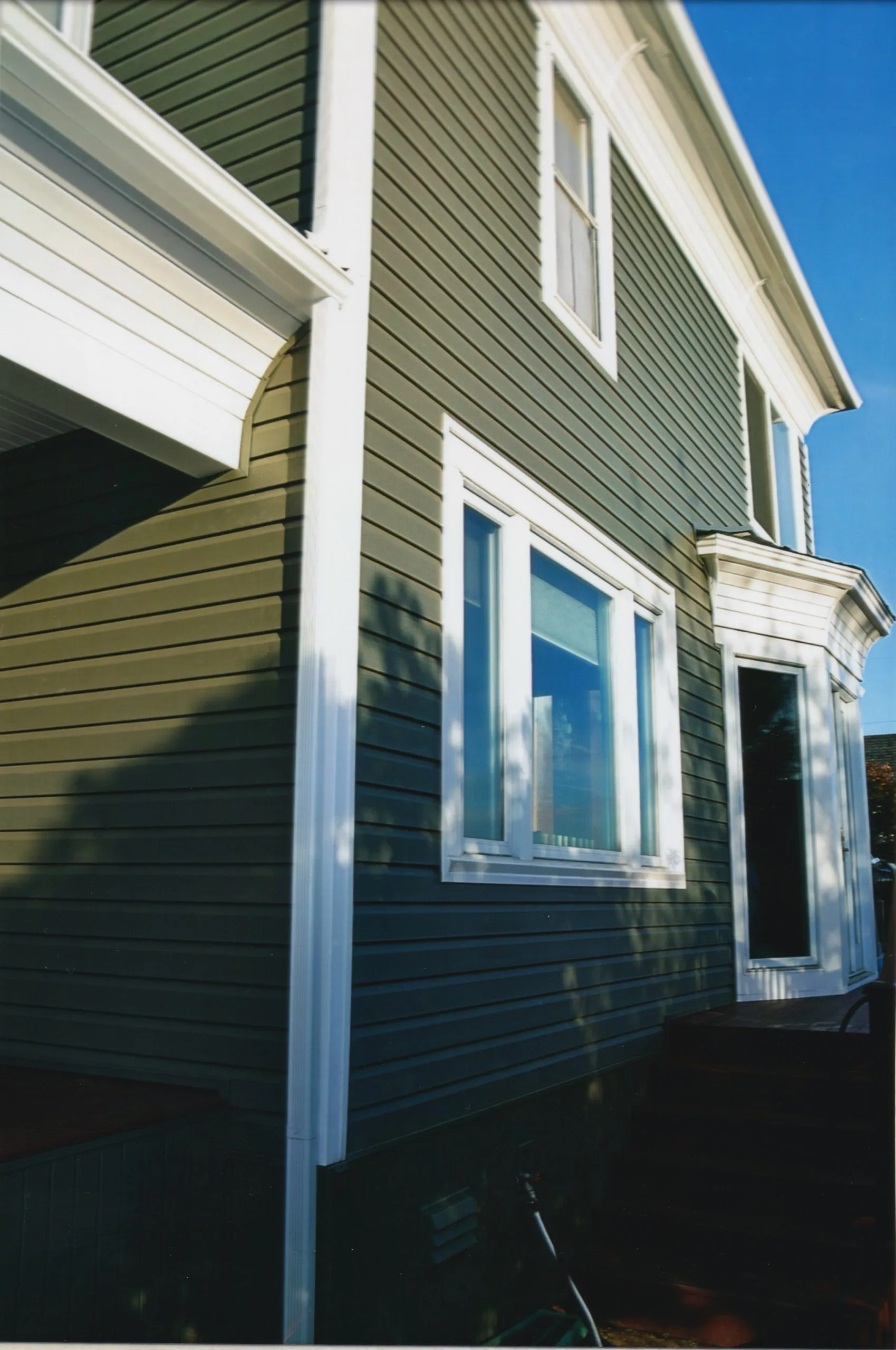
Vinyl siding for cost-effective coverage. The median home value here is about $780,000, roughly 15% under the King County median. Vinyl is the most versatile and least expensive option we install, and its lap profiles keep the clapboard look these mid-century houses were built with. It suits owners who want a durable exterior without paying for premium materials.
The Evergreen Shield Siding System where heating costs more. Electricity heats 38% of homes in East Renton Highlands. Where heating is costly, insulated siding pays back more than it does in a gas-heated house, which makes our insulated composite panels worth comparing with vinyl.
Metal siding for higher-end homes. Assessor records rate 13% of single-family homes at building grade 9 or above, the higher end of the county scale. Owners of those houses more often choose a premium material, and metal or the Evergreen Shield Siding System fits that kind of long-term upgrade.
Subdivisions with HOA color rules. The plateau’s 1990s and 2000s subdivisions are reaching their first full siding replacement, and many have HOA color rules. The Evergreen Shield Siding System comes in 20 built-in, fade-resistant colors, so bring your HOA’s approved palette to the consultation and we will compare it with the options in each siding type.
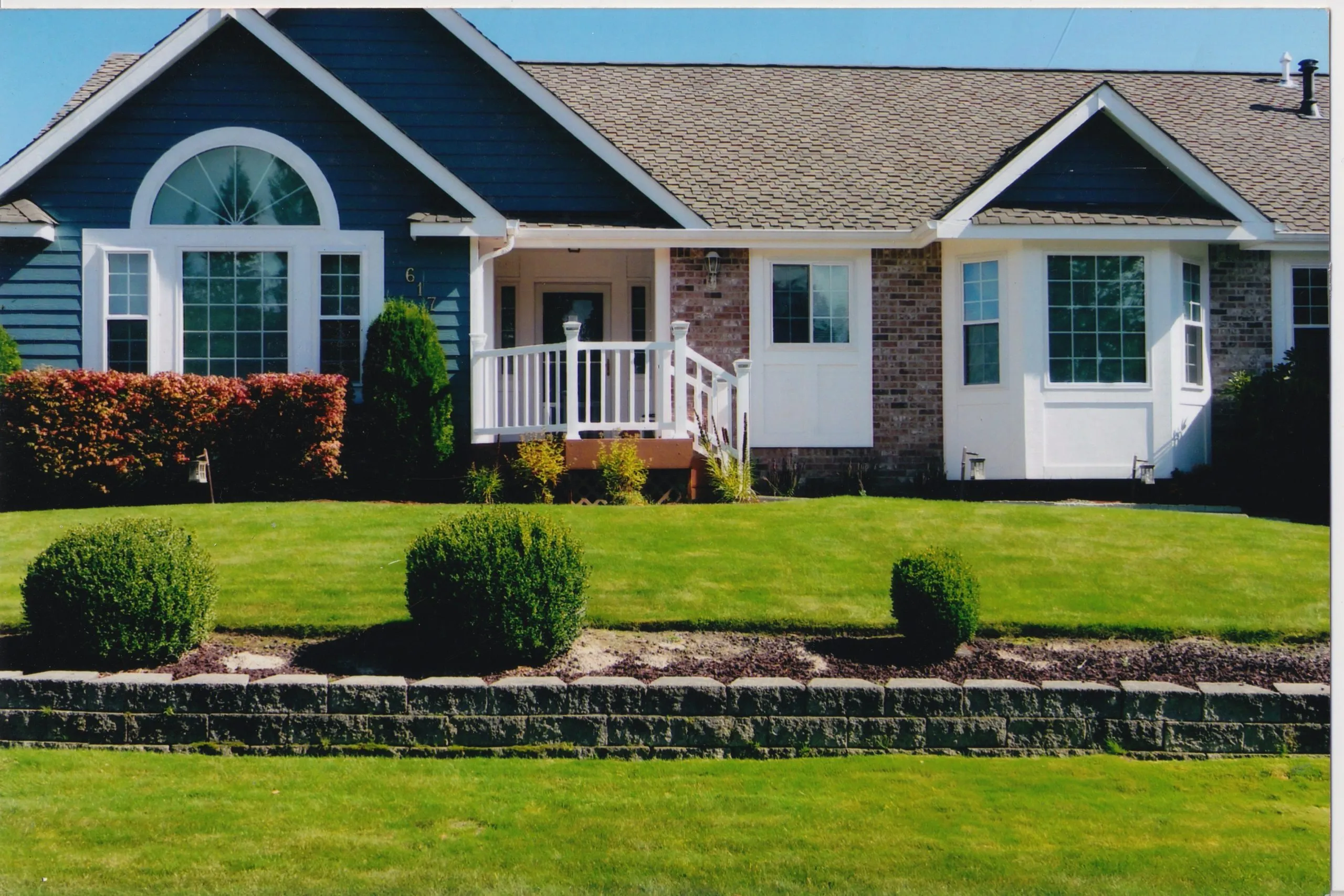
Stone veneer accents. Just 6% of homes show any brick or stone on the exterior. A stacked stone wainscot, or stone veneer around an entry or on columns, adds that detail to a plain mid-century front when paired with new siding.
Wildfire is not what drives the choice here. East Renton Highlands’ wildfire risk is rated Low, at the 27th percentile in Washington.
Evergreen Shield Siding System in East Renton Highlands
The Evergreen Shield Siding System is our exclusive insulated composite siding, designed for the Pacific Northwest climate. Two of its features matter most for houses here.
The composite panels are built for water resistance. They hold up against long wet seasons, humidity, mold and mildew, so the walls of your home stay protected through the rainy months that wear down original wood siding.
An insulating graphite membrane gives the panels a thermal resistance of R-2.0, compared with R-0.61 for standard vinyl siding. If you have been looking into insulated vinyl siding, this is the insulated option we recommend instead. We go over how it compares with vinyl and metal on your house during the consultation.
Signs your siding needs replacing
Siding problems in East Renton Highlands follow the age of the house.
- Cedar from the 1950s through the 1970s: boards that are split, cupped or soft near the ground, and paint that starts peeling again within a few seasons of a repaint.
- T1-11 panels: plywood layers separating at the bottom edge, where water collects every wet season, and panel seams that have opened up.
- Hardboard and LP siding: 11% of single-family homes were built between 1985 and 1996, when this siding was common. Look for swelling, soft spots and flaking along the bottom laps and at the drip edge.
- Builder-grade vinyl on post-2000 houses: faded, cracked or loose panels on the walls that get the most weather.
- Any era: stains, a musty smell or soft drywall on the inside of an exterior wall, which can mean water is already getting behind the siding.
Get a free siding consultation in East Renton Highlands
Schedule a free in-home consultation or call our Seattle office at 206-430-1927. We will look at your current siding, check the wall behind it and go over your options. Ask about our lifetime warranty, financing, and discounts for seniors, active military, veterans and first responders. You can also browse all of our East Renton Highlands home exterior services.
East Renton Highlands siding FAQ
Which siding type suits an East Renton Highlands home best?
Vinyl fits most budgets, the Evergreen Shield Siding System suits electrically heated homes, and metal suits higher-end houses; we confirm the fit at the free in-home consultation. Home values here run about 15% below the King County median, so many owners choose vinyl as a durable, cost-effective exterior. None of the three is wood, so none of them will rot the way old cedar does.
What should I expect when removing siding from a 1960s house in East Renton Highlands?
Expect cedar, T1-11 panels or asbestos-cement shingles, since those were common on houses built from 1950 to 1979. Asbestos-cement shingles may contain asbestos and should be tested before removal, so we identify them first. Once the old siding is off, we inspect the sheathing behind it and repair any damage before new siding goes on. We review what we find with you before the new siding is installed.
My East Renton Highlands subdivision has HOA color rules. Can I still replace my siding?
Yes, and many of the area's 1990s and 2000s subdivisions with HOA color rules are now reaching their first full siding replacement. Bring your HOA's approved colors to the free in-home consultation. The Evergreen Shield Siding System offers 20 built-in, fade-resistant colors that resist chipping, peeling and fading, and we can compare its palette, along with vinyl and metal options, with your HOA's list.
Does wildfire risk affect siding choice in East Renton Highlands?
Only a little. East Renton Highlands' wildfire risk is rated Low, at the 27th percentile in Washington, so cost, heating and appearance usually decide the siding here. If fire resistance matters to you, the Evergreen Shield Siding System carries a Class A fire rating, the highest fire-resistance rating for construction materials, and stacked stone or stone veneer accents near the ground are noncombustible.