Eatonville, WA
Siding Replacement in Eatonville, WA
Pierce County assessor records put the median year built for Eatonville’s single-family homes at 1996, and 16% of them went up between 1985 and 1996, the years when LP and other hardboard siding was common on new houses. For many homes in town, this will be the first siding replacement, and the boards coming off may be the kind that takes on water at the edges. Add the heavier rain, ice storms and east winds of the Cascade foothills, and the job is mostly about keeping water and wind out of your walls.
What’s on Eatonville homes now
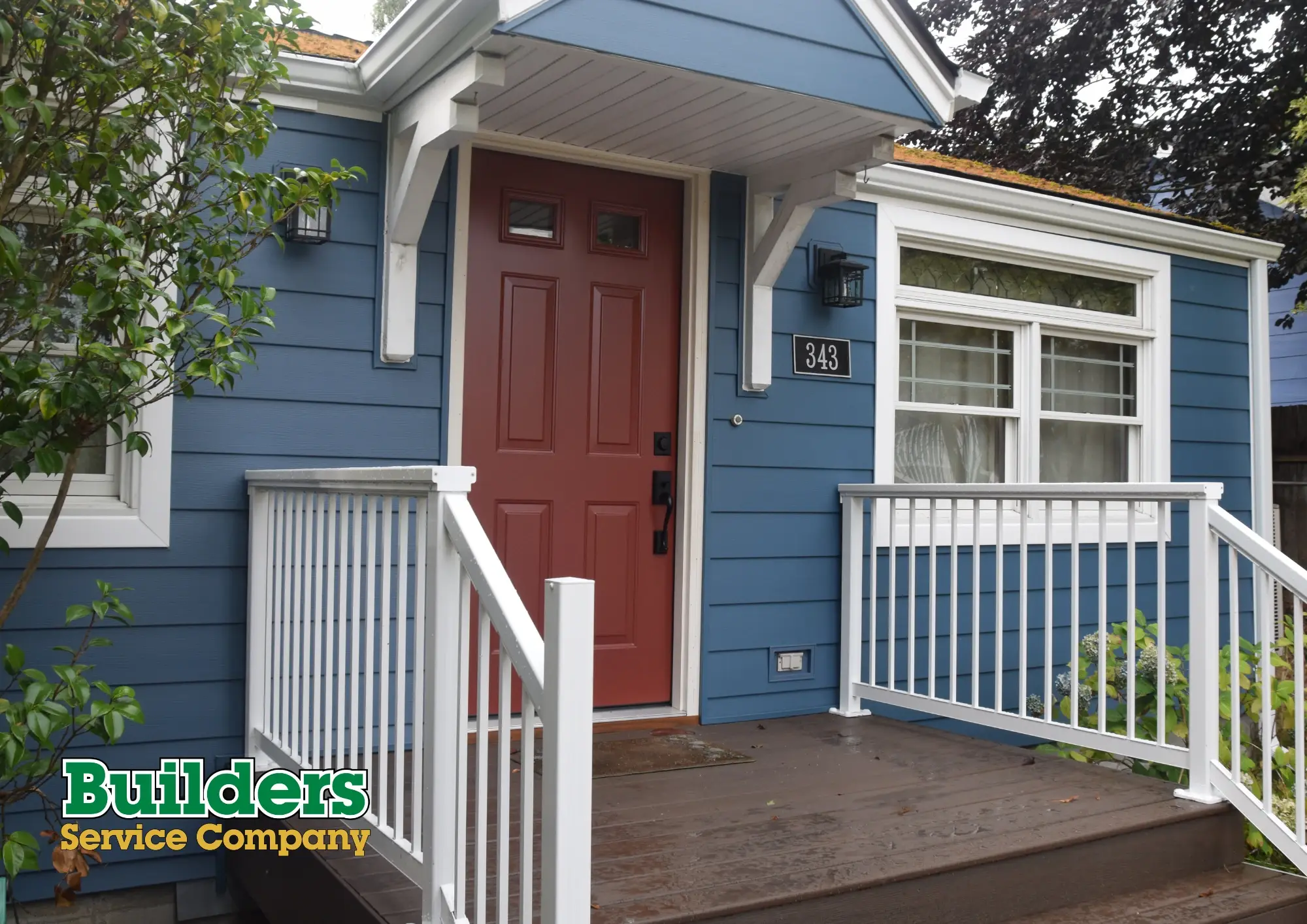
Census data shows 38% of Eatonville’s 998 housing units were built from 1980 to 1999, the town’s largest building era, and another 37% date from 2000 or later. Only 13% are older than 1950, and 12% come from 1950 to 1979. The assessor’s count of 856 single-family homes follows the same pattern.
Here is what that usually means for the siding on your house today:
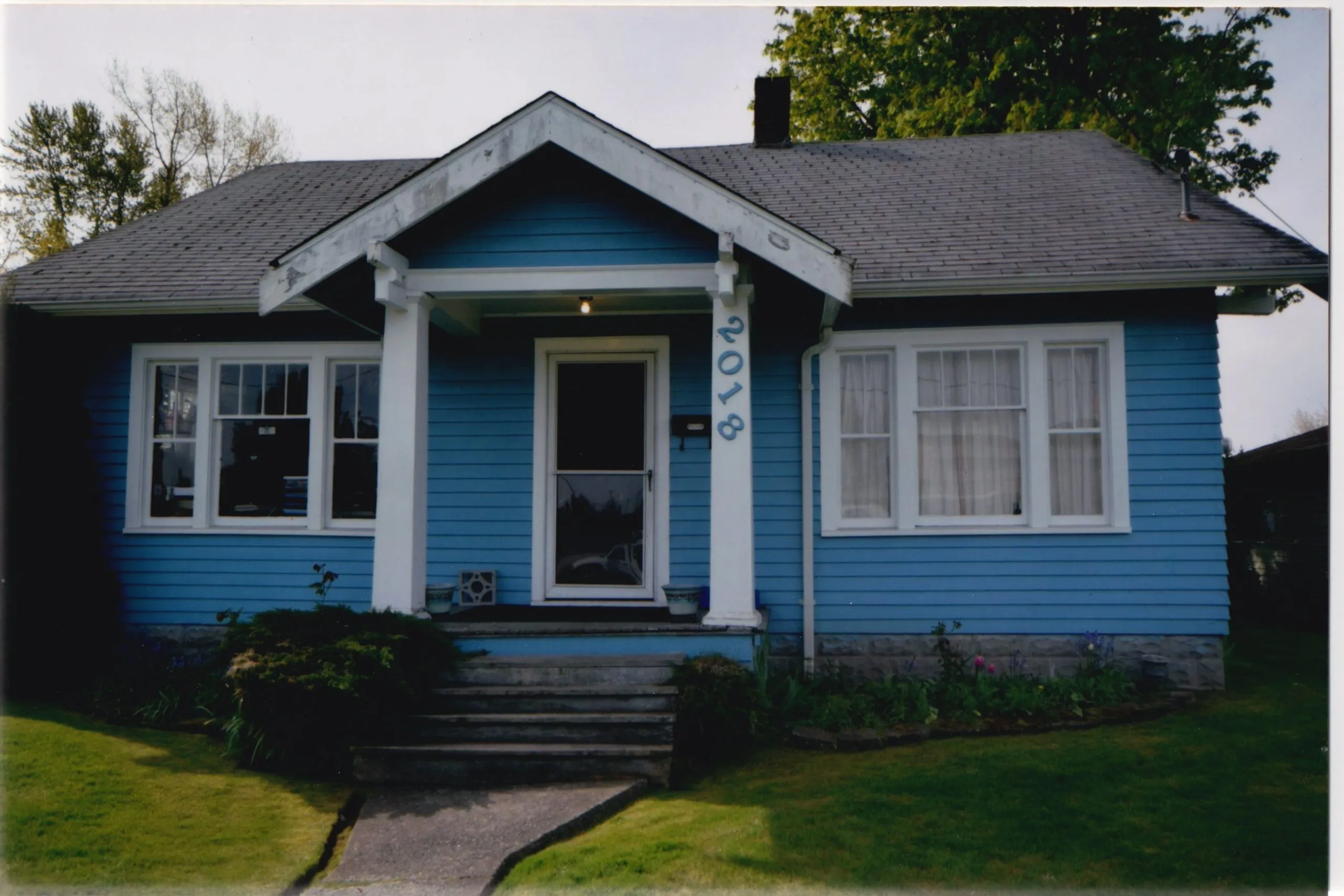
- Built 1980 to 1999: composite and hardboard lap siding, including LP siding, which has a known history of moisture failure.
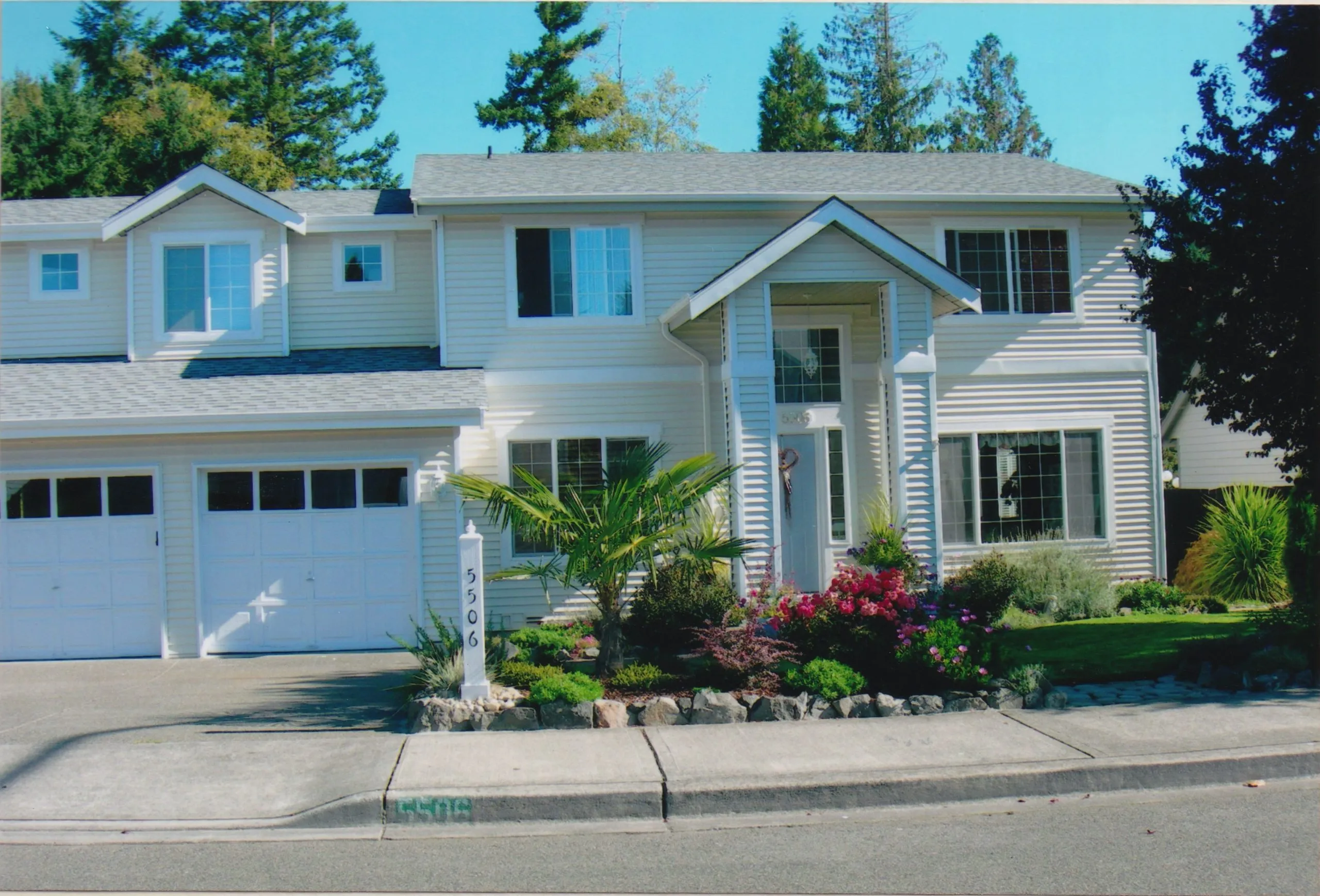
- Built 2000 or later: fiber cement or builder-grade vinyl that is now reaching its first repaint or replacement.
- Built 1950 to 1979: cedar, T1-11 panels or asbestos-cement shingles. Asbestos-cement shingles may contain asbestos and should be tested before removal.
- Built before 1950: most likely the original wood lap siding, sometimes under paint that may contain lead.
Assessor records list only 3% of single-family homes with vinyl siding and none with brick or stucco. Most of the town’s housing is single houses: 79% of units are detached and 5% are mobile homes. The median single-family home has 1,699 square feet, and just 3% are rated in fair or worse condition.
Choosing siding for Eatonville’s conditions
Foothill storms bring more rain than the lowlands, along with ice and east winds, and higher lots see snow. Vinyl, the Evergreen Shield Siding System and metal all handle that weather in one important way: none of them is wood, so none of them will rot. Unlike cedar, none of them needs repainting after a wet winter. These are the types we usually recommend, and we settle on the right one for your house at the free in-home consultation.
Wildfire exposure points to Evergreen Shield Siding System or metal. Eatonville’s wildfire risk is rated Elevated, at the 84th percentile in Washington. The Evergreen Shield Siding System carries a Class A fire rating, the highest fire-resistance rating for construction materials. Metal siding is the other type we recommend where fire risk runs this high.
Electric heat favors insulated siding. Census data shows 88% of Eatonville homes heat with electricity and another 5% with propane. Insulated siding pays back more where heating is costly, which makes the Evergreen Shield Siding System a strong long-term upgrade for many of these houses.
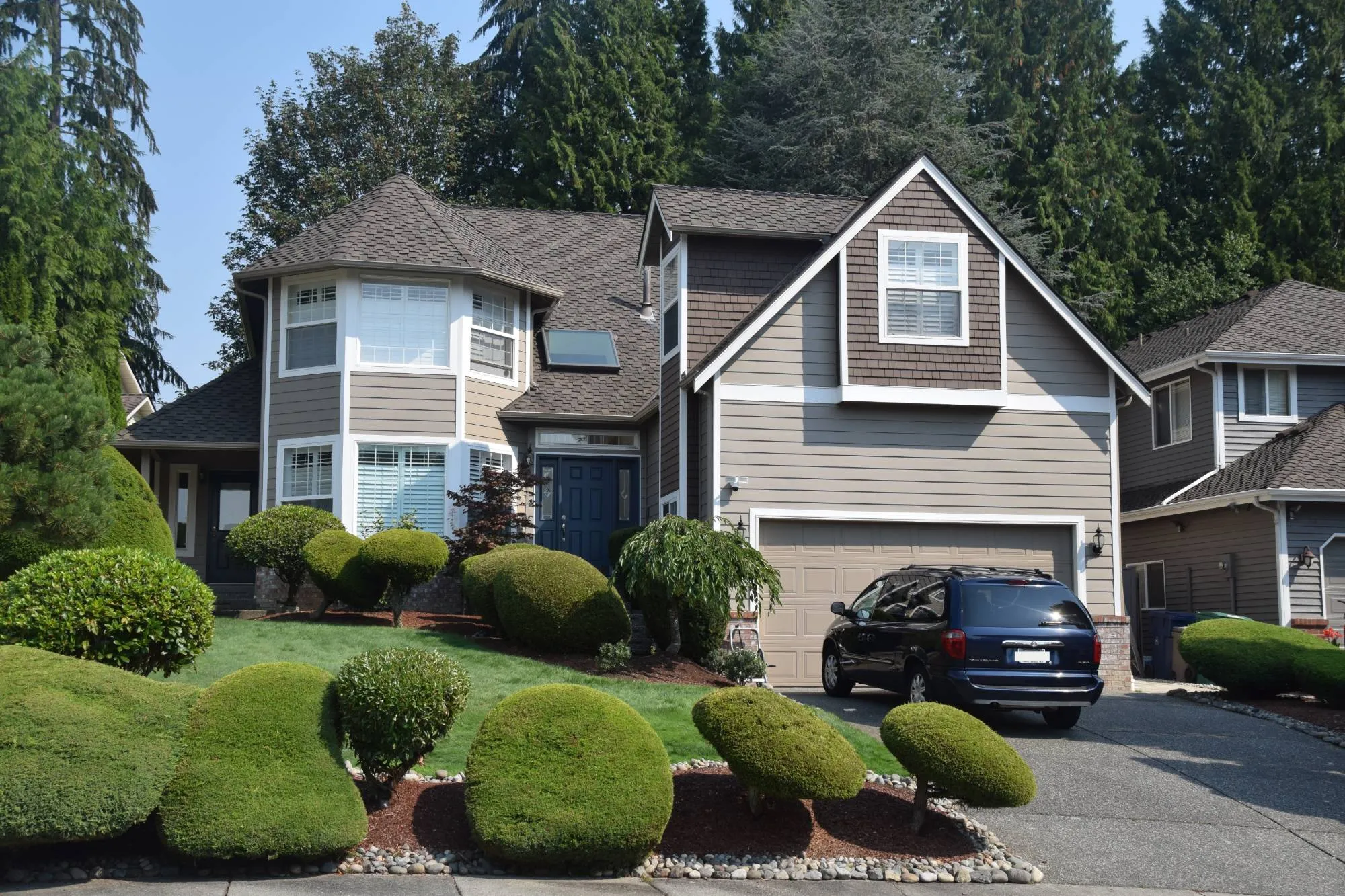
Vinyl keeps a large job affordable. The median home value here is about $430,000, 19% below the Pierce County median, and 39% of single-family homes have two or more stories. On a tall house with a lot of wall area, vinyl siding in Eatonville is the durable, cost-effective choice, and it is the most versatile and least expensive of the three.
Stone accents near the ground. Stacked stone or stone veneer on a wainscot, entry or columns adds curb appeal and pairs with any of the three. It is noncombustible, so it also makes a durable base course near grade.
Whatever you choose, we install it with wind-rated details for east winds and rainscreen detailing so heavy rain can drain behind the panels.
Evergreen Shield Siding System in Eatonville
Our exclusive Evergreen Shield Siding System is an insulated composite siding designed for the Pacific Northwest climate, and two of its features fit Eatonville houses well.
The composite panels are built for water resistance through long wet seasons, and they resist humidity, mold and mildew. Because the panels contain no wood, the long, wet foothill winters have nothing to rot, which suits a town where homeowners plan to stay a while: 79% of homes here are owner-occupied.
An insulating graphite membrane gives the siding a thermal resistance of R-2.0, compared with R-0.61 for standard vinyl siding. With 88% of homes here on electric heat, that added insulation is worth weighing against vinyl when we price your project.
Signs your siding needs replacing
Most Eatonville houses date from 1980 onward, so the warning signs usually come from the siding material rather than age alone. Walk around your house and look for:
- Swelling or flaking along the bottom edges. Hardboard and LP siding from the 1980s and 1990s takes on water at the drip edge and cut ends, then puffs up, softens or flakes.
- Moss, mildew and soft spots on shaded walls. Heavy rain keeps north walls wet, and rot follows on wood-based siding.
- Loose, cracked or missing pieces after a storm. Ice storms and east winds pull at boards and panels that are already loose.
- Faded or brittle builder-grade vinyl on homes from 2000 or later that are coming due for their first replacement.
If you see any of these, a closer look at the wall behind the siding is the next step.
Get a free siding consultation in Eatonville
Schedule a free in-home consultation: contact us online or call our Tacoma office at 253-777-0866. We will look at your walls, take measurements and recommend the siding that fits your house and budget. Our work carries a lifetime warranty, financing is available, and we offer discounts for seniors, active military, veterans and first responders. See all of our Eatonville home exterior services.
Eatonville siding FAQ
Which siding type handles Eatonville's rain, ice and wind best?
Any of the three types we usually recommend will handle it, because vinyl, metal and the Evergreen Shield Siding System contain no wood and will not rot. The bigger difference is the installation: on a foothill house we use wind-rated details for east winds and rainscreen detailing so water can drain behind the panels. Which material suits your house depends on budget, wall area and fire exposure, and we sort that out at the free in-home consultation.
Should wildfire risk change the siding I pick in Eatonville?
Yes, it is worth weighing. Eatonville's wildfire risk is rated Elevated, at the 84th percentile statewide, and at that level we point homeowners toward the Evergreen Shield Siding System, which has a Class A fire rating, or metal siding. Stacked stone or stone veneer near the ground is noncombustible and works with either one. Vinyl is still an option when budget leads, and we can talk through the tradeoffs at your consultation.
What should I expect when removing 1980s or 1990s siding from my Eatonville house?
Expect composite or hardboard lap siding, possibly LP siding, which has a known history of moisture failure. Pierce County assessor records show 16% of single-family homes here were built from 1985 to 1996, the LP era. Once the old boards come off, we can see the wall behind them and deal with any water damage before new siding goes on. A house from 1950 to 1979 may instead have asbestos-cement shingles, which should be tested before removal.
Is vinyl siding a good fit for a two-story Eatonville home?
Often, yes. Assessor records show 39% of single-family homes here have two or more stories, and that extra wall area adds up quickly on any siding project. Vinyl is the most versatile and least expensive of the siding types we usually recommend, which helps keep a large job in budget. If your house is on electric heat, ask us to price the Evergreen Shield Siding System alongside it, since its insulated panels reach R-2.0.