Yakima County, WA
Siding, Roofing, Windows & Decks in Yakima, WA
Yakima’s housing stock leans toward the middle of the last century. The largest group of homes, 37%, went up between 1950 and 1979, and another 26% are older still, built before 1950. Many of those houses likely still carry original wood lap or cedar siding and early windows, and all of them face hot, dry summers, cold winters, wind and strong sun.
Builders Service Company is an exterior contractor for homeowners across Yakima County, with four services: siding, roofing, window replacement and deck building. The sections below cover what is on local houses today, how the valley climate affects each material, and what we usually recommend for homes like yours.
Homes in Yakima: what’s on them now
Census data counts 37,467 housing units in the city, with a median year built of 1972. The 1950–1979 era is the largest at 37%, followed by homes built before 1950 at 26%, homes from 1980 to 1999 at 20%, and homes from 2000 or later at 18%.
Each era tends to come with its own exterior:
- Before 1950: likely original wood lap siding, possible lead paint, and single-pane or early windows.
- 1950–1979: cedar, T1-11 or asbestos-cement shingle siding, with aluminum or early vinyl windows. Asbestos-cement shingles may contain asbestos and should be tested before removal.
- 1980–1999: composite and hardboard siding, including LP siding with its known history of moisture failure, plus first-generation vinyl windows.
- 2000 and later: fiber cement or builder-grade vinyl siding reaching its first repaint or replacement, and builder-grade windows.
Detached single-family houses make up 59% of homes, attached homes 18%, apartments 17% and mobile homes 5%. The median home value is about $300,000, right at the county median.
Exterior permits inside city limits are handled by the City of Yakima.
Siding in Yakima
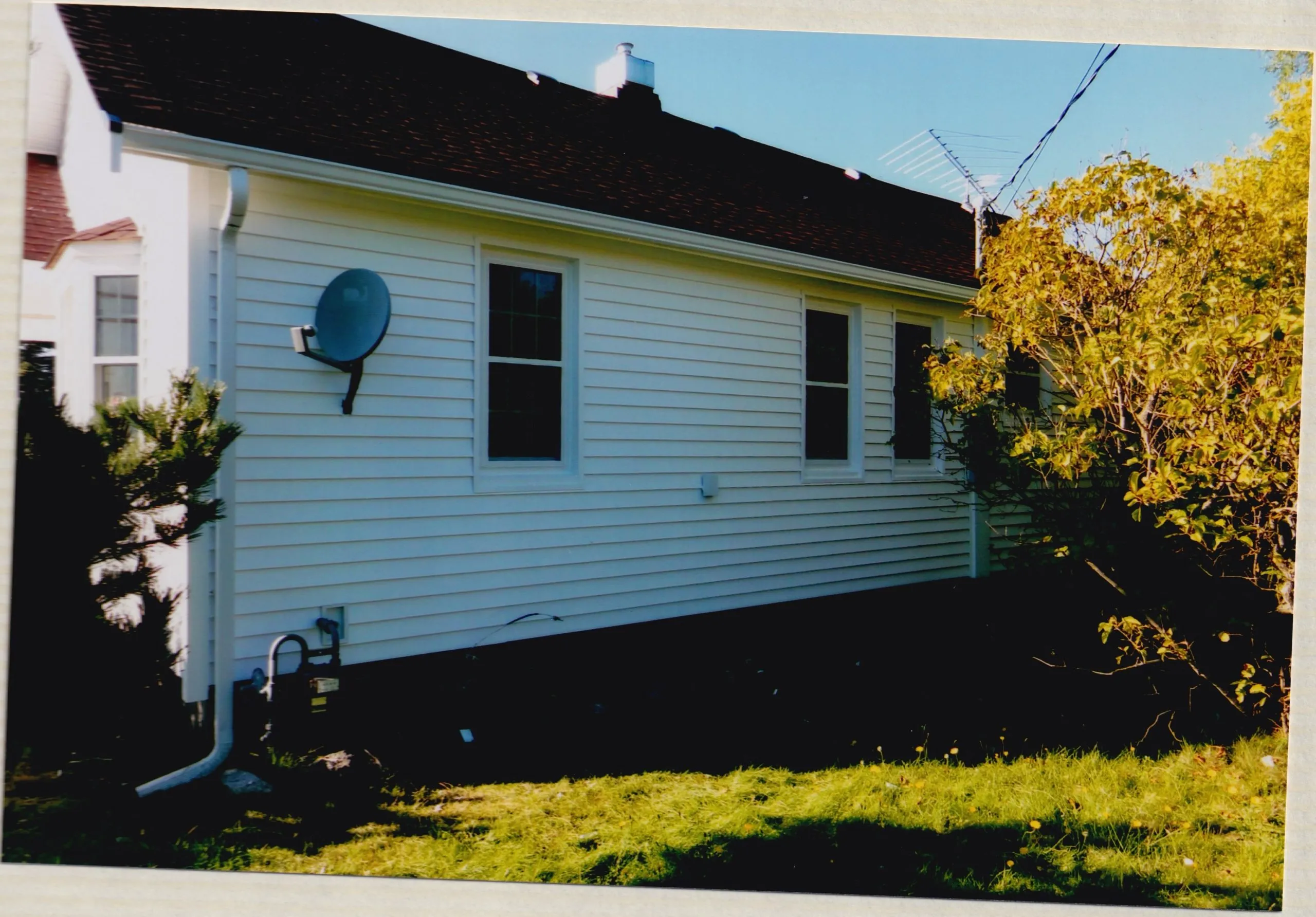
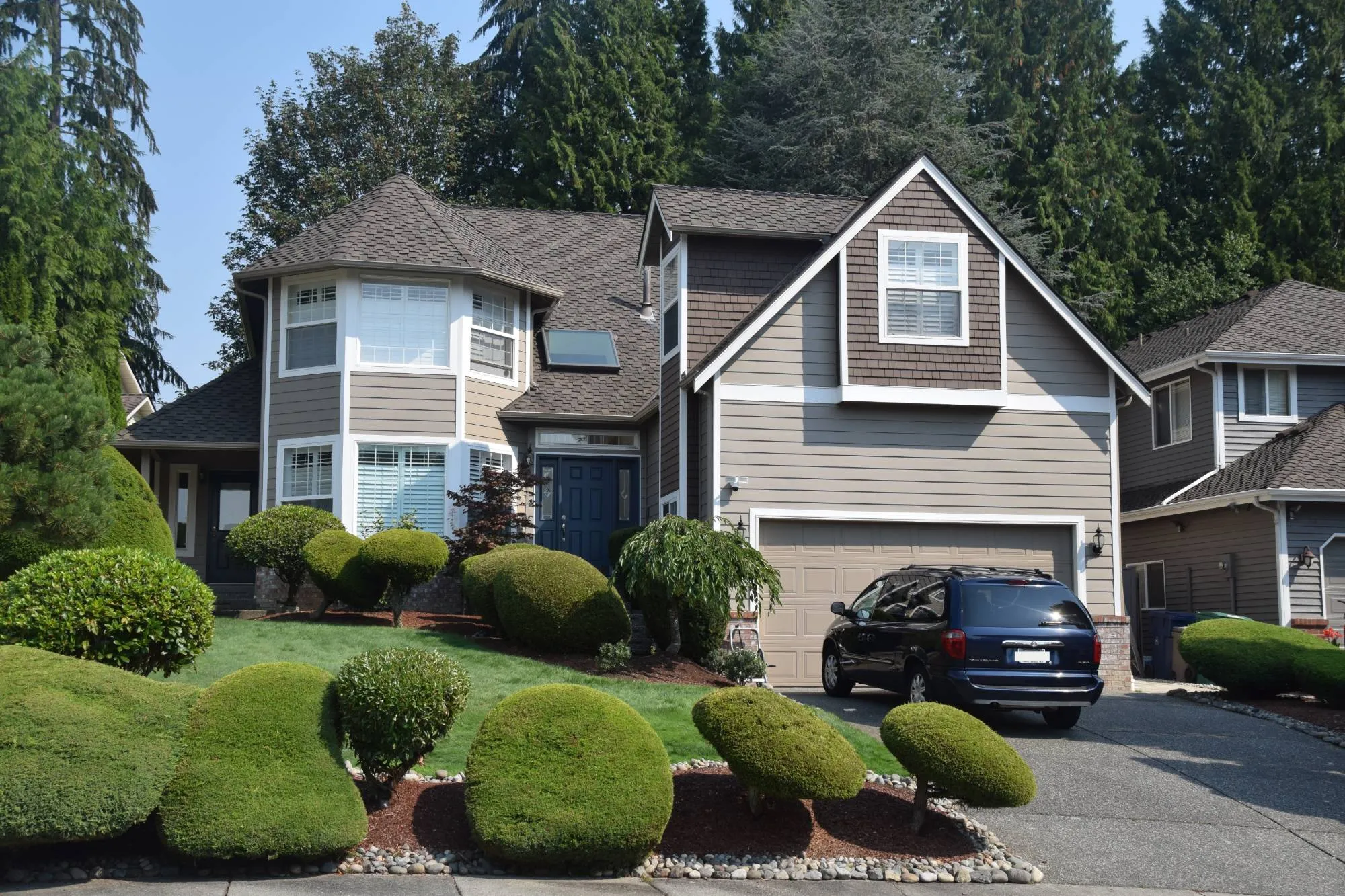
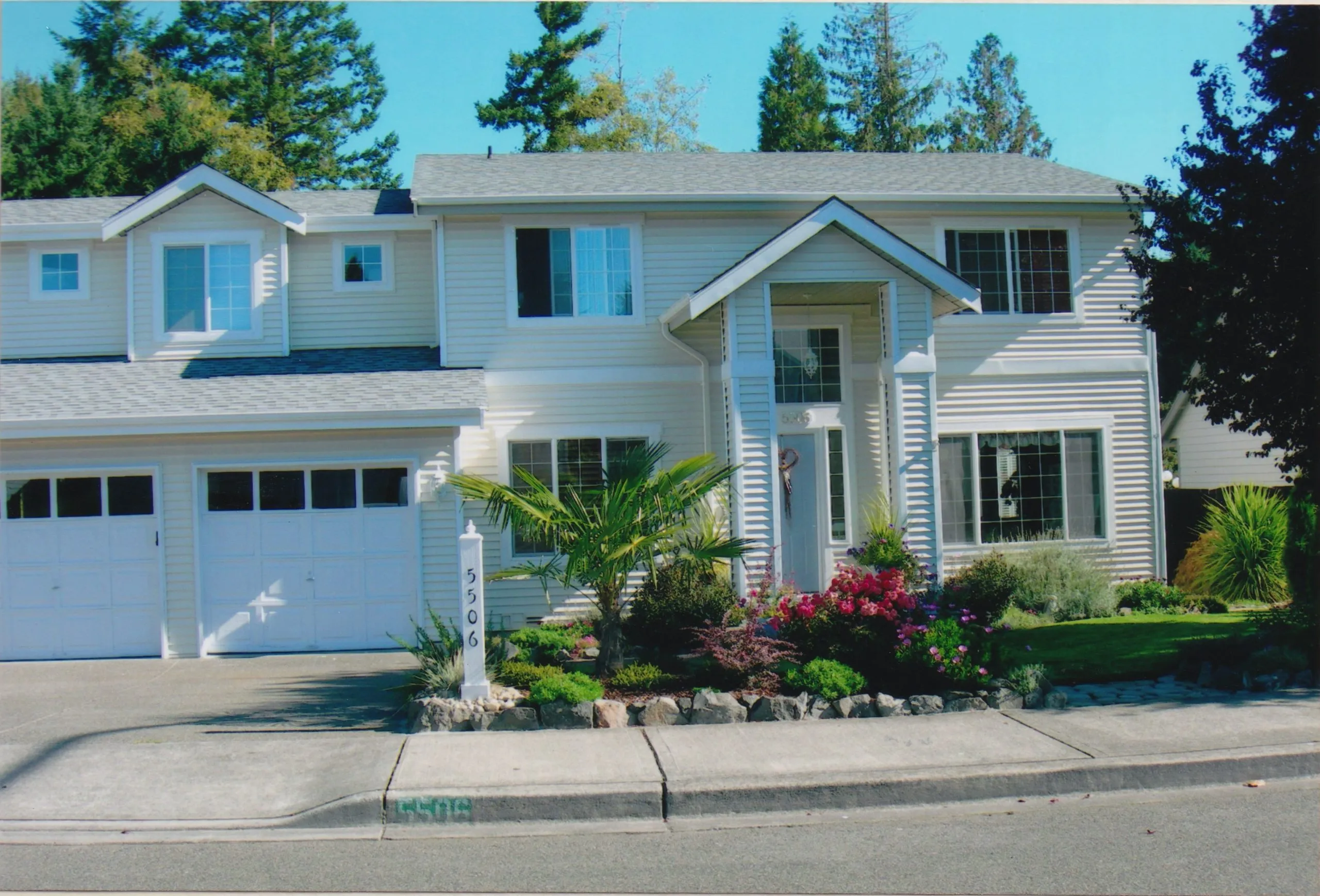
Most siding coming off houses here is decades old: wood lap on the oldest homes, cedar, T1-11 or asbestos-cement shingle on the large stock from the 1950s through the 1970s, and hardboard or LP panels on homes from the 1980s and 1990s. We replace it with the siding types we usually recommend, and the best option for your house is settled during the free in-home consultation.
- Evergreen Shield Siding System. Yakima ranks in the 93rd percentile for wildfire risk among Washington communities, and this insulated composite siding carries a Class A fire rating, the highest fire-resistance rating for construction materials. Electricity heats 62% of local homes, so wall insulation counts too: the panels have an insulating graphite membrane with a thermal resistance of R-2.0, compared with R-0.61 for standard vinyl siding.
- Metal siding. Metal is the other siding we usually recommend where wildfire risk runs this high.
- Vinyl siding. The most versatile and least expensive option, and a practical fit for a tight budget or a large wall area.
- Stacked stone and stone veneer. Accent cladding for wainscots, entries, columns and chimneys, used with the siding above. Stone is noncombustible, which makes it a sensible base course near the ground on a home in a wildfire area.
If your current walls are asbestos-cement shingle, we plan for testing before any removal starts.
Read more about siding replacement in Yakima.
Roofing in Yakima
Roofs here work through an east-side climate: cold winters with freeze-thaw cycles and snow that has to shed, then hot summers with high UV that fades roof colors. We install two main roof types and give both equal weight when we look at your home.
- EDCO metal roofing. Metal sheds snow, and it forms a Class A roof assembly. That second point matters in a city that ranks in the 93rd percentile for wildfire risk in Washington.
- Asphalt shingle roofing. Shingles are the other main option, and we use Class A-rated shingle systems where wildfire protection is the priority.
Before either goes on, we check the roof structure, since snow and freeze-thaw put years of stress on framing and roof decking. Older houses, which make up much of the local stock, may also carry more than one layer of roofing that has to come off first.
Mobile homes account for 5% of local housing, and many manufactured homes have low-slope roofs. Those need different detailing for slope and drainage than a standard pitched roof, so we confirm the slope before recommending a material.
On every roof we review ventilation, underlayment and flashing, the details that decide how a new roof handles both cold winters and hot summers.
See our page on roof replacement in Yakima.
Windows in Yakima
Many homes here were built before 1980 and may still have single-pane glass or aluminum frames from that era. Homes from the 1980s and 1990s often have first-generation vinyl windows whose seals have started to fail.
We replace them with Preservation 9000 vinyl replacement windows. Builders Service Company is the exclusive provider of Preservation 9000 windows in Washington.
Heating fuel makes the case for efficient windows. Census data shows electricity heats 62% of homes in the city and natural gas 35%. Where electric heat is that common, the payback from efficient windows is larger. Electric service comes from Pacific Power, so check with Pacific Power for current efficiency programs before you order.
Preservation 9000 comes in double-hung, slider, casement, awning, hopper, picture, garden, bay and bow styles, plus custom shapes. Common matches:
- Sliders or casements for upper floors and windows tucked under tight eaves.
- Casement, awning or hopper windows for kitchens and baths that need ventilation.
- Picture, bay or bow windows where you want a wide view out of a living room.
- Custom shapes for gables and openings that standard sizes don’t fit.
We measure every opening and talk through styles room by room during the free in-home consultation.
Learn more about window replacement in Yakima.
Decks in Yakima
Decks here face strong sun more than rain and moss. High UV fades deck surfaces and heats them underfoot, so if you choose composite or vinyl decking, a lighter color is the better pick. Wood is still an option for a natural look or a tighter budget, but it needs regular sealing.
Wildfire risk is high in this area, so we plan for ember-resistant decking and keep clearance under the deck, where leaves and debris can collect and catch embers. Cold winters matter below the surface too: footings and framing have to be built for freeze-thaw.
Detached single-family houses make up 59% of local homes, and 54% of homes are owner-occupied. Long-term owners are the ones who get the most out of a well-chosen deck material.
We build with wood, vinyl and composite decking and size each deck to the house and how you plan to use it.
Plan your project with our page on deck building in Yakima.
Also serving nearby
We also serve homeowners in neighboring Union Gap.
Get a free in-home consultation
Schedule a free in-home consultation and we’ll look over your siding, roof, windows or deck and talk through the options that fit your home and budget. Our work comes with a lifetime warranty, financing is available, and we offer discounts for seniors, active military, veterans and first responders. Call toll free at 888-980-8580 or contact us online.
Yakima siding, roofing, window and deck FAQ
My house was built in the 1960s. What siding is probably on it now?
Homes from the 1950–1979 era, the largest group in the city, typically have cedar, T1-11 or asbestos-cement shingle siding. Asbestos-cement shingles may contain asbestos and should be tested before removal. When we replace any of these, we usually recommend vinyl, metal or the Evergreen Shield Siding System, with stacked stone or stone veneer as accents. We confirm what is on your walls during the free in-home consultation.
Does insulated siding make sense in a home heated with electricity?
Yes, because the payback from insulated siding is larger where heating is costly, and most homes here heat with electricity. The Evergreen Shield Siding System has an insulating graphite membrane with a thermal resistance of R-2.0, compared with R-0.61 for standard vinyl siding. We do not quote a savings figure; we look at your walls and heating setup during the free in-home consultation instead.
Will new siding colors fade in the hot Yakima sun?
The Evergreen Shield Siding System is built to resist it, with 20 built-in, fade-resistant colors that resist chipping, peeling and fading and never need repainting. That suits the high UV and hot, dry summers here. Vinyl and metal siding are also types we usually recommend, and we compare colors and options with you at the free in-home consultation.
Is metal roofing a good fit for cold winters and wildfire season?
Yes. EDCO metal roofing sheds snow through cold winters and freeze-thaw cycles, and it forms a Class A roof assembly for wildfire protection. We give it equal weight with asphalt shingle roofing, which also comes in Class A-rated systems. Before either goes on, we check the roof structure and look for old layers that need removal, especially on older homes.
Who offers rebates on new windows in Yakima?
Pacific Power, the electric utility here, is the place to check for current efficiency programs before you order. Electric heat is common in local homes, which makes the payback from efficient windows larger. We install Preservation 9000 vinyl replacement windows, and Builders Service Company is the exclusive provider of Preservation 9000 windows in Washington.
What deck material handles the summer heat best?
Composite or vinyl decking in a lighter color is usually the better pick, because strong sun fades deck surfaces and heats them underfoot. Wood still works for a natural look or a tighter budget, but it needs regular sealing. With wildfire risk high in this area, we also plan for ember-resistant decking and clearance under the deck.
Do you also work in Union Gap?
Yes, we serve homeowners in Union Gap and across Yakima County. Every project starts with a free in-home consultation, and we offer discounts for seniors, active military, veterans and first responders. Call toll free at 888-980-8580 to schedule a visit for siding, roofing, windows or a deck.
Is the siding on a 1980s or 1990s house a problem?
It can be. Homes from 1980 to 1999, 20% of the city's housing, often have composite or hardboard siding, including LP siding, which has a known history of moisture failure. We replace it with vinyl, metal or the Evergreen Shield Siding System and check the wall underneath as the old siding comes off. Financing is available, and the work carries our lifetime warranty.