
What Type of Siding Lasts the Longest? A Guide for Washington Homeowners
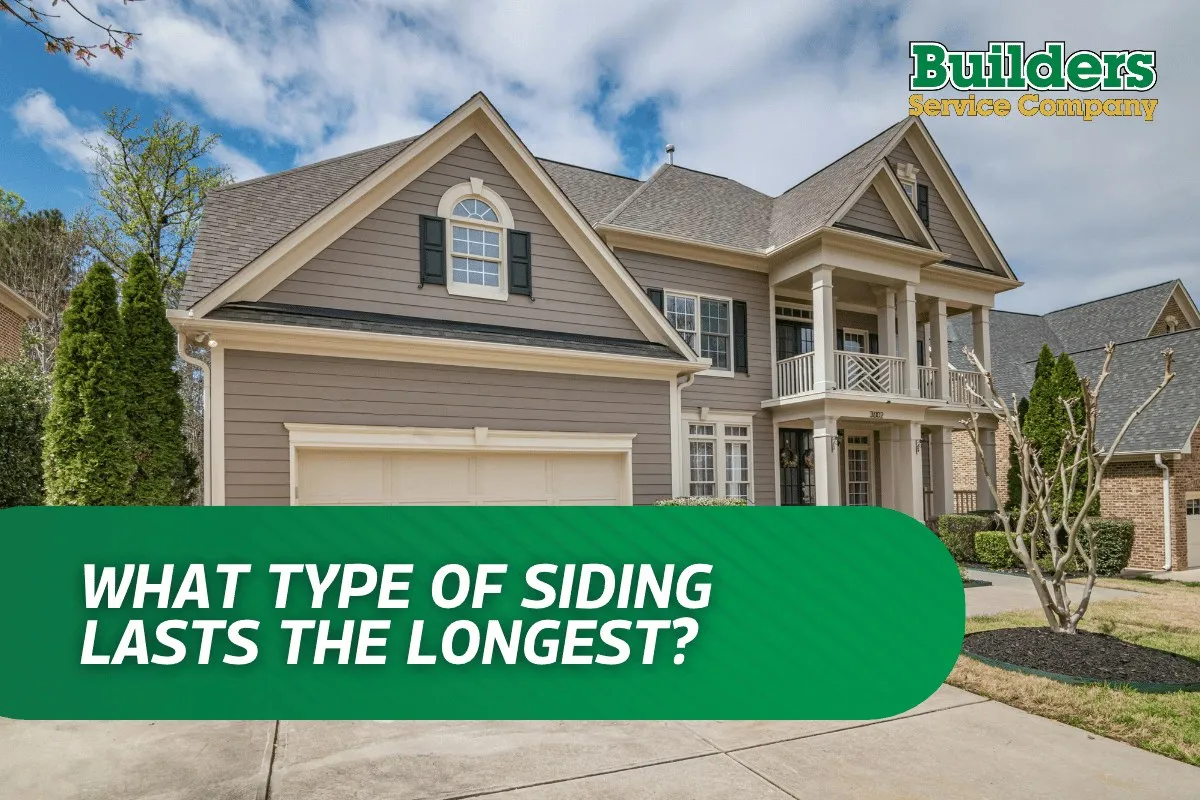
If you are wondering what type of siding lasts the longest, brick and natural stone are among the leaders, often lasting 75 to 100 years or more when properly installed and maintained. But the longest-lasting material on paper is not always the most practical choice for a Washington home. Rain, coastal air, summer sun, and the condition of the wall underneath all affect how long an exterior actually performs.
The Key Things to Know Before Choosing
- Brick and natural stone have some of the longest potential service lives, but installation is costly and specialized.
- Metal offers a durable, low-maintenance option, provided the coating and fasteners suit the location.
- Fiber cement can last for decades but needs careful moisture detailing and periodic finish maintenance.
- Vinyl resists rot and requires no painting, although impacts and heat can damage panels.
- Engineered wood offers a natural look but depends heavily on protected edges and sound installation.
- A properly installed weather barrier and flashing can matter as much as the outer cladding.
Which Siding Materials Have the Longest Lifespan?
For sheer longevity, masonry leads. Brick and natural stone can remain serviceable for generations, while stone veneer depends on the condition of its mortar, attachment, and drainage system. The InterNACHI home-component life-expectancy chart lists several exterior materials at 100 years or more under favorable conditions. Those figures are potential service lives, not promises that every installation will last a century.
For everyday planning, these broad ranges offer a more conservative starting point:
| Exterior Material | Approximate Planning Range | Main Consideration |
|---|---|---|
| Brick or natural stone | 75–100+ years | Mortar, drainage, and structural support |
| Metal siding | 40–60 years | Corrosion protection and finish quality |
| Fiber cement siding | 30–50 years | Sealed edges, moisture control, repainting |
| Vinyl siding | 20–40 years | Impact damage and heat distortion |
| Engineered wood | 20–40 years | Moisture at cuts, seams, and edges |
| Traditional wood siding | 20–40 years | Regular painting or staining |
These are estimates, not product warranties. Actual results vary by climate, installation, exposure, and upkeep. Composite and polymer siding products vary too widely to assign one reliable lifespan to the entire category.
When considering what type of siding lasts the longest, distinguish between a material’s maximum potential lifespan and the years of reliable performance you can realistically expect.
Worth Knowing: The Longest-Lasting Panel Can Still Fail Early If Water Is Trapped Behind It.
What Works Best in Washington’s Wet and Dry Seasons?
For Washington homes, vinyl, metal, and moisture-resistant composite siding are practical long-term choices. Their suitability depends on local conditions and proper installation.
West of the Cascades, the biggest concern is often repeated wetting. Shaded walls in Seattle, Tacoma, and Everett can stay damp long after a storm. Traditional wood needs its protective finish kept in good condition; fiber cement can perform well, but vulnerable joints and cut edges need careful attention. Stucco and masonry also require properly designed drainage in a rainy climate.
East of the Cascades, Wenatchee-area homes experience stronger summer sun and greater seasonal temperature swings. Here, weather resistance includes finish stability, expansion allowances, and suitable fastening. Near salt water, metal finishes, cut edges, and fasteners deserve extra scrutiny.
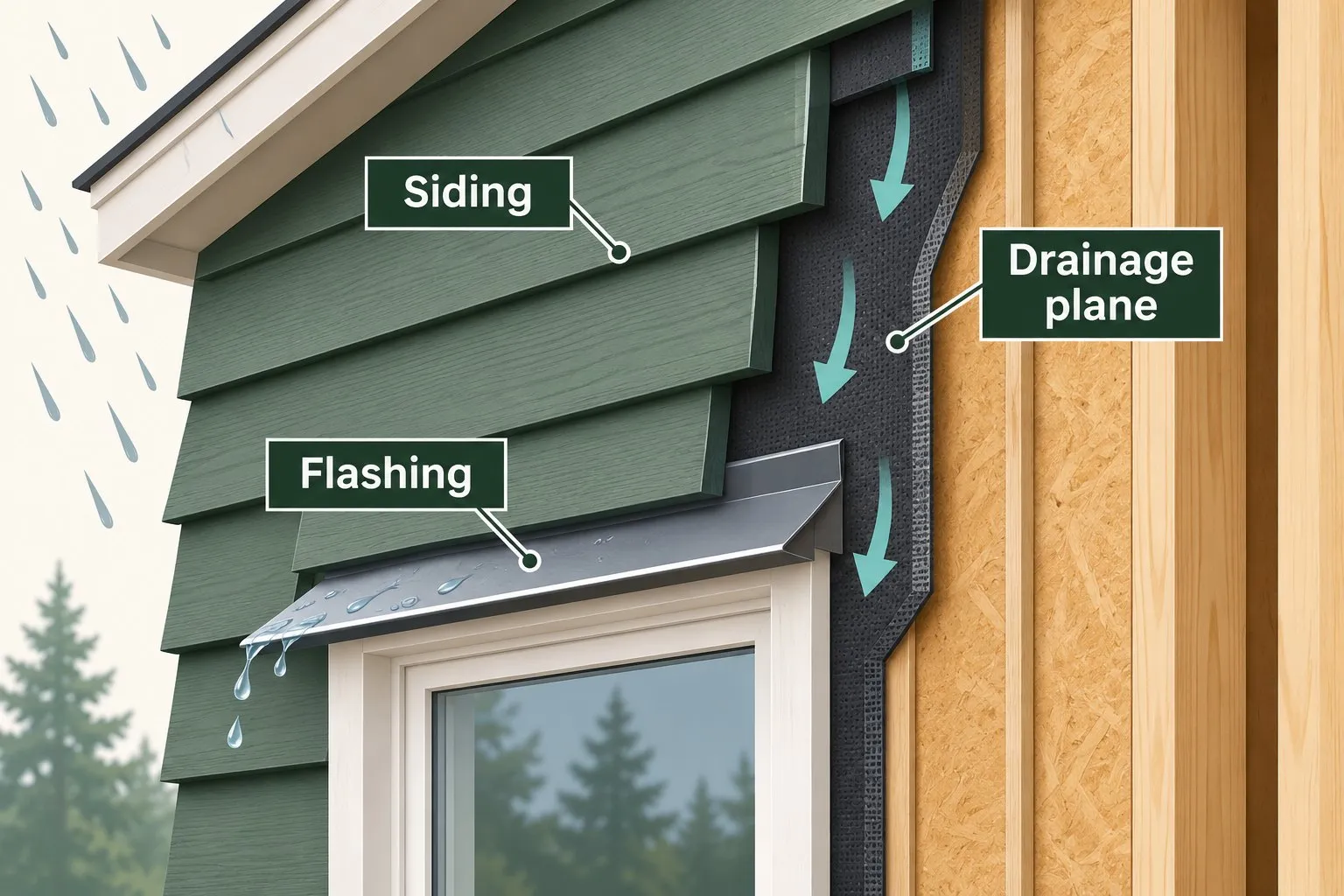
The most important detail is often hidden. The U.S. Department of Energy explains why drainage planes belong behind exterior cladding: some moisture can pass the outer surface, so the wall needs a safe route to drain it away. No siding material should be expected to act as the only water barrier.
The Installation Details That Add Years to Siding
A durable wall is a system, not just a row of panels. When evaluating what type of siding lasts the longest, pay particular attention to places where rainwater concentrates:
- Window and door openings: Flashing must direct water outward rather than into the sheathing.
- Roof-to-wall intersections: Kick-out flashing should move runoff toward the gutter, as described in the Department of Energy’s roof-wall flashing guidance.
- Bottom edges: Siding needs the clearances and drainage openings required by its installation instructions.
- Penetrations: Vents, pipes, and exterior fixtures need properly integrated water protection.
- Existing walls: Damaged sheathing or rot should be corrected before new panels cover the area.
For example, replacing a damaged board below a window without repairing the flashing above it may leave the original leak untouched. That is why checking the wall during replacement is so important.
Practical Tip: After Heavy Rain, Check Beneath Windows and Where Rooflines Meet Walls for Stains, Swelling, or Soft Trim.
How Much Maintenance Does Long-Lasting Siding Need?
Low maintenance does not mean no inspection. Vinyl usually needs gentle washing and occasional panel replacement. Metal should be checked for scratches, corrosion, and loose fasteners. Painted fiber cement and engineered wood need finish inspections, especially where water collects. Natural wood demands the most consistent attention to coatings and decay.
The National Association of Home Builders recommends yearly siding checks and periodic cleaning. Keep shrubs off the wall, clear gutters, and address small defects before moisture reaches the framing. Also read the actual warranty: a long warranty may cover material defects without covering every installation or maintenance issue.
A Siding Choice Built Around Washington Homes
Builders Service Company has worked on Washington home exteriors since 1974. Rather than recommending one material for every house, the team considers the local climate, existing wall condition, appearance, and budget. Its main options are vinyl, metal, and the exclusive Evergreen Shield Siding System, with stone veneer available for accents.
Evergreen Shield is an insulated composite system developed by founder Mason Ruppel for Pacific Northwest conditions. According to the company’s published specifications, it combines moisture-resistant panels with a graphite insulating membrane rated at R-2.0, a Class A fire rating, and 20 fade-resistant color options. These features make it worth discussing when the goal is long-term performance without routine repainting, although no fixed lifespan should be assumed without reviewing the applicable warranty and installation details.
Why Washington Homeowners Choose the Team
- Family-owned Washington contractor operating since 1974.
- Founder Mason Ruppel continues to oversee projects and participate in in-home consultations.
- Washington contractor license BUILDSC027JN, listed on the company’s website.
- Exclusive Evergreen Shield system, alongside vinyl and metal options.
- Lifetime siding warranty referenced on its siding service page, with terms to review for the selected installation.
- A+ BBB accreditation and two Golden Hammer Contractor Awards noted on its About page.
Find the Right Siding for Your Home
To determine what type of siding lasts the longest for your particular home, compare expected service life, installation quality, and the maintenance you can realistically manage.
For homeowners in Seattle, Tacoma, Everett, Olympia, Auburn, Wenatchee, and other communities across Washington, schedule a free in-home consultation. The team can inspect the exterior, discuss materials and colors in person, and explain the project and pricing at your home.
Frequently Asked Questions
Does a Lifetime Siding Warranty Mean the Siding Lasts Forever?
No. A lifetime warranty is a contract with defined coverage, exclusions, and conditions. Check whether it covers the panels, finishes, labor, and transfer to a future owner.
Can New Siding Be Installed Over Old Siding?
Sometimes, but removal is often the better approach when moisture damage is suspected. Exposing the wall allows the installer to inspect sheathing and address hidden problems.
Does Darker Siding Wear Out Faster?
Not necessarily. Color performance depends on the material, finish formulation, sun exposure, and manufacturer instructions rather than shade alone.
Is Insulated Siding Worth Considering?
Yes, especially when improving comfort is part of the project. Its benefit depends on the insulation already in the walls and the overall construction of the home.
Should You Replace Siding That Only Looks Faded?
Not automatically. If the panels are sound and the wall is dry, cleaning or refinishing may be possible, depending on the material; cracking, softness, or recurring leaks call for closer inspection.